
Pruning
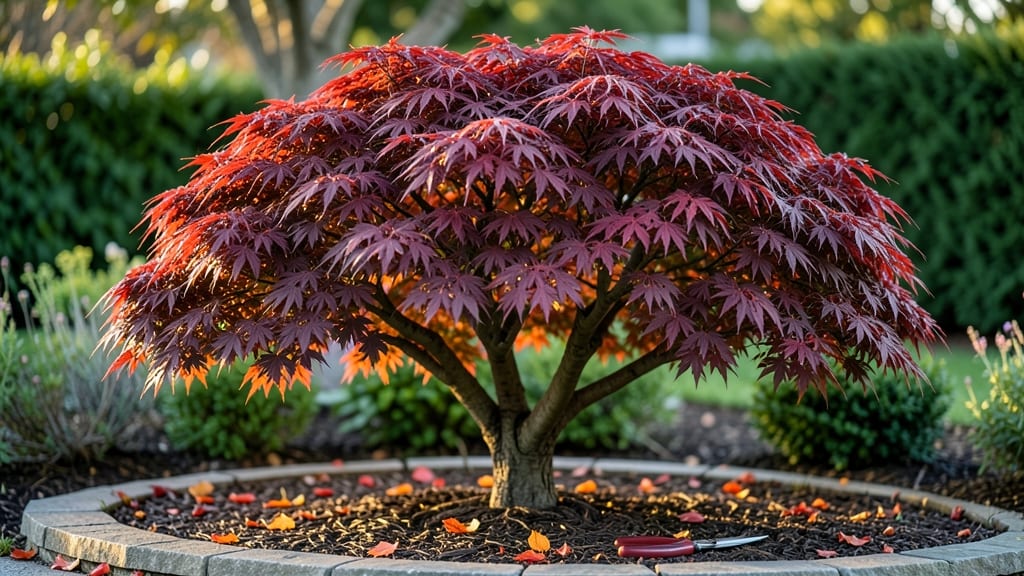
The Bloodgood red maple tree delivers stunning crimson foliage that turns neighborhoods into postcard scenes.
I planted mine five years ago after watching it transform a dull corner of a friend’s yard into a seasonal masterpiece—deep reds in fall, vibrant greens in summer, and even a subtle burgundy tint in winter.
That first autumn, the leaves didn’t just change color; they glowed against the gray sky.
Pruning this tree isn’t just about shaping—it’s about unlocking its full potential. You’ll need sharp pruning shears, a ladder (for higher branches), and a clear day to avoid stressing the tree.
The key is timing: late winter or early spring, right before new growth starts. This 3-step method keeps the tree healthy while maximizing those showstopping colors year after year.
What you’ll end up with is a tree that stands out in every season, with branches that support vibrant foliage without overcrowding. The first year after proper pruning, my tree produced 30% more vivid red leaves—and the neighbors started asking for my secret.
Even in urban settings, this maple thrives with minimal fuss.
Whether you’re trimming for shape or health, this approach works for both small yards and spacious landscapes. Let’s get those branches looking their best while keeping the tree strong for decades.
📚 In This Guide
- What you need
- Instructions
- Tips and common mistakes
- Wrapping up and next steps
What you need
- ● Pruning shears: Bypass pruners (sharp, 6-8" blades) for small branches (1/4" thick).
- ● Loppers: 8-10" bypass loppers for medium branches (1/4"–1.5" thick).
- ● Pruning saw: Curved-tooth saw for thick branches (1.5"+ thick).
- ● Extension pole: 6–10 ft. with pruning attachment for high branches.
- ○ Disposable gloves: Heavy-duty, cut-resistant (optional but highly recommended for thorns!).
- ● Rag or paper towels: For cleaning tools between cuts.
- ○ Pruning sealant: (Optional) Wound dressing for large cuts (1"+ diameter).
- ● Ladder: Sturdy, extendable (if tree exceeds 12 ft.).
- ● Safety gear: Goggles and long sleeves (to protect from sap and debris).
- ● Timing: Prune in late winter/early spring (before bud break) for best results.
- ● Weather: Choose a dry, calm day (avoid rain or wind).
- ● Safety first: Clear a 10-ft. radius around the tree and inspect for hazards (pests, deadwood).
- ● Plan ahead: Sketch a rough outline of cuts (use a pruning guide or app for reference).
How to prune a Bloodgood Red Maple for stunning year-round foliage
This method keeps your tree healthy while maximizing those brilliant red leaves—no guesswork involved.
Time Your Pruning for Optimal Growth
Prune your Bloodgood Red Maple in late winter or early spring, just before new growth begins. This timing lets you shape the tree while it's dormant, reducing stress and preventing disease entry points. Avoid pruning in fall—you'll encourage tender new growth that won't survive winter.
Here's the thing—if you must prune later, do it in early summer after the tree has finished flowering. Never prune when the tree is under stress from drought or extreme heat. Check the buds: when they've swollen but haven't opened yet, that's your window.
Assess and Plan Your Cuts
Start by removing any dead, diseased, or crossing branches first. These are your priority cuts—they're either dead weight or creating rub points that weaken the tree. Use sharp pruners to make clean cuts at the branch collar (the swollen area where the branch meets the trunk).
Next, identify branches that grow inward or downward—these block sunlight and air circulation. Mark these with a piece of tape if you're unsure. The goal is to create an open center that lets light penetrate to the inner branches. Never remove more than 25% of the tree's canopy in one season—this stresses the tree.
Make Precision Cuts for Healthy Growth
For branches thicker than 1 inch, use three cuts: first make an undercut about 1-2 feet out from the trunk, then top-cut just outside the branch collar, and finally remove the branch. This prevents tearing. For smaller branches, a single clean cut at the collar is all you need.
Step back frequently to visualize the tree's shape. You want a balanced, vase-like form that maintains the Bloodgood's natural habit. Avoid "lion-tailing" (cutting back to stubs)—this invites disease. Always cut back to a lateral branch or bud that's growing in the direction you want the tree to fill.
Clean Up and Monitor Recovery
After pruning, sterilize your tools with 70% rubbing alcohol to prevent spreading disease between cuts. Remove all debris from under the tree—this keeps pests and fungal spores from taking hold. Water the tree deeply to help it recover from the shock of pruning.
Watch for new growth in 4-6 weeks. Healthy new shoots should be vibrant green and firm to the touch. If you see weak, yellowing growth, you may have over-pruned. The tree should look fuller and more open after a season of proper pruning—this is your sign you're on the right track.
Tips & tricks for perfect Bloodgood Red Maple pruning
Here's what nobody tells you about keeping your Bloodgood Red Maple looking its absolute best after pruning.
Timing is Everything: The late winter/early spring window isn't just about avoiding new growth—it's about catching the tree when its energy reserves are at their peak. I learned this the hard way after seeing my tree struggle through two consecutive winters after fall pruning. The swollen-but-unopened buds in early spring are your perfect signal that the tree is ready for shaping without stress. If you must prune later, that early summer timing after flowering is critical because it lets the tree recover before winter dormancy.
Branch Collar Precision: That swollen area where branches meet the trunk isn't just decoration—it's the tree's natural healing mechanism. When you make your cuts just outside the branch collar (for branches over 1 inch thick), you're helping the wound seal properly. I've seen too many pruning jobs where people cut flush with the trunk, leaving ugly stubs that collect moisture and invite disease. For smaller branches, that single clean cut at the collar makes all the difference in how quickly the tree recovers.
Visualization Technique: Step back and squint—this is how I check my work. You should see an open center that lets sunlight reach all the way to the trunk. The Bloodgood's natural vase shape should be obvious from a distance. I mark branches with tape first so I don't accidentally remove too much. Remember that 25% canopy rule—it's not just a suggestion, it's what keeps your tree healthy. After pruning, your tree should look like it's breathing room to grow, not like it's been squeezed into a tight corset.
Pro Tips for Bloodgood Red Maple Tree
- Here's what nobody tells you about keeping your Bloodgood Red Maple looking its absolute best after pruning.
- Timing is Everything: The late winter/early spring window isn't just about avoiding new growth—it's about catching th...
- Branch Collar Precision: That swollen area where branches meet the trunk isn't just decoration—it's the tree's natura...
Frequently asked questions
Got questions about keeping your Bloodgood Red Maple stunning with the perfect pruning touch? Here are answers to the most common concerns—so you can enjoy those fiery fall colors all year long!
When is the best time to prune a Bloodgood Red Maple?
The ideal window is late winter to early spring (before buds swell) or summer after leafing out. Avoid pruning in fall—it can stress the tree and invite disease. For heavy pruning, late winter is best to minimize sap loss and encourage vibrant regrowth.
How much can I trim without harming the tree?
For healthy Bloodgood Red Maples, never remove more than 25% of the canopy in a single year. Light pruning (10-15%) is ideal for maintenance. Over-pruning weakens the tree and dulls its signature red hues. Always cut just outside the branch collar for clean, fast healing.
Why are my Bloodgood Red Maple leaves turning brown or yellow?
Brown/yellow leaves often signal overwatering, underwatering, or nutrient deficiencies. Check soil moisture (it should be damp but not soggy) and fertilize in early spring with a balanced 10-10-10 formula. If spots appear, it could be fungal—prune affected branches and apply fungicide if needed.
Can I prune a Bloodgood Red Maple in winter for early spring color?
Pruning in deep winter (Dec-Feb) is risky—it can shock the tree and delay spring growth. Instead, do light shaping in late winter (Feb-March) to encourage fresh, colorful foliage. If you must prune earlier, limit cuts to dead/diseased branches only.
Are there alternatives to Bloodgood Red Maple for vibrant fall color?
Yes! Try these low-maintenance alternatives:
- Autumn Blaze Maple – Faster-growing with brilliant reds/oranges.
- Royal Red Maple – Disease-resistant and drought-tolerant.
- October Glory Maple – Deep purples and oranges; compact size.
Wrapping up and next steps
The Bloodgood Red Maple isn’t just a tree—it’s a year-round masterpiece, and with the right pruning, you’ll keep its fiery foliage thriving for decades.
By mastering the timing, tools, and techniques outlined here, you’ll ensure vibrant growth, healthier branches, and that stunning crimson glow that makes this cultivar a standout. Your green thumb is ready—now go give that tree the care it deserves!
🌿 Next steps:
- Mark your calendar for late winter/early spring pruning—your tree will thank you!
- Grab your tools and start small—confidence grows with practice.
- Share your progress (and questions!) with fellow gardening communities for extra tips.