
Trees
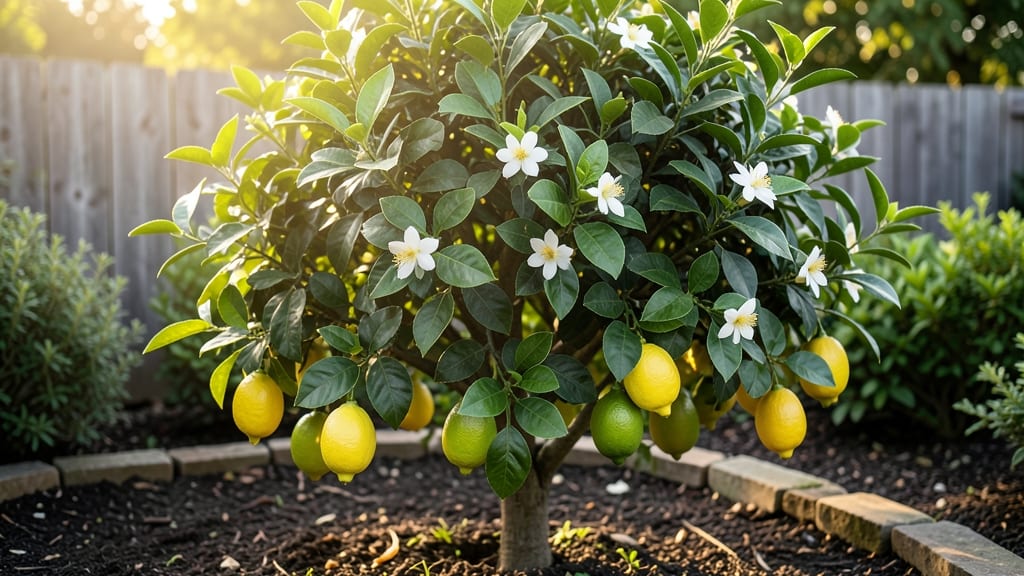
Growing a citrus lemon tree from seed to sun-kissed harvest in your own backyard is one of the most rewarding gardening adventures you can take on. 🌱 I started my first lemon tree in a tiny pot, and within three years, I was plucking ripe lemons from branches heavy with fruit—right outside my kitchen window.
The key isn’t just patience; it’s creating the perfect conditions for that Mediterranean charm to thrive in your climate.
You’ll need a sunny spot—at least 6-8 hours of direct sunlight daily—whether that’s a sheltered corner of your yard or a south-facing windowsill indoors. The soil should drain like a dream, so mix in perlite or coarse sand if your native dirt holds too much moisture.
Lemon trees are picky about pot size too: start with a 5-gallon container for young trees, then upgrade as they grow. And don’t forget the frost warning—these tropical babies need to come inside when temperatures dip below 30°F.
By year three, you’ll be harvesting bright yellow lemons that taste sweeter than anything from the grocery store. The scent alone—zesty and fresh—will make your garden feel like a Mediterranean escape.
Pruning in late winter keeps the tree compact and productive, while a balanced citrus fertilizer every 4-6 weeks ensures those lemons keep coming. The first harvest might be small, but each year brings bigger rewards.
Whether you’re growing in a container on a balcony or planting in the ground, lemon trees adapt surprisingly well. The biggest challenges—frost, pests like aphids, and root rot—have simple solutions once you know what to watch for.
With the right care, your tree could live for decades, giving you lemons for life. Let’s get those roots growing!
📚 In This Guide
- What you need
- Instructions
- Tips and common mistakes
- Wrapping up and next steps
What you need
- ● Lemon Tree: 1 Citrus limon plant (choose between a seedling, bare-root sapling, or a 1–3 gallon potted tree for faster results).
- ○ Optional: Grafted trees (like ‘Eureka’ or ‘Meyer’) for sweeter fruit and earlier harvests.
- ● Soil & Containers: Well-draining citrus potting mix (avoid garden soil—it compacts and causes root rot). Quantity: Enough to fill your container or garden bed (typically 5–10 gallons for young trees).
- ○ Optional: Perlite or coarse sand (10–20% mix) to improve drainage.
- ● Container: A pot with drainage holes, minimum 12–15 inches in diameter (or a garden bed in warm climates like Zones 9–11).
- ● Fertilizer: Balanced citrus fertilizer (e.g., 6-6-6 or 8-3-9 NPK ratio). Application: Start with ½ tsp per gallon of soil, then follow label instructions.
- ○ Optional: Slow-release granules or organic options like fish emulsion or composted manure.
- ● Watering Supplies: Watering can or hose with a gentle spray nozzle (to avoid displacing soil).
- ○ Optional: Moisture meter to track soil hydration.
- ● Pruning Tools: Sharp bypass pruners (for clean cuts).
- ● Sterilizing solution (rubbing alcohol or bleach water) to prevent disease.
- ○ Support (for outdoor trees): Optional: Stakes or a small trellis for young trees in windy areas.
- ● Climate: Lemon trees thrive in USDA Zones 9–11. For cooler climates, grow in containers and bring indoors during winter (below 40°F/4°C).
- ● Sunlight: 6–8+ hours of full sun daily (south-facing windows or outdoor spots).
- ● Humidity: Mimic tropical conditions with 50–70% humidity. Use a humidifier or pebble tray in dry indoor settings.
- ● Patience: Dwarf varieties may fruit in 2–3 years, while standard trees take 3–5 years.
- ● Test your soil’s pH (6.0–7.0 is ideal)—lemon trees dislike alkaline conditions. Adjust with sulfur if needed.
- ● If planting outdoors, choose a sheltered spot to protect from strong winds.
- ● For container growers: Repot every 2–3 years to refresh soil and accommodate growth.
How to grow a lemon tree indoors for a sun-kissed harvest
Here's my foolproof method for coaxing sweet, fragrant lemons from a potted tree.
🌱 Step 1: Choose the Right Variety and Start with a Healthy Seedling
For indoor growing, I recommend dwarf varieties like 'Meyer' or 'Improved Meyer'—they stay manageable and produce fruit reliably. You can start from seed (which takes 5-10 years for fruit), or buy a 3-5 year old grafted tree from a reputable nursery. Look for a plant with glossy, disease-free leaves and a sturdy trunk—any yellowing or spots means it's been stressed.
If starting from seed, plant it ½ inch deep in a 4-inch pot with well-draining soil. Keep it in bright, indirect light and maintain 70-80°F soil temperature. Germination takes 3-6 weeks, so patience is key. I've found that soaking seeds in warm water for 24 hours before planting speeds things up.
☀️ Step 2: Position for Maximum Light and Warmth
Lemon trees need 6-8 hours of direct sunlight daily—a south-facing window is ideal. If natural light is insufficient, supplement with a full-spectrum LED grow light kept 12-18 inches away for 12-14 hours per day. You'll know your tree is getting enough light when leaves stay dark green and new growth appears every 2-3 weeks.
Keep the room temperature between 65-75°F—citrus trees hate drafts and cold spots. Avoid placing near AC vents or heaters, as sudden temperature swings stress the plant. If you notice leaves curling or dropping, it's a sign the environment is too harsh.
💧 Step 3: Water and Fertilize for Consistent Growth
Water when the top 1-2 inches of soil feel dry—overwatering is the #1 killer of indoor citrus. I use room-temperature water to avoid shocking the roots. Let excess water drain completely from the pot to prevent root rot. In winter, reduce watering to every 10-14 days since growth slows.
Feed with a balanced citrus fertilizer (like 6-6-6) every 4-6 weeks during spring and summer. Cut back to monthly in fall and stop in winter. You'll see new leaves and buds as a sign the plant is thriving. If leaves turn yellow between veins, it's usually a sign of overwatering or nutrient deficiency.
✂️ Step 4: Prune and Shape for Health and Fruit Production
Prune in late winter or early spring to shape the tree and encourage branching. Remove any dead, diseased, or crossing branches first. Then, trim back leggy growth to encourage a bushier form. I like to cut just above a leaf node or outward-facing bud—this ensures new growth will fill out the canopy.
Pinch off flower buds the first year to let the tree focus on foliage. After that, allow flowers to develop, but remove some if the tree is overloaded—too many flowers can stress a young plant. You'll know it's time to harvest when fruit turns yellow and feels slightly soft when gently squeezed.
Tips & tricks for indoor lemon tree success
Real talk: Growing a lemon tree indoors takes patience, but these tricks will help you avoid the most common pitfalls and get that sun-kissed harvest faster.
Lighting is Everything: That 6-8 hours of direct sunlight is non-negotiable—no south-facing window? Invest in a full-spectrum LED grow light. I keep mine 12-18 inches away and run it for 12-14 hours daily. The key is consistency: if your tree starts stretching toward light or leaves turn pale, it's begging for more brightness.
Soil Temperature Secret: Those 70-80°F soil temps in Step 1 aren't just arbitrary—they mimic Mediterranean climates where lemons thrive. Use a small thermometer to monitor soil temps, especially if your home runs cold. I've found that placing the pot on a ceramic saucer (not metal) helps maintain warmth without overheating roots.
Watering Wisdom: The top 1-2 inches dry test works, but here's the thing: citrus roots need oxygen too. After watering, let the tree sit in its saucer for 10 minutes, then drain any excess. In winter, I reduce watering to every 10-14 days because growth slows dramatically—don't keep the soil soggy when the tree's dormant.
Pruning Payoff: When you prune in late winter, don't just hack away! Cut at a 45-degree angle just above a leaf node or outward-facing bud. This simple technique ensures new growth will fill out your tree's canopy beautifully. And remember: first-year flowers? Pinch them off—they'll steal energy from your tree's roots and trunk development.
Pro Tips for Citrus Lemon Tree Growing
- Real talk: Growing a lemon tree indoors takes patience, but these tricks will help you avoid the most common pitfalls and get that sun-kissed harvest faster.
- Lighting is Everything: That 6-8 hours of direct sunlight is non-negotiable—no south-facing window?
- Soil Temperature Secret: Those 70-80°F soil temps in Step 1 aren't just arbitrary—they mimic Mediterranean climates where lemons thrive.
Frequently asked questions
Got questions about growing your own citrus lemon tree?
You’re not alone—many gardeners wonder about timing, care, and troubleshooting. Here are answers to the most common queries to help you grow lemons like a pro!
How long does it take for a lemon tree to bear fruit?
A healthy lemon tree typically takes 2–3 years to produce fruit from seed, but grafted trees (like those from nurseries) can bear lemons in as little as 1–2 years. Patience is key—consistent care (sunlight, water, and nutrients) speeds up the process!
Can I grow a lemon tree indoors?
Yes! Lemon trees thrive indoors near bright, southern-facing windows or with grow lights. Use a 10–12 inch pot, ensure good drainage, and keep temps between 60–80°F. Just mimic outdoor conditions—6+ hours of sunlight daily and occasional outdoor time in warm months boosts fruit production.
Why are my lemon tree leaves turning yellow?
Yellow leaves often signal overwatering, underwatering, or nutrient deficiencies. Check soil moisture—it should be dry 1–2 inches deep before watering. Yellowing edges? Likely low humidity or fluoride buildup (use filtered water). For widespread yellowing, test soil pH (ideal: 6.0–7.0) and fertilize with citrus-specific nutrients.
Can I grow other citrus fruits the same way?
Most citrus trees (like oranges, limes, and grapefruits) share similar needs: full sun, well-draining soil, and regular pruning. However, lime trees tolerate more humidity, while orange trees need slightly cooler winters. Start with the same basics, then tweak based on your climate and variety!
How do I protect my lemon tree in winter?
Lemon trees are tender perennials—they can’t handle frost! If temps drop below 30°F, move potted trees indoors near a sunny window. For outdoor trees, mulch the base and wrap the trunk in burlap. In colder zones, grow them in containers for easy relocation.
Wrapping up and next steps
Growing your own citrus lemon tree is a rewarding journey that brings bright flavors, fragrant blooms, and a touch of tropical charm to your space—whether it’s a sunny patio or backyard. 🌿 With the right care, patience, and a dash of love, you’ll enjoy a sun-kissed harvest in just a few years.
Now that you’re armed with the essentials, why not plant your tree today and take the first step toward a zesty, homegrown future?
Need a little extra guidance? Start small—pick a healthy sapling, prep your soil, and let nature do the rest. Happy growing!