
Trees
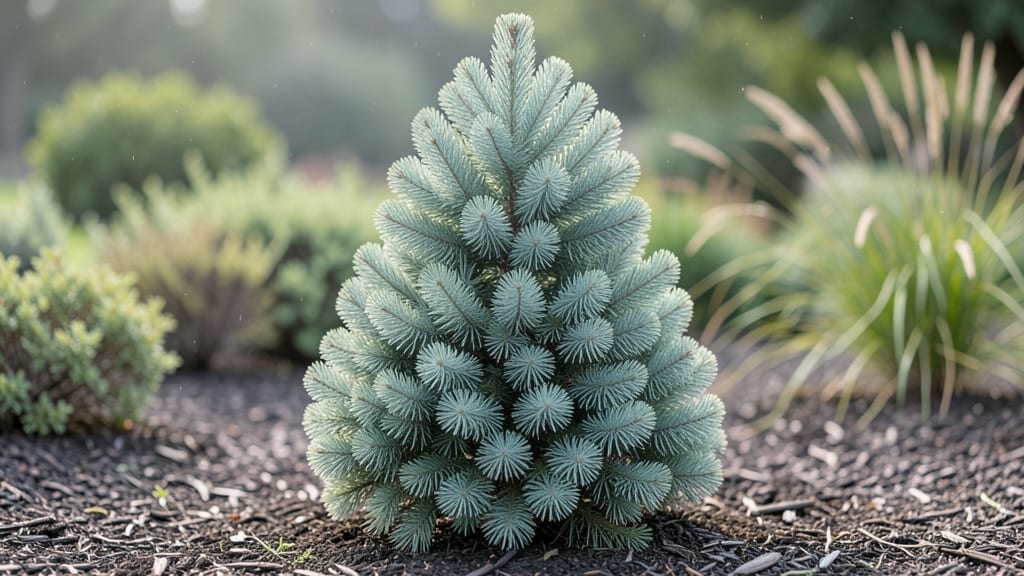
Cold hardy evergreen trees are the unsung heroes of winter gardens—keeping your landscape lush when everything else sleeps. 🌲 I planted my first one after watching my neighbor’s yard stay vibrant through snowstorms, and it changed how I saw winter gardening forever.
These trees thrive in zones 3-7, meaning they’ll survive winters where most plants would freeze solid, and they do it with almost no extra care.
The real magic is in their versatility: some grow tall enough to block wind, others stay compact for small yards, and a few even help prevent erosion on slopes.
My go-to species include Norway spruce for dramatic height, Eastern white pine for airy texture, and Inkberry holly for glossy leaves and berries. They all share one trait—they don’t need summer watering once established, which is a game-changer for busy gardeners.
You’ll end up with a landscape that stays green through blizzards, attracts birds year-round, and requires no special winter prep beyond an occasional shake to remove snow. The best part?
These trees grow slowly but steadily, so they’ll outlast trendy annuals by decades. Let’s pick the perfect one for your space and climate—no guesswork, just results.
Whether you’ve got a windy hillside or just want a sturdy privacy screen, evergreens deliver. I’ll walk you through selecting the right species for your zone, planting them so they thrive, and keeping them healthy with minimal effort. No green thumbs required—just a shovel and some patience.
📚 In This Guide
- What you need
- Instructions
- Tips and common mistakes
- Wrapping up and next steps
What you need
- ● Cold-hardy evergreen tree saplings: Choose 1–3 varieties based on your USDA hardiness zone (e.g., Picea glauca [White Spruce], Juniperus virginiana [Eastern Red Cedar], or Thuja occidentalis [Arborvitae]).
- ● Size: 1–3 gallons (for mature growth) or 7–15 feet tall (for quick impact).
- ● Shovel or digging spade: Heavy-duty, 12–18 inches wide for breaking soil.
- ○ Garden fork or tiller: Optional but helpful for rocky or compacted soil.
- ● Mulch (3–4 inches): Pine straw, wood chips, or shredded bark (avoid fresh wood chips near the trunk).
- ● Watering can or hose with adjustable nozzle: For deep, slow watering.
- ● Pruning shears: Bypass pruners for clean cuts (sterilize with rubbing alcohol).
- ● Tree ties or stretchy garden tape: 3–4 feet long to secure young trees to stakes.
- ● Stakes (2–3 per tree): 4–6 feet tall, preferably T-stakes for stability.
- ○ Soil amendment (optional): Compost or peat moss (1–2 bags) for nutrient-poor soil.
- ● Slow-release fertilizer (e.g., 10-10-10, 1–2 lbs per tree).
- ● Location: Full sun (6+ hours/day) or partial shade (depending on species).
- ● Well-draining soil (test pH: evergreens prefer acidic to neutral, 5.0–7.0).
- ● Timing: Plant in early spring or fall (avoid extreme heat or frost).
- ○ Safety gear (optional but recommended): Gloves (heavy-duty for thorny junipers).
- ● Knee pads for comfort.
- ● Local regulations: Check HOA rules or city ordinances for tree planting restrictions.
How to plant and maintain cold hardy evergreen trees
These trees thrive in tough climates with almost no fuss—just follow these steps.
🌱 Step 1: Choose the Right Location and Species
Start by selecting a spot with full sun to partial shade and well-draining soil. Cold hardy evergreens like spruce, pine, and fir handle USDA zones 3-6 beautifully, but check your specific variety's hardiness zone—some varieties push into zone 2. I always plant mine where they’ll get morning sun and afternoon shade to prevent winter burn.
Dig a hole that’s twice as wide as the root ball but no deeper. Loosen the sides of the hole to encourage root spread. The reason we don’t dig too deep is that evergreens hate sitting in soggy soil—roots need oxygen to thrive. If your soil drains poorly, mix in a few inches of sand or gravel at the bottom of the hole to improve drainage.
🪴 Step 2: Plant with Proper Spacing and Support
Place the tree in the hole so the top of the root ball sits 1-2 inches above ground level. This prevents root rot and gives you room to add mulch later. Fill the hole with native soil, tapping it gently to remove air pockets as you go. Water deeply to settle the soil around the roots.
Space trees 10-20 feet apart, depending on their mature size—closer for dwarf varieties, farther for large specimens. If planting near structures, leave at least 5-6 feet of clearance to avoid root conflicts and allow for future growth. I always stake young trees if they’re top-heavy or in windy areas, using two stakes and soft tree ties to avoid girdling the trunk.
☀️ Step 3: Mulch and Water for Establishment
Spread 3-4 inches of mulch around the base, keeping it 6 inches away from the trunk to prevent rot. Use shredded bark or wood chips—they break down slowly and improve soil structure over time. Water the tree deeply once a week during the first growing season, aiming for 1-2 gallons per inch of trunk diameter. You’ll know it’s enough when water runs out the drainage holes if planted in a container.
After the first year, reduce watering to every 2-3 weeks unless you’re in an extreme drought. Evergreens store water in their needles, so they’re surprisingly drought-tolerant once established. The key is to let the soil dry out between waterings—soggy roots lead to fungal diseases like root rot, which can kill even the hardiest trees.
✂️ Step 4: Prune for Shape and Health
Prune in late winter or early spring before new growth begins. Remove any dead, diseased, or crossing branches first—these are the easiest to spot and fix. Cut back to a healthy bud or branch collar, never leaving a stub. I always sterilize my pruners with rubbing alcohol between cuts to prevent spreading disease.
Shape the tree lightly by thinning out crowded branches to improve airflow. Avoid heavy pruning—evergreens don’t regrow needles like deciduous trees, so you’ll notice bare spots if you cut too much. For young trees, a light trim to encourage a strong structure is all you need. The goal is to keep the tree looking natural while maintaining its health.
⏰ Step 5: Protect in Winter and Monitor Year-Round
In zones 3-5, young trees may need winter protection. Wrap the trunk with burlap or tree guard to shield it from rodents and sun scald. Avoid plastic wraps—they trap moisture and can cause bark damage. If heavy snow accumulates, gently brush it off to prevent branch breakage. I’ve seen evergreens snap under 12 inches of snow, so it’s worth the effort.
Check trees annually for signs of stress like yellowing needles, sparse growth, or pest activity. Evergreens are tough, but they’re not invincible. Aphids, spider mites, and bagworms are common pests—treat infestations early with neem oil or insecticidal soap. With minimal care, these trees will provide year-round color and privacy for decades.
Tips & tricks for perfect cold hardy evergreen trees
These simple strategies will help your evergreens thrive with almost no effort—once you know the secrets.
Soil Prep Secret: Before planting, test your soil's drainage by digging a small hole and filling it with water. If it drains in less than 30 minutes, your soil is fine. If water pools after an hour, mix in 2-3 inches of coarse sand or gravel at the bottom of the planting hole. This tiny adjustment prevents root rot, which is the #1 killer of evergreens. I learned this the hard way after losing two blue spruces to soggy soil.
Staking Strategy: If you're planting in windy areas or have top-heavy trees, use two stakes placed diagonally from the trunk. Secure with soft tree ties that you can loosen as the tree grows—never use wire or anything that can girdle the trunk. The goal is to provide temporary support while allowing natural movement that strengthens the tree's structure. I always check ties annually and remove them once the tree can stand on its own.
Mulching Mastery: That 3-4 inches of mulch isn't just for looks—it regulates soil temperature and retains moisture. The key is to keep it 6 inches away from the trunk to prevent rot. I like to use shredded bark because it breaks down slowly and improves soil structure over time. For newly planted trees, add a 2-inch layer of mulch immediately after planting to protect those vulnerable roots from temperature swings.
Winter Protection Hack: In zones 3-5, young trees need protection from winter elements. Wrap the trunk with burlap or tree guard, but leave the bottom few inches uncovered to allow airflow. For snow removal, gently brush off accumulation rather than shaking branches—this prevents sudden weight that can snap limbs. I've seen evergreens snap under just 12 inches of snow, so this simple maintenance makes all the difference.
Pro Tips for Cold Hardy Evergreen Trees
- These simple strategies will help your evergreens thrive with almost no effort—once you know the secrets.
- Soil Prep Secret: Before planting, test your soil's drainage by digging a small hole and filling it with water.
- Staking Strategy: If you're planting in windy areas or have top-heavy trees, use two stakes placed diagonally from the trunk.
Frequently asked questions
Got questions about keeping your yard lush and green even in winter? Here are some of the most common concerns—and answers—to help you choose and care for cold-hardy evergreen trees like a pro!
What’s the easiest cold-hardy evergreen tree for beginners?
If you’re new to gardening, start with Eastern Red Cedar (Juniperus virginiana) or Dwarf Alberta Spruce. Both thrive in harsh climates (down to -40°F!), need minimal pruning, and resist pests. Just plant them in well-draining soil and avoid overwatering!
Can evergreens survive heavy snow or ice buildup?
Most cold-hardy evergreens handle snow well, but ice or wet snow can damage branches. To help, plant trees where they’re exposed to wind (to shake off snow) and avoid overcrowding. If branches sag under ice, gently brush them off with a broom—never pull or shake!
When’s the best time to plant cold-hardy evergreens?
Fall (late September to November) is ideal—cool temps and rain help roots establish before winter. You can also plant in early spring (before bud break). Avoid planting in summer heat or freezing winter, as roots struggle to adapt.
How do I tell if my evergreen is struggling in cold weather?
Watch for brown needles, sparse foliage, or wilting branches—signs of stress. Check soil moisture (too wet or dry can cause issues) and inspect for pests like spider mites. If needles turn brown but stay attached, it’s likely winter burn; mulch the root zone to protect it next year.
Are there drought-tolerant cold-hardy evergreens?
Try Colorado Blue Spruce or Rocky Mountain Juniper—both love dry conditions and handle cold snaps. For ultra-low water needs, Pinyon Pine is a native Western U.S. star. Just mulch well and avoid overwatering to keep them thriving.
Wrapping up and next steps
Cold-hardy evergreen trees are the perfect solution for adding year-round greenery to your landscape—no matter how harsh the winter! 🌲 From low-maintenance options like the Eastern Red Cedar to stunning Blue Spruce varieties, these trees thrive in freezing temperatures while demanding minimal care.
Whether you're a busy homeowner or a gardening enthusiast, their resilience and beauty make them a smart investment for any yard.
Ready to transform your outdoor space? Start by choosing the right species for your climate and soil, then plant with confidence—your future green oasis is just a few steps away! 🌿