
Pruning
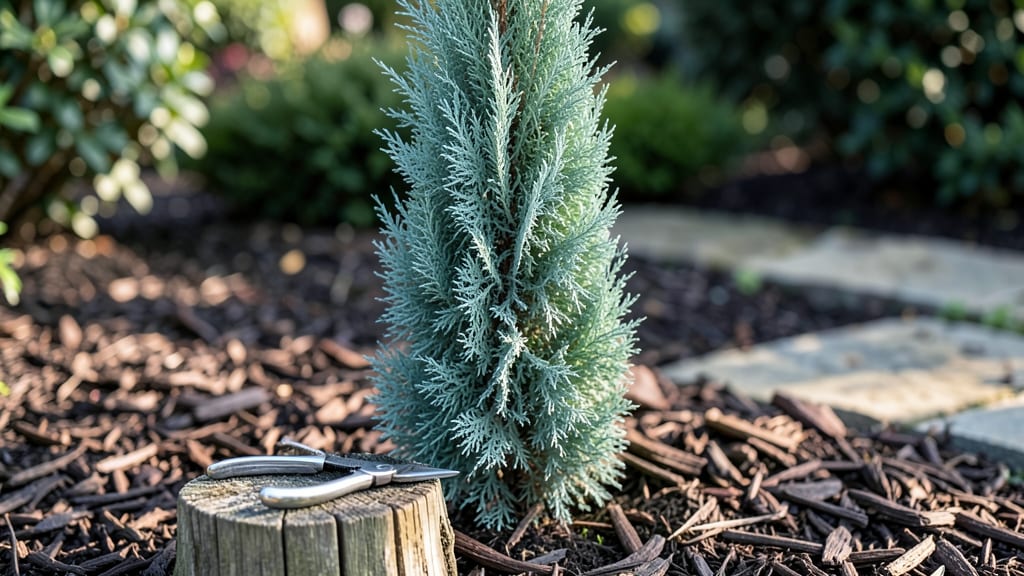
Pruning evergreen trees keeps them looking sharp and thriving for decades—if you do it right. I’ve turned my overgrown arborvitae from a tangled mess into a neat, sunlit hedge by following a few key rules about timing, tools, and technique.
The difference between a healthy evergreen and one that struggles comes down to understanding when to cut and how to shape it without harming the plant.
Most evergreens respond best to pruning in late winter or early spring, when they’re dormant but about to burst into new growth. You’ll need sharp bypass pruners, a sturdy ladder, and—most importantly—patience.
The goal isn’t to hack away branches but to open up the canopy, remove dead wood, and encourage fresh, vibrant growth. I’ve learned the hard way that skipping these steps leads to bare spots and weak branches.
What you’ll end up with is a tree that looks fuller, stronger, and more resilient to pests and disease. The right cuts redirect energy to where you want it—new shoots, thicker foliage, and a shape that fits your landscape.
Plus, you’ll avoid the heartbreak of seeing your evergreen turn into a sad, lopsided shadow of its former self.
Whether you’re tackling a towering pine or a compact boxwood, the same principles apply. We’ll cover the tools, the cuts, and the timing so you can prune with confidence—no green thumb required. Let’s get those branches in shape!
📚 In This Guide
- What you need
- Instructions
- Tips and common mistakes
- Wrapping up and next steps
What you need
- ● Pruning shears: Bypass pruners (for small branches, ¼-inch thick) or anvil pruners (for thicker branches, up to ¾-inch). Choose sharp, stainless-steel blades to avoid tearing bark.
- ● Loppers: For branches ½-inch to 2-inches thick. Opt for ratcheting loppers for extra leverage.
- ● Pruning saw: A curved-tooth handsaw for branches larger than 2-inches in diameter.
- ● Extension pole: A 3–6-foot telescoping pole with a pruning saw or shear attachment for high branches.
- ● Work gloves: Heavy-duty, cut-resistant gloves to protect your hands from thorns and sharp tools.
- ● Safety glasses: ANSI-rated goggles to shield your eyes from debris.
- ● Ladder (if needed): A stable, non-slip ladder rated for your height and weight. Always use it with a spotter!
- ● Disinfectant: 70% isopropyl alcohol or a pruning sealant (like Tanglefoot) to sterilize tools between cuts and prevent disease spread.
- ● Heavy-duty trash bags: For collecting and disposing of pruned branches.
- ● Rope or zip ties: To secure branches temporarily if you’re making large cuts.
- ○ Marking twine or spray paint: To flag branches for removal before cutting (optional but helpful for complex pruning).
- ● First-aid kit: Just in case—bandages, antiseptic wipes, and tweezers for minor injuries.
- ● Weather check: Prune on a dry, calm day (avoid wind or rain).
- ● Tree knowledge: Research your evergreen species (e.g., pine, spruce, cedar) to avoid over-pruning or damaging growth patterns.
- ● Local regulations: Check if your area requires a permit for large-scale pruning or tree removal.
- ● Safety briefing: If working with a partner, discuss hand signals and escape routes in case of ladder or tool mishaps.
Step-by-Step guide for pruning evergreen trees
Here's how I keep evergreens thriving year-round with clean, healthy cuts.
Assess the Tree and Plan Your Cuts
Start by examining the tree for dead, diseased, or crossing branches. Evergreens grow slowly, so you'll want to remove no more than 25% of the canopy in a single session to avoid stressing the tree. Focus first on branches that are rubbing against others or growing inward—they'll compete for sunlight and eventually cause damage.
Use a sharp pruning saw for branches thicker than ½ inch and bypass pruners for smaller branches. I mark each cut with a small piece of masking tape before making it—this keeps me organized and prevents over-pruning. Look for branches that are brown, brittle, or lacking needles—these are prime candidates for removal.
Make Clean Cuts at the Right Angle
Cut just outside the branch collar, the swollen area where the branch meets the trunk. This ensures the tree can seal the wound naturally. For larger branches, make the first cut underneath at a slight downward angle to control the branch's fall. Follow with a second cut to remove the remaining stub, leaving a smooth surface flush with the collar.
Never leave stubs—this invites disease and weakens the tree. If a branch is too thick for your tools, consider hiring a professional. For smaller branches, use sterilized pruners to prevent spreading sap-borne diseases. I like to wipe the blades with rubbing alcohol between cuts to keep everything clean.
Shape the Tree Gradually Over Time
Evergreens respond best to light, gradual pruning rather than drastic shaping. Aim to remove only what's necessary to improve airflow and sunlight penetration. For conifers like pines or spruces, avoid "shearing" the foliage—this creates dense, unsightly growth. Instead, selectively trim branches to maintain a natural shape.
Step back frequently to check your progress. The goal is to create an open center that allows light to reach the inner branches. For broadleaf evergreens like magnolias, you can shape more aggressively in late winter, but always avoid heavy pruning during the growing season. Watch for new growth emerging from the cut areas—this is a sign the tree is healing well.
Clean Up and Monitor for Recovery
Remove all pruned branches and dispose of them properly—never leave them on the ground, as they can harbor pests. Sterilize your tools with a 10% bleach solution (1 part bleach to 9 parts water) to prevent disease spread. I like to store my pruners in a dry place with a drop of mineral oil on the blades to keep them sharp and rust-free.
After pruning, keep an eye on the tree for signs of stress, like yellowing needles or wilting branches. Water deeply if the weather is particularly dry, but avoid overwatering—evergreens prefer well-draining soil. You'll see new growth within 4-6 weeks, signaling the tree is recovering. If you notice any unusual dieback, adjust your approach for next time.
Tips & tricks for pruning evergreen trees
Evergreens are resilient, but proper pruning makes all the difference. Here's what I've learned after years of shaping my own trees—and fixing my early mistakes.
Tool Selection Matters: The ½-inch rule in Step 1 is your guide—anything thicker than that needs a sharp pruning saw, not bypass pruners. I've ruined pruners trying to cut thick branches, and dull tools create jagged wounds that heal poorly. Invest in quality tools and keep them sharp; a clean cut is half the battle for healthy recovery. For smaller branches, sterilize your pruners between cuts with rubbing alcohol to prevent spreading diseases like needle blight.
Branch Collar Technique: In Step 2, the branch collar is your secret weapon. Cutting just outside it—never inside—ensures the tree can seal the wound naturally. I used to leave stubs, thinking it would look cleaner, but those stubs collect moisture and invite rot. The two-cut method for larger branches gives you control and prevents tearing. For branches over 2 inches, consider using a rope to lower them safely to the ground before making your final cut.
Season Timing is Critical: While Step 3 mentions gradual shaping, timing matters just as much. For most evergreens, late winter to early spring is ideal—before new growth begins. Broadleaf evergreens like magnolias can handle more aggressive shaping then, but conifers like pines should only have deadwood removed. I made the mistake of pruning my spruce in summer once, and the tree struggled to recover. Always prune when the tree is dormant to minimize stress.
Recovery Checklist: After pruning, monitor your tree closely for the first 4-6 weeks as mentioned in Step 4. New growth at the cut areas means healing is underway, but yellowing needles or wilting branches signal trouble. If you notice excessive dieback, you may have removed too much canopy in one session. Evergreens are tough, but they're not invincible—give them time to adjust, and avoid pruning again until you see that fresh growth.
Pro Tips for Prune Evergreen Trees
- Evergreens are resilient, but proper pruning makes all the difference.
- Tool Selection Matters: The ½-inch rule in Step 1 is your guide—anything thicker than that needs a sharp pruning saw, not bypass pruners.
- Branch Collar Technique: In Step 2, the branch collar is your secret weapon.
Frequently asked questions
Got questions about pruning evergreen trees?
You’re not alone! Whether you’re a beginner or just need a quick refresher, here are the most common questions—and their answers—to keep your evergreens thriving.
When is the best time to prune evergreen trees?
The ideal time depends on your goal. For general shaping or maintenance, prune in late winter or early spring (before new growth begins). If you’re removing dead or diseased branches, do it year-round—just avoid heavy pruning in extreme heat or cold. Pro tip: Avoid pruning in fall, as new growth may not harden off before winter.
How often should I prune my evergreen tree?
Most evergreens only need light pruning every 2–3 years to maintain shape and remove deadwood. Over-pruning stresses the tree, so stick to removing no more than 25% of the foliage in a single session. If your tree is young or fast-growing, annual light trims may help guide its structure.
What should I do if I accidentally over-prune my evergreen?
Don’t panic! Over-pruned evergreens can recover, but act fast:
- Water deeply to reduce stress.
- Avoid fertilizing immediately—wait until new growth appears.
- Monitor for pests or disease (common after shock).
Can I use regular garden shears instead of pruning saws?
For small branches (under ½-inch thick), sharp garden shears work fine. But for thicker branches, switch to bypass pruners or a pruning saw to avoid tearing the bark. Always sterilize tools with rubbing alcohol between cuts to prevent spreading disease.
What’s the deal with “dormant season” pruning?
Dormant season (late fall/winter) is great for structural pruning because the tree isn’t actively growing, so it recovers faster. However, avoid heavy cuts on broadleaf evergreens (like magnolias)—they bleed sap. For needle evergreens (pines, spruces), dormant pruning is ideal for shaping.
Are there evergreens I should never prune?
Most evergreens tolerate pruning, but mature, slow-growing varieties (like ancient bristlecone pines) should only be pruned for safety (e.g., deadwood removal). Also, avoid topping formal hedges or specimen trees—it encourages weak growth. When in doubt, prune selectively to preserve natural shape.
Wrapping up and next steps
Pruning evergreen trees doesn’t have to be intimidating—with the right tools, timing, and techniques, you can keep them thriving year-round! 🌿 Whether you’re shaping for aesthetics or boosting health, remember to plan ahead, use sharp tools, and prioritize safety.
Your efforts will reward you with lush, vibrant foliage and a well-maintained landscape.
Ready to take the next step? Pick a day with calm weather, grab your pruners, and start small—confidence grows with every cut! For more pro tips, check out our pruning calendar or explore advanced techniques to elevate your green thumb game.