
Trees
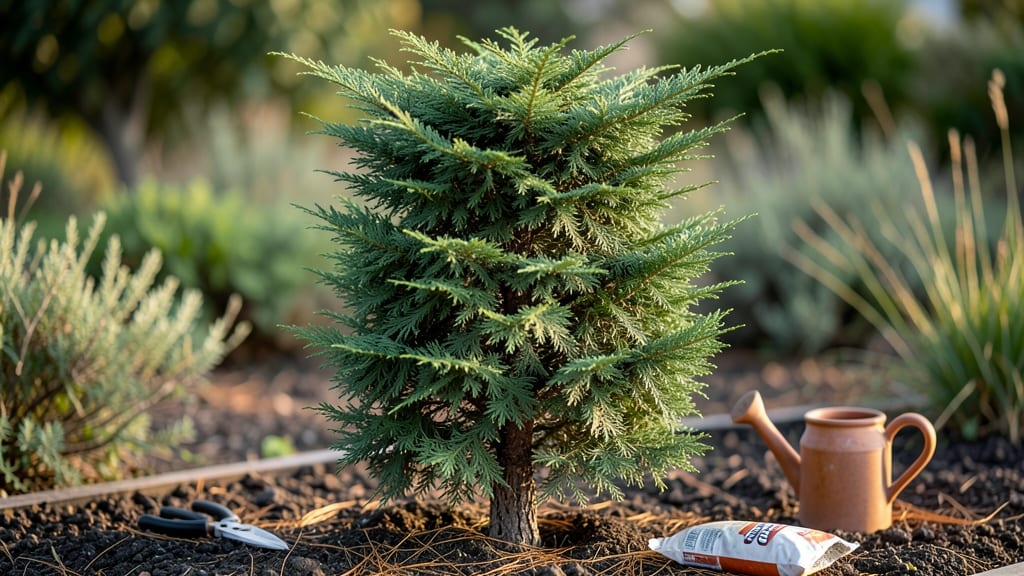
European cypress trees (Cupressus sempervirens) stand like Mediterranean sentinels—tall, slender, and impossibly lush all year. I planted mine five years ago after falling in love with their silver-blue foliage that never wilts, even in winter.
The key to their success lies in mimicking their native climate: full sun, well-draining soil, and zones 7-10 where they thrive without fuss.
Start with a 10-foot spacing between trees to give them room to grow—these aren’t shrubs, they’re architectural statements. Dig a hole twice as wide as the root ball but no deeper, then water deeply to settle the soil.
Spring or early fall are the best times to plant, when temperatures are mild and roots can establish before extreme heat or cold hits.
Once planted, water deeply once a week during the first year to encourage strong root growth, then taper to monthly soakings once established. Prune lightly in late winter to shape the tree, but avoid heavy cuts—cypresses respond best to minimal trimming.
A balanced fertilizer in early spring keeps them vibrant, though they’re not heavy feeders.
Common varieties like 'Tamanu' (columnar) or 'Stricta' (compact) adapt well to urban spaces, offering year-round privacy without the mess of deciduous trees. Watch for spider mites or tip browning—usually a sign of underwatering or poor drainage.
With the right care, your cypress will grow 1-2 feet annually, becoming a living monument in your landscape.
📚 In This Guide
- What you need
- Instructions
- Tips and common mistakes
- Wrapping up and next steps
What you need
- ● European Cypress Tree Sapling: 1 healthy, 3-5 ft tall (whips or balled-and-burlapped for mature trees)
- ● Well-draining soil: Mix 60% native soil with 40% coarse sand or gravel (or use pre-mixed cactus/succulent soil)
- ● Organic mulch: 2-3 inches of pine bark, wood chips, or gravel (avoid organic mulch near the trunk)
- ○ Fertilizer: Slow-release balanced fertilizer (10-10-10) or citrus-specific fertilizer (optional for first year)
- ● Garden trowel or spade (for digging)
- ● Shovel (for amending soil)
- ● Wheelbarrow (for mixing soil amendments)
- ● Gloves (to protect hands)
- ● Watering can or hose with nozzle (for gentle watering)
- ● Measuring tape (to mark planting depth)
- ○ Stakes & twine (optional, for young trees in windy areas)
- ● Sunlight: Full sun (6+ hours daily) or partial shade in hot climates
- ● Spacious site: Minimum 6-10 ft apart for mature trees (or 3-5 ft for hedges)
- ● Drainage test: Ensure no standing water after rain (cypress hates soggy roots!)
- ● Local climate check: Zones 7-10 (hardy to 10°F/-12°C; may need winter protection in colder areas)
Step-by-step guide to planting and maintaining a European cypress tree
Here’s how to establish a striking evergreen that thrives for decades with minimal fuss.
Select the Ideal Planting Location
European cypress trees (Cupressus sempervirens) demand full sun exposure—at least 6-8 hours of direct sunlight daily—to maintain their signature columnar shape and vibrant green foliage. Choose a site with well-draining soil; these trees despise soggy roots, which can lead to root rot or fungal diseases. If your soil is heavy clay, amend it with 2-3 inches of coarse sand or gravel mixed into the top 12 inches of soil before planting.
Consider spacing carefully: mature trees can reach 40-60 feet tall and 10-15 feet wide, so plant them 15-20 feet apart for privacy screens. If you’re using them as a hedge, space them 8-10 feet apart to allow for natural thickening over time. Avoid planting near sidewalks or driveways—those taproots won’t forgive pavement encroachment.
Prepare the Planting Hole and Transplant
Dig a hole twice as wide as the tree’s root ball but no deeper—European cypress trees hate being buried too deep, which can suffocate roots. The top of the root ball should sit 1-2 inches above ground level to prevent water pooling. Gently loosen the roots at the bottom of the root ball with your fingers to encourage outward growth into the surrounding soil.
Place the tree in the hole and backfill with the native soil, tamping lightly every 6 inches to remove air pockets. Water deeply immediately after planting to settle the soil and eliminate gaps. Mulch the base with 2-3 inches of organic mulch (like pine bark or shredded leaves), keeping it 6 inches away from the trunk to prevent moisture buildup that invites rot. This mulch ring also helps regulate soil temperature and retain moisture during dry spells.
Establish Watering and Fertilization Routines
For the first 6-12 months, water your European cypress deeply once a week during dry periods, ensuring the soil is moist 12 inches down. Overwatering is the biggest mistake—these trees are drought-tolerant once established, and soggy conditions will kill them faster than neglect. After the first year, water only when the top 4-6 inches of soil feel dry to the touch, typically every 2-3 weeks unless you’re in a scorching summer.
Fertilize lightly in early spring with a balanced, slow-release fertilizer (10-10-10 or similar) applied at half the recommended rate. Over-fertilizing encourages weak, leggy growth and attracts pests. Skip fertilization entirely if your soil is nutrient-rich. Prune only to shape—never to encourage denser growth, as cypress trees naturally fill in over time. Use clean, sharp pruners to make cuts just above a leaf node to avoid tearing the bark.
Monitor for Pests and Diseases
European cypress trees are generally pest-resistant, but cypress tip moths and aphids can become issues if the tree is stressed. Inspect the tips of branches regularly for brown, dying foliage or silken webbing, which are red flags. Treat infestations early with neem oil or horticultural oil, applied in the early evening to avoid harming beneficial insects. Avoid chemical pesticides—they can harm the tree’s natural defenses and attract more pests.
Watch for cankers (sunken, discolored patches on the bark) or fungal leaf spots, which appear as yellow or brown spots with dark borders. Improve air circulation by pruning overcrowded branches and remove infected foliage immediately. If disease persists, apply a copper-based fungicide as a last resort. Healthy cypress trees, however, rarely succumb to these issues if planted in the right conditions.
Prune for Shape and Health
Prune your European cypress only when necessary—these trees have a natural, elegant form that requires minimal intervention. If shaping is needed, do it in late winter or early spring before new growth begins. Use bypass pruners to make clean cuts just above a leaf node, never cutting into old wood. Avoid heavy pruning, which can stress the tree and lead to dieback. For hedges, trim lightly in early summer to encourage bushier growth, but never shear more than one-third of the foliage in a single season.
Remove any dead, diseased, or crossing branches throughout the year to maintain airflow. Never top the tree—this practice stunts growth and leaves it vulnerable to pests. With proper care, your European cypress will develop a tapered, graceful silhouette that enhances any landscape for decades.
Tips & tricks for perfect European cypress tree planting
These insights will help you avoid common pitfalls and ensure your cypress thrives for decades.
Sunlight Strategy: While the instructions call for 6-8 hours of direct sunlight, I’ve found that morning sun paired with afternoon shade in hot climates actually preserves the vibrant green color longer. If you’re in a region with intense afternoon sun, consider planting on the east side of structures where the tree receives gentle morning light and protection from the harsh afternoon rays. This subtle adjustment can make a noticeable difference in foliage health.
Soil Preparation Insight: The instructions mention amending heavy clay soil with 2-3 inches of coarse sand or gravel, but I’ve learned that adding a handful of perlite or vermiculite to the planting hole creates even better drainage. These materials help prevent compaction around the roots while still allowing water to penetrate. Mix them into the bottom third of the hole before placing the root ball—this creates a natural drainage layer that mimics the tree’s Mediterranean native habitat.
Root Ball Handling: When loosening the roots at the bottom of the root ball, don’t be too aggressive—just enough to encourage outward growth. I’ve seen many gardeners accidentally tear the roots completely free, which can cause transplant shock. A good rule of thumb is to work gently enough that you can still see some of the original root structure intact. This balance between encouragement and preservation is key to successful establishment.
Watering Wisdom: The instructions specify watering deeply once a week for the first 6-12 months, but I’ve found that checking soil moisture with your finger is more reliable than following a schedule. Stick your finger 4-6 inches into the soil—if it feels dry, that’s your cue to water. In containers, the soil dries out faster, so you may need to water every 3-4 days during hot weather. The goal is consistent moisture without saturation, which is where most cypress failures occur.
Pro Tips for European Cypress Tree
- These insights will help you avoid common pitfalls and ensure your cypress thrives for decades.
- Sunlight Strategy: While the instructions call for 6-8 hours of direct sunlight, I’ve found that morning sun paired with afternoon shade in hot climates actually preserves the vibrant green color longer.
- These materials help prevent compaction around the roots while still allowing water to penetrate.
Frequently asked questions
Got questions about the European cypress tree? You’re not alone! Here are answers to the most common queries to help you make the best decisions for your landscape.
How fast does a European cypress tree grow?
A European cypress tree grows at a moderate to fast pace—expect 12 to 24 inches per year under ideal conditions. In the first decade, you’ll see rapid vertical growth (up to 30 feet tall), making it perfect for quick privacy screens. Pro tip: Well-drained soil and full sun accelerate growth, while poor soil or shade slows it down.
Is a European cypress tree hard to maintain?
Not at all! These trees are low-maintenance once established. Prune lightly in late winter to shape the tree or remove dead branches. They’re drought-tolerant once mature but benefit from deep watering during dry spells. Watch for aphids or spider mites—a hose spray usually clears them up. Bonus: Their needle-like foliage sheds less than many other evergreens, reducing cleanup.
Can a European cypress tree be planted near a house?
Yes, but with caution! Plant at least 10 to 15 feet away from structures to avoid root competition and potential foundation issues. Their deep roots seek water, so avoid planting over septic lines or underground utilities. If space is tight, opt for the ‘Tiny Tower’ cultivar, a compact variety that stays under 10 feet tall. Warning: Mature trees can cast dense shade—plan for sun-loving plants nearby.
What are some alternatives to the European cypress tree?
If you love the look but need options, consider these privacy-friendly evergreens:
- Italian Cypress – Narrower and faster-growing, but less cold-hardy.
- Leyland Cypress – Grows very fast (3–4 feet/year) but needs more water.
- Thuja (Arborvitae) – Hardier, broader, and great for hedges.
- Pine Trees (e.g., Austrian Pine) – Taller and more rugged, with textured foliage.
How cold-hardy is the European cypress tree?
These trees thrive in USDA zones 6–9, handling winter temps down to -10°F (-23°C). In colder zones, plant in sheltered spots or mulch heavily to protect roots. Young trees may need winter wraps in harsh climates. Signs of stress: Brown needles in winter (normal) vs. large patches of dead foliage (overwatering or disease).
Wrapping up and next steps
The European cypress tree is a stunning, low-maintenance choice for adding year-round privacy and timeless beauty to your landscape. With its tall, slender silhouette and lush evergreen foliage, it thrives in Mediterranean climates and offers resilience once established.
Whether you're a gardening novice or a seasoned pro, its adaptability makes it a fantastic addition to gardens, hedges, or even as a striking focal point.
Ready to transform your outdoor space? Start by assessing your climate and soil, then visit our planting guide to take the first step toward creating your own private, green sanctuary! 🌿✨