
Pruning
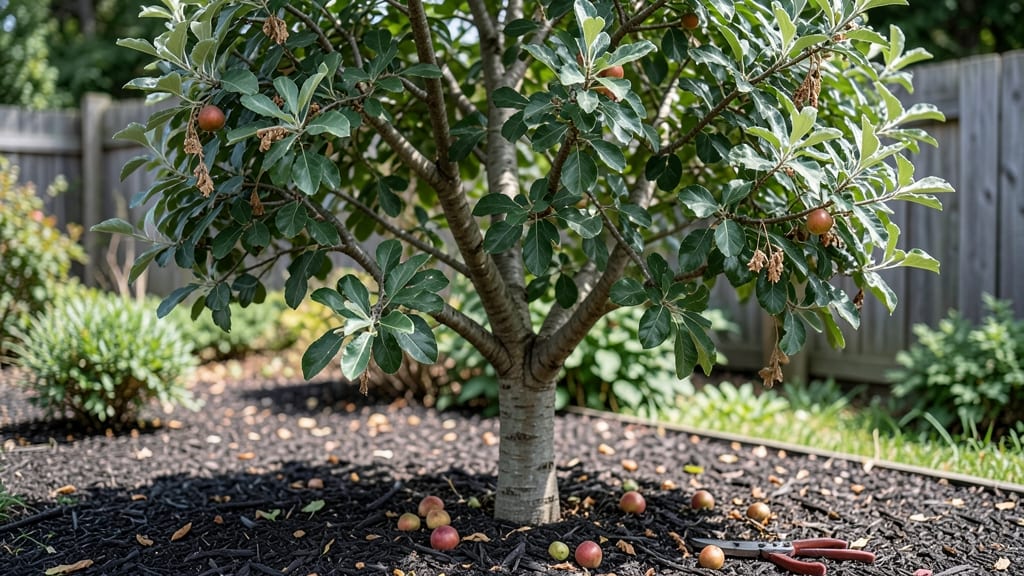
Your crabapple tree’s winter pruning isn’t just about shaping—it’s the foundation for next year’s vibrant blooms and sturdy branches. ✨ I’ve pruned mine every January for five years, and the difference in growth is night-and-day compared to skipping it.
The key? Working while the tree’s dormant but before late-winter pests wake up.
You’ll need sharp pruning shears, a ladder (for higher branches), and a bucket to collect the clippings—no fancy tools, just the basics. Focus on removing dead wood first, then thin out crowded branches to let light reach the center.
This isn’t about perfection; it’s about giving your tree room to breathe and strengthen its structure before spring.
What you’ll end up with is a crabapple that’s less prone to storm damage, produces more flowers, and resists disease better. The pruned branches will heal faster in warmer months, and you’ll notice fewer broken limbs after heavy snow. Plus, you’ll skip the messy spring cleanup of tangled growth.
Works for crabapples in USDA zones 4-8, but adjust timing slightly if you’re in a warmer zone—prune after the coldest snap but before buds swell. Deer browsing? Wrap smaller trees in tree guards after pruning. Let’s get those branches trimmed the right way.
📚 In This Guide
- What you need
- Instructions
- Tips and common mistakes
- Wrapping up and next steps
What you need
- ● Pruning shears: Bypass pruners (sharp, 6–8" blades) for cuts up to ½" thick.
- ● Loppers: Bypass or anvil type (18–24" handles) for branches ½"–2" in diameter.
- ● Pruning saw: Curved-tooth or folding saw for thick branches (2"+ diameter).
- ● Extension pole: 10–12 ft telescoping with saw attachment for high branches.
- ● Work gloves: Heavy-duty, cut-resistant (e.g., Mechanix or similar).
- ● Safety gear: Goggles, long sleeves, and closed-toe shoes (or boots).
- ● Disinfectant: 70% isopropyl alcohol or bleach solution (1 part bleach to 9 parts water) to sterilize tools between cuts.
- ○ Pruning sealant: Optional but helpful (e.g., Tanglefoot Tree Wound Pruning Seal) for large cuts (2"+).
- ● Trash bags or bucket: For collecting debris (1–2 large bags or a 5-gallon bucket).
- ● Ladder (if needed): Sturdy, extendable (24–32 ft) with stabilizers for taller trees.
- ○ Marking twine or flags: Optional for tagging branches to remove (bright-colored twine or small flags).
- ● Weather check: Prune on a dry, calm day (avoid frost or rain within 24 hours).
- ● Tree condition: Confirm the crabapple is fully dormant (late winter/early spring, before buds swell).
- ● Safety first: Clear a 10-ft radius around the tree of tripping hazards.
Step-by-step guide for winter pruning your crabapple tree
Here's how I transform my crabapple's structure each winter—clean cuts mean healthier blooms next spring.
✂️ Step 1: Choose the Right Tools and Timing
Grab your sharp bypass pruners and loppers—dull blades tear bark, inviting disease. I prune in late winter (just before buds swell) when the tree is fully dormant but before new growth starts. This timing prevents stress and lets the tree heal before spring's demands.
Work on dry days between 30-50°F—warmer temps encourage early sap flow, while cold snaps make branches brittle. If you see sap bleeding from cuts, you're pruning too early. Wait until buds show slight swelling but haven't opened yet.
🌿 Step 2: Remove Dead, Diseased, and Crossing Branches First
Start with the easy fixes: cut out any branches that are completely dead (no green bark when scratched) or show fungus signs (black spots, oozing cankers). Make your cuts just outside the branch collar—that swollen area where the branch meets the trunk. This ensures proper healing.
Next tackle crossing branches where limbs rub together. Remove the smaller of the two or the one growing inward. I always step back to check the tree's overall shape—you want an open center that lets light reach the interior branches. Never remove more than 25% of the tree's canopy in one season.
☀️ Step 3: Thin and Shape for Airflow and Light
Now focus on thinning the canopy by removing branches that grow straight up or downward. These create dense areas that trap moisture and block sunlight. Cut these back to a side branch or lateral bud—always at a 45-degree angle sloping away from the bud.
For shaping, I look for branches that spoil the tree's natural form. Remove no more than 1-2 branches per year from the main structure. Leave some smaller branches—they'll develop into future flowering wood. Step back frequently to visualize the tree's silhouette against the sky.
🪴 Step 4: Seal Larger Cuts and Clean Up
For cuts larger than ½ inch in diameter, apply pruning sealant to prevent disease entry. I use a product with benomyl or copper fungicide for extra protection. For smaller cuts, no sealant is needed—the branch collar will naturally seal the wound.
Sterilize your tools between cuts using 70% isopropyl alcohol to prevent spreading disease. Gather all debris and dispose of it in the trash (not compost)—diseased branches can harbor pathogens that survive winter. Finish by giving the base a 3-inch layer of mulch to protect roots from freeze-thaw cycles.
⏰ Step 5: Monitor and Plan for Next Season
Check your work in early spring when new growth appears. Healthy branches should show green buds within 2-3 weeks. If you see no buds on a branch you cut, you may have removed too much flowering wood—next time, leave more smaller branches.
I mark my pruning cuts with a waterproof marker to track which branches I removed each year. This helps me avoid over-pruning the same areas. By next winter, you'll notice stronger branch structure and fewer deadheads—proof your crabapple is ready for another season of stunning blooms.
Tips & tricks for perfect crabapple tree winter pruning
Real talk: I've seen more crabapple trees suffer from over-pruning than you'd believe. These are the lessons I wish I'd known before my first winter pruning session.
Tool Prep Matters: Before you even touch the tree, sharpen your bypass pruners and loppers with a file or sharpening stone. Dull blades crush bark instead of making clean cuts, which is an open invitation for disease. I test my tools by cutting a piece of paper—if it tears, they need sharpening. Also, oil your hinges on loppers to prevent rust during winter storage.
Timing Secret: The late winter window (just before buds swell) is non-negotiable. If you prune too early, sap bleeding will stress the tree. Too late, and you'll encourage early growth that can't survive spring frosts. Here's my trick: Look for buds that are slightly swollen but still closed—like a tiny green pea under the bark. That's your cue to start.
Visual Pruning Guide: When thinning the canopy in Step 3, imagine sunlight streaming through the branches. You want to create a "light tunnel" effect where light reaches all parts of the tree. For stubborn branches, hold a flashlight against the trunk and look for areas where light can't penetrate—that's where you need to make cuts. This method helps you see the tree's structure like never before.
Sealant Strategy: For cuts larger than ½ inch, I use a pruning sealant with benomyl or copper fungicide, but only on the fresh cut surface—not the branch collar. The sealant creates a protective barrier that prevents moisture loss and disease entry. Pro tip: Apply it immediately after cutting while the wound is still fresh. For smaller cuts, skip the sealant entirely—the branch collar will heal naturally.
Pro Tips for Crabapple Tree Winter
- Real talk: I've seen more crabapple trees suffer from over-pruning than you'd believe.
- Tool Prep Matters: Before you even touch the tree, sharpen your bypass pruners and loppers with a file or sharpening stone.
- Timing Secret: The late winter window (just before buds swell) is non-negotiable.
Frequently asked questions
Got questions about winter pruning your crabapple tree? You’re not alone!
Here are the most common concerns—plus expert answers to keep your tree thriving in the off-season.
When is the exact best time to prune a crabapple tree in winter?
Prune your crabapple tree during its dormant season, ideally between late winter (after the worst cold snaps) and early spring, just before buds swell. Aim for February to March in most U.S. zones (Zones 4–8). Avoid pruning too early—frost can stress fresh cuts, and too late risks encouraging new growth that won’t harden off before spring.
Can I prune a crabapple tree in winter if it’s diseased or dead?
Winter is the perfect time to address dead, diseased, or crossing branches. Remove all dead wood first (it won’t regrow). For diseases like fire blight or fungal spots, sterilize tools with rubbing alcohol between cuts. Prune out 2–3 inches below visible infection signs to prevent reinfection. Pro tip: Bag and dispose of infected debris immediately to stop spores from spreading.
Will pruning in winter harm my crabapple tree if it’s too cold?
Not if you time it right! Crabapple trees are hardy, but avoid pruning during extreme cold snaps (below 20°F) or when branches are brittle. Wait for warmer days (above 40°F) to reduce shock. If you must prune in freezing temps, do it on a mild day and avoid heavy pruning—stick to 20–25% of the canopy max to minimize stress.
Can I prune a crabapple tree in winter to encourage more fruit next year?
Yes, but focus on structure over quantity. Prune to open the canopy for sunlight (key for fruit set) and remove water sprouts or overly dense branches. Avoid heavy thinning—crabapples produce fruit on spurs (short branches), so prune lightly to preserve these fruiting sites. For best results, combine winter pruning with summer tip-pruning to boost fruit production.
What’s a good alternative if I can’t prune in winter?
If winter pruning isn’t feasible, late spring (after blooming) is your next best option. However, avoid pruning in fall—it can stimulate tender growth that won’t survive frost. For minimalists, focus on removing only dead/diseased wood in winter and save structural pruning for late spring. Pro tip: Mark branches to prune in winter with flagging tape—this keeps your plan on track!
| Quick Troubleshooting Guide |
|---|
|
Bleeding sap after pruning? Normal in early spring—it won’t harm the tree. Just clean up messes to prevent pests. Branches look “stubby” after cuts? Always make cuts at the branch collar (swollen area where branch meets trunk) for proper healing. Tree looks “top-heavy” post-prune? Reduce weight by removing large limbs in 3 cuts (undercut, then top cut, finish at collar). |
Wrapping up and next steps
Winter is the perfect time to shape your crabapple tree’s future! By pruning during its dormant season, you’re setting the stage for healthier blooms, stronger branches, and a more vibrant canopy—all while minimizing stress on the tree. Remember, the key is patience, precision, and a little seasonal know-how. 🌳✨
Ready to transform your tree into a winter masterpiece? Grab your tools, lace up those boots, and start planning your pruning session. Whether you’re a seasoned gardener or a curious beginner, every cut brings you closer to a thriving crabapple tree come spring!