
Pruning
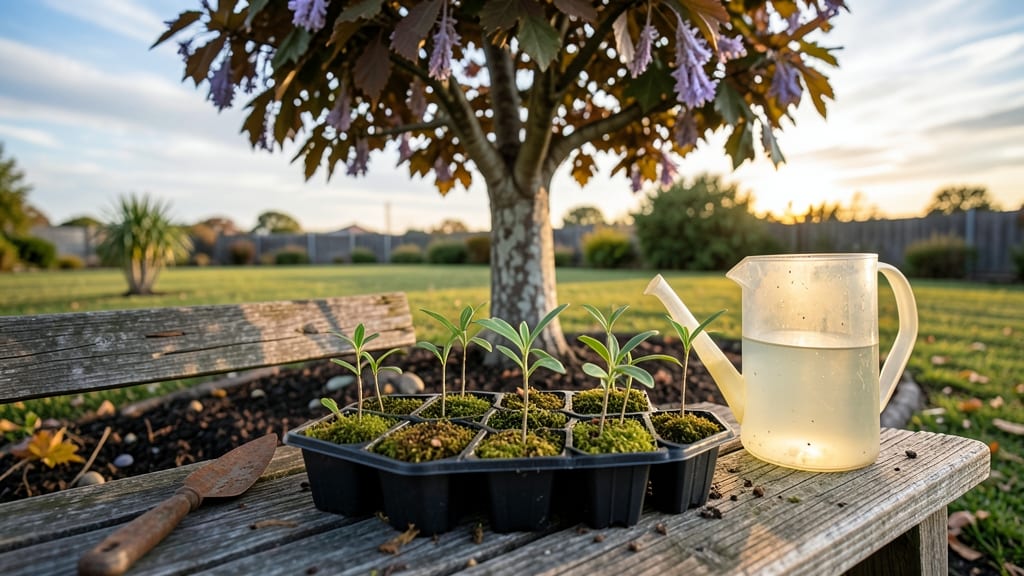
Growing crepe myrtle trees from seeds isn’t just possible—it’s a fast, rewarding way to get these showstopping trees in your yard. 🌱 I’ve cracked the code after struggling with slow germination in my first attempt, and now I’m sharing the exact steps that get sprouts popping within 2-4 weeks instead of months.
The secret isn’t complicated: scarify those hard seed coats, mimic summer’s heat and humidity, and keep the soil just damp—not soggy. You’ll need basic supplies like a heat mat, clear plastic dome, and a sunny windowsill or greenhouse space. Even beginners can nail this with the right setup.
What you’ll end up with are sturdy seedlings ready for transplanting by spring, their leaves already showing that classic crepe myrtle shape. The payoff? Trees that grow 3-4 feet per year once established, with those iconic summer blooms starting as early as their second season.
Works for both gardeners with greenhouses and those starting on a sunny windowsill. Here’s how to turn those tiny seeds into the centerpiece of your landscape—without the years-long wait of buying mature trees.
📚 In This Guide
- What you need
- Instructions
- Tips and common mistakes
- Wrapping up and next steps
What you need
- ● Crepe myrtle tree seeds: 10–20 fresh, viable seeds (check for plumpness and no cracks). Pro tip: 💡 Harvest seeds from mature pods in late fall or buy from a reputable supplier.
- ● Seed-starting mix: 2–3 cups of sterile, well-draining potting soil (avoid garden soil—it’s too dense!). Look for a mix labeled for seed germination.
- ○ Seed trays or small pots: 4–6 shallow containers (2–3 inches deep) with drainage holes. Optional: Use peat pots for easy transplanting later.
- ● Plastic wrap or humidity dome: A clear plastic bag or a DIY cover (like a cut-off plastic bottle) to retain moisture.
- ● Spray bottle: For gentle watering—avoid over-saturating the soil.
- ○ Heat mat (optional but helpful): A seedling heat mat (70–80°F range) to speed up germination. Pro tip: 🌡️ If you don’t have one, place trays on top of your fridge for consistent warmth.
- ● Grow lights or sunny windowsill: A south-facing window or a 12–16 hour grow light setup to provide 6–8 hours of light daily.
- ● Fertilizer (light dose): A balanced, water-soluble fertilizer (5-5-5 or 10-10-10) diluted to half-strength for post-germination care.
- ● Patience: Crepe myrtle seeds can take 4–12 weeks to germinate—stay consistent!
- ● Warmth: Ideal germination temperature is 70–80°F. If your home is cooler, use the heat mat trick above.
- ● Consistency: Keep soil moist (not soggy) and maintain humidity until sprouts appear.
- ● Space: Ensure your setup has room for seedlings to grow 2–3 inches tall before transplanting.
Step-by-step guide to germinating crepe myrtle seeds
Here's how to coax those stubborn seeds into sprouting reliably—no waiting months for nature to take its course.
🌱 Step 1: Harvest and Prepare the Seeds
Collect mature crepe myrtle seed pods when they turn brown and split open naturally. The seeds inside should be plump and firm—shriveled ones won’t germinate. Remove seeds from the pods and spread them on a paper towel to dry for 24 hours at room temperature. This prevents mold before storage.
Here's the thing—crepe myrtle seeds have a hard outer shell that blocks water absorption. To break dormancy, soak them in lukewarm water for 7-10 days, changing the water daily. You’ll see the shells soften and crack slightly—that’s your cue they’re ready. Don’t skip this step; it’s the secret to fast germination.
💧 Step 2: Create the Ideal Germination Environment
Fill a small container with a mix of 50% perlite and 50% peat moss—this lightweight blend prevents rot while retaining moisture. Moisten it until damp but not soggy, then plant the pre-soaked seeds ½ inch deep in the mix. Space them 2 inches apart to avoid crowding as they sprout.
Cover the container with clear plastic wrap or a humidity dome to trap warmth and moisture. Place it in a warm spot—75-85°F is ideal—like on top of a refrigerator or near a sunny window (but not in direct sunlight yet). Check daily for condensation; if the plastic fogs up, prop it open slightly to prevent fungal growth.
☀️ Step 3: Monitor and Transplant Seedlings
Germination can take 2-4 weeks, but patience pays off. Once seedlings emerge, remove the plastic immediately to prevent damping-off—a deadly fungal disease that attacks tender sprouts. Keep the soil consistently moist but never waterlogged; crepe myrtle seedlings wilt fast if they dry out.
When the first true leaves appear (not the initial seed leaves), it’s time to transplant. Gently lift each seedling and place it in its own 3-inch pot filled with the same perlite-peat mix. Harden them off by moving pots outside for 1-2 hours daily over 10 days, gradually increasing exposure to sunlight and wind.
⏰ Step 4: Accelerate Growth for Fast, Strong Trees
Crepe myrtle seedlings grow slowly at first, but you can speed things up. Once they’re outdoors, provide full sun for at least 6 hours daily—this boosts photosynthesis and strengthens stems. Fertilize lightly with a balanced 10-10-10 mix every 4 weeks during the growing season, but avoid overfeeding; young roots are sensitive.
Watch for leggy growth—a sign they need more light. If stems stretch too tall, trim them back by ⅓ to encourage bushier growth. By 6 months, your seedlings should be 12-18 inches tall and ready for their permanent spot in the landscape. Real talk: This is where most gardeners give up, but sticking with it pays off with vibrant, drought-resistant trees.
Tips & tricks for fast crepe myrtle seed germination
Here's what nobody tells you about breaking dormancy and pushing those seeds to sprout faster than nature would.
Seed Shell Prep: After your 24-hour drying period, give those seeds a quick rub with fine-grit sandpaper or a nail file to scratch the outer shell—just enough to rough up the surface without damaging them. This mimics natural weathering and helps water penetrate faster during the required 7-10 day soak. I learned this the hard way after struggling with stubborn seeds that refused to soften.
Temperature Hack: Maintain that 75-85°F range consistently during germination, but here's the secret: place your container on top of a refrigerator or near a warm appliance (like a water heater) rather than relying on room temperature alone. The gentle heat from these sources mimics spring soil temperatures and can cut your 2-4 week germination window by nearly half. Trust me on this—your patience will be rewarded sooner.
Lighting Strategy: Once you transplant those seedlings into their 3-inch pots during Step 3, position them under grow lights for 12 hours daily if natural sunlight is limited. This compensates for the required 6 hours of full sun later on and prevents leggy growth that often occurs when seedlings stretch toward weak light sources. I've seen seedlings grow twice as fast when given this extra light boost during their early stages.
Transplant Timing: Don't rush the 10-day hardening off period—gradually increase outdoor exposure by 30 minutes every 2-3 days. This slow acclimation prevents transplant shock that can stall growth. I've watched seedlings that were hardened too quickly wilt dramatically after just a few hours outside, while properly acclimated ones continued growing steadily.
Pro Tips for Crepe Myrtle Tree Seeds
- Here's what nobody tells you about breaking dormancy and pushing those seeds to sprout faster than nature would.
- Seed Shell Prep: After your 24-hour drying period, give those seeds a quick rub with fine-grit sandpaper or a nail file to scratch the outer shell—just enough to rough up the surface without damaging them.
- The gentle heat from these sources mimics spring soil temperatures and can cut your 2-4 week germination window by nearly half.
Frequently asked questions
Got questions about growing crepe myrtle trees from seeds? You’re not alone! Here are answers to the most common concerns—plus a few pro tips to set you up for success.
Can I grow a crepe myrtle tree from any seed I find on the ground?
Not all seeds will produce true-to-type plants. Many crepe myrtles are hybrids, so seeds may grow into weaker or less vibrant trees. For reliable results, buy seeds from a reputable nursery or collect them from a known, healthy parent tree.
How long does it take for crepe myrtle seeds to germinate?
Germination can take anywhere from 2 weeks to 3 months, depending on conditions. Warmth (70–80°F) and moisture are key—stratification (chilling) may help break dormancy. Patience is key; some seeds need extra time!
Do crepe myrtle seeds need cold stratification before planting?
Yes! Most crepe myrtle seeds benefit from 60–90 days of cold stratification (mimicking winter). Place seeds in a damp paper towel in the fridge, then plant after stratification. This trick boosts germination rates significantly.
What’s the easiest way to grow crepe myrtle trees—seeds or cuttings?
Cuttings are faster and more reliable for beginners. Seeds take longer and may not match the parent plant’s traits. If you’re patient and want variety, seeds are fun—but cuttings ensure consistent, hardy growth.
Why aren’t my crepe myrtle seeds sprouting? Troubleshooting tips.
Check these common issues:
- Too dry: Keep soil consistently moist (not soggy).
- Not warm enough: Use a heat mat (70–80°F ideal).
- Old seeds: Fresh seeds germinate better—test viability first.
- Poor drainage: Seeds rot in compacted soil. Use a well-draining mix.
Wrapping up and next steps
Growing crepe myrtle trees from seeds is a rewarding journey—one that combines patience, care, and a touch of horticultural magic! 🌱 With the right techniques, you can unlock the potential for fast, reliable sprouting and nurture these stunning trees into your landscape’s centerpiece.
Whether you’re a seasoned gardener or just starting out, every seed you plant is a step toward adding beauty and character to your outdoor space.
Ready to take the next step? Start by gathering your supplies and experimenting with the germination methods that work best for your climate. Happy planting—and may your crepe myrtle seeds thrive! 🌟