
Blooming
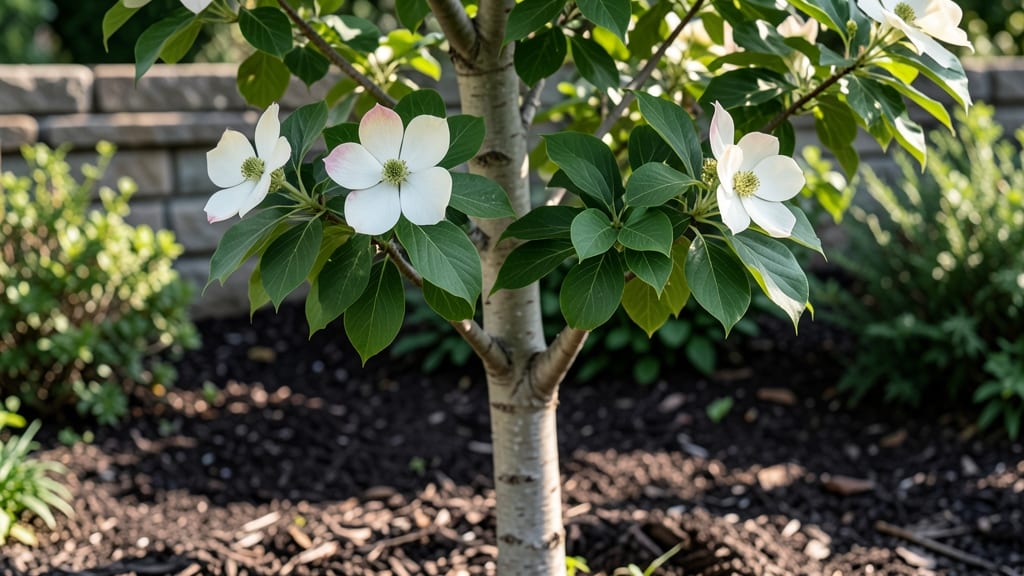
Dogwood tree blossoms turn your spring garden into a dreamy pink canopy that neighbors will envy. 🌸 I remember the first time I saw one in full bloom—it felt like a secret garden had opened up right in my backyard, with those delicate petals catching the morning light like scattered confetti.
These trees aren’t just pretty—they’re the stars of early spring, blooming before most other shade trees even think about waking up. Pair them with bleeding hearts for a romantic understory or ferns to soften their base, and you’ve got a scene straight out of a storybook.
The fragrance alone makes them worth planting.
Imagine stepping outside in April to find your yard filled with soft pink stars that glow against fresh green leaves. Dogwoods create instant focal points, whether planted solo as a statement tree or grouped along a border to frame your home.
Their seasonal timing means you’ll have color when most gardens are still bare.
The best part? They keep getting better—after the blossoms fade, the foliage turns rich green, and in fall, some varieties even sport burnished red leaves. A single dogwood transforms a plain yard into a living work of art that changes with each season.
📚 In This Guide
- What you need
- Instructions
- Tips and common mistakes
- Wrapping up and next steps
What you need
- ● Dogwood tree saplings: 1–3 (native species like Cornus florida or Cornus kousa, depending on your climate zone). Choose healthy, disease-free plants with well-developed root systems.
- ● Well-draining soil: Mix of native soil, compost (2–3 parts), and perlite or sand (1 part) for optimal aeration.
- ● Organic mulch: 2–3 inches of shredded bark, pine straw, or wood chips to retain moisture and suppress weeds.
- ● Slow-release fertilizer: 10-10-10 or a balanced organic option (e.g., fish emulsion) for early spring and fall feedings.
- ● Watering can or hose: With a gentle spray nozzle for even moisture distribution.
- ● Pruning shears: Sharp, clean pair (sterilize with rubbing alcohol between cuts).
- ○ Tripod & DSLR/mirrorless camera: For capturing macro shots of blossoms (optional: macro lens for up-close details).
- ● Floral wire or twine: Thin gauge (18–20) for arranging cut blossoms or creating wreaths.
- ● Scissors or floral shears: For harvesting stems without damaging the tree.
- ● Preservation spray (glycerin-based):strong> To extend the life of cut dogwood blooms in arrangements.
- ● Gloves: Lightweight gardening gloves to protect hands while handling thorns or sap.
- ● Sunlight: Partial shade to full sun (6+ hours/day for southern climates; morning sun preferred in hot zones).
- ● Climate zone: USDA Zones 5–9 (adjust watering based on heat/drought conditions).
- ● Patience: Dogwoods take 3–5 years to bloom after planting—plan ahead for long-term rewards!
- ● Pest awareness: Monitor for borers, powdery mildew, or Japanese beetles (neem oil or insecticidal soap can help).
How to care for dogwood blossoms this spring
Watch your tree transform into a fragrant pink masterpiece with these simple seasonal steps.
🌱 Step 1: Prune Last Year's Growth After Blooms Fade
Once the pink stars have fallen (usually by late May), grab your pruning shears and remove any dead, crossing, or diseased branches first. I always start with the obvious—they're the easiest to spot and remove. Cut just outside the branch collar where the branch meets the trunk to prevent unsightly stubs.
Next, thin the canopy by removing about 25% of the oldest branches—these are the ones that grew in previous years and are now on the outer edges. This opens the center for better air circulation and sunlight, which your tree will thank you for when new blooms form next spring. Avoid heavy pruning now; you want to preserve the tree's energy for next year's flowers.
☀️ Step 2: Feed and Mulch for Next Year's Blooms
Spread a 2-3 inch layer of organic mulch (like shredded bark or wood chips) around the base of the tree, keeping it 6 inches away from the trunk. This protects roots from temperature swings and retains moisture. I like to water it in lightly after spreading to help it settle and make contact with the soil.
In early June, apply a balanced, slow-release fertilizer (10-10-10 ratio) around the drip line—this is where the tree's roots spread outward. Use about 1 pound of fertilizer per inch of trunk diameter. Water the area thoroughly after applying to help the nutrients reach the roots. This feeding period gives your dogwood the nutrients it needs to build next year's flower buds.
💧 Step 3: Water Deeply During Dry Spells
Dogwoods are drought-tolerant once established, but they still need consistent moisture during dry periods. Water deeply once a week during dry spells, aiming for 1-2 gallons per inch of trunk diameter. You'll know you've watered enough when the soil 6 inches down feels moist—stick your finger in to check.
Here's the thing—dogwoods hate soggy roots. If your area gets heavy rainfall, make sure the soil around the base drains well. If water pools around the trunk, amend the soil with compost to improve drainage. Avoid overhead watering during the hottest part of the day to prevent fungal issues on the leaves.
✂️ Step 4: Monitor for Pests and Diseases Early
Keep an eye out for dogwood borers (tiny holes in the bark) and powdery mildew (white fuzzy spots on leaves) starting in early summer. If you spot any signs, act fast. For borers, inject a systemic insecticide into the holes and seal them with pruning paste. For mildew, apply a copper fungicide according to package instructions.
I always give my dogwoods a preventive spray of neem oil in late spring to deter pests before they become a problem. This is especially important if your tree is near other plants that might harbor insects. Healthy foliage means stronger blooms next spring—don't skip this step if you want those signature pink stars to return.
⏰ Step 5: Prepare for Winter Dormancy
As temperatures drop below 40°F at night, your dogwood will start preparing for dormancy. Reduce watering gradually in late fall, giving the tree a chance to harden off. Stop fertilizing completely by mid-October—this gives the roots time to adjust without encouraging late-season growth that could be damaged by frost.
Add a 3-4 inch layer of mulch in late fall to insulate the roots. This helps protect against freezing and thawing cycles that can damage shallow roots. If you live in a particularly cold climate, consider wrapping the trunk with tree guard for extra protection from winter sunscald. Your efforts now will pay off with vibrant blooms next spring.
Tips & tricks for perfect dogwood tree blossoms
These simple tricks will help you nurture your dogwood tree into a fragrant springtime showstopper.
Pruning Precision: When you're thinning the canopy in Step 1, focus on removing branches that cross or rub against each other. These create wounds that can invite disease. I also recommend making your cuts at a slight angle just outside the branch collar—this helps water run off and prevents rot. The 25% rule for oldest branches is perfect for maintaining that beautiful open center while preserving the tree's energy for next year's blooms.
Mulch Mastery: For the 2-3 inch layer of mulch in Step 2, I've found that shredded hardwood bark works best—it breaks down slowly and improves soil structure over time. Keep that mulch 6 inches away from the trunk to prevent moisture buildup that could cause rot. After spreading, give it a light watering to help it settle against the soil, which creates better insulation for those shallow roots.
Watering Wisdom: That 1-2 gallon per inch of trunk diameter guideline in Step 3 is spot-on, but here's the thing: the soil should feel moist 6 inches down, not just at the surface. I use a screwdriver to check—if it slides in easily, you're good. If it's dry, give it another gallon. This deep watering encourages roots to grow downward where they'll find more stable moisture during dry spells.
Pest Prevention: In Step 4, that neem oil spray is your secret weapon. I mix it with water (1 tablespoon per quart) and apply it in the early morning when pests are most active. The key is consistency—spray every 2 weeks throughout late spring and early summer. This preventive approach keeps those dogwood borers and powdery mildew at bay before they become real problems.
Pro Tips for Dogwood Tree Blossoms
- These simple tricks will help you nurture your dogwood tree into a fragrant springtime showstopper.
- Pruning Precision: When you're thinning the canopy in Step 1, focus on removing branches that cross or rub against each other.
- Mulch Mastery: For the 2-3 inch layer of mulch in Step 2, I've found that shredded hardwood bark works best—it breaks down slowly and improves soil structure over time.
Frequently asked questions
Got questions about dogwood tree blossoms? You’re not alone! Here are answers to the most common queries—from timing to care tips—so you can make the most of these stunning spring stars.
When do dogwood trees typically bloom?
Dogwood blossoms usually appear in late winter to early spring, often between March and May, depending on your climate. Southern varieties bloom earlier (February–March), while northern trees may wait until April. Cool nights and warm days trigger flowering—so keep an eye on your local frost dates!
How long do dogwood flowers last?
The vibrant blooms last 2–4 weeks, but some varieties (like Cornus florida) may linger slightly longer with proper care. For extended enjoyment, plant near a sunny window or patio to showcase their beauty. Pro tip: Deadhead spent blooms to encourage a second flush in some cultivars!
Are dogwood flowers toxic to pets or humans?
Yes! All parts of the dogwood tree—leaves, bark, and berries—contain cyanogenic glycosides, which can be toxic if ingested in large amounts. While the flowers themselves are low-risk, keep pets (and curious kids) away from fallen berries or chewed branches. Symptoms may include vomiting or lethargy—contact a vet if concerned.
Can I grow dogwood trees in containers?
Dwarf varieties like ‘Rutledge’ or ‘Cherokee Brave’ thrive in 15–20 gallon containers with well-draining soil. Use a large pot with drainage holes and repot every 2–3 years. Key tip: Place containers in partial shade and water deeply when the top inch of soil dries out.
Why aren’t my dogwood flowers opening?
Several factors can delay blooms:
- Improper pruning: Avoid cutting back in late winter—prune right after flowering.
- Too much shade: Dogwoods need 4–6 hours of sunlight daily.
- Over-fertilizing: Too much nitrogen = leafy growth, fewer flowers.
- Stress: Check for pests (like dogwood borers) or root rot.
Wrapping up and next steps
Dogwood tree blossoms bring a burst of magical spring beauty to any landscape, gracing gardens with their delicate pink stars and intoxicating fragrance. Whether you’re admiring them in the wild, cultivating your own, or simply soaking in their seasonal charm, these blooms remind us of nature’s quiet elegance. 🌸
Now that you’re inspired, why not take the next step? Plant a dogwood tree in your yard, share photos of your favorite blooms with fellow gardeners, or even gift a cutting to a friend. Every blossom is a celebration—let yours shine! 🌿