
Pruning
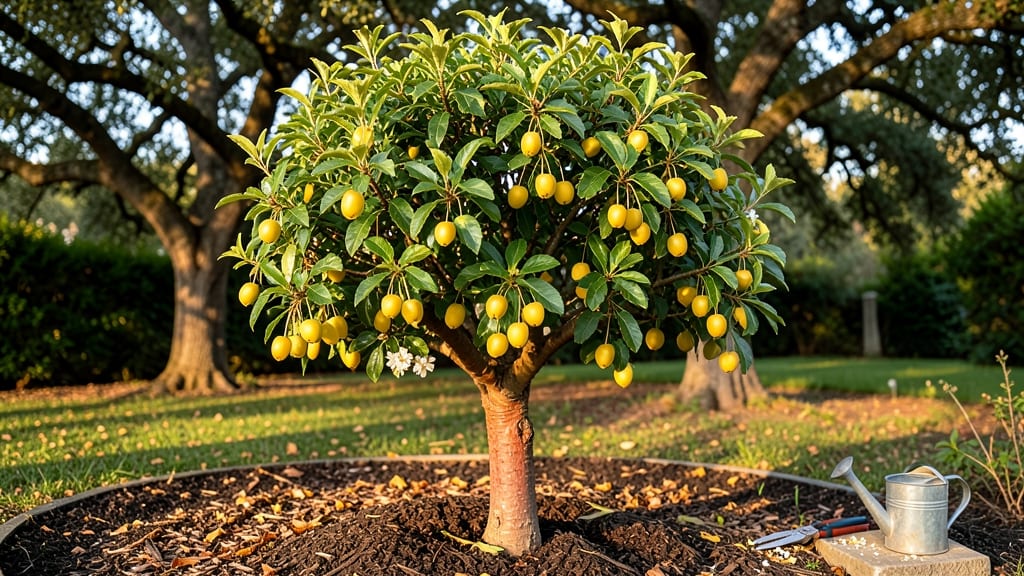
The Early Golden plum tree delivers sweet, juicy fruit that ripens weeks ahead of most varieties—if you prune it right. 🌟 I learned the hard way when my first tree produced tiny, bitter plums because I missed the key winter pruning window.
The difference between a handful of fruit and buckets of golden plums comes down to timing, cuts, and understanding how this vigorous tree grows.
This tree thrives in full sun and well-drained soil, but its real secret is structured pruning that balances air flow, sunlight, and fruit production. You’ll need sharp pruners, a ladder (for mature branches), and a clear plan for winter, summer, and post-harvest maintenance.
The payoff? Trees that bear fruit reliably from year two onward with minimal effort after the first season.
By summer’s end, you’ll see branches heavy with bright yellow-gold fruit that’s sweeter than store-bought plums. The tree’s open growth habit makes pruning easier than with dense varieties, and proper cuts prevent disease while encouraging next year’s crop.
Even experienced gardeners find this tree’s pruning needs surprisingly straightforward once they know the tricks.
Works in USDA zones 5-9, though southern growers should focus on winter pruning to avoid summer stress. The same principles apply whether you’re shaping a young tree or revitalizing an overgrown specimen. Let’s get those branches in shape for a harvest that’ll make your neighbors jealous.
📚 In This Guide
- What you need
- Instructions
- Tips and common mistakes
- Wrapping up and next steps
What you need
- ○ Pruning shears: Bypass pruners (sharp, clean, and capable of cutting ¼-inch branches). Optional: Loppers (for thicker branches, ½-inch to 1-inch diameter).
- ● Pruning saw: Curved-tooth saw for branches over 1-inch thick.
- ● Disinfectant: 70% isopropyl alcohol or bleach solution (1 part bleach to 9 parts water) to sterilize tools between cuts.
- ● Gloves: Heavy-duty gardening gloves (cut-resistant for protection).
- ○ Tree wound sealant: Optional but recommended for larger cuts (e.g., Tanglefoot Tree Wound Pruning Sealer).
- ● 5-gallon bucket: For collecting pruned branches and debris.
- ● Notebook & pen: To jot down notes on cuts, branch angles, or future pruning plans.
- ● Weather check: Prune on a dry, overcast day (avoid extreme heat or frost).
- ● Safety gear: Safety glasses (if dealing with large branches).
- ● Tree health assessment: Inspect the tree for diseases (e.g., brown rot) or pests before pruning. Treat issues first if needed.
- ● Extension ladder (if needed): For taller trees, use a stable, non-slip ladder (ensure it’s rated for your weight + tools).
Step-by-step pruning guide for your early golden plum tree
Mastering these cuts transforms your tree from a tangle to a fruit-bearing powerhouse.
✂️ Step 1: Time Your First Cut in Late Winter
Prune your Early Golden Plum Tree in late winter or early spring—just as buds begin to swell but before new growth starts. This timing ensures you remove last year's dead wood while leaving dormant buds intact. I always check for tight, plump buds along branches; these indicate readiness. Avoid pruning after new growth appears, as open wounds invite disease.
Use clean, sharp pruning shears to make 45-degree cuts just above a bud or branch collar. Never leave stubs—they rot and weaken the tree. Start by removing dead, diseased, or crossing branches first. These are easy to spot: dead branches snap when bent, while diseased ones show blackened cankers or oozing sap. Crossing branches compete for energy and should go immediately.
🌿 Step 2: Open the Canopy for Sun and Airflow
Next, focus on thinning the canopy to improve sunlight penetration and airflow. Aim to remove 20-30% of the tree's total branches, prioritizing those growing inward or downward. Your goal is to create an open, vase-like shape that lets light reach the center. I like to visualize the tree as an umbrella—remove the spokes that would block the "handle" from getting light.
Look for suckers (vigorous shoots at the base) and water sprouts (fast-growing vertical shoots). These steal energy from fruit production. Cut these back to ½-inch above a lateral bud using your pruners. Avoid topping the tree—this creates unsightly stubs and encourages weak growth. Instead, prune back to a strong lateral branch or bud.
☀️ Step 3: Summer Pruning for Fruit Development
After the initial spring pruning, switch to light maintenance cuts in early summer once fruit has set. This is when you thin out overcrowded fruit clusters to improve size and quality. Leave 6-8 inches between remaining plums—this ensures each fruit gets enough nutrients. I use my fingers to gently twist off excess fruit at the stem; avoid cutting, which can damage the branch.
Remove any shoots growing from the trunk or main branches that aren’t part of your desired framework. These often appear after heavy fruiting and compete with established branches. Prune these back to the point of origin. Summer is also the time to shape new growth—pinch back the tips of vigorous shoots to encourage bushier growth and more fruit-bearing spurs.
⏰ Step 4: Final Adjustments in Early Fall
In early fall, do a final light pruning to remove any dead wood, diseased branches, or fruit mummies (dried-up plums from last season). These can harbor pests and diseases over winter. Cut back any shoots that grew too vigorously during summer, focusing on maintaining your tree’s open center. This last pruning helps the tree harden off for winter while keeping its structure clean.
Apply a 1-inch layer of mulch around the base (but not touching the trunk) to protect roots from temperature swings. I like to use wood chips because they break down slowly and improve soil structure over time. Avoid heavy pruning now—you want the tree to enter dormancy with minimal stress. By next spring, your Early Golden Plum Tree will reward you with bountiful, high-quality fruit and a strong framework for years to come.
Tips & tricks for perfect early golden plum tree pruning
Transforming your Early Golden Plum Tree into a productive fruit machine takes more than just cutting branches—it's about strategic pruning that builds a strong framework for years to come.
Timing is Everything: The late winter/early spring window is critical because it targets dormant buds while avoiding new growth. I've learned this the hard way—pruning too early can leave your tree vulnerable to cold damage, while waiting too long risks spreading disease through open wounds. Look for those tight, plump buds as your signal to begin, and always prune before buds begin to swell. This timing ensures you're removing last year's dead wood without disturbing the tree's energy reserves for the upcoming growing season.
Precision Cutting Technique: That 45-degree angle above the bud isn't just aesthetic—it's essential for proper healing. I use my pruners to make clean cuts that leave a small collar of tissue at the base of the branch. This collar prevents water from pooling and rotting the wound. For larger branches, I make the initial cut slightly away from the branch collar, then follow through with a second cut to avoid tearing the bark. Always sterilize your tools between cuts with rubbing alcohol to prevent spreading disease between branches.
Canopy Architecture Matters: Creating that open vase shape isn't just about looks—it's about maximizing fruit production. When I thin branches to remove 20-30% of the total, I'm not just making the tree look better; I'm ensuring sunlight reaches the center where most fruit develops. I visualize the tree as an umbrella, removing the spokes that would block light from reaching the "handle" (the center). This simple visualization has helped me consistently create better air circulation and reduce disease pressure in my own plum trees.
Seasonal Maintenance Strategy: The summer thinning of fruit clusters might seem counterintuitive, but those 6-8 inches between plums make all the difference. I've found that when fruit has space to grow, each plum develops better color and sweetness. The key is to do this gently—twisting fruit off at the stem rather than cutting prevents damage to the branch. This light maintenance in summer, combined with the more aggressive winter pruning, creates a balanced approach that gives you fruit year after year without overstressing the tree.
Pro Tips for Early Golden Plum Tree
- Transforming your Early Golden Plum Tree into a productive fruit machine takes more than just cutting branches—it's about strategic pruning that builds a strong framework for years to come.
- Timing is Everything: The late winter/early spring window is critical because it targets dormant buds while avoiding new growth.
- Precision Cutting Technique: That 45-degree angle above the bud isn't just aesthetic—it's essential for proper healing.
Frequently asked questions
When is the best time to prune an Early Golden Plum Tree?
The ideal time is late winter or early spring (before buds swell but after the worst cold snaps). This timing promotes vigorous growth and fruit production. Avoid pruning in fall—it can leave wounds vulnerable to disease. For light shaping, summer pruning is fine, but avoid heavy cuts then.
How much can I prune off without harming the tree?
For young trees, remove up to 25-30% of the canopy to encourage branching. Mature trees can handle 10-20% per year. Never remove more than 25% total in one season—this stresses the tree and reduces fruit yield. Focus on open-center shaping to maximize sunlight and air flow.
What do I do if my plum tree isn’t fruiting after pruning?
Check these first:
- Age: Young trees (under 3 years) need patience—they prioritize root/leaf growth.
- Light: Ensure it gets 6+ hours of sun daily (plums are sun-worshippers!).
- Fertilizer: Test soil for nitrogen, phosphorus, and potassium—plums thrive with balanced NPK (e.g., 10-10-10).
- Pollination: If you have only one tree, consider planting a second Early Golden or a compatible variety nearby.
Can I prune an Early Golden Plum Tree in fall? Why or why not?
Pruning in fall (especially late fall) is risky because:
- Wounds take longer to heal, inviting bacterial canker or fungal infections.
- New growth may not harden off before winter, damaging tender shoots.
What’s a good alternative if I don’t want to deal with pruning?
If pruning feels overwhelming, try these low-maintenance options:
- Dwarf varieties: Like ‘Golden Rain’ or ‘Methley’ plums—smaller trees need less pruning.
- Espalier training: Grow the tree flat against a fence/wall for easier access and minimal shaping.
- Container growing: Plums like Early Golden can thrive in large pots (15+ gallons) with annual pruning.
- Hire a pro: Local arborists specializing in fruit trees can prune for you (costs ~$50–$150 per session).
Wrapping up and next steps
Growing an early golden plum tree with a bountiful harvest is absolutely within reach—with the right pruning strategies and a little patience!
By mastering the art of seasonal shaping, deadwood removal, and strategic cuts, you’ll encourage healthier growth, better fruit production, and a tree that thrives year after year. 🌱
Now that you’re armed with the pruning blueprint, roll up your sleeves and give your tree the care it deserves. Start small—maybe with just one session this season—and watch your golden plum harvest flourish like never before! Ready to transform your orchard? Grab your tools and get pruning! 🌟