
Pruning
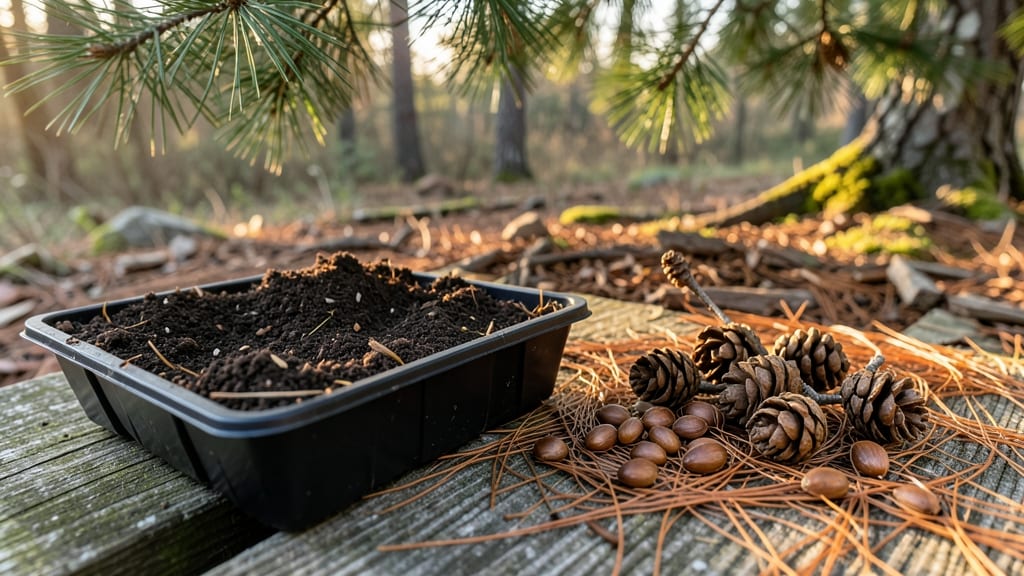
Growing evergreen trees from seeds feels like unlocking a secret garden—especially when you're chasing those fast sprouts that defy the usual slow pace of conifers. ✨ I've learned the hard way that patience isn't the only key; cold stratification and the right soil mix are what turn stubborn seeds into thriving saplings.
The trick isn't just planting; it's tricking nature into thinking winter already happened.
Most evergreen seeds need a cold, moist period before they'll even think about sprouting. Think of it like a winter nap—pine, spruce, and fir seeds all demand this chilly prep, whether you use your fridge or a snowbank.
You'll also need well-draining soil (no soggy bottoms!) and a warm spot to coax those first green needles. The right setup turns a 6-month wait into a 3-4 month race to the first true leaves.
What you end up with isn't just any seedling—it's a cold-hardy tree that'll outperform nursery plants. Picture dark green needles by late spring, roots digging deep for water, and a plant that actually thrives in your zone.
The secret? Mimicking nature's timing while giving seeds the jumpstart they crave. Now let's get those seeds ready to break dormancy.
This works for pines, spruces, and firs, though some species (like Douglas fir) are easier than others. If you're in Zone 4-7, the same tricks apply—just adjust your outdoor planting window.
The payoff? Trees that grow 30% faster than store-bought seedlings because they've already been through their winter training. Ready to try it?
📚 In This Guide
- What you need
- Instructions
- Tips and common mistakes
- Wrapping up and next steps
What you need
- ● Evergreen tree seeds: Choose cold-hardy varieties like Picea (spruce), Abies (fir), or Pinus (pine). Aim for 50–100 seeds to maximize success.
- ● Seed-starting mix: A well-draining, sterile mix (e.g., 50% peat moss, 30% perlite, 20% vermiculite). Use 2–3 gallons depending on container size.
- ● Containers: Seed trays with drainage holes (10–12 inches deep) or small pots (3–4 inches in diameter). 10–20 containers for batch planting.
- ● Plastic wrap or humidity dome: To retain moisture during germination (e.g., a clear plastic lid or saran wrap).
- ● Spray bottle: With water for gentle misting (16 oz capacity recommended).
- ● Grow lights or sunny windowsill: A full-spectrum LED grow light (12–16 hours/day) or a south-facing window with indirect light.
- ○ Heat mat (optional but helpful): A seedling heat mat (70–75°F) to speed up germination in cooler climates.
- ● Stratification supplies: If seeds require cold treatment, use a refrigerator (34–40°F) for 4–12 weeks with a moist paper towel.
- ● pH test kit: To ensure your soil mix is slightly acidic (pH 5.5–6.5)—ideal for evergreens.
- ● Fertilizer (low-dose): A balanced 10-10-10 or fish emulsion (diluted to ½ strength) for early growth.
- ● Labeling tags: To track seed types and planting dates (waterproof markers work best!).
- ● Transplanting tools: Small trowel (2–3 inches wide) and biodegradable pots for easy relocation.
Step-by-Step guide to germinating evergreen tree seeds
Here’s how I speed up germination for tough evergreen seeds—no waiting months for stubborn sprouts.
🌱 Step 1: Pre-Treat Seeds for Cold Stratification
Most evergreens need a cold period to break dormancy. Place your seeds in a sealed plastic bag with a damp paper towel—just enough moisture to feel slightly damp, not soggy. I like to add a handful of moistened peat moss to the bag for extra humidity. Seal it tightly and refrigerate for 4-8 weeks at 34-40°F. This mimics winter conditions and tricks seeds into thinking spring has arrived.
Check the bag weekly—if the towel dries out, spritz it lightly with water. You’ll know stratification worked when the seeds show a tiny root or crack in the shell. Real talk: some seeds take longer, so don’t rush this step. Patience here means faster growth later.
⏰ Step 2: Sow Pre-Treated Seeds in Warm Soil
After cold treatment, fill 4-inch pots with sterile seed-starting mix (never garden soil—it’s too dense). Moisten the mix until it’s damp but not dripping, then plant seeds ¼ inch deep. I tap the seed packet gently to release one seed at a time—planting too many in one hole leads to weak, crowded seedlings.
Cover the pots with clear plastic wrap to retain warmth and humidity. Place them in a warm spot (65-75°F) like on top of a refrigerator or near a sunny window. You’ll see the first signs of life in 2-6 weeks, depending on the species. Watch for the seed coat to split or a tiny green shoot to push through.
☀️ Step 3: Provide Bright, Indirect Light
Once sprouts emerge, remove the plastic wrap immediately—trapped humidity invites damping-off disease. Move the pots to a bright, indirect light spot, like a south-facing window with sheer curtains. If your seedlings stretch toward the light (leggy growth), they need more intensity. A grow light set 4-6 inches above the plants will fix this fast.
Water gently from the bottom of the pot—just enough to keep the soil evenly moist. You’ll know moisture is right when the soil surface looks slightly damp but not glistening. Overwatering now will rot those delicate roots before they get a chance to strengthen.
🌿 Step 4: Harden Off Seedlings Before Transplanting
After 4-6 weeks, when seedlings have 2-3 sets of true leaves, it’s time to harden them off. Start by placing them outside in a sheltered, shaded spot for 1-2 hours the first day. Gradually increase outdoor time by 1 hour daily over 10-14 days, slowly introducing more sun and wind.
This step is non-negotiable—skipping it burns leaves and breaks stems. You’ll see the seedlings toughen up as they develop a deeper green color and stronger stems. Once they tolerate a full day outside without wilting, they’re ready for their permanent home in the garden.
Tips & tricks for perfect evergreen tree seed germination
Here's what I learned after struggling with slow-growing evergreen sprouts for years.
Cold Stratification Precision: For the 4-8 week cold treatment in Step 1, I use a small refrigerator drawer set to exactly 36°F—right in the middle of the 34-40°F range. This consistent temperature is critical because even small variations can delay germination. Place a thermometer inside the bag to monitor conditions, especially if your fridge has hot spots. Some seeds may show signs of root growth after just 4 weeks, while others need the full 8 weeks—don't be surprised if your batch varies.
Soil Moisture Secret: In Step 2, the "damp but not dripping" soil consistency is everything. I test moisture by squeezing a handful—it should feel like a wrung-out sponge. Too much moisture creates anaerobic conditions that prevent sprouting, while too little prevents the seed from absorbing water. For extra insurance, I place the pots on a tray with a thin layer of water to maintain consistent moisture without overwatering.
Lighting Troubleshooting: When you notice leggy seedlings in Step 3, it's a clear sign they need more light intensity. If you don't have a grow light, try moving pots to different windows throughout the day to maximize exposure. I've had success with fluorescent shop lights placed 8-10 inches above seedlings—just make sure they stay on for 14-16 hours daily. The goal is to prevent that "reaching" growth while still avoiding direct sun that can scorch tender leaves.
Harden Off Gradually: The 1-2 hour daily increase in Step 4 is crucial for acclimating seedlings. I start with just 30 minutes on day one, then add 30 minutes each subsequent day. This gradual approach helps prevent transplant shock. Watch for signs of stress like wilting or yellowing—these indicate you're moving too fast. Once seedlings can handle 6-8 hours outside without issues, they're ready for their permanent location.
Pro Tips for Evergreen Tree Seeds
- Here's what I learned after struggling with slow-growing evergreen sprouts for years.
- Cold Stratification Precision: For the 4-8 week cold treatment in Step 1, I use a small refrigerator drawer set to exactly 36°F—right in the middle of the 34-40°F range.
- Soil Moisture Secret: In Step 2, the "damp but not dripping" soil consistency is everything.
Frequently asked questions
Got questions about growing evergreen tree seeds? You’re not alone! Here are answers to the most common queries—from timing to troubleshooting—so you can skip the guesswork and get sprouting.
When is the best time to plant evergreen tree seeds for cold climates?
For cold-hardy evergreens like spruce or pine, plant seeds indoors 10–12 weeks before your last frost date (typically late winter or early spring). If sowing directly outdoors, wait until soil temps reach 40°F (4°C)—usually late spring or early fall in Zone 3–7. Pro tip: Stratification (cold-moist treatment) mimics winter and boosts germination rates!
Do evergreen seeds need cold stratification, and how do I do it?
Yes! Most evergreen seeds (like fir or hemlock) require stratification to break dormancy. Mix seeds with damp sand or peat moss, then refrigerate in a sealed bag for 30–90 days. Check moisture weekly—seeds should stay consistently damp, not soggy. Skip this step, and germination may stall or fail entirely.
What’s the fastest way to germinate evergreen seeds if they’re slow to sprout?
Try these speed hacks:
- Warmth shock: Soak seeds in 150°F (65°C) water for 24 hours before planting.
- Light exposure: Use a grow light 12+ hours/day—evergreens often need light to trigger germination.
- Hormone boost: Dip seeds in rooting hormone (like SeaGrow) for 1–2 hours.
Patience is key—some seeds (like yew) can take 6–12 months to sprout!
Can I use store-bought potting mix, or do I need something special?
Store-bought seed-starting mix works fine, but evergreens prefer well-draining, slightly acidic soil (pH 5.0–6.5). Amend with perlite or sand (20% mix) to prevent rot. Avoid garden soil—it’s too dense and may harbor pathogens. Pro tip: Add a pinch of sulfur to lower pH if your mix is alkaline.
My evergreen seeds are moldy or rotting—what went wrong?
Mold or rot usually means overwatering or poor drainage. Fix it by:
- Using a tray with drainage holes and bottom watering (never let seeds sit in water).
- Switching to a 50/50 mix of peat moss and perlite for airflow.
- Spraying seeds with fungicide (like Neem oil) if mold appears.
If seeds are already mushy, discard them and restart with fresh, dry seeds.
Are there any evergreen seeds that don’t need cold stratification?
Yes! Some tropical or subtropical evergreens (like Podocarpus or Arborvitae) skip stratification. Check your seed packet—if it’s labeled “non-stratified” or “warm-germinating”, plant in 70–75°F (21–24°C) soil. For cold-hardy natives (spruce, pine), always stratify!
Wrapping up and next steps
Growing evergreen tree seeds from cold-hardy varieties doesn’t have to be a gamble—with the right techniques, you can turn tiny seeds into thriving saplings in no time! 🌱 Whether you’re using cold stratification, a seedling heat mat, or a simple paper towel method, patience and consistency are your best tools.
Remember, even the hardiest seeds need love, so stay attentive to moisture, temperature, and light.
Ready to put your newfound knowledge to work? Start with just one seedling tray—pick your favorite evergreen variety, gather your supplies, and dive in! Before you know it, you’ll be watching those first green shoots break through the soil, proving that great things grow from small beginnings.
Happy planting! 🌿✨