
Pruning
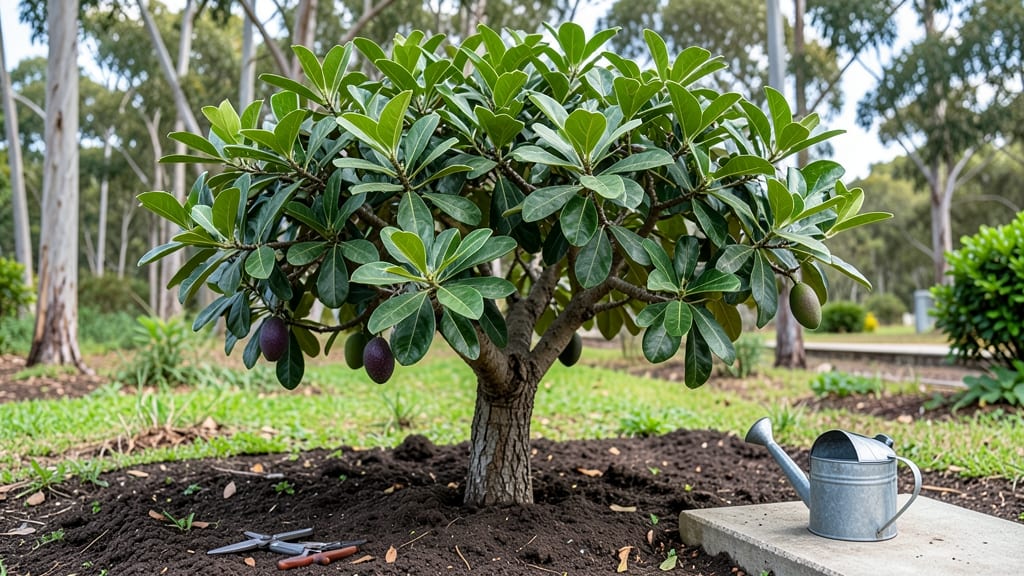
Growing a Florida avocado tree that bears fruit year-round starts with understanding its tropical roots and Florida’s unique climate. I’ve watched my Hass tree go from a spindly sapling to a productive giant—now producing fruit in every season—by treating it like the delicate tropical it is, not a hardy citrus.
The key isn’t just pruning; it’s knowing when to prune, how much sunlight to give it, and when to fight back against Florida’s sneaky pests.
Your tree needs full sun (6+ hours daily) and well-draining soil—sandy loam works best in Florida—but container growing is a lifesaver if you’re worried about root rot or pests. I’ve seen avocados thrive in 15-gallon pots with proper drainage, making them perfect for patios or small yards.
The pruning science? Focus on airflow—thin out dense branches in late winter to prevent fungal issues, and never cut more than 25% of the canopy at once. Over-pruning stresses these tropical trees.
By summer, you’ll see the payoff: glossy green leaves, dark purple fruit ripening unevenly (yes, even in Florida’s heat), and a tree that keeps growing instead of struggling.
The secret weapon? Consistent moisture—deep watering 2-3 times a week in summer, less in cooler months—and a balanced fertilizer (6-6-6) every 3 months.
Patience is key: Hass trees can take 3-5 years to bear fruit, but once they do, they’ll reward you with year-round harvests if you follow the science.
Florida’s pests—like avocado lace bugs or root-knot nematodes—are the real challenge, but early intervention (neem oil for bugs, solarization for nematodes) keeps trees healthy. And if frost ever threatens (yes, it happens in North Florida), wrap young trees in frost cloth or move containers indoors.
The goal? A tree that outlasts Florida’s quirks and keeps producing that creamy, rich fruit you’ve been dreaming of.
📚 In This Guide
- What you need
- Instructions
- Tips and common mistakes
- Wrapping up and next steps
What you need
- ● Florida avocado tree (cv. 'Choquette,' 'Lamb Hass,' or 'Pollock') – Choose a cold-hardy variety suited for Florida’s climate.
- ● Well-draining soil mix – 60% native soil, 30% compost, and 10% perlite or sand (for pH 6.0–7.0).
- ● Organic fertilizer – Balanced 6-6-6 or citrus-specific blend (apply 2–3 times/year).
- ● Mulch (wood chips or pine straw) – 2–3 inches to retain moisture and regulate soil temp.
- ● Drip irrigation system or soaker hose – Avocados need consistent moisture (1–1.5 inches/week).
- ● Bypass pruners – Sharp, high-quality (e.g., Felco or Corona) for clean cuts on small branches.
- ● Loppers (20–24") – For thicker branches (up to 2" diameter).
- ● Pruning saw – For branches >2" in diameter (avoid never use a chainsaw!).
- ● Disinfectant (70% isopropyl alcohol or bleach solution) – Clean tools between cuts to prevent disease.
- ● Gloves (cut-resistant) – Protect your hands from thorns and sap.
- ● 5-gallon bucket with water – For rinsing tools and collecting debris.
- ● Tree support stakes & ties – For young trees in windy areas.
- ● Hose-end sprayer (neem oil or copper fungicide) – For pest/disease prevention.
- ● Soil moisture meter – Avocados hate soggy roots!
- ● Shade cloth (30–50%) – Protect young trees from harsh Florida sun.
- ● Harvest bag or basket – Gently collect ripe avocados to avoid bruising.
How to prune a Florida avocado tree for maximum fruit production
Pruning isn't just about shaping—it's the key to unlocking your avocado tree's full potential. Here's how I've learned to balance growth and harvest through strategic cuts.
Identify the Right Time for Pruning
Florida avocado trees respond best to pruning during their dormant season, which falls between late winter and early spring (February to March). This timing allows wounds to heal before summer's heat and humidity arrive, reducing disease risk. Avoid pruning during fruiting season—you'll sacrifice next year's harvest.
Look for new growth starting at branch tips as your cue. When you see fresh, vibrant leaves emerging but before flowers appear, that's your window. Pruning too early risks stressing the tree, while waiting too long can interfere with fruit development. I always mark my calendar for mid-February to stay ahead of the growing season.
Remove Dead, Diseased, or Crossing Branches First
Start with sanitation pruning—this is non-negotiable. Use sterilized pruning shears to cut out any branches showing signs of disease (black spots, oozing sap), dead wood (brittle, no leaves), or those growing toward the center of the tree. These compete for sunlight and nutrients while creating breeding grounds for pests.
For diseased branches, cut back to healthy wood—look for green tissue just beyond the affected area. Make clean cuts at a 45-degree angle, about ¼ inch above a bud or lateral branch. This encourages outward growth rather than inward. I always dispose of removed branches immediately to prevent pathogen spread.
Thin the Canopy for Better Air Circulation
Avocado trees need open airflow to prevent fungal diseases like root rot and anthracnose. Aim to create a rounded canopy with branches spaced 12-18 inches apart. Start by removing the smallest branches first—these are often the most crowded and least productive.
Focus on branches growing straight upward (called "water sprouts")—these steal energy from fruit production. Cut them back to a lateral branch or bud. For thicker branches, use three-cut pruning to avoid tearing the bark: make your first cut about 6 inches out from the branch collar, then a second cut ¼ inch above the first, and finally remove the branch by twisting it free.
Shape for Sunlight Penetration and Fruit Access
Florida avocados produce fruit on new wood, so you want sunlight reaching all branches. Step back and visualize how light moves through the tree—your goal is to create an open vase shape with a dominant central leader. Remove branches that block light from reaching the inner canopy.
For mature trees, I limit pruning to no more than 25% of the canopy in one session. Over-pruning stresses the tree and can reduce flowering. Focus cuts on the outer third of the tree to encourage outward growth. You'll know you've done it right when you see even light distribution across all branches within a few weeks.
Clean Up and Monitor for New Growth
After pruning, remove all debris from the base of the tree and apply a fresh layer of mulch (2-3 inches deep) to retain moisture and regulate soil temperature. Seal larger cuts (over ½ inch in diameter) with pruning sealant to prevent disease entry, but skip this for small cuts—avocado trees heal quickly in Florida's climate.
Watch for new shoots emerging from the pruned areas within 4-6 weeks. These indicate successful pruning and signal it's time to adjust your watering schedule—young growth is thirsty. Increase watering slightly during this period, but avoid overwatering, which can lead to root rot. Your tree will reward you with healthier foliage and more abundant flowering next season.
Tips & tricks for pruning Florida avocado trees
Balancing growth and harvest in Florida's climate takes precision—and these insights will help you avoid common mistakes while maximizing fruit production.
Timing Precision: The late winter to early spring window (February to March) is critical because Florida's summer humidity accelerates wound healing. I've seen trees pruned in April struggle with fungal infections during the rainy season. If you miss this window, wait until late fall—just avoid pruning when flowers appear, as this directly impacts next year's crop. Use a small flag tied to a branch as a visual reminder of when you last pruned.
Sanitation Secret: Sterilizing your pruning shears between cuts prevents spreading pathogens. I keep a small bottle of 70% isopropyl alcohol nearby and wipe blades after every diseased branch. For larger cuts (over ½ inch), apply pruning sealant immediately—this creates a protective barrier against Florida's fungal diseases. The key is working quickly but methodically, especially when multiple cuts are needed.
Canopy Architecture: Visualizing your tree's structure before making cuts prevents over-pruning. Step back and imagine sunlight paths—your goal is to create an open vase shape where light reaches the inner branches. I often sketch a quick diagram first, marking branches to remove. Remember, Florida avocados produce fruit on new wood, so prioritize cuts that encourage outward growth rather than inward competition.
Post-Pruning Care: The 4-6 week period after pruning is when you'll see results or regret. Increase watering slightly during this time (about 10-15% more than usual) to support new growth, but never let water pool at the base. I've learned the hard way that overwatering during this critical period leads to root rot. Monitor for new shoots—these are your confirmation that the pruning worked.
Pro Tips for Florida Avocado Tree
- Balancing growth and harvest in Florida's climate takes precision—and these insights will help you avoid common mistakes while maximizing fruit production.
- Timing Precision: The late winter to early spring window (February to March) is critical because Florida's summer humidity accelerates wound healing.
- Sanitation Secret: Sterilizing your pruning shears between cuts prevents spreading pathogens.
Frequently asked questions
Got questions about growing and maintaining a Florida avocado tree? You’re not alone! Here are answers to the most common queries—from pruning tips to troubleshooting—so you can keep your tree thriving year-round.
How often should I prune my Florida avocado tree?
Prune your Florida avocado tree 2-3 times a year, ideally in late winter (before new growth), early summer (to shape and thin), and after harvest. Avoid heavy pruning during Florida’s monsoon season (June-August) to prevent fungal issues. Focus on removing dead wood, crossing branches, and improving airflow for healthier fruit production.
Can Florida’s cold snaps hurt my avocado tree?
Yes! Florida avocado trees (Persea americana) are tropical and can’t tolerate frost. Temperatures below 28°F (-2°C) risk damage. If frost is forecasted, cover young trees with frost cloth or use Christmas lights to add warmth. Mature trees may recover, but new growth or flowers are most vulnerable. Pro tip: Plant in sheltered microclimates (e.g., near buildings or slopes) for extra protection.
Why aren’t my avocado trees bearing fruit?
Common reasons include young age (trees take 3–5 years to fruit), poor pollination (hand-pollinate with a brush if bees are scarce), or nutrient deficiencies. Check for nitrogen (leaf yellowing), zinc (stunted growth), or potassium (poor fruit set). Florida’s humid climate can also encourage avocado lace bug—treat with neem oil if you spot webbing or stippled leaves.
What’s the best Florida-friendly avocado variety?
For Florida’s climate, top picks are ‘Lamb Hass’ (cold-hardy, disease-resistant) and ‘Choquette’ (smooth skin, great for fresh eating). Avoid Mexican’ varieties like Fuerte—they’re frost-sensitive. Dwarf varieties (e.g., ‘Bacon’) are ideal for containers or small yards. Always buy from a Florida-certified nursery to avoid bringing in pests.
How do I move or transplant an established avocado tree?
Transplanting is stressful for avocados, but possible with care. Do it in late winter/early spring (dormant season), prune roots to 1/3 of their size, and water deeply 2 weeks before moving. Use a wide hole (twice the root ball), amend soil with compost, and stake the tree temporarily. Avoid transplanting during Florida’s rainy season to prevent root rot.
Wrapping up and next steps
Growing a thriving Florida avocado tree is all about balancing patience, science, and a little green-thumb love! 🌱 With the right pruning techniques, you’ll unlock year-round harvests of creamy, nutrient-rich avocados—whether you’re a seasoned gardener or just starting your tropical journey.
Now that you’ve mastered the tools, timing, and tricks, it’s time to roll up your sleeves and give your tree the care it deserves.
Ready to take the next step? Start small:
- 📅 Schedule your first prune—spring is ideal, but don’t wait!
- 📸 Document progress with photos to track growth and spot improvements.
- 🌿 Join a local gardening group for tips and inspiration from fellow Florida avocado enthusiasts.