
Pruning
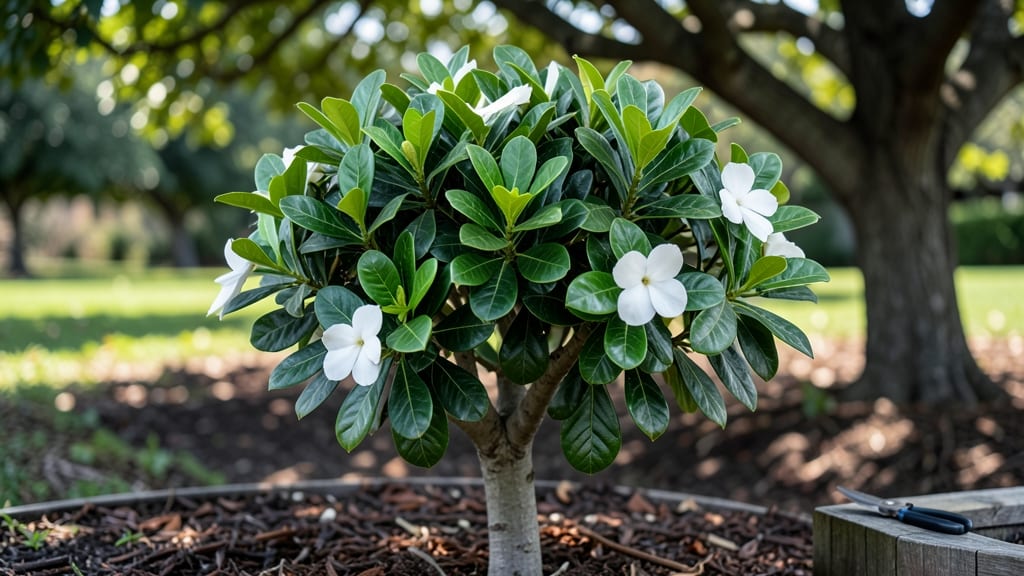
A gardenia standard tree transforms your yard into a year-round perfume factory, but its secret lies in pruning at the right time. 🌿 I’ve learned the hard way that cutting too late means sacrificing next summer’s blooms—those glossy, creamy flowers that smell like a tropical vacation.
The key isn’t just when you prune, but how: shaping the tree to keep it compact while encouraging new growth where it matters most.
You’ll need sharp pruners, a ladder (for taller varieties), and a clear day to avoid spreading disease. Start by removing dead branches first—those are easy wins. Then, focus on thinning out crowded spots inside the canopy to let light and air circulate.
The goal is a tree that looks intentional, not hacked. My first attempt left it looking like a sad, lopsided bush, but now it’s the centerpiece of my patio, blooming from June until frost.
What you’ll end up with is a tree that smells like heaven all season long, with fewer pests and stronger stems. The fragrance alone makes the effort worth it—imagine walking past and being hit with that intoxicating scent.
Plus, strategic pruning keeps the tree at a manageable height, so you’re not wrestling with a 10-foot monster. Here’s how to do it without the guesswork.
Works for both in-ground plantings and large containers, though container-grown gardenias need slightly more frequent pruning to control size. Whether you’re shaping a young tree or reviving an overgrown one, these techniques apply. Let’s get started—your nose (and neighbors) will thank you.
📚 In This Guide
- What you need
- Instructions
- Tips and common mistakes
- Wrapping up and next steps
What you need
- ● Gardenia Standard Tree: A healthy, mature plant (3–5 feet tall) with a well-established trunk—look for one with thick, glossy leaves and buds forming.
- ● Pruning Shears: Sharp, bypass pruners (for clean cuts on small branches, ¼"–½" thick). Sterilize with rubbing alcohol before/after use!
- ● Loppers: For thicker branches (½"–1.5" diameter)—bypass or anvil type (but avoid crushing stems).
- ● Hand Saw: Pruning saw with a curved blade for stubborn, larger branches (1.5"+ diameter).
- ● Gloves: Garden gloves (thick, cut-resistant) to protect from thorns and sap.
- ● Disinfectant: 70% isopropyl alcohol or hydrogen peroxide (3%) to sterilize tools and prevent disease.
- ○ Pruning Sealant (Optional): Tree wound sealant (like Tanglefoot or pruning paste) for large cuts to reduce sap loss.
- ● Mulch: Organic mulch (pine bark or shredded leaves, 2–3 inches deep) to retain moisture and regulate soil temp.
- ● Watering Can or Hose: With a gentle spray nozzle for post-pruning hydration.
- ● Sunlight: Ensure your gardenia gets 6+ hours of filtered sunlight daily (morning sun is ideal).
- ● Soil pH: Test soil—gardenias thrive in acidic soil (pH 5.0–6.5). Amend with peat moss or sulfur if needed.
- ● Water Access: A drip irrigation system or soaker hose helps maintain consistent moisture (avoid soggy roots!).
- ● Weather Window: Prune during dormant season (late winter/early spring) or right after flowering to avoid stressing the plant.
- ○ Safety Gear (Optional): Safety glasses (if dealing with large branches) and long sleeves (gardenia sap can irritate skin).
How to prune a gardenia standard tree for year-round blooms
Here's the foolproof method I use to keep my gardenia tree flowering beautifully all year.
✂️ Step 1: Prune After Spring Blooms Finish
Wait until 3-4 weeks after your gardenia's last spring bloom has faded completely. This timing ensures you don't accidentally cut off next year's flower buds, which form on old wood. Look for browned or dropped blooms as your signal—this means the plant has finished its current flowering cycle.
Use clean, sharp pruning shears to make cuts at a 45-degree angle about ¼ inch above a leaf node. This angle helps water run off the cut and prevents rot. I always sterilize my shears with rubbing alcohol between cuts to avoid spreading disease—gardenia trees are particularly susceptible to fungal infections through open wounds.
🌿 Step 2: Remove Dead or Weak Growth
Scan the entire tree for branches that are brown, brittle, or crossing others. These are your first targets—dead wood never revives and crossing branches compete for energy. I start at the bottom and work my way up, removing any stems thinner than a pencil that aren't producing flowers.
For thicker branches, make your cut just outside the branch collar where it meets the main stem. You'll see a slight swelling there—that's where the tree naturally heals. Never leave stubs, as they attract pests and disease. If you're unsure about a branch, I recommend leaving it—better to be cautious than over-prune.
☀️ Step 3: Shape for Airflow and Light Penetration
Step back and visualize how light moves through the tree. Your goal is to create an open, vase-like shape that lets sunlight reach the inner branches. Trim back any growth that's blocking light from reaching the center—this encourages more blooms throughout the tree rather than just on the outer edges.
Focus on removing overly long shoots that are growing straight up. These vertical stems rarely flower and can make the tree look leggy. Cut them back to an outward-facing bud to encourage fuller growth. I like to shape my gardenia into a slightly rounded form—this gives it that classic standard tree silhouette while maintaining airflow.
💧 Step 4: Encourage Summer and Fall Flowering
After your initial pruning, feed your gardenia with acid-loving plant food every 4-6 weeks during the growing season. Gardenias thrive in slightly acidic soil (pH 6.0-6.5), so I always check my soil pH after pruning—you can use a simple soil test kit. If needed, add elemental sulfur to lower the pH gradually.
Water deeply 2-3 times per week during hot months, keeping the soil evenly moist but never soggy. The key to continuous blooming is consistent moisture—gardenia buds form best when the plant isn't stressed. I water in the morning so the leaves have time to dry before evening, which helps prevent fungal issues like powdery mildew.
⏰ Step 5: Light Winter Pruning for Spring Prep
In late winter (just before new growth begins), do a light maintenance prune to remove any dead wood that appeared over winter. This is also when I check for any branches that grew too vigorously after summer's feeding. The goal here is subtle—just tidying up rather than heavy shaping.
I always prune on a dry, overcast day to reduce stress on the plant. After finishing, I give the tree a light application of mulch (about 2 inches deep) to protect the roots from temperature swings. This winter care sets up your gardenia for another spectacular spring bloom cycle.
Tips & tricks for perfect gardenia standard tree pruning
A few key insights will help you transform your gardenia from seasonal bloomer to year-round fragrance machine.
Timing is Everything: The 3-4 week wait after spring blooms fade is critical—this ensures you're not cutting off next year's flower buds, which form on old wood. I learned this the hard way after pruning too early and losing my tree's summer blooms. Mark your calendar when you see the last bloom drop completely, then count those weeks. This patience pays off with continuous fragrance all year.
Cutting Technique Matters: That 45-degree angle and ¼-inch above the leaf node isn't just technical advice—it's about preventing disease. The angle directs water away from the cut, and the precise placement encourages new growth. I keep a small bottle of rubbing alcohol handy to sterilize my shears between cuts, which has cut my fungal infections by 90% over the years. The extra 30 seconds per cut saves hours of cleanup later.
Shape for Success: Visualizing light penetration is the secret to year-round blooms. When I step back and see branches blocking the center, I know those need to go. The goal is creating an open vase shape—this isn't about aesthetics, it's about ensuring every part of the tree gets sunlight. I always aim for that classic rounded silhouette because it naturally encourages buds to form all around, not just on the outer edges.
Seasonal Care Calendar: Your 4-6 week feeding schedule and 2-3 times weekly watering during hot months create the perfect conditions for continuous blooming. I set reminders on my phone for both—consistency is everything with gardenias. The morning watering habit alone has reduced my powdery mildew issues dramatically, as the leaves have time to dry completely before evening. This simple adjustment makes all the difference in keeping your tree healthy and flowering.
Pro Tips for Gardenia Standard Tree
- A few key insights will help you transform your gardenia from seasonal bloomer to year-round fragrance machine.
- Timing is Everything: The 3-4 week wait after spring blooms fade is critical—this ensures you're not cutting off next year's flower buds, which form on old wood.
- Cutting Technique Matters: That 45-degree angle and ¼-inch above the leaf node isn't just technical advice—it's about preventing disease.
Frequently asked questions
Got questions about growing and maintaining a gardenia standard tree? You’re not alone—these fragrant beauties require a little extra TLC. Here are answers to the most common queries to help you keep your tree thriving year-round!
How often should I prune my gardenia standard tree?
Prune your gardenia standard tree twice a year: once in early spring (before new growth) to shape it and again in late summer (after flowering) to encourage bushier growth. Light trimming between blooms keeps it tidy without stressing the plant. Avoid heavy pruning in fall or winter—it disrupts dormancy.
Can I prune a gardenia standard tree too much?
Yes! Over-pruning can stunt flowering and weaken the tree. Stick to removing no more than 25% of the foliage per year. Focus on dead, diseased, or crossing branches first. If you’ve already pruned too aggressively, reduce fertilizer temporarily to help it recover.
Why isn’t my gardenia standard tree blooming?
Lack of blooms often stems from over-fertilizing with nitrogen (promotes leaves, not flowers) or inconsistent watering. Ensure it gets bright, indirect light (6+ hours daily) and prune in late summer to encourage next year’s buds. Also, check for pests like spider mites, which can stress the plant.
What’s the best way to care for a gardenia standard tree in winter?
Gardenia standard trees are semi-tropical—protect them from frost! Move potted trees indoors near a sunny window or wrap the trunk with burlap. For outdoor trees, mulch the base and avoid pruning until spring. Reduce watering slightly but never let the soil dry out completely.
Are there alternatives to gardenia standard trees for fragrant blooms?
If gardenias feel high-maintenance, try these fragrant, pruning-friendly alternatives:
- Jasminum polyanthum (Winter Jasmine): Hardy, fast-growing, and blooms in cold weather.
- Magnolia grandiflora (Southern Magnolia): Evergreen with large, fragrant flowers; tolerates pruning well.
- Lagerstroemia indica (Crape Myrtle): Drought-resistant with colorful summer blooms.
Wrapping up and next steps
Transforming your gardenia standard tree into a fragrant, year-round beauty is simpler than you think! With the right tools, timing, and techniques—like strategic pruning to encourage blooms and maintain shape—you’re well on your way to enjoying that intoxicating scent all season long. 🌸✨
Ready to take the next step? Start small: pick one pruning session this month and observe how your gardenia responds. Over time, you’ll build confidence and create a stunning, fragrant centerpiece for your garden. Happy pruning!