
Pruning
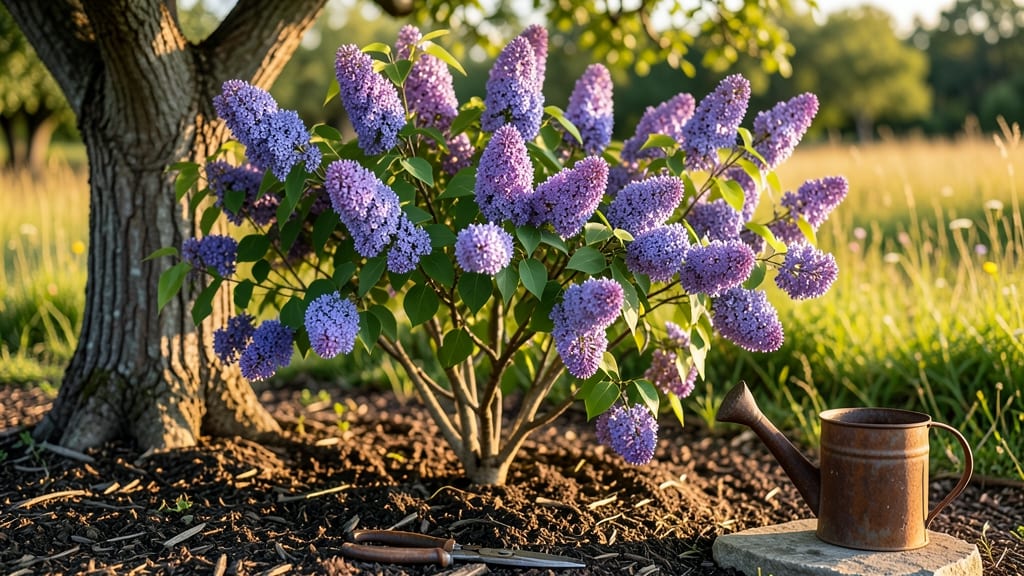
The flowering lilac tree transforms any yard into a fragrant springtime showstopper—if you prune it right. ✨ I’ve watched neighbors’ lilacs fade into leggy shadows while mine bursts with blooms every May, and the secret isn’t just timing—it’s knowing how to cut back for next year’s performance.
Lilacs thrive in full sun and well-draining soil, but their blooms depend on last year’s growth. Prune after flowering to avoid cutting off next season’s buds, and use sharp shears to make clean cuts just above outward-facing buds.
Most varieties need only a light trim every 2-3 years, though overgrown bushes may need a more aggressive reset.
With proper pruning, you’ll get vibrant clusters that perfume the air for weeks, not just a single flush of weak blooms. The key is patience—these trees reward careful maintenance with decades of fragrance. Ready to turn your lilac from “meh” to “magnificent”?
Works for both new plantings and established trees in zones 3-7. Let’s get those blooms back on track!
📚 In This Guide
- What you need
- Instructions
- Tips and common mistakes
- Wrapping up and next steps
What you need
- ● Pruning shears: Sharp, bypass-style shears (for clean cuts on small branches). Quantity: 1 pair.
- ● Loppers: For thicker branches (½" to 1½" diameter). Quantity: 1 pair.
- ● Pruning saw: Heavy-duty saw for branches thicker than 1½". Quantity: 1.
- ● Gloves: Heavy-duty gardening gloves (to protect from thorns and sap). Quantity: 1 pair.
- ○ Disinfectant (optional but recommended): 70% isopropyl alcohol or bleach solution (1 part bleach to 9 parts water) to sterilize tools between cuts.
- ● Rag or paper towels: For wiping tools clean.
- ● Ladder or step stool: If your lilac is taller than 6 feet. Safety note: Use a sturdy, non-slip ladder!
- ● Timing: Prune right after flowering (late spring/early summer) to encourage next year’s blooms.
- ● Weather: Choose a dry, overcast day to avoid stressing the tree.
- ● Safety gear: Safety glasses (to protect from debris) and long sleeves/pants (for thorn protection).
- ● Cleanup supplies: Trash bag or bucket for pruned branches and debris.
Step-by-step guide to pruning your flowering lilac tree
Here's how to keep your lilac blooming beautifully for years—with minimal effort and maximum impact.
✂️ Step 1: Time Your Pruning for Peak Bloom
Prune your lilac right after flowering—never in fall or winter. This timing ensures next year's buds form properly on last year's growth. Lilacs bloom on old wood, so cutting back too early removes next season's flowers. Wait until 30-50% of flowers have dropped naturally, then begin shaping.
If you missed the window, don't panic. A light pruning in late winter (just before new growth starts) is better than aggressive cuts at the wrong time. I always mark my calendar with the lilac's bloom date—it's my cue to schedule pruning.
✂️ Step 2: Remove Dead, Diseased, or Weak Wood
Start by inspecting the tree for dead branches (no leaves, brittle wood) or diseased stems (blackened spots, oozing sap). Cut these out first using clean, sharp pruners. Make your cuts at a 45-degree angle, about ¼ inch above a healthy bud pointing outward from the center of the plant.
Don't skip this step—diseased wood spreads quickly. I like to sterilize my pruners with rubbing alcohol between cuts to prevent cross-contamination. You'll know you're doing it right when the center of the tree opens up, allowing better airflow and sunlight.
✂️ Step 3: Shape the Tree for Airflow and Light
Lilacs thrive when they get full sun and good airflow. Focus on thinning out crowded branches to let light reach the center. Remove up to ⅓ of the oldest stems at the base to encourage new growth. Cut back to 6-12 inches above the ground for mature stems—this stimulates vigorous regrowth.
Here's the thing—lilacs naturally form a multi-stemmed shrub. Avoid turning it into a single-trunk tree. You'll see the difference in 3-5 years: a properly pruned lilac has multiple strong stems with abundant blooms, while over-pruned ones produce sparse, weak flowers.
⏰ Step 4: Maintain Through the Growing Season
After your initial pruning, monitor the tree for water sprouts (fast-growing, vertical shoots). These steal energy from flowering. Snip them off at the base as soon as you spot them. Lilacs need regular watering during their first growing season—about 1-2 inches per week—but mature trees are quite drought-tolerant.
Real talk: Overwatering is worse than underwatering for lilacs. Let the soil dry out between waterings, especially in winter. You'll know it's time to water when the top 2-3 inches of soil feel dry. A mulch ring 2-3 inches deep helps retain moisture and protect roots.
✂️ Step 5: Light Winter Pruning for Shape
If your lilac needs minor shaping in late winter, do it just before buds swell (usually 4-6 weeks before last frost). Remove any crossing branches or stems growing inward. Cut back to the nearest outward-facing bud to maintain an open, airy structure.
This is the moment that matters: Avoid heavy pruning in winter. Lilacs set next year's flower buds in early spring, and aggressive cuts now will reduce bloom size. Think of winter pruning as a light touch-up rather than a major overhaul.
Tips & tricks for pruning your flowering lilac tree
Let me share the hard-won wisdom that'll keep your lilac thriving—and blooming like crazy—for decades. These are the secrets I've learned after years of trial and error with my own lilac bushes.
Timing is Everything: The critical 30-50% bloom drop window isn't just a suggestion—it's when your lilac's energy shifts from flowering to next year's buds. Mark your calendar when you see the first flowers fade and set a reminder. If you prune too early, you're essentially cutting off next season's blooms before they form. I've seen people miss this window completely and wonder why their lilac barely flowers the following year.
Pruning Angle Matters: That 45-degree angle cut isn't arbitrary—it's about channeling water away from the cut surface. When you make clean cuts at this angle (about ¼ inch above an outward-facing bud), you create a natural barrier that prevents water from pooling and causing rot. I've ruined too many cuts by being sloppy with my angle, leading to unsightly wounds that take forever to heal. Use a sharp pruner and take your time to get this right.
Strategic Stem Removal: Removing up to ⅓ of the oldest stems at the base isn't about making your lilac smaller—it's about rejuvenation. These mature stems have been producing flowers for years and are less vigorous. By cutting them back to 6-12 inches, you're stimulating fresh growth that will produce abundant blooms for the next 3-5 years. I've seen lilacs transformed from sparse bloomers to flower powerhouses after just one proper pruning session.
Winter Pruning Wisdom: Those 4-6 weeks before last frost are your only chance for light winter shaping. This isn't about heavy pruning—it's about maintaining the open structure you created after flowering. Cutting back too much now can stimulate new growth that won't harden off before winter, potentially damaging the plant. Think of it as a final touch-up rather than a major overhaul. I've learned this the hard way after seeing winter-pruned lilacs struggle through cold snaps.
Pro Tips for Flowering Lilac Tree
- Let me share the hard-won wisdom that'll keep your lilac thriving—and blooming like crazy—for decades.
- Timing is Everything: The critical 30-50% bloom drop window isn't just a suggestion—it's when your lilac's energy shifts from flowering to next year's buds.
- Pruning Angle Matters: That 45-degree angle cut isn't arbitrary—it's about channeling water away from the cut surface.
Frequently asked questions
Got questions about your flowering lilac tree? You’re not alone! Here are answers to the most common concerns—from timing to troubleshooting—to keep your lilac thriving and blooming beautifully.
When is the best time to prune a lilac tree for more flowers?
Prune your lilac right after flowering (late spring or early summer). This encourages strong new growth for next year’s blooms. Avoid heavy pruning in fall or winter, as lilacs bloom on old wood, and cutting back too late can reduce next season’s flowers. Aim for a light trim to shape and remove dead branches.
How long does it take for a lilac tree to bloom after pruning?
Lilacs typically bloom on new wood formed the previous year. If you prune correctly after flowering, you’ll see blooms again in 12–18 months. For immediate blooms, avoid drastic cuts—focus on shaping and removing only dead or overcrowded branches. Patience pays off with healthier, more abundant flowers over time!
Can I prune a lilac tree in the fall or winter?
While lilacs are dormant in fall/winter, pruning then can reduce next year’s blooms since they rely on old wood. If you must prune, do it lightly to remove dead or diseased branches. Save major shaping for post-bloom (late spring). Fall is better for mulching or fertilizing than cutting.
What if my lilac isn’t flowering? How can I fix it?
No blooms? Check these fixes:
- Over-pruning: Avoid cutting back more than ⅓ of the plant at once.
- Poor sunlight: Lilacs need 6+ hours of sun daily.
- Age: Young lilacs (under 3 years) may not bloom yet.
- Nutrition: Apply a balanced fertilizer in early spring.
Are there flowering lilac alternatives with easier care?
If lilacs feel high-maintenance, try these low-fuss alternatives:
- Butterfly Bush (Buddleia): Blooms late summer, attracts pollinators, and tolerates pruning.
- Weigela: Fast-growing, colorful blooms, and blooms on new wood.
- Deutzia: Compact, fragrant flowers, and blooms in spring.
- Mock Orange (Philadelphus): Fragrant blooms with minimal pruning needs.
Wrapping up and next steps
Your flowering lilac tree is now primed for a lifetime of stunning blooms—thanks to proper pruning and care! 🌸 By following these steps, you’ve set the stage for healthier growth, longer flowering seasons, and a tree that thrives year after year.
Remember, patience and consistency are key, so don’t rush the process.
Ready to take the next step? Monitor your lilac’s progress after pruning and adjust your approach as needed. Whether it’s experimenting with different pruning techniques or simply admiring your hard work, your efforts will pay off in fragrant, vibrant blooms for seasons to come. Happy gardening! 🌿✨