
Pruning
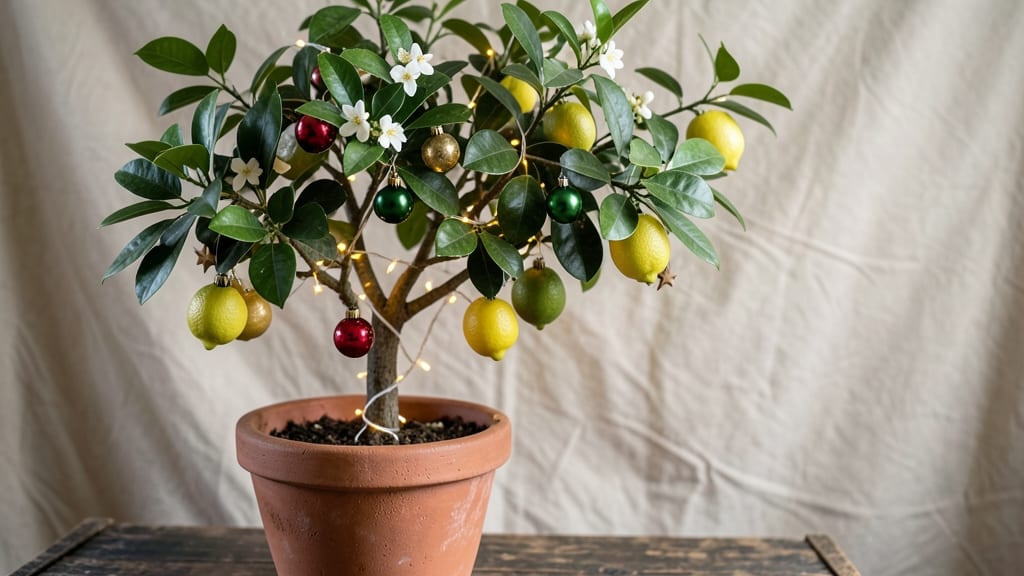
Transforming your yard into a fruit Christmas tree that doubles as a holiday centerpiece is easier than you think—and the harvest keeps giving long after the decorations come down. 🌟 I’ve designed this edible ornament using dwarf fruit trees like cranberry, crabapple, or even citrus varieties that thrive in containers, their glossy leaves and seasonal fruit creating a living wreath that’s both festive and functional.
The magic lies in strategic pruning during late winter to shape the tree into a conical form, then layering it with seasonal accents like pinecones, berries, or even homemade fruit ornaments.
You’ll need just three key tools: sharp pruners, a sturdy container (if growing potted), and a little patience—because the best decorations grow over time. This approach works for both outdoor landscapes and large indoor pots, making it perfect for urban gardens or cozy porches.
By December, your tree will burst with color—think ruby cranberries, golden crabapples, or even miniature oranges—while still producing fruit for months to come. The scent of citrus or the tart tang of cranberries will fill your space, and every harvest becomes a reminder of your garden’s dual purpose.
Plus, the minimal pruning required keeps maintenance simple, so you spend more time admiring than working.
Whether you’re gifting a potted fruit tree as a holiday present or creating a permanent edible focal point, this design adapts to any climate zone with the right variety selection.
The real reward? A tree that celebrates the season year-round, from its first spring blossoms to its final winter fruit. Let’s get growing!
📚 In This Guide
- What you need
- Instructions
- Tips and common mistakes
- Wrapping up and next steps
What you need
- ● Fresh fruit: Choose 1–2 lbs of firm, evenly sized apples (e.g., Granny Smith or Honeycrisp) or pears for the "tree" base. For variety, add ½ lb of grapes, berries (strawberries, blueberries), or citrus slices (oranges, lemons) as "ornaments."
- ● Wooden dowel or skewer: 1 piece, 12–18" long (¼" diameter) for the tree trunk.
- ● Floral foam or small foam block: 1 block (4"x4"x4") to anchor the tree.
- ○ Clear acrylic paint (optional): 1 small bottle (for decorating the dowel if desired).
- ● Sharp paring knife or peeler: For slicing fruit cleanly.
- ● Toothpicks or small skewers: 6–10 pieces (for securing larger fruit like apples or pears).
- ● Spray bottle with water: To keep fruit fresh longer.
- ○ Decorative elements (optional): Edible glitter or gold leaf (for a festive touch).
- ● Mini marshmallows or candy canes (as "snow" or ornaments).
- ● Twine or ribbon (to hang the tree from a hook).
- ● Work in a cool, dry space (fruit spoils faster in heat/humidity).
- ● Prep fruit 1–2 hours before assembly to minimize browning.
- ● Have a large bowl of water nearby to dip toothpicks (keeps fruit hydrated).
How to grow a fruit Christmas tree with minimal pruning
Here's the simple method I use to create a lush, edible centerpiece that thrives year-round.
🌱 Step 1: Choose the Right Tree and Location
Start with a dwarf fruit tree variety like a columnar apple, pear, or citrus—these stay compact and manageable. I recommend a 3-4 foot tall tree for indoor/outdoor versatility. Place it in a spot with 6-8 hours of sunlight daily during growing seasons, then move it indoors near a bright window when temperatures drop below 40°F.
For indoor growing, a south-facing window works best. If natural light is insufficient, supplement with a grow light positioned 6-12 inches above the tree for 12-14 hours daily. Watch for leaves growing toward the light—this means it needs to move closer. The tree will tell you when it's happy: new growth appears within 2-3 weeks of proper light exposure.
🪴 Step 2: Prepare the Container and Soil
Use a 15-20 gallon container with drainage holes to prevent root rot. I fill the bottom with 2-3 inches of gravel or broken pottery for extra drainage, then add a mix of 50% potting soil and 50% compost. This blend ensures nutrients while preventing compaction. Tap the container gently after filling to settle the soil without compacting it.
For established trees, transplant carefully by sliding the root ball out of its current pot and placing it in the new container. Fill gaps with additional soil mix, pressing lightly around the base but not packing it down. Water thoroughly until it drains from the bottom—this helps settle the soil and removes air pockets that could stress roots.
☀️ Step 3: Prune Strategically for Shape and Fruit
Prune in late winter or early spring before new growth begins. Use clean, sharp pruning shears to remove any dead, diseased, or crossing branches first. Then shape the tree by cutting back 1/3 of the current season's growth to encourage bushier, more compact growth. Look for branches growing inward—they compete for sunlight and should be removed at the base.
Leave at least 3-4 buds on each remaining branch to ensure new growth. You'll see fresh green shoots emerge within 3-4 weeks of pruning, signaling successful regrowth. Avoid heavy pruning in fall—this encourages tender new growth that won't survive winter temperatures.
💧 Step 4: Maintain Year-Round Care
Water when the top 2 inches of soil feel dry to the touch. In summer, this may mean watering every 2-3 days, while winter care drops to once a week. I use a moisture meter for accuracy—it's the best way to avoid overwatering, which causes root rot, or underwatering, which stresses the tree.
Fertilize every 6-8 weeks during growing seasons with a balanced 10-10-10 fertilizer, halving the recommended dose to prevent burning roots. In winter, reduce to monthly applications. Watch for yellowing leaves—they often indicate overwatering or nutrient deficiency. Adjust your care routine based on what you observe.
✂️ Step 5: Harvest and Prepare for Winter
Harvest fruit when it reaches full color and slightly gives when gently squeezed. For apples and pears, this usually means late fall. Cut stems with pruners to avoid damaging branches. Store harvested fruit in a cool, dark place for 1-2 weeks to ripen fully before eating.
Before the first frost, move the tree indoors to a location with 50-60°F temperatures and 50-60% humidity. Reduce watering to every 10-14 days and stop fertilizing until spring. Prune lightly in winter to remove any dead growth, but avoid heavy pruning—this stresses the tree when it's already dormant.
Tips & tricks for perfect fruit Christmas tree
Creating a thriving fruit Christmas tree takes patience, but these little adjustments make all the difference between a struggling plant and a lush, edible centerpiece.
Lighting is Everything: If your tree isn't getting enough natural light, don't just rely on a single grow light. Use two lights positioned on opposite sides of the tree for balanced growth. I place mine about 12 inches above the tree and alternate their positions every 3-4 weeks to prevent the tree from leaning. The 12-14 hours of light mentioned in the instructions is ideal, but if you're short on time, even 10-12 hours will work—just expect slightly slower growth.
Soil Mix Matters: The 50-50 blend of potting soil and compost is perfect, but if you're using a heavier soil, add perlite or vermiculite to improve drainage. I've found that mixing in a handful of worm castings boosts nutrient availability without overpowering the roots. When transplanting, avoid compacting the soil—gently press around the edges to create good soil-to-root contact without crushing the delicate root structure.
Pruning Precision: When you're cutting back that 1/3 of current growth in Step 3, make your cuts just above a leaf bud or branch junction. This encourages new growth from exactly where you want it. I always sterilize my pruning shears with rubbing alcohol between cuts to prevent spreading disease. Watch for those fresh green shoots within 3-4 weeks—they're your sign that pruning worked!
Seasonal Adjustments: During winter's 50-60°F indoor environment, place a tray of water near the tree to maintain humidity. You'll notice leaves curling or brown tips if the air gets too dry. In summer, if your 2-inch soil test shows dryness more often than every 2-3 days, your container might be too small—consider upgrading to a 20-gallon pot for better moisture retention.
Pro Tips for Fruit Christmas Tree
- Creating a thriving fruit Christmas tree takes patience, but these little adjustments make all the difference between a struggling plant and a lush, edible centerpiece.
- Lighting is Everything: If your tree isn't getting enough natural light, don't just rely on a single grow light.
- Soil Mix Matters: The 50-50 blend of potting soil and compost is perfect, but if you're using a heavier soil, add perlite or vermiculite to improve drainage.
Frequently asked questions
Got questions about growing your own fruit Christmas tree? You’re not alone! Here are answers to the most common queries to help you create a lush, edible holiday centerpiece with ease.
What’s the best fruit tree variety for a Christmas tree shape?
Dwarf fruit trees like apple (Malus domestica), citrus (Citrus spp.), or fig (Ficus carica) work best—they’re compact, easy to prune, and produce abundant fruit. Choose columnar or bush varieties for a full, tree-like silhouette. Avoid fast-growing trees like peaches, which may outpace your pruning goals.
How long does it take for a fruit Christmas tree to mature?
With proper care, a young grafted dwarf tree can achieve a festive shape in 1–2 years. For faster results, start with a 3–4-year-old tree and prune aggressively in early spring. Patience is key—rushing can stress the tree and reduce fruit yield. Think of it as an edible holiday tradition!
Can I grow a fruit Christmas tree indoors year-round?
Yes! Place your tree near a south-facing window or under grow lights (12–14 hours/day). Use a self-watering pot and monitor humidity—indoor air is often too dry. In winter, reduce watering slightly but keep soil lightly moist. Just avoid drafts (like AC vents) to prevent stress.
What if my tree’s branches look uneven after pruning?
Uneven growth is normal—focus on selective pruning to encourage fullness. Trim just above a leaf node (the bump where leaves meet the stem) to promote branching. For a denser look, prune 20–30% of new growth in late winter. If gaps persist, fertilize lightly with balanced fruit-tree food.
Are there non-fruit alternatives for an edible Christmas tree?
Try herb spirals (rosemary, thyme), strawberry towers, or even a grapevine trained into a tree shape. For a tropical vibe, grow passionfruit vines on a trellis. Just ensure your climate supports the plant—some, like citrus, thrive indoors, while others need outdoor winters.
Why aren’t my fruit tree’s leaves turning green?
Pale or yellowing leaves often signal nutrient deficiency (common in nitrogen or iron). Test your soil and amend with compost or a citrus-specific fertilizer if needed. Overwatering or poor drainage can also cause stress—ensure pots have drainage holes and water only when the top inch of soil is dry.
Wrapping up and next steps
Transforming your fruit tree into a festive fruit Christmas tree is a creative, low-maintenance way to celebrate the season—and beyond! Whether you’re growing citrus, pomegranates, or figs, this edible ornament brings joy to your table while keeping your tree thriving with minimal effort. 🎄✨
Ready to take the next step? Start by selecting your favorite fruit-bearing branches and follow the simple pruning and decorating tips shared here. Before you know it, you’ll have a harvestable holiday centerpiece that keeps giving long after the decorations come down!