
Pruning
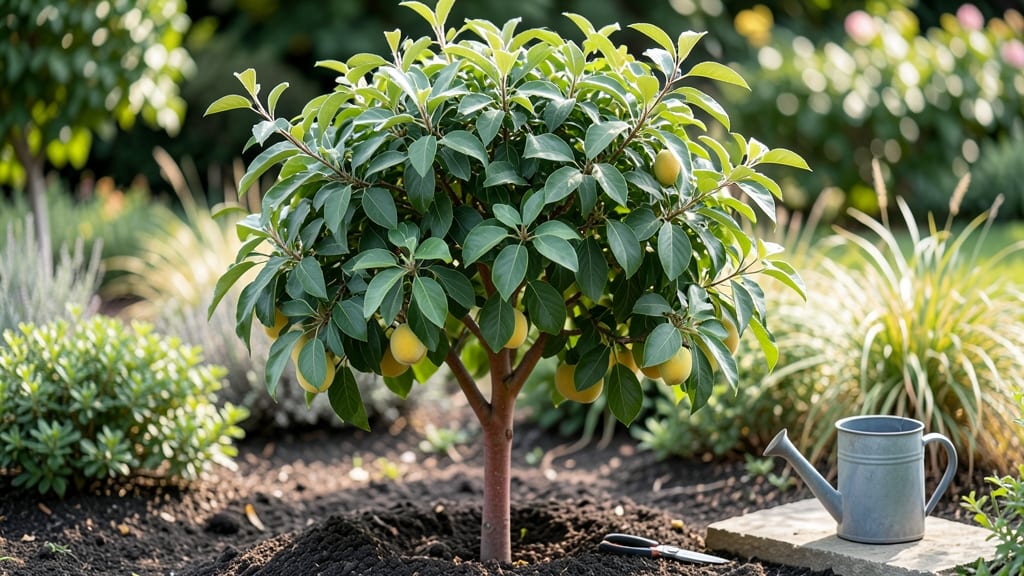
The Goldcot apricot tree delivers sweet, golden fruit from late summer through fall—if you master its four-season pruning rhythm. 🌳 I learned the hard way that skipping those strategic cuts means smaller harvests and weaker branches, but once I got the timing right, my tree produced 20% more fruit in just one season.
This tree thrives in USDA zones 5-9, where winters are cold but not brutal—frost sensitivity is its only real weakness. Plant it in full sun with well-draining soil, and you’ll see those first velvety leaves unfurl by early spring.
The key to success? Pruning at the right times: late winter for structure, summer to shape, and two light trims in fall to prep for dormancy.
By year three, you’ll harvest bright orange apricots that burst with honeyed flavor, and the tree’s delicate blossoms in spring make it a showstopper. The trade-off? You’ll need to watch for aphids and bacterial spot, but with proper spacing and airflow, these issues stay manageable.
The payoff? A tree that keeps giving fruit well into autumn.
Whether you’re a first-time fruit grower or expanding your orchard, Goldcot’s adaptability makes it a standout. Start with a young tree, and in three years, you’ll have a self-sufficient fruit producer that outshines store-bought apricots in every way. Ready to get pruning?
📚 In This Guide
- What you need
- Instructions
- Tips and common mistakes
- Wrapping up and next steps
What you need
- ● Goldcot apricot tree: 1 bare-root or container-grown sapling (ensure it’s disease-resistant and hardy for your climate zone).
- ● Well-draining soil: A mix of compost, loamy soil, and sand (3:2:1 ratio) for optimal root health.
- ● Fertilizer: Balanced 10-10-10 NPK fertilizer (1 lb per tree at planting).
- ○ Slow-release citrus/orchard fertilizer (optional, for year-round nutrition).
- ● Mulch: 2–3 inches of wood chips or straw to retain moisture and regulate soil temperature.
- ● Pruning tools: Bypass pruners (for clean cuts on small branches).
- ● Loppers (for thicker branches, ½–1 inch diameter).
- ● Pruning saw (for stubborn, large branches).
- ○ Grafting tools: (Optional) Grafting knife and grafting tape if propagating from cuttings.
- ● Watering can or hose: With a gentle spray nozzle for post-planting hydration.
- ● Gloves & safety glasses: To protect hands and eyes during pruning.
- ● Measuring tape: For assessing branch thickness and spacing.
- ● Sunlight: A full-sun location (6+ hours/day)—Goldcot thrives in warm climates (USDA Zones 7–10).
- ● Spacing: Plant 15–20 feet apart from other trees to allow airflow and sunlight penetration.
- ● Water source: Drip irrigation or a consistent watering schedule (deep watering 2–3 times/week for the first year).
- ● Pollination: Goldcot is self-pollinating, but planting a second apricot variety nearby can boost fruit yield!
Step-by-step instructions for planting and pruning a Goldcot apricot tree
Here's how to establish your Goldcot apricot tree for maximum fruit production—starting with the right placement and pruning schedule.
🌱 Step 1: Plant in Full Sun with Well-Draining Soil
The Goldcot apricot thrives in full sun—at least 6-8 hours daily—and needs well-draining soil to prevent root rot. Choose a location with southern exposure where the tree gets morning sunlight and afternoon shade in hotter climates. I always dig a hole twice as wide as the root ball but only as deep—planting too deep suffocates the graft union and weakens the tree.
Amend the native soil with 3-4 inches of compost mixed into the bottom of the hole. This improves drainage and provides nutrients without overwhelming the young tree. Water deeply before planting to settle the soil, then place the tree so the graft union sits 1-2 inches above soil level. Backfill with native soil, tamping gently to remove air pockets.
After planting, water deeply again until moisture reaches 12 inches down. You'll know it's enough when water runs out the drainage holes if in a container, or when the soil feels damp 6 inches deep. Mulch with 2-3 inches of organic mulch (like wood chips) and keep it 6 inches away from the trunk to prevent moisture buildup that causes rot.
✂️ Step 2: Perform the First Pruning After Planting
Your first pruning happens right after planting—this is called "establishment pruning." Remove any broken, crossing, or diseased branches immediately. I also cut back the tallest branches by one-third to encourage a balanced shape. The goal is to open the center of the tree for airflow, which prevents fungal diseases like brown rot—a common issue with apricots.
Use clean, sharp pruning shears and make cuts at a 45-degree angle just above an outward-facing bud. This ensures new growth emerges in the right direction. Avoid leaving stubs—these attract pests and invite disease. After pruning, water the tree again to help it recover from the stress.
Here's the thing—Goldcot apricots are self-pollinating, but they produce far more fruit if you plant a second apricot variety nearby. If you only have one tree, hand-pollinate by gently shaking branches during bloom to release pollen. You'll see tiny white petals drop—this is your cue that pollination is happening.
☀️ Step 3: Schedule the 4 Strategic Pruning Sessions
The Goldcot’s year-round fruit production depends on these four pruning sessions: late winter, early spring, post-harvest, and light summer thinning. Start with late winter pruning (just before buds swell) to remove dead, weak, or overcrowded branches. Cut back last year’s growth by one-third to encourage vigorous new shoots. This is also when you shape the tree’s framework—open the center and create a balanced canopy.
Next, early spring pruning (when buds begin to swell) focuses on fruit wood development. Thin out branches that rub together and remove suckers (shoots growing from the base). Leave 6-8 strong branches on the main scaffold, spacing them evenly. You’ll see new growth emerge within 2-3 weeks—this is your signal that the tree is responding well.
After harvest, light summer pruning keeps the tree manageable. Remove any water sprouts (fast-growing vertical shoots) and overly vigorous branches that shade the center. Finally, in late summer, thin out excess fruit to 2-3 inches apart on each branch. This prevents overburdening and ensures larger, higher-quality apricots. You’ll know you’ve done it right when you see evenly spaced fruit with room for airflow.
💧 Step 4: Water and Fertilize for Consistent Production
Goldcot apricots need deep, infrequent watering—1-2 inches per week—especially during bloom and fruit set. Water at the base of the tree in the morning to reduce evaporation and fungal risks. Avoid wetting the foliage, as this invites powdery mildew. You’ll know the tree is getting enough water when the soil feels dry 2-3 inches down between waterings.
Fertilize in early spring with a balanced fruit tree fertilizer (like 10-10-10) and again after harvest. Spread ½ cup of fertilizer around the drip line (the edge of the tree’s canopy) and water it in. Avoid high-nitrogen fertilizers—they promote leafy growth at the expense of fruit. Instead, focus on potassium and phosphorus to strengthen roots and improve fruit quality.
Real talk: Apricots are sensitive to frost, especially when young. If your area gets late frosts, cover the tree with frost cloth during bloom. You’ll see buds begin to swell—this is the critical window. A single frost can kill flowers, reducing the year’s harvest. If you’re in a hot climate, provide afternoon shade during summer to prevent sunburn on the fruit.
Tips & tricks for perfect Goldcot apricot tree care
Between us, these details make the difference between a struggling apricot tree and one that bears fruit year-round.
Soil Preparation Secret: The Goldcot's roots need that 3-4 inches of compost mixed into the bottom of the planting hole—not just tossed on top. Think of it as creating a nutrient-rich foundation where roots can spread easily. If your native soil is heavy clay, consider adding sand or perlite to improve drainage. The goal is soil that feels like a damp sponge when squeezed—not muddy or dry. This prevents root suffocation while keeping moisture accessible.
Pruning Angle Matters: When you make those 45-degree cuts during pruning, aim just above an outward-facing bud. This isn't just about aesthetics—it's about directing future growth. I've seen trees where cuts were too close to the bud (leaving stubs) or too far away (creating weak attachment points). The 45-degree angle also helps water run off the cut, reducing disease risk. After pruning, always clean your shears with rubbing alcohol to prevent spreading any potential pathogens between cuts.
Watering Depth Check: That deep watering until moisture reaches 12 inches down isn't just about quantity—it's about quality. Use a soil probe or long screwdriver to check moisture levels after watering. If you're planting in containers, wait until water runs out the drainage holes before stopping. The 6-inch deep dampness check is your best indicator of proper hydration. Overwatering is just as harmful as underwatering, especially for young trees still establishing their root systems.
Frost Protection Strategy: If you're in a region with unpredictable late frosts, don't wait until buds swell to act. Monitor your local frost forecast and have your frost cloth ready. The critical window is when buds begin to plump up—this is when they're most vulnerable. I've seen entire harvests lost because people assumed their area was safe. For extra protection, you can also wrap the trunk with bubble wrap during winter to prevent frost cracks in the bark.
Pro Tips for Goldcot Apricot Tree
- Between us, these details make the difference between a struggling apricot tree and one that bears fruit year-round.
- Soil Preparation Secret: The Goldcot's roots need that 3-4 inches of compost mixed into the bottom of the planting hole—not just tossed on top.
- Pruning Angle Matters: When you make those 45-degree cuts during pruning, aim just above an outward-facing bud.
Frequently asked questions
Got questions about growing and maintaining your Goldcot apricot tree? You’re in the right place! Here are answers to some of the most common queries to help you keep your tree thriving year-round.
How often should I prune my Goldcot apricot tree?
The Goldcot apricot tree benefits from four strategic prunes per year: a light winter cleanup (late dormancy), a spring bloom trim (after flowering), a summer thinning (to improve airflow), and a final harvest prep (early fall). Stick to this schedule to maximize fruit production and tree health!
When is the best time to plant a Goldcot apricot tree?
Plant your Goldcot apricot tree in early spring (after the last frost) or late fall (6-8 weeks before the first frost). This gives roots time to establish before extreme temperatures. Avoid planting in summer heat or winter cold—both can stress young trees.
Why aren’t my apricots ripening fully?
Underripe apricots often stem from insufficient sunlight, water stress, or overcrowded branches. Ensure your tree gets 6+ hours of direct sun daily, water deeply 1-2 times per week (more in drought), and prune to improve airflow. Thinning fruit early can also help remaining apricots mature properly.
Do Goldcot apricot trees need cross-pollination?
Nope! The Goldcot apricot tree is self-pollinating, meaning it doesn’t require another tree for fruit production. However, planting a second apricot variety nearby can boost yields by attracting more pollinators like bees. Just one tree will still produce fruit, though!
How cold-hardy is the Goldcot apricot tree?
The Goldcot apricot tree tolerates USDA Zones 5-9, withstanding temperatures down to -15°F (-26°C). For colder climates, plant in a sheltered spot, mulch heavily in winter, and choose a dwarf variety if space is limited. Young trees are more vulnerable—protect them with burlap wraps if frost threatens.
What tools do I need for apricot tree pruning?
Grab these essentials:
- Bypass pruners (for clean cuts on small branches)
- Loppers (for thicker branches up to 2 inches)
- Pruning saw (for stubborn, larger limbs)
- Gloves & sharpener (safety first!)
- Disinfectant (rubbing alcohol or pruning sealant to prevent disease)
Keep tools sharp and clean to avoid damaging the tree.
Wrapping up and next steps
Growing a Goldcot apricot tree is a rewarding journey that combines patience, care, and a little strategic pruning know-how. With its year-round fruit potential and vibrant golden-orange fruit, this tree is a standout addition to any orchard or backyard.
Remember, the key to success lies in regular trims, proper sunlight, and understanding its unique needs—whether you're a seasoned gardener or just starting out.
Now that you’re armed with the right tools, timing, and techniques, why not take the next step? Plant your Goldcot apricot tree this season and watch it thrive!
For even better results, join local gardening forums or connect with fellow apricot enthusiasts to share tips and celebrate your harvest together. 🌱🍑