
Pruning
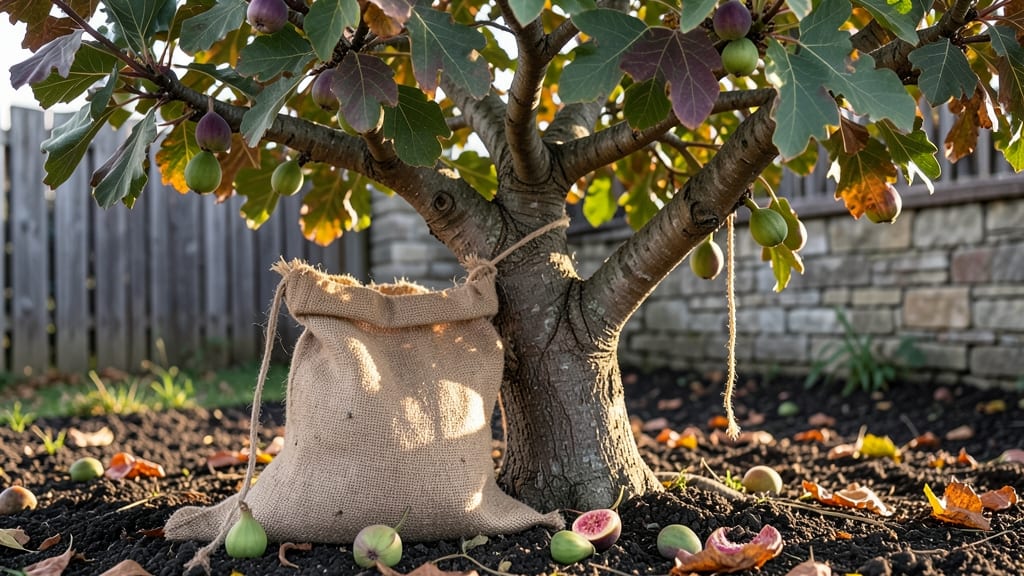
Wrapping a fig tree for winter is the secret to saving your tree—and your patience—when temperatures drop. 🌿 I learned the hard way when my first fig tree lost all its leaves and nearly died after a single cold snap.
The fix is simpler than you think: a few layers of protection, timed just right, and you’ll wake up to a tree ready to burst into life again.
You’ll need burlap or frost cloth (not plastic—it traps moisture), twine or zip ties, and maybe some mulch for extra insulation. The key is acting before the first frost, not after the damage is done.
Even in milder climates like Zone 8, a sudden cold snap can turn tender fig leaves to mush overnight. This method works whether you’ve got a potted tree on your patio or a mature one in the ground.
By spring, you’ll have a tree that looks like it never faced winter—plump buds, vibrant new growth, and maybe even a few early figs if you’re lucky. The best part?
Unwrapping it at the right time (when nights stay above freezing) keeps your tree from getting shocked by sudden warmth. No more guessing games—just a clear, foolproof system that’s worked for me for years.
Regional tweaks matter: Southern gardeners might skip heavy wrapping, while Northern growers should double up on layers. And here’s the pro tip—prune any damaged branches in early spring before new growth starts. Your fig tree will thank you with a harvest that makes all the winter prep worth it.
📚 In This Guide
- What you need
- Instructions
- Tips and common mistakes
- Wrapping up and next steps
What you need
- ● Burlap or frost cloth: At least 10–15 feet (for small trees) or 20+ feet (for larger fig trees). Choose breathable fabric to prevent moisture buildup.
- ● Twine or garden ties: 1–2 rolls of plastic-coated twine (won’t degrade in moisture) or soft cloth strips (for a gentler touch).
- ○ Staple gun (optional but helpful): A low-heat stapler (to avoid damaging the fabric) or clothespins as a DIY alternative.
- ● Scissors or pruners: For trimming excess fabric or securing edges neatly.
- ○ Insulation (optional but recommended): Straw or pine needles: 1–2 inches thick (natural and biodegradable).
- ● Bubble wrap or old blankets: Lightweight layers (avoid plastic directly against the trunk).
- ● Dry weather: Wait for a clear, calm day (no rain or wind forecast) to wrap your tree—wet fabric = frost risk!
- ● Pruned branches: Trim back any dead, weak, or crossing branches before wrapping (use sterilized pruners to prevent disease).
- ● Clean trunk: Remove dirt, moss, or debris from the trunk to ensure the wrap makes direct contact with the bark.
Step-by-Step instructions for wrapping a fig tree for winter
Here's the straightforward method I use every year—no fuss, just reliable protection.
🪴 Step 1: Choose the Right Wrapping Materials
Grab a breathable burlap sack (the kind garden centers sell for winterizing plants) and a 1-inch thick layer of bubble wrap or old blankets. You'll also need a few plastic tree ties or twine to hold everything in place. The key here is breathability—fig trees need to breathe, or they'll develop rot from trapped moisture.
I like to cut the burlap sack open along the seam so it unfolds flat, making it easier to wrap around the trunk and branches. If your tree has multiple trunks, use two sacks—one for each trunk and the main branches. This keeps everything snug without crushing delicate stems.
🌿 Step 2: Wrap the Trunk and Major Branches
Start by gently wrapping the bubble wrap or blanket layer around the trunk, pressing it firmly to eliminate air gaps. This layer acts as insulation against cold snaps. Secure it with plastic tree ties, spacing them about 6 inches apart—tight enough to stay in place but not so tight it restricts growth.
Next, cover the wrapped trunk with the burlap sack, overlapping the edges by 2-3 inches to seal out drafts. For larger branches, tuck them into the sack or wrap them separately with smaller strips of burlap. The goal is to create a cozy cocoon that shields the tree from freezing winds while allowing airflow.
💧 Step 3: Seal Gaps and Protect the Canopy
Check for any gaps where cold air could sneak in—especially around the base of the trunk and where branches meet the main stem. Use extra burlap or even duct tape (temporarily) to seal these spots. Real talk: I’ve seen fig trees suffer from frost creeping up through tiny openings, so don’t skip this.
If your tree has a dense canopy, you can also drape a lightweight frost cloth over the top branches to add another layer of protection. Secure it loosely with stakes or clothespins so it doesn’t smother the foliage. The cloth should just rest on the branches without weighing them down.
⏰ Step 4: Monitor and Adjust Through Winter
Once wrapped, keep an eye on your fig tree during the first few cold snaps. If you notice the burlap getting damp (from melting snow or heavy dew), gently loosen it for a few hours to let it dry out. Moisture trapped inside the wrap can lead to rot, and fig trees are particularly sensitive to this.
I like to check my trees every 2-3 weeks during winter, especially after storms. If the wrap shifts or loosens, tighten it back up. You’ll also want to watch for signs of stress—like brown or mushy spots on the bark—though these are rare if you’ve wrapped correctly.
☀️ Step 5: Unwrap in Early Spring
As soon as daytime temperatures consistently stay above 40°F, it’s time to unwrap your fig tree. Start by removing the outer burlap layer first, then carefully peel away the insulation. Do this on a warm, sunny day to minimize shock—fig trees wake up faster in gentle warmth.
Inspect the bark for any frost damage (it’ll look gray or sunken) and trim away any affected areas with clean pruners. Once unwrapped, give the tree a deep watering to help it recover from its winter nap. You’ll see new growth within a few weeks—that’s your signal everything worked!
Tips & tricks for perfect winter protection for fig trees
Here's what I've learned after years of trial and error to keep your fig trees thriving through winter.
Material Selection Tip: When choosing your burlap sack in Step 1, opt for the heaviest duty you can find—it provides better insulation. I've found that burlap from garden centers often has a slightly rough texture that helps trap more air, which is exactly what we want for that insulating layer. For the bubble wrap, if you're using old blankets instead, choose wool or fleece—they trap heat better than cotton. The goal is to mimic the tree's natural insulation while still allowing airflow.
Wrapping Technique: In Step 2, when you're securing the plastic tree ties every 6 inches, don't just wrap them around once. I make two complete circles with each tie—this prevents the wrap from shifting during windstorms. Also, leave a small gap at the bottom of the wrap (about 1 inch) to allow any melting snow to drain out rather than pooling against the trunk.
Canopy Protection: For trees with dense canopies in Step 3, I've found that using frost cloth makes a noticeable difference. The key is to drape it loosely—think of it like tucking a blanket around your shoulders rather than wrapping it tightly. If you don't have frost cloth, an old bedsheet works in a pinch, though it won't be quite as effective. The cloth should just rest on the branches without compressing them, allowing some airflow while blocking the worst of the wind and frost.
Seasonal Monitoring: When you check your trees every 2-3 weeks in Step 4, pay special attention to where branches meet the trunk—this is often where cold air sneaks in. I keep a small notebook by my back door where I jot down the date and any adjustments I made. This helps me track patterns year to year. If you notice any brown spots on the bark, don't panic—this is often just winter stress and will resolve once you unwrap in spring.
Pro Tips for Wrap A Fig Tree For Winter
- Here's what I've learned after years of trial and error to keep your fig trees thriving through winter.
- Material Selection Tip: When choosing your burlap sack in Step 1, opt for the heaviest duty you can find—it provides better insulation.
- Wrapping Technique: In Step 2, when you're securing the plastic tree ties every 6 inches, don't just wrap them around once.
Frequently asked questions
Got questions about wrapping your fig tree for winter? You’re not alone! Here are some of the most common concerns—and their answers—to help you prep like a pro.
When is the exact best time to wrap my fig tree?
Wrap your fig tree after the first hard frost (when temps drop to 25–30°F) but before heavy snow or prolonged freezing. Most gardeners aim for late fall to early winter—typically November in colder zones (5–8). If your fig is in a microclimate (like near a wall), monitor local forecasts and act when nighttime temps consistently dip below 30°F.
Can I reuse last year’s wrapping material?
Yes, but with caution! Clean and inspect for mold, mildew, or tears first. Avoid plastic that traps moisture (like old shrink wrap)—opt for breathable materials like burlap or frost cloth instead. If your tree stayed dry and healthy last year, a reused wrap can work, but replace it if it’s degraded or dirty. Pro tip: Add a fresh layer of mulch around the base to boost insulation.
What if I forget to wrap my fig tree—will it survive?
Many figs are surprisingly resilient! Young trees or varieties like Brown Turkey can tolerate brief cold snaps down to 15°F without wrapping, but prolonged freezing (below 20°F for days) risks dieback. If you missed wrapping, pile dry mulch (straw or leaves) around the base and cover the trunk with burlap or a blanket. Monitor for ice buildup—gentle brushing can help prevent damage.
Are there affordable alternatives to burlap or frost cloth?
Try these budget-friendly swaps:
- Old towels or blankets: Wrap loosely around the trunk (avoid plastic—it traps moisture).
- Cardboard egg cartons: Stuff them around the base for extra insulation (great for small trees!).
- Pine boughs or evergreen clippings: Pile them against the trunk like a natural shield.
- Newspaper or junk mail: Layer tightly around the trunk (remove in spring to avoid mold).
Why does my wrapped fig tree still look sad in spring?
Don’t panic! Slow growth in spring is normal—figs wake up gradually. Check for these issues:
- Over-wrapping: Too-tight materials can girdle the trunk. Loosen or rewrap if bark looks constricted.
- Moisture buildup: If the wrap stayed wet, fungal issues (like root rot) may develop. Ensure your material is dry before applying.
- Frost damage: Blackened leaves or bark? Prune dead wood in early spring and fertilize lightly to encourage recovery.
Still stumped? Drop your fig’s specific variety or climate zone in the comments—we’re happy to help troubleshoot!
Wrapping up and next steps
Wrapping your fig tree for winter is a simple yet powerful way to protect it from harsh frost and ensure a thriving harvest next season! 🌱 With the right materials—like burlap, frost cloth, or even mulch—and a few easy steps, you’ll give your tree the cozy shield it deserves. Don’t let winter catch you (or your tree) off guard—take action now to set your fig tree up for success!
Ready to wrap up your tree like a pro? Grab your supplies, follow the steps, and watch your fig tree flourish year after year. Next up: Check out our guide on spring pruning tips to keep your tree healthy and productive!