
Trees
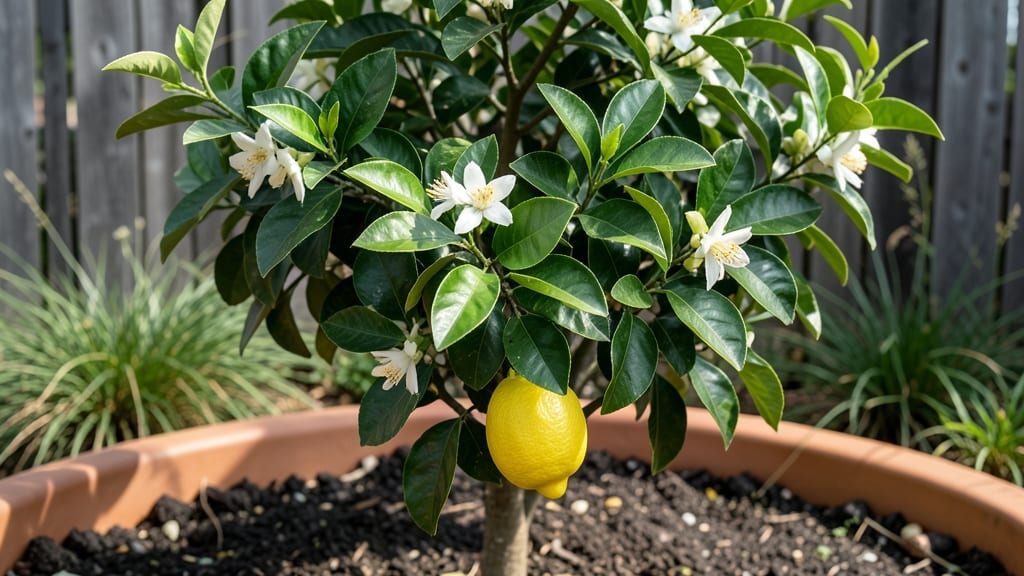
Growing citrus trees in pots lets you enjoy fresh oranges, lemons, and limes right on your patio—no backyard required. 🌱 I started with a single Meyer lemon tree in a 15-gallon pot, and now my balcony looks like a mini orchard.
The key is choosing compact varieties like dwarf mandarins or Calamondin oranges that thrive in containers while still producing fruit.
You’ll need a pot with drainage holes (at least 15 gallons for mature trees), well-draining citrus soil mix, and a sunny spot that gets 6-8 hours of light daily. Indoor growers can supplement with a full-spectrum LED grow light during winter months when natural light fades.
The right setup makes the difference between a struggling plant and a tree that bears fruit year after year.
With proper care, your potted citrus will reward you with fragrant blossoms and sweet fruit within 2-3 years. Prune lightly in spring to encourage bushier growth, and fertilize monthly with a citrus-specific blend during the growing season.
The best part? You can move your trees indoors before winter, protecting them from frost while still keeping them productive.
Whether you live in a small apartment or a warm climate, container citrus growing adapts to your space. The secret is patience and consistency—these trees aren’t fast, but the payoff of fresh fruit straight from your patio is worth every effort. Let’s get those trees thriving!
📚 In This Guide
- What you need
- Instructions
- Tips and common mistakes
- Wrapping up and next steps
What you need
- ● Citrus tree: Dwarf varieties like Meyer lemon, Calamondin orange, or Eureka lemon (1-3 plants, depending on space).
- ● Containers: Pots with drainage holes (12–18 inches in diameter for mature trees; larger for multiple plants). Use terracotta, ceramic, or high-quality plastic.
- ● Potting mix: Well-draining blend: 50% cactus/succulent mix, 30% perlite or pumice, and 20% compost (10–20 lbs per pot).
- ● Drainage layer: Pebbles, gravel, or broken pottery (2–3 inches at the bottom of each pot).
- ● Citrus fertilizer: Balanced, slow-release formula (e.g., 10-10-10 or 8-3-9) or organic options like fish emulsion (1–2 tbsp per plant, monthly in growing season).
- ● Watering can: With a narrow spout for precise watering (1–2 gallons capacity).
- ○ Mulch (optional but helpful): Pine bark or straw (1–2 inches on soil surface to retain moisture).
- ● Trowel or small shovel: For planting and repotting.
- ● Pruning shears: Sharp, clean pair for trimming (sterilize with rubbing alcohol between uses).
- ● pH test kit: To check soil acidity (ideal range: 6.0–7.0 for citrus).
- ● Spray bottle: For misting leaves (especially in dry climates).
- ○ Support stake (optional): For young trees if needed (bamboo or metal, 2–3 feet tall).
- ● Citrus-specific pest control: Neem oil or insecticidal soap (for aphids, scale, or spider mites).
- ○ Grow lights (optional): LED full-spectrum bulbs for indoor setups (12–16 hours of light daily).
- ● Sunlight: 6–8 hours of direct sun daily (south-facing window, balcony, or greenhouse).
- ● Temperature: 60–85°F (protect from frost; move indoors if temps drop below 40°F).
- ● Humidity: 40–60% (use a humidifier or pebble tray if air is dry).
- ● Water access: Regular tap water is fine, but avoid fluoridated or heavily chlorinated water long-term.
How to grow citrus trees in pots for year-round fruit
Here’s how I’ve kept dwarf citrus thriving indoors and outdoors—no greenhouse needed.
🪴 Step 1: Choose the Right Pot and Drainage
Start with a pot at least 12 inches wide and deep for each tree—citrus roots need room to spread. I use terracotta pots because they breathe and prevent root rot, but plastic works too if you drill extra drainage holes. Place a 2-inch layer of gravel or broken pottery at the bottom to ensure water drains freely. No drainage? Your citrus will drown in a week.
Citrus hates soggy feet, so I always double-check the holes are big enough. If you’re planting multiple trees, space them 3-4 feet apart—they’ll grow wider than you think. Here’s the thing—if your pot has wheels, move it outside in summer. Citrus loves fresh air but needs protection from strong winds.
🌱 Step 2: Use Fast-Draining Soil and Plant Correctly
Fill the pot with a mix of 50% potting soil, 30% perlite, and 20% compost. I avoid garden soil—it compacts and suffocates roots. Gently remove the tree from its nursery pot and loosen the roots if they’re circling. Place it in the new pot so the graft union (the bump where the top and rootstock meet) sits 1-2 inches above soil level. This prevents rot from moisture creeping up.
Press the soil lightly around the roots—no packing, just enough to hold the tree steady. Water deeply until it drains from the bottom. Too much soil means weak roots; too little means the tree can’t anchor. I like to tap the pot gently after planting to settle the soil without compacting it. Now, step back and admire your setup—you’ve done the hardest part.
☀️ Step 3: Master Light and Temperature for Fruit Production
Citrus needs 6-8 hours of direct sunlight daily, but no afternoon sun in summer—it burns leaves. If indoors, place it near a south-facing window or under grow lights for 12-14 hours a day. Outdoors, move it to partial shade afternoons in hot climates. You’ll know it’s getting enough light when leaves stay bright green, not yellow or pale.
Keep temperatures between 60-85°F—below 50°F and flowers drop. I’ve learned the hard way: drafts from windows or doors will shock the tree. If you’re in a cold winter zone, bring it inside before temps drop below 55°F. A heat mat under the pot in winter helps roots stay warm. Watch for new growth—spring flush is your reward for getting light and warmth right.
💧 Step 4: Water and Fertilize for Heavy Fruit Set
Water when the top 2 inches of soil feel dry—stick your finger in to check. Overwatering is the #1 killer of potted citrus. I use room-temperature water to avoid shocking roots. In summer, you might water every 2-3 days; in winter, once a week is often enough. Yellow leaves? Usually overwatering. Brown edges? Too little humidity.
Feed with a balanced citrus fertilizer every 4-6 weeks in spring and summer. I switch to low-nitrogen, high-potassium in fall to encourage fruiting. Never fertilize in winter—citrus rests then. Prune leggy growth after flowering to focus energy on fruit. Here’s the secret: pinch back new growth in late summer to prevent winter dieback.
✂️ Step 5: Prune and Harvest for Long-Term Health
Prune in late winter or early spring before new growth starts. Cut back 1/3 of the oldest growth to encourage new branches. Remove any dead, crossing, or inward-growing branches first—this opens the canopy for air flow. I always sterilize my pruners with rubbing alcohol to prevent disease. Thin out fruit clusters to 2-3 fruits per branch—overloaded trees drop fruit or produce small, bitter citrus.
Harvest when fruit is firm, colored fully, and slightly heavy for its size. Oranges and lemons take 6-12 months to ripen; grapefruit and limes can take longer. Twist gently to avoid tearing the stem. Store ripe fruit at room temperature for a few days before refrigerating. If your tree doesn’t fruit, it might need more sunlight or a cooler winter to break dormancy. Patience is key—some trees take 2-3 years to bear fruit in pots.
Tips & tricks for growing thriving citrus trees in pots
Real talk: Growing citrus in containers isn't just possible—it's easier than you think with these insider tricks.
Drainage is Non-Negotiable: That 2-inch gravel layer in Step 1 isn't just about drainage—it's about aeration. I've seen trees drown in pots with "good" drainage holes because the soil stayed compacted. Add a layer of coarse sand above the gravel for extra airflow to the roots. And if you're using plastic pots, drill holes in the bottom AND sides—citrus roots will grow everywhere if given the chance.
Light is Everything: The 6-8 hours of direct sunlight in Step 3 is your minimum, but here's what nobody tells you—citrus trees grow toward light like sunflowers. Rotate your pots quarter-turn weekly so the tree grows evenly, not lopsided. If you notice new growth leaning toward one window, it's already too late for that side. For indoor growers, LED grow lights with a full spectrum (red + blue) work better than cheap bulbs—they mimic natural sunlight more closely.
Temperature Secrets: Keeping roots between 60-85°F is key, but the real magic happens when you control the root zone temperature. In winter, place your pots on a ceramic tile or heat mat set to 70°F—this prevents cold shock that causes flower drop. I've lost count of how many trees I've saved by keeping roots warm while leaves freeze. And if you're in a hot climate, move pots to shade when temps hit 90°F—the roots will thank you.
Fertilizer Timing Matters: The 4-6 week schedule in Step 4 works, but here's the game-changer: feed lightly after pruning in late winter. The tree is recovering from dormancy and needs gentle nutrients to produce new growth. I use a fish emulsion (high in nitrogen) right after pruning, then switch to citrus-specific fertilizer once buds appear. And never fertilize when the soil is dry—always water first to avoid root burn.
Pro Tips for Growing Citrus Trees In Pots
- Real talk: Growing citrus in containers isn't just possible—it's easier than you think with these insider tricks.
- Drainage is Non-Negotiable: That 2-inch gravel layer in Step 1 isn't just about drainage—it's about aeration.
- Light is Everything: The 6-8 hours of direct sunlight in Step 3 is your minimum, but here's what nobody tells you—citrus trees grow toward light like sunflowers.
Frequently asked questions
Got questions about growing citrus in pots? You’re not alone! Here are some of the most common queries—and their answers—to help you cultivate a thriving mini orchard with confidence.
Can citrus trees really thrive in pots long-term?
With the right care, dwarf citrus varieties like Calamondin or Meyer Lemon can live for decades in containers. The key is choosing a pot with drainage, using well-draining soil, and repotting every 2–3 years to accommodate root growth. Just ensure the pot is large enough (at least 12–18 inches in diameter) and provide winter protection in colder climates.
How do I protect potted citrus trees in winter?
Citrus trees are tropical and need protection when temperatures drop below 40°F (4°C). Move pots to a garage, shed, or covered patio and wrap the container in bubble wrap or a frost cloth. Avoid heating sources like space heaters, which can dry out the soil. If you can’t move them, use mulch around the base and a tree wrap to shield the trunk.
When will my potted citrus tree bear fruit?
Patience is key! Most dwarf citrus trees take 2–5 years to bear fruit, depending on the variety and care. Meyer Lemons and Calamondins are faster, while Kumquats may fruit in as little as 1–2 years. Ensure your tree gets 6–8 hours of sunlight daily, regular watering (but no soggy soil), and balanced fertilizer (like 8-8-8) every 4–6 weeks during growing season.
Why are the leaves on my citrus tree turning yellow?
Yellow leaves usually signal overwatering, underwatering, or nutrient deficiencies. Check the soil—it should be slightly moist but not soggy. If the roots smell rotten, you’re overwatering. For yellowing between veins, it could be iron deficiency (common in alkaline soils). Try a chelated iron supplement or repot with acidic, citrus-specific soil. Pests like spider mites can also cause stress—inspect the undersides of leaves!
Can I grow citrus in pots indoors year-round?
While possible, indoor citrus trees struggle without plenty of light. Place them near a south-facing window or use grow lights (12–14 hours/day). Watch for leggy growth (a sign of insufficient light) and rotate the pot weekly for even exposure. Humidity is another challenge—mist leaves or use a pebble tray to combat dry indoor air. Expect smaller fruit and slower growth compared to outdoor trees.
How often should I repot my citrus tree?
Repot your citrus tree every 2–3 years or when roots circle the pot’s bottom (a sign of root-bound stress). Spring is the best time—choose a pot 2–4 inches larger in diameter and refresh the soil with a well-draining citrus mix. Prune 1/3 of the roots and trim back any crowded branches to encourage healthy growth. Avoid repotting during flowering or fruiting seasons.
Wrapping up and next steps
Growing citrus trees in pots is a rewarding journey that brings fresh, vibrant fruit right to your doorstep—no backyard required! 🌱 With the right container, soil, sunlight, and care, you can enjoy lemons, oranges, and limes year-round, even in small spaces.
Start small, stay consistent, and watch your tiny orchard thrive.
Ready to take the next step? Pick your favorite citrus variety, gather your supplies, and plant with confidence. Your future harvest (and happy taste buds) will thank you!