
Pruning
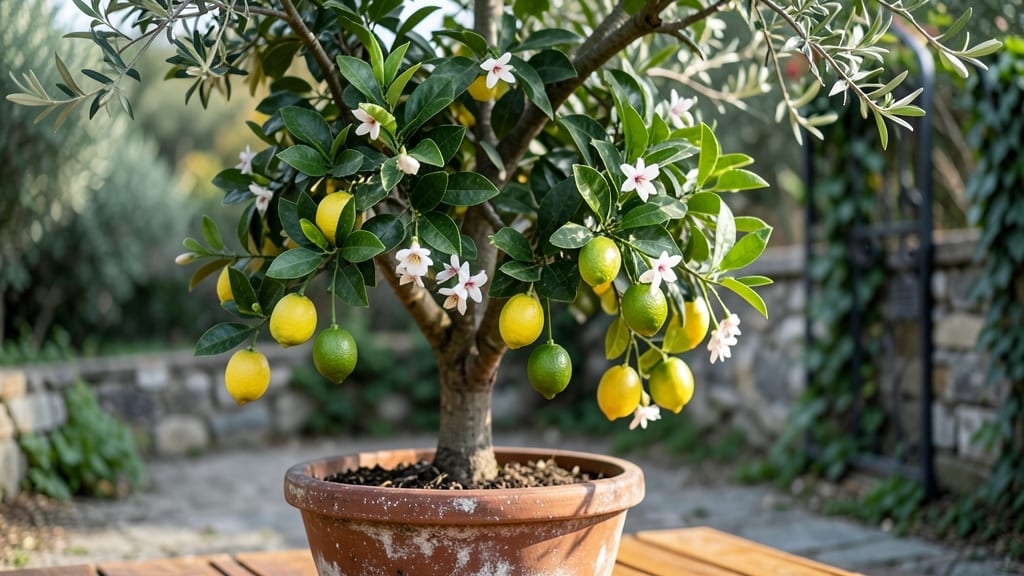
Mastering lemon tree care in pot unlocks fresh citrus year-round, even on a balcony or patio—just watch my Meyer lemon thrive indoors through three winters without a greenhouse. The secret isn’t just sunlight or water; it’s understanding how containers change everything from root growth to nutrient needs.
You’ll need a 15-20 gallon pot with drainage holes, a well-draining citrus mix, and a spot that gets 6-8 hours of sunlight daily. Overwatering kills more potted lemon trees than anything else, so we’ll tackle that first—along with pruning to keep the tree compact and fruitful.
This isn’t about guesswork; it’s about working with the plant’s natural rhythms.
By summer, you’ll be harvesting sweet, fragrant lemons that taste better than anything from the store. The tree stays manageable (no 20-foot monsters here), and with the right care, it keeps producing for years.
The best part? No more waiting for grocery store lemons—just reach out and pick them whenever you need that bright, zesty flavor.
We’ll cover everything from soil prep to troubleshooting yellow leaves, so you can avoid the mistakes that turn thriving trees into sad, leggy sticks. Let’s get your lemon tree growing strong—no green thumb required.
📚 In This Guide
- What you need
- Instructions
- Tips and common mistakes
- Wrapping up and next steps
What you need
- ● Pot: Minimum 12–15 inches in diameter (bigger for dwarf varieties like 'Meyer' lemons).
- ● Must have drainage holes (or drill them yourself!).
- ● Material: Terracotta (breathable) or plastic (retains moisture).
- ● Potting Mix: 50% well-draining citrus/succulent mix (e.g., Miracle-Gro Citrus Mix).
- ● 30% perlite or pumice (for aeration).
- ● 20% compost or worm castings (for nutrients).
- ● Lemon Tree: Dwarf or patio variety (e.g., 'Meyer' lemon, 'Improved Meyer', or 'Eureka' in smaller pots).
- ● Healthy, disease-free sapling (check for pests!).
- ● Tools: Trowel or small shovel (for repotting).
- ● Pruning shears (sterilized with rubbing alcohol).
- ● Spray bottle (for misting).
- ● Self-watering pot (if you travel often).
- ● Citrus fertilizer (balanced NPK, like 6-6-6 or organic options like fish emulsion).
- ● Saucer or tray (to catch excess water).
- ● Support stake or trellis (for heavier branches).
- ● Grow lights (if indoors, especially in winter).
- ● pH testing kit (ideal soil pH: 6.0–7.0).
Step-by-Step instructions for growing a lemon tree in a pot
Here’s how to keep your potted citrus thriving—with the right soil, light, and care tweaks.
Choose the Right Pot and Drainage
Start with a 12-15 inch diameter pot for your lemon tree, since roots need room to spread without becoming root-bound. Ensure it has multiple drainage holes—citrus hates soggy feet. I use unglazed terra cotta because it breathes, but plastic works too if you add a 1-2 inch layer of gravel at the bottom for extra drainage.
Skip the decorative saucer unless it has drainage holes—water pooling under the pot will drown the roots. If your pot lacks holes, drill them yourself or use a fabric grow bag inside the decorative container. The key is never letting water sit in the root zone—lemon trees in pots are prone to overwatering.
Use Well-Draining Soil and Fertilize Properly
Fill the pot with a citrus-specific potting mix—never garden soil, which compacts and suffocates roots. I blend 50% premium potting mix, 30% perlite or pumice, and 20% compost for the perfect balance of drainage and nutrients. This mix mimics the well-draining Mediterranean soil lemon trees thrive in.
Before planting, mix in a slow-release citrus fertilizer (look for one with balanced NPK like 6-6-6 or higher nitrogen for leaf growth). Apply it directly to the soil, then water lightly to activate it. Lemon trees are heavy feeders, so I fertilize every 4-6 weeks during spring and summer, but cut back in fall and winter when growth slows.
Position for Maximum Sunlight and Humidity
Lemon trees need 6-8 hours of direct sunlight daily, so place your pot near a south- or west-facing window or under a grow light if indoors. If outdoors, move it to a sheltered spot (like a patio or balcony) where it gets morning sun and afternoon shade in hot climates. Leggy growth or pale leaves mean it’s not getting enough light—adjust immediately.
Humidity is critical for citrus. If your home is dry, mist the leaves 2-3 times a week or place the pot on a pebble tray filled with water. Grouping pots together also raises humidity naturally. Watch for brown leaf tips—a classic sign of low humidity or underwatering.
Water Deeply but Infrequently
Water your lemon tree only when the top 2 inches of soil feel dry—stick your finger in to check. Overwatering is the #1 killer of potted citrus. When you water, do it deeply until water runs out the drainage holes, then empty the saucer. This encourages roots to grow downward instead of circling the pot.
In winter, reduce watering to every 2-3 weeks unless the soil is bone-dry. Lemon trees go semi-dormant in cooler months, and soggy soil invites root rot. If the leaves yellow or drop, it’s often a sign of overwatering—let the soil dry out completely before watering again.
Prune and Repot for Long-Term Health
Prune your lemon tree once a year in late winter or early spring to shape it and remove dead or crossing branches. Use clean, sharp pruners and cut just above a leaf node at a 45-degree angle. This encourages bushier growth and better airflow, reducing fungal risks. Never prune more than one-third of the tree at once—citrus is sensitive to aggressive cuts.
Repot every 2-3 years in spring, moving up to a pot 2-3 inches larger in diameter. This prevents root-bound stress, which causes stunted growth. When repotting, trim any circling roots gently with sterilized scissors. The new pot should have fresh potting mix—never reuse old soil, as it depletes nutrients and compacts over time.
Tips & tricks for perfect lemon tree care in pots
Between us, potted citrus thrives when you pay attention to the little details—especially when it comes to drainage, soil science, and seasonal adjustments. Here's what nobody tells you about keeping your lemon tree happy in containers.
Drainage Strategy: The 12-15 inch pot size in Step 1 isn't just about root space—it's about creating a proper water evacuation system. I've seen lemon trees drown in pots with "decorative" saucers that trap water. If you're using a non-porous container, elevate it on pot feet or a gravel bed to prevent water from sitting against the bottom. The key is maintaining that 1-2 inch gravel layer at the bottom as mentioned, but also ensuring the pot sits above any standing water in the saucer.
Soil Science Secret: That 50-30-20 soil blend in Step 2 isn't arbitrary—it's about mimicking Mediterranean conditions. The perlite or pumice creates air pockets that prevent compaction, while the compost provides slow-release nutrients. Pro tip: Sterilize your potting mix before use by baking it at 200°F for 30 minutes to kill any pathogens that could harm your tree's roots. This is especially important if you're repotting using old soil.
Light Positioning: The 6-8 hours of sunlight requirement in Step 3 is non-negotiable, but here's the trick: rotate your pot every 2-3 weeks. This prevents the tree from leaning toward the light source, creating an uneven growth pattern. I notice this most in winter when sunlight is weaker—giving your tree a quarter turn helps maintain that perfect symmetrical shape while ensuring all sides get equal light exposure.
Winter Care: When you reduce watering to every 2-3 weeks in Step 4, don't just cut back—adjust your approach completely. In winter, I move my lemon trees to a cooler location (around 50-55°F) away from heating vents. The reduced light levels mean the tree needs less water, but the cooler temperatures also slow down any potential fungal growth. This two-pronged approach prevents both overwatering and winter stress.
Pro Tips for Lemon Tree Care In Pot
- Between us, potted citrus thrives when you pay attention to the little details—especially when it comes to drainage, soil science, and seasonal adjustments.
- Drainage Strategy: The 12-15 inch pot size in Step 1 isn't just about root space—it's about creating a proper water evacuation system.
- Soil Science Secret: That 50-30-20 soil blend in Step 2 isn't arbitrary—it's about mimicking Mediterranean conditions.
Frequently asked questions
Got questions about keeping your potted lemon tree happy? Here are answers to the most common ones—so you can troubleshoot like a pro and enjoy fresh lemons year after year!
How often should I water my potted lemon tree?
Water your lemon tree when the top 1-2 inches of soil feel dry. In pots, this usually means every 5-7 days in warm weather, but reduce to every 10-14 days in winter. Overwatering is worse than underwatering—always check moisture before adding more!
When is the best time to prune my lemon tree in a pot?
Prune your lemon tree late winter or early spring (just before new growth starts) to shape it and encourage fruit production. Avoid heavy pruning in fall—it can stress the tree before winter. Use clean, sharp shears and remove no more than 1/3 of the foliage at once.
Can I grow a lemon tree in a small pot, or does it need a big one?
Lemon trees thrive in pots at least 18-24 inches wide and deep—smaller pots restrict root growth and stunt fruit production. If you’re short on space, opt for dwarf varieties like Meyer lemon and upgrade pots every 2-3 years as the tree grows.
Why aren’t my potted lemon tree leaves turning yellow?
Yellow leaves usually signal overwatering, nutrient deficiency, or pest issues. Check for:
- Root rot: Let soil dry out more between waterings.
- Nitrogen deficiency: Feed with citrus fertilizer every 4-6 weeks.
- Pests: Inspect for aphids or mites—spray with neem oil if needed.
How much sunlight does a potted lemon tree really need?
Lemon trees are sun-worshippers! Aim for 6-8 hours of direct sunlight daily. In hot climates, provide afternoon shade to prevent leaf scorch. If indoors, place near a south-facing window or use grow lights for 12+ hours/day.
Pro Tip:
Need a quick fix for leggy growth? Move your pot closer to the light and rotate it weekly so all sides get even sun exposure. Happy trees = happy lemons!
Wrapping up and next steps
Growing a lemon tree in a pot is totally doable—just remember the key tricks: choose the right container, prioritize drainage, and give your tree plenty of sunlight and love! With consistent care, you’ll soon enjoy fresh lemons right at home. 🍋✨
Ready to take the next step? Start by picking your pot and soil mix today! Your citrus adventure begins now—happy planting! 🌱