
Pruning
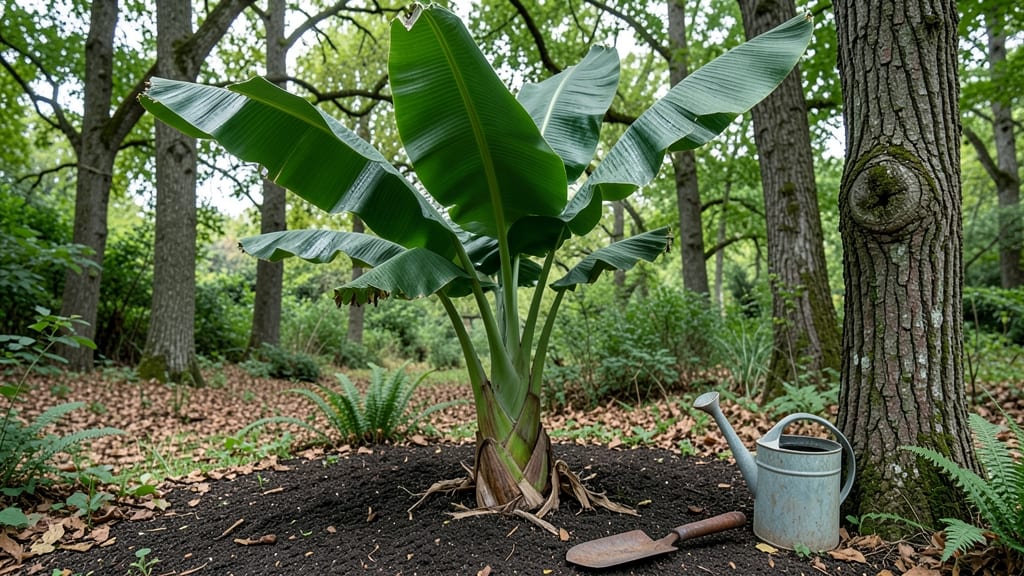
Growing a hardy Japanese banana tree (Musa basjoo) means trading store-bought bananas for towering tropical drama right in your yard—no greenhouse needed. 🌿 I planted mine in zone 8 last spring, and by summer, it shot up 12 feet with bold, architectural leaves that catch every sunset.
The secret isn’t just the soil or sun—it’s knowing when to prune to keep it thriving year-round, even through winter freezes.
This tree isn’t fussy, but it does demand respect. Start with well-draining soil mixed with compost, and give it full sun (at least 6 hours daily). Water deeply when the top 2 inches of soil dry out, but avoid soggy roots—this is a tropical plant that hates wet feet.
The pruning schedule is where most people stumble, so I’ll walk you through the exact cuts that encourage 15-foot growth without sacrificing winter hardiness.
By the end of summer, you’ll have a lush, leafy giant that outshines any palm, plus a stash of edible (though small) bananas if you’re patient. The real magic happens in winter: with proper pruning, it stays dormant but alive, ready to burst back in spring.
We’ll cover how to protect it from frost, spot early signs of stress, and even propagate new plants from those old stalks.
Whether you’re in zone 7’s chilly winters or zone 10’s mild climate, this blueprint adapts. No more guessing—just foolproof steps to turn your yard into a mini bamboo forest with bananas. Let’s get those shears sharp and start pruning!
📚 In This Guide
- What you need
- Instructions
- Tips and common mistakes
- Wrapping up and next steps
What you need
- ● Pruning shears or loppers – Bypass-style (for clean cuts), 6–10" blades. Sterilize with rubbing alcohol before/after use!
- ● Sharp pruning saw – For thick stems (>1" diameter). Look for non-serrated edges to prevent tearing.
- ● Gloves – Heavy-duty, cut-resistant (banana pseudostems have sharp edges!).
- ● Disinfectant (10% bleach solution or hydrogen peroxide) – 1 part bleach : 9 parts water to sanitize tools and cuts.
- ● Compost bin or mulch – To recycle pruned pseudostems (they’re 100% biodegradable!).
- ● Measuring tape – For tracking stem height and growth nodes (aim to prune 1/3 of the plant’s height annually).
- ○ Permanent marker – To mark cuts if pruning in stages (optional but helpful for large trees).
- ● Hand pruners with ratchet mechanism – For zero hand fatigue on towering trees.
- ● Extension pole pruners – Reach 10–12 feet high safely (great for mature specimens!).
- ● Plant sealant (pruning wax) – Apply to large cuts >2" to prevent disease entry.
- ● Ladder (stable, 3-sided) – Only if your tree exceeds 8 feet—never stand on wobbly ladders!
- ● Camera or phone – Snap before/after photos to track growth patterns year-round.
How to prune a hardy Japanese banana tree for year-round growth
Here's the straightforward approach I use to keep these tropical giants thriving in cooler climates.
🌿 Step 1: Identify and Remove Dead or Damaged Fronds
Start by inspecting your tree from the base upward. Look for fronds that are completely brown, brittle, or hanging limp—these won't recover. I grab each frond near the base and give it a gentle tug. If it comes away easily, it's dead and ready for removal. Healthy fronds will resist slightly when you test them.
Use clean, sharp pruning shears to cut about 1 inch above the point where the frond meets the trunk. This prevents water from pooling at the cut site, which could cause rot. Never pull fronds off by hand—you'll tear the trunk tissue and create entry points for pests. Work your way from the oldest fronds inward to maintain the tree's natural shape.
✂️ Step 2: Prune for Airflow and Light Penetration
Japanese banana trees need good airflow to prevent fungal diseases. I focus on removing fronds that are growing too close together, especially in the center of the plant. Aim to leave at least 2-3 inches of space between fronds to allow light and air to circulate freely. This is where most gardeners make mistakes—they leave too many fronds, thinking more is better.
For each frond you're keeping, check the underside for signs of pests like scale or spider mites. If you spot any, isolate the frond and dispose of it immediately. The goal is to create an open, airy structure that lets sunlight reach the center of the plant. You'll see new growth emerge from the center within 4-6 weeks if you've pruned correctly.
🌱 Step 3: Encourage New Growth with Strategic Cuts
Once you've removed dead and crowded fronds, look for the youngest, healthiest fronds near the top of the plant. These are your growth leaders. I leave these untouched unless they're damaged. The key here is to stimulate new growth from the center by making a clean cut about 6-8 inches below the base of the youngest frond.
This cut encourages the tree to send out new shoots from the center, creating a fuller, more compact plant. Be patient—new fronds may take 2-3 weeks to appear. During this time, keep the soil consistently moist but not soggy. You'll know you're on the right track when you see small, tight fronds emerging from the center of the plant.
🪴 Step 4: Seasonal Maintenance for Year-Round Health
In late winter or early spring, before new growth begins, do a final pruning to shape the tree. Remove any remaining dead fronds and trim back any overly long or leggy growth. This is also the time to check for any signs of winter damage, like cracked or split trunks. If you find any, apply a thin layer of wound dressing to protect the exposed areas.
After pruning, give your tree a balanced fertilizer to support new growth. I use a slow-release fertilizer in early spring and again in midsummer. Water deeply after fertilizing to help the nutrients reach the roots. With proper care, your Japanese banana tree will continue to grow and thrive, even in cooler climates.
Tips & tricks for perfect hardy Japanese banana tree pruning
Here's what I've learned after years of pruning these tropical giants—mistakes I made that cost me beautiful growth.
Tool Prep: Sterilize your pruning shears with rubbing alcohol before you start. I learned this the hard way after my first pruning session led to fungal infections spreading through the cuts. Clean tools prevent bacterial and fungal transfer between fronds, giving your tree the best chance to heal properly. Always wipe them down between cuts, especially when dealing with diseased fronds.
Seasonal Timing: The late winter/early spring timing in Step 4 is critical because it aligns with your tree's natural dormancy period. In cooler climates, this gives new growth a head start before summer heat arrives. If you prune too early, you risk exposing the tree to late frosts that can damage tender new shoots. Wait until you see the first signs of new growth buds forming before doing your final shaping cuts.
Visual Growth Indicators: When you're waiting for those 2-3 weeks of new growth after your strategic cuts in Step 3, watch for tiny, tight fronds emerging from the center. These look like miniature versions of mature fronds but with a bright green color. The key is patience—don't be tempted to prune again too soon. These new shoots need time to establish strong root systems before they'll support larger fronds.
Pest Prevention: After you've removed all the fronds, give your tree a preventive treatment with neem oil mixed with water (1 tablespoon per quart) and spray it lightly on the remaining fronds. I do this every 2-3 weeks during growing season to keep pests like spider mites at bay. The oil creates a protective barrier while being gentle enough for regular use. This simple step has saved my trees from multiple infestations over the years.
Pro Tips for Hardy Japanese Banana Tree
- Here's what I've learned after years of pruning these tropical giants—mistakes I made that cost me beautiful growth.
- Tool Prep: Sterilize your pruning shears with rubbing alcohol before you start.
- Seasonal Timing: The late winter/early spring timing in Step 4 is critical because it aligns with your tree's natural dormancy period.
Frequently asked questions
Got questions about keeping your hardy Japanese banana tree thriving? Here are the answers to common concerns—from pruning puzzles to seasonal care—so you can enjoy lush, year-round growth with confidence!
How often should I prune my hardy Japanese banana tree?
Prune your tree once a year in late winter or early spring (before new growth starts) to remove dead or damaged fronds. For shaping, light trims can happen mid-summer, but avoid heavy cuts during dormancy. Focus on healthy growth—never prune more than ⅓ of the foliage at once!
Can I prune my banana tree in winter?
Yes, but only lightly! Winter is dormancy season, so avoid heavy pruning. Instead, trim only dead or diseased fronds to prevent pests. Wait until spring (when new shoots appear) for full pruning. Cold-hardy varieties like Japanese banana trees handle winter better, but frost damage should be cut back after the last frost.
What do I do if my banana tree looks sick after pruning?
If your tree shows yellowing leaves, wilting, or oozing sap post-pruning, it may be stressed or infected. Act fast:
- Check for clean cuts—use sterilized tools and seal larger wounds with pruning paste.
- Water deeply but avoid overwatering (root rot is a risk!).
- Monitor for pests (like spider mites) and treat with neem oil if needed.
- Fertilize lightly with balanced fertilizer (10-10-10) to boost recovery.
Should I prune flowers or fruit from my hardy Japanese banana?
Remove flowers and fruit
if you’re not harvesting—this redirects energy to foliage and trunk growth. For cold climates, prune off blooms entirely to protect the tree from frost damage. Save fruit production for warmer zones (USDA 7–10) where the tree can mature fully.
What’s the best alternative if my banana tree struggles in my climate?
If your hardy Japanese banana (Musa basjoo) struggles with extreme cold (<20°F) or poor drainage, consider these low-maintenance alternatives:
- Dwarf Cavendish (smaller, fruit-bearing, USDA 9–11).
- Ornamental Plantain (Musa acuminata)—tolerates cooler temps than tropical bananas.
- Strelitzia nicolai ("Giant Bird of Paradise")—similar height, freeze-hardy to 20°F.
- Cordyline (Ti Plant)—drought-tolerant and cold-resistant (USDA 8–11).
Wrapping up and next steps
Growing a hardy Japanese banana tree is a rewarding journey that blends patience with stunning results—year-round! With the right pruning techniques, you’ll foster lush foliage, vibrant blooms, and even bountiful fruit. Remember, consistency is key: trim regularly, protect from frost, and feed wisely to keep your tree thriving.
Ready to watch your tropical oasis flourish? Start small—pick one pruning session this week and observe how your tree responds. Before you know it, you’ll be the proud gardener of a towering, healthy Japanese banana tree that turns heads (and maybe even your neighbors’ envy)!