
Pruning
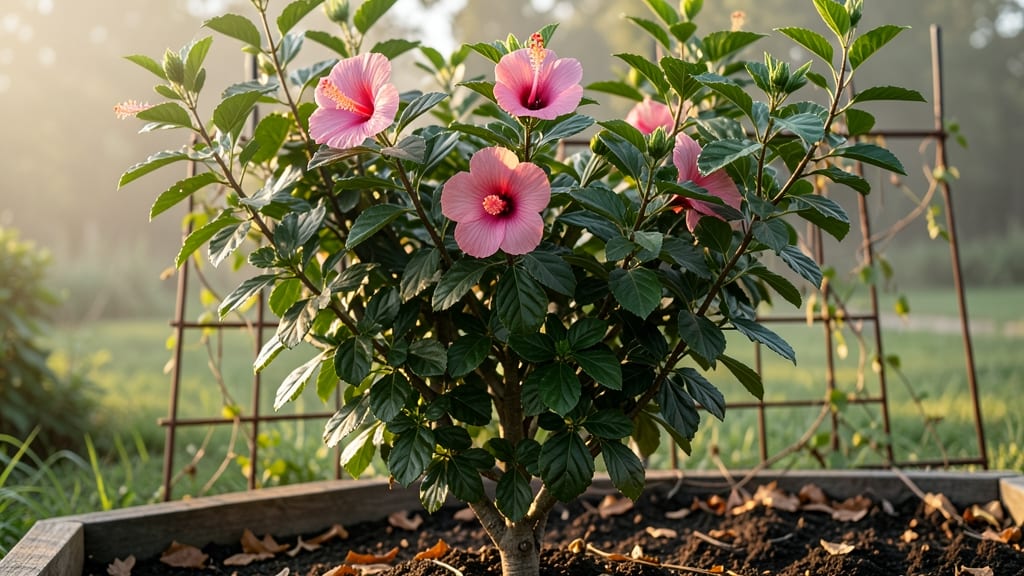
Proper hibiscus tree care outdoor starts with sunlight—six hours of direct sun daily is non-negotiable for those showstopping blooms we all crave. 🌿 I learned this the hard way after my first hibiscus spent a summer hiding. behind my neighbor's fence, producing half the flowers and twice the stress.
The difference between a lush, blooming giant and a sad, leggy shrub often comes down to where you place it—and when you prune to encourage that perfect light exposure.
Start with well-draining soil mixed with compost, and water deeply 2-3 times a week during hot months, letting the top inch dry between soakings. Hibiscus trees hate soggy roots but love consistent moisture, so mulch around the base to lock in humidity and keep weeds at bay.
The key is balance: too little water and the leaves crisp; too much and you risk root rot. My tree now drinks like a champ in summer and barely needs water in winter—once I got the rhythm right.
You’ll know you’re doing it right when your tree bursts into vibrant blooms from spring through fall, with some varieties even flowering in winter if you live in a mild zone.
The leaves stay glossy and dark green, and the branches fill out instead of stretching weakly toward the sun. Prune lightly after each flush of blooms to shape the tree and encourage new growth—just avoid cutting into old wood, or you’ll sacrifice next year’s flowers.
For those pesky issues like yellow leaves or aphids, don’t panic—most problems fix with the right adjustments. Yellowing often means overwatering or poor drainage, while aphids respond to a strong spray of water or neem oil.
With consistent care, your hibiscus will reward you with years of drama-worthy flowers, becoming the centerpiece of your outdoor space. Ready to give it the spotlight it deserves?
📚 In This Guide
- What you need
- Instructions
- Tips and common mistakes
- Wrapping up and next steps
What you need
- ● Hibiscus Tree: Choose a healthy, disease-free sapling (dwarf, tropical, or hardy varieties work well).
- ● Well-draining soil: 5+ gallons of a mix of 60% topsoil, 30% compost, and 10% perlite/sand (pH 6.0–6.5).
- ● Organic mulch: 2–3 inches of pine bark, wood chips, or straw (keeps roots cool and moist).
- ● Fertilizer: Balanced fertilizer (10-10-10): 1–2 cups per season (spring/fall).
- ○ Citrus-specific or hibiscus fertilizer: Optional but boosts blooms!
- ● Pruning tools: 1 pair of sterilized bypass pruners (for clean cuts).
- ● 1 pair of loppers (for thicker branches, up to 1.5" diameter).
- ● 1 pruning saw (for stubborn, woody stems).
- ● Watering can or hose: With a gentle spray nozzle (hibiscus hates soggy roots!).
- ○ Support stake (optional): 1–2 6-foot wooden or bamboo stakes + soft ties (for young or top-heavy trees).
- ● Slow-release fertilizer spikes: For hassle-free nutrient delivery.
- ● Epsom salt (magnesium sulfate): 1 tbsp/month in water (boosts green growth).
- ● Neem oil or copper fungicide: For pest/disease prevention (especially in humid climates).
- ● Shade cloth (30–50% coverage): To protect young trees from harsh afternoon sun.
- ● Tree collar protector: A plastic guard to shield the trunk from lawnmower damage.
Step-by-Step guide to outdoor hibiscus tree care
Here's how I keep my hibiscus thriving—sunlight, soil, and seasonal tweaks make all the difference.
☀️ Step 1: Choose the Perfect Sunlight Spot
Hibiscus trees crave 6-8 hours of direct sunlight daily for those showstopping blooms. I always plant mine where they get morning sun and afternoon shade in hot climates—this prevents leaf scorch. Watch for yellowing leaves or brown edges: that's your cue the light is too intense.
If your yard has limited sun, pick a south-facing location for maximum exposure. Young trees can handle partial shade, but mature hibiscus will reward you with more flowers when they get plenty of light. I've seen hibiscus in full shade still grow, but they'll focus on leaves instead of blooms.
💧 Step 2: Water Deeply and Regularly
Water your hibiscus 2-3 times per week during the first year, then adjust based on rainfall. The key is deep watering—soak the soil until it's moist 12 inches down. You'll know it's right when water runs out the drainage holes without puddling.
Mulch around the base with 2-3 inches of organic mulch to retain moisture and regulate soil temperature. I always keep mulch 6 inches away from the trunk to prevent rot. Overwatering is the #1 killer—yellow leaves or wilting despite wet soil means you're drowning the roots.
✂️ Step 3: Prune for Shape and Blooms
Prune in late winter or early spring before new growth starts. Cut back one-third of the oldest stems to encourage fresh growth and more flowers. I always make cuts just above a leaf node or outward-facing bud to promote bushier growth.
Remove any dead, diseased, or crossing branches first. For shaping, I focus on opening up the center to improve airflow—this prevents fungal issues. Never prune in fall, as new growth won't harden off before winter.
🌿 Step 4: Feed for Vibrant Growth
Apply a balanced 10-10-10 fertilizer in early spring when you see new leaves emerge. I use about 1 tablespoon per year of tree age (so 1 tbsp for a 1-year-old, 2 tbsp for a 2-year-old, etc.). Water well after applying to prevent root burn.
Switch to a low-nitrogen, high-phosphorus fertilizer (like 5-10-10) when you see buds forming in late spring. This shift encourages blooming over leafy growth. Hibiscus are heavy feeders, but too much nitrogen will give you lush foliage and few flowers—exactly what you don't want.
⏰ Step 5: Winterize for Cold Climates
If you're in USDA zones 7-9, protect your hibiscus from winter chill. Wrap the trunk with burlap or tree wrap and mound 4-6 inches of mulch around the base. I've seen hibiscus survive down to 20°F with proper protection, but they'll need extra care.
In zones 6 and colder, dig up container-grown hibiscus and store them in a garage or basement. Keep them just above freezing and water sparingly every 4-6 weeks. The goal is dormancy, not growth—don't fertilize during winter months.
Tips & tricks for perfect outdoor hibiscus tree care
A few simple strategies will help you keep your hibiscus blooming beautifully all year long.
Sunlight Strategy: In Step 1, when choosing your sunlight spot, pay attention to seasonal sun patterns. Morning sun helps prevent leaf scorch in hot afternoons, but if your hibiscus gets less than 6 hours of direct light, supplement with a grow light for 2-3 hours daily during winter months. I've seen hibiscus in partial shade still produce flowers, but they'll be fewer and smaller—worth the effort for those stunning blooms!
Watering Wisdom: The deep watering technique in Step 2 is crucial—those 2-3 inches of water should penetrate to 12 inches down. Test this by digging a small hole after watering; if it's dry at that depth, water again. I've ruined hibiscus by overwatering, so always check the soil moisture before watering—stick your finger in the soil 2 inches down. If it's damp, wait a day or two.
Pruning Precision: When pruning in late winter (Step 3), focus on removing one-third of the oldest stems first. These are the thicker, woody branches that produce fewer flowers. I always look for stems that are at least pencil-thick—these are the ones to cut back. Make clean cuts at a 45-degree angle just above a leaf node or outward-facing bud to encourage new growth in the right direction.
Fertilizing Finesse: The fertilizer timing in Step 4 is key—switching to low-nitrogen, high-phosphorus when buds form makes all the difference. I've found that hibiscus respond best to fertilizer when they're actively growing. If you miss the early spring application, don't worry—just apply it as soon as you see new leaves emerging. And remember, less is more with hibiscus—they're heavy feeders but can get burned easily.
Pro Tips for Hibiscus Tree Care Outdoor
- A few simple strategies will help you keep your hibiscus blooming beautifully all year long.
- Sunlight Strategy: In Step 1, when choosing your sunlight spot, pay attention to seasonal sun patterns.
- Watering Wisdom: The deep watering technique in Step 2 is crucial—those 2-3 inches of water should penetrate to 12 inches down.
Frequently asked questions
Got questions about keeping your hibiscus tree thriving outdoors? Here are some of the most common concerns—and their solutions—to help you grow a vibrant, healthy plant year-round.
How much sunlight does a hibiscus tree really need?
A hibiscus tree loves sunlight—aim for 6 to 8 hours of direct light daily. If you notice yellowing leaves or sparse blooms, it might be getting too little sun. In hot climates, provide afternoon shade to prevent leaf scorch. Pro tip: East or west-facing spots are ideal for balanced sun exposure.
How often should I water my outdoor hibiscus tree?
Water deeply 2 to 3 times per week during the growing season (spring to fall), ensuring the top 6 inches of soil stay moist. In winter, reduce watering to once every 2 weeks unless your region is unusually dry. Overwatering is a common mistake—check soil moisture with your finger before watering!
When is the best time to prune a hibiscus tree?
Prune your hibiscus right after flowering (late winter to early spring) to encourage new growth and more blooms. Avoid heavy pruning in fall—it can stunt winter hardiness. Light trimming to shape the tree can happen anytime, but skip pruning during active bloom season to preserve flowers.
What pests or diseases should I watch for in outdoor hibiscus trees?
Keep an eye out for aphids, whiteflies, and spider mites—they love hibiscus leaves! Treat infestations early with insecticidal soap or neem oil. Fungal issues like anthracnose (brown spots on leaves) thrive in humid conditions. Improve airflow and avoid overhead watering to prevent fungal outbreaks.
Can hibiscus trees survive winter outdoors?
Most hibiscus varieties are tropical or subtropical and need protection in freezing temps. If you live in USDA zones 9-11, mulch the base and wrap the trunk in burlap. In colder zones, dig up the tree and pot it for indoor winter care. Hardy hibiscus (like Hibiscus moscheutos) can tolerate 20°F with proper prep!
Wrapping up and next steps
Caring for your hibiscus tree outdoors is all about balancing sunlight, water, and love—and with the right techniques, you’ll enjoy vibrant blooms and lush foliage year-round! 🌞 From pruning to seasonal adjustments, every step keeps your tree thriving.
Now that you’re armed with the sunlight secrets and troubleshooting tips, it’s time to roll up your sleeves and give your hibiscus the attention it deserves.
Ready to watch your tree flourish? Start by scheduling your next pruning session—whether it’s shaping for summer or preparing for winter—and enjoy the rewarding process of nurturing your outdoor beauty! 🌸