
Trees
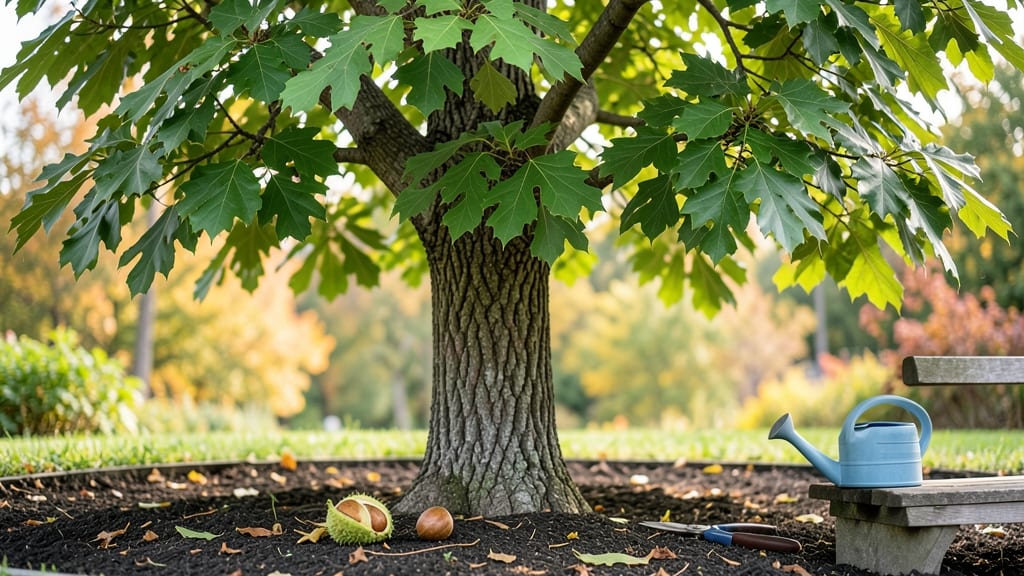
Growing hickory trees from seed to towering shade giants is one of the most rewarding long-term projects in gardening—especially when you end up with those coveted nuts. 🌳 I planted my first shagbark hickory from seed 12 years ago, and now it produces enough nuts to share with neighbors every fall.
The key isn't just patience—it's understanding their bold growth habits and specific needs.
These sun-loving giants demand full sun (6+ hours daily) and deep, well-draining soil rich in organic matter. Most home gardeners overlook that hickory roots need space—plant saplings at least 30 feet apart to avoid future crowding.
Watering young trees deeply once a week is better than frequent shallow drinks, and mulching keeps moisture consistent while protecting roots from summer heat.
What you'll get is a majestic tree that provides shade, wildlife habitat, and—if you're lucky—edible nuts by age 10-15. The shagbark variety has the most dramatic bark, while pecan hickories offer the best flavor.
Even if you never harvest nuts, the sheer presence of a mature hickory transforms any landscape into a statement piece.
Perfect for rural properties with space to spare, but even city lots can accommodate dwarf varieties in large containers. Here's how to get started with the right approach for your climate and soil type.
📚 In This Guide
- What you need
- Instructions
- Tips and common mistakes
- Wrapping up and next steps
What you need
- ● Hickory seeds or saplings: Choose between shagbark, mockernut, or pecan varieties (seeds must be fresh or cold-stratified for best results).
- ● Well-draining soil: Aim for a mix of 60% topsoil, 30% compost, and 10% coarse sand (pH 6.0–7.5).
- ● Organic mulch: 3–4 inches of wood chips or pine straw to retain moisture and suppress weeds.
- ● Watering can or hose: With a gentle spray nozzle for seedlings.
- ● Fertilizer: Balanced 10-10-10 or low-nitrogen, high-phosphorus (e.g., 5-10-10) for young trees.
- ● Garden trowel or shovel: For digging holes 3x wider and as deep as the root ball.
- ● Pruning shears: Bypass-style (sharp, 6–8" blades) for trimming.
- ● Measuring tape: To ensure proper spacing (30–50 feet apart for mature trees).
- ● Garden gloves: Heavy-duty for handling rough bark or thorny saplings.
- ○ Tree stakes & ties (optional): For young saplings in windy areas (2–3 stakes per tree).
- ● Sunlight: Full sun (6+ hours daily)—hickories thrive in open, sunny spots!
- ● Space: Minimum 50 feet between trees (they grow 50–75 feet tall).
- ● Patience: Seeds take 2–3 years to sprout; saplings mature in 10–20 years for nuts.
- ● Local climate check: Hickories prefer USDA Zones 4–9 (avoid frost-prone areas for young trees).
- ● 🌡️ Cold stratification: Soak seeds in water for 24 hours, then refrigerate in a damp paper towel for 3 months to break dormancy.
- ● ✨ Soil test: Check for low phosphorus—hickories need it for root growth!
- ● 🔥 Deer protection: Use tree guards or fencing if deer are a threat (they love young hickories!).
Step-by-step instructions for planting and caring for hickory trees
Here's how to grow these majestic trees from saplings to towering shade providers.
🌱 Step 1: Choose the Perfect Planting Site
Hickory trees thrive in full sun—select a spot with at least 6-8 hours of direct sunlight daily. They need room to spread, so plant saplings at least 30 feet apart or farther for larger varieties. Test your soil first—hickories prefer well-draining, slightly acidic soil with a pH between 6.0 and 7.0. If your soil is heavy clay, amend it with 2-3 inches of compost mixed into the top 12 inches of soil.
Dig a hole twice as wide as the root ball but only as deep. The top of the root ball should sit 1 inch above ground level—this prevents waterlogging while roots establish. Avoid planting in low-lying areas where water pools, as soggy soil strangles young roots. Here's the thing—hickories grow slowly at first, so give them space now to avoid future crowding.
🪴 Step 2: Plant with Care and Mulch Properly
Gently remove the sapling from its container and loosen any circling roots with your fingers. Place it in the hole so the root flare (where roots meet the trunk) sits at ground level. Backfill with the native soil, tamping lightly every 6 inches to remove air pockets. Water deeply to settle the soil around roots—you'll know it's right when moisture reaches 6 inches down.
Spread 3 inches of mulch (wood chips or shredded bark) over the soil surface, keeping it 3 inches away from the trunk to prevent rot. Mulch conserves moisture and regulates soil temperature, which is critical for young hickories. Water again until the soil feels damp 6 inches down. Real talk: Overwatering now is worse than underwatering—let the soil dry slightly between waterings once established.
☀️ Step 3: Provide Support and Monitor Growth
Stake young hickories only if needed—these trees develop strong root systems quickly. If you do stake, use two stakes on opposite sides, tied loosely with soft fabric strips (not wire). The goal is to prevent swaying in wind, not immobilize the tree. Remove stakes after 1-2 years to encourage natural trunk strength. You'll see new growth in 3-5 years, but patience pays off—hickories grow 1-2 feet per year when young.
Fertilize lightly in early spring with a balanced 10-10-10 fertilizer (use ½ pound per inch of trunk diameter). Hickories are deep-rooted and don't need frequent feeding, but a slow-release fertilizer gives them a boost. Watch for signs of stress: yellowing leaves often mean too much water, while brown edges signal drought. Adjust your watering until you see steady dark green foliage by midsummer.
✂️ Step 4: Prune for Health and Shape
Prune hickories only to remove dead, diseased, or crossing branches—never for shaping. Use clean, sharp pruners to make cuts just outside branch collars. The best time to prune is late winter or early spring before new growth begins. Avoid heavy pruning, as hickories produce nuts on older wood and respond poorly to aggressive cuts. You'll know you're doing it right when the tree maintains an open canopy with no crowded branches.
Watch for signs of pests like hickory shuckworms or nut weevils—these can damage nuts but rarely harm the tree itself. If you notice chewed leaves or holes in shucks, remove affected nuts and treat with neem oil if needed. Hickories are tough trees, but prevention is easier than cleanup. Here's the moment that matters: When your tree starts producing nuts (usually 10-15 years old), you'll know you've done everything right.
Tips & tricks for perfect hickory tree planting
Between us, these sun-loving giants reward patience—but only if you set them up right from the start. Here's what nobody tells you about growing hickories that'll stand the test of time.
Sunlight Secret: Those 6-8 hours of daily sun aren't just a suggestion—they're non-negotiable. If your spot gets afternoon shade, consider a different location. I've seen hickories planted in partial shade grow 30% slower and produce fewer nuts. Trust me on this: Measure your sun exposure with a solar tracker app before planting, especially if you're in a climate with unpredictable weather patterns.
Soil Prep Game-Changer: The 2-3 inches of compost mixed into the top 12 inches of soil isn't just about nutrients—it's about creating the perfect drainage. If your soil tests higher than pH 7.0, add elemental sulfur to lower it gradually. I learned this the hard way after ruining three saplings with alkaline soil that caused root rot. The key is to test your soil before planting, not after.
Mulching Wisdom: That 3-inch layer of mulch isn't just decoration—it's a moisture regulator. Keep it 3 inches away from the trunk to prevent rot, but don't skimp on the coverage. In hot climates, mulch helps maintain soil temperature at a consistent 65-70°F, which is ideal for root development. Pro tip: Use wood chips from untreated hardwoods—they break down slowly and won't compact like shredded bark.
Pest Prevention: You'll know you're doing it right when your tree starts producing nuts around 10-15 years old—but only if you've prevented pests early. I've found that applying neem oil in early spring (before buds open) creates a protective barrier that deters hickory shuckworms and nut weevils. The best part? It's organic and won't harm beneficial insects. Think of it as your tree's first line of defense against common nuisances.
Pro Tips for Hickory Trees
- Between us, these sun-loving giants reward patience—but only if you set them up right from the start.
- Sunlight Secret: Those 6-8 hours of daily sun aren't just a suggestion—they're non-negotiable.
- Soil Prep Game-Changer: The 2-3 inches of compost mixed into the top 12 inches of soil isn't just about nutrients—it's about creating the perfect drainage.
Frequently asked questions
Got questions about growing hickory trees? You're not alone—these majestic giants can be tricky to master! Here are answers to the most common queries to help you grow strong, nut-producing hickory trees with confidence.
How long does it take for a hickory tree to produce nuts?
A hickory tree typically takes 10–15 years to bear its first nuts, depending on the species and growing conditions. Patience is key—young trees focus on root and canopy growth before investing energy in nut production. Pro tip: Plant fast-growing varieties like Carya illinoinensis (pecan hickory) if you’re eager for rewards!
Can hickory trees survive harsh winters?
Most hickory species are hardy to USDA Zones 4–9, but young trees may need winter protection in colder climates. Mulch heavily around the base and water deeply before the first freeze to help roots withstand cold snaps. Watch out: Shallow-rooted saplings can suffer in extreme winds—stake them for support!
What’s the best way to transplant a young hickory tree?
Transplant hickory trees in early spring or fall when they’re dormant. Dig a hole twice as wide as the root ball and amend the soil with compost. Water thoroughly before and after transplanting. Critical step: Keep the root ball moist for the first 2 weeks to reduce shock.
Why aren’t my hickory nuts falling to the ground?
Nuts may stay on the tree if they’re immature, overcrowded, or infested. Check for pests like hickory shuckworms or squirrels. Thinning branches in spring can also encourage better nut development. Quick fix: Shake branches gently in late summer/fall to prompt natural drop.
Are there dwarf or compact hickory tree varieties?
While no true "dwarf" hickory exists, ‘Kingnut’ pecan hickory stays smaller (30–40 ft tall) and produces abundant nuts. For urban spaces, consider Carya ovata (shagbark hickory), which grows slower but still reaches 50–75 ft. Space-saving tip: Prune regularly to control height!
Wrapping up and next steps
Growing hickory trees is a rewarding journey that combines patience, care, and a love for nature’s giants. Whether you’re drawn to their nutty harvests or their majestic shade, these trees offer both beauty and practical benefits.
Now that you’re armed with the right knowledge—from soil prep to pruning—take the next step: plant your own hickory sapling and watch it thrive over time! 🌱✨
Need inspiration? Research local nurseries, connect with fellow gardening communities, or even sketch a planting plan for your yard. Happy growing—your future shade (and snacks!) will thank you!