
Propagation
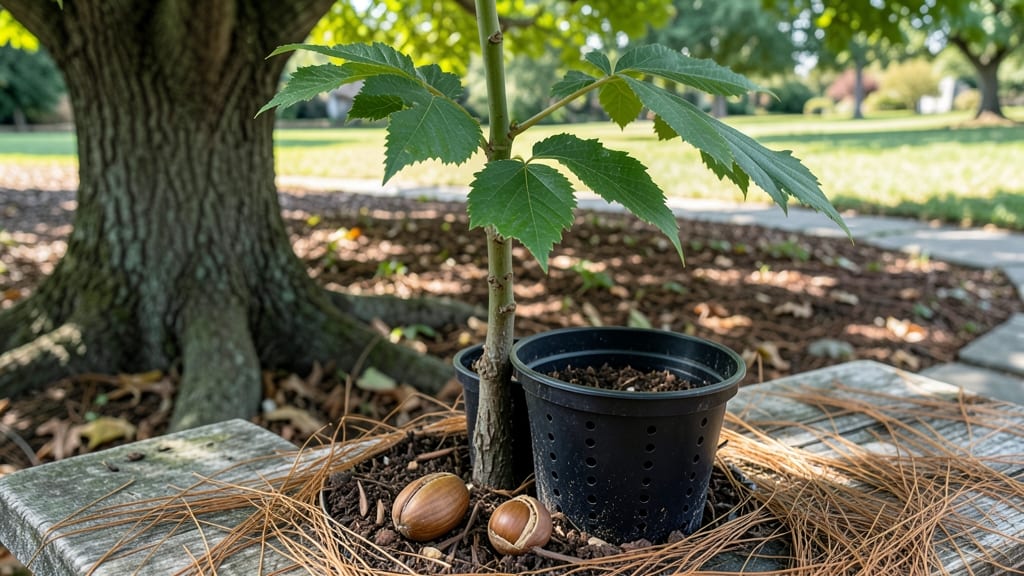
Growing a hickory tree from a nut is the ultimate test of patience—and the most rewarding shade tree project you’ll ever take on. 🌱 I’ve tried it twice, and both times, the first green shoot after three months of waiting made every step worth it.
The secret lies in mimicking nature’s timing: hickory nuts need a cold, moist winter to break dormancy before they’ll sprout. You can replicate this with a simple refrigerator trick—no fancy equipment required.
Once you’ve prepped the nuts right, they’ll start growing in spring or early summer, though some take up to a year to crack open.
By the time your seedling reaches 3 feet tall, you’ll be dreaming of the 100-foot shade provider it’ll become in 50 years. The nuts themselves are free, the soil needs are basic, and the long-term payoff—homegrown pecans or hickory nuts—is unmatched. Just be ready to wait.
This method works best in USDA Zones 4-9, but the principles apply anywhere with cold winters. The biggest hurdle? Germination timing—some nuts take two years to sprout. That’s where the magic happens, though: the trees that do break through are tougher than anything you’d buy at a nursery.
📚 In This Guide
- What you need
- Instructions
- Tips and common mistakes
- Wrapping up and next steps
What you need
- ● Fresh hickory nuts: Collect 2–5 mature, healthy nuts (preferably from Carya species like shagbark or mockernut). Ensure they’re fully ripe (hard shell, no cracks) and not from a treated tree.
- ● Planting pots or containers: 3–6 small pots (4–6 inches wide) with drainage holes, or a seed-starting tray.
- ● High-quality potting mix: A well-draining, sterile mix (e.g., 50% peat moss, 30% perlite, 20% sand). Avoid garden soil—it can harbor diseases!
- ● Watering can or spray bottle: For gentle hydration (avoid overwatering).
- ● Plastic wrap or humidity dome: To maintain moisture during germination.
- ● Scissors or pruners: For trimming nuts (if needed) or cleaning pots.
- ● Plant labels & marker: To track varieties and planting dates.
- ● Grow lights or sunny windowsill: If natural light is limited (hickory seeds need bright, indirect light to germinate).
- ● Fungicide (organic, like neem oil): To prevent mold if humidity is high.
- ● Mulch (shredded bark or straw): For outdoor planting once seedlings are established.
- ● Soil test kit: To check pH (ideal range: 6.0–7.5) before transplanting.
- ● Sturdy stake or trellis: For young trees in windy areas.
Step-by-step instructions for cultivating a hickory tree from seed
Here's how I transform hickory nuts into sturdy saplings—patience and precision are key.
🌱 Step 1: Collect and Stratify the Seeds
Gather mature hickory nuts in late fall after the husks have fully opened. The nuts should be plump and firm—avoid any that feel hollow or shriveled. I store them in a paper bag in the refrigerator for 90-120 days to complete cold stratification, mimicking winter conditions. This step breaks dormancy and ensures germination.
Check the nuts every 10-14 days—they should feel slightly softer when pressed. If they remain hard after 120 days, extend stratification by another 30 days. The goal is to trick the seed into thinking winter has passed, signaling it's time to sprout. Real talk: Don't rush this. Proper stratification is the difference between a thriving seedling and a failed attempt.
💧 Step 2: Plant the Seeds in a Controlled Environment
Fill a 4-inch deep container with sterile seed-starting mix (not garden soil—it's too dense and may harbor pathogens). Plant 1-2 seeds per pot at a depth of 1 inch, pressing lightly to ensure good soil contact. I label each pot with the date and variety if tracking multiple types. Water gently until the soil is evenly moist but not soggy.
Place the pots in a warm, shaded area (around 70-75°F) where they receive indirect light. A seedling heat mat keeps the soil consistently warm, which speeds up germination. You'll see the first sprouts in 4-8 weeks, but don't be surprised if it takes longer—hickory nuts are slow to germinate. Here's the thing: Patience is non-negotiable. If you dig up the seed to check, you'll likely kill it.
☀️ Step 3: Transplant Seedlings to Outdoor Nursery Beds
Once seedlings reach 6-8 inches tall and develop 2-3 sets of true leaves (not the initial seed leaves), it's time to move them outdoors. Choose a partially shaded spot in your garden or a nursery bed with well-draining soil. Dig a hole twice as wide as the seedling's root ball but only as deep as the container it was in.
Water the seedling thoroughly 24 hours before transplanting to reduce shock. Gently remove it from the pot, loosen the roots if they're circling, and place it in the hole so the top of the root ball sits just below soil level. Fill the hole with soil, tamp lightly, and water deeply to settle everything. Mulch around the base with 2-3 inches of organic mulch to retain moisture and suppress weeds.
🌿 Step 4: Maintain and Protect Young Saplings
Keep the soil consistently moist but never waterlogged—hickory seedlings hate soggy roots. Water deeply once a week (or more often in hot, dry weather) until the top 2 inches of soil feel dry. Avoid overhead watering, which can spread disease. Instead, water at the base of the plant early in the morning to allow foliage to dry quickly.
Protect young saplings from deer, rabbits, and rodents—they love tender hickory leaves. I wrap the trunks of my seedlings in wire mesh or use commercial tree guards. In their first year, hickory trees grow slowly, so don't expect dramatic height gains. Focus on strong root development and healthy foliage—these are the signs of a resilient tree.
⏰ Step 5: Monitor Growth and Prepare for Long-Term Care
By the second year, your hickory sapling should reach 3-5 feet tall. This is the time to start thinking about its permanent home. Hickory trees need full sun and deep, well-draining soil—they thrive in USDA hardiness zones 4-9. If you're moving it again, do so in early spring before new growth begins.
Fertilize lightly in early spring with a balanced, slow-release fertilizer (10-10-10). Over-fertilizing can harm young trees, so follow the package instructions carefully. Prune only to remove dead, diseased, or crossing branches—never top the tree, as this weakens its structure. With proper care, your hickory will mature into a 100-foot shade provider in 50-70 years. That's a legacy worth waiting for.
Tips & tricks for growing a healthy hickory sapling
These small adjustments can transform your hickory nut into a thriving tree—don't skip the details.
Stratification Precision: The 90-120 day cold stratification period is non-negotiable for hickory nuts. Store them in a paper bag (not plastic) to allow minimal airflow—this prevents mold while maintaining humidity. Place the bag in the refrigerator's crisper drawer where temperatures hover around 35-40°F. Check every 10-14 days by gently pressing a nut between your fingers—it should yield slightly when properly stratified. If you're impatient, you can speed up germination by soaking nuts in warm water for 24 hours before stratification, but this isn't necessary.
Container Selection: For Step 2, choose containers with drainage holes that are at least 4 inches deep but no deeper than 6 inches—hickory roots don't need excessive depth initially. I've found that black plastic nursery pots work best because they absorb heat from sunlight, keeping soil temperatures stable. If using decorative containers, drill drainage holes yourself—this is often overlooked and leads to root rot. The sterile seed-starting mix is crucial; regular garden soil contains pathogens that can kill delicate seedlings before they even sprout.
Transplanting Timing: When moving seedlings outdoors in Step 3, time your transplant carefully. Wait until nighttime temperatures consistently stay above 50°F—hickory seedlings are sensitive to cold snaps. I've learned this the hard way after losing seedlings to late-season frost. Harden off your seedlings by placing them outside for progressively longer periods (starting with just 30 minutes) over 7-10 days before full transplant. This gradual adjustment helps them adapt to outdoor conditions without shock. The 24-hour pre-watering before transplanting is particularly important—it ensures the root ball stays intact when you remove the seedling from its pot.
Long-Term Growth Hack: In their second year, when your hickory reaches 3-5 feet, consider using a tree stake only if absolutely necessary. Hickory trees develop strong root systems that naturally stabilize them. If you must stake, use two stakes placed diagonally rather than one—this prevents trunk damage as the tree grows. The full sun requirement becomes critical at this stage; partial shade can stunt growth. I've noticed that hickory trees in full sun develop thicker bark earlier, which improves their resistance to pests and disease as they mature.
Pro Tips for Grow A Hickory Tree From A Hickory Nut
- These small adjustments can transform your hickory nut into a thriving tree—don't skip the details.
- Stratification Precision: The 90-120 day cold stratification period is non-negotiable for hickory nuts.
- Container Selection: For Step 2, choose containers with drainage holes that are at least 4 inches deep but no deeper than 6 inches—hickory roots don't need excessive depth initially.
Frequently asked questions
Got questions about growing a hickory tree from a nut? You’re not alone! Here are some of the most common concerns—and their answers—to help you succeed.
How long does it take for a hickory nut to sprout?
A hickory nut typically sprouts within 4 to 8 weeks after planting, depending on moisture, temperature, and soil conditions. Keep the soil consistently moist (but not soggy) during this time. Patience is key—some nuts may take longer, especially if they’re older or stored improperly.
Can I plant a hickory nut in the fall or winter?
No—hickory nuts need a warm, moist stratification period (like a summer in the ground) to break dormancy. Plant them in early spring (after the last frost) for the best results. If you collect nuts in fall, store them in a cool, dry place until spring and soak them for 24–48 hours before planting.
How big should my hickory tree be before transplanting it?
Wait until your seedling is 2 to 3 feet tall (usually 1–2 years old) before transplanting. Smaller saplings are delicate, but by this stage, they’ve developed a stronger root system. Choose a permanent spot with full sun and well-draining soil to minimize stress.
Will squirrels or wildlife steal my hickory nuts before they sprout?
Squirrels, raccoons, and birds love hickory nuts. To protect your nuts:
- Plant them deeply (2–3 inches) in the soil.
- Use wire mesh cages (like chicken wire) over the planting area until sprouts appear.
- Choose less accessible locations, like near a fence or dense shrubs.
What if my hickory nut doesn’t sprout? Troubleshooting tips.
If your nut stays dormant, try these fixes:
- Check for viability: Slice open a nut—if the inside is hard and brown, it’s likely dead.
- Re-soak: Soak unsprouted nuts in warm water for 48 hours, then replant.
- Adjust soil: Hickory trees prefer slightly acidic to neutral soil (pH 6.0–7.0). Amend clay or alkaline soil with compost.
- Patience: Some nuts need up to a year to germinate—keep the area moist and monitor progress.
Wrapping up and next steps
Growing a hickory tree from a nut is a rewarding journey that connects you to nature’s patience and resilience.
With the right preparation—whether you’re planting fresh nuts, layering them in containers, or nurturing seedlings—you’re setting the stage for a future shade provider, wildlife haven, or even a source of delicious nuts. Don’t wait for the perfect moment—start today! Once your sapling is thriving, consider transplanting it to a permanent spot in your yard and watch as it grows into a majestic tree. 🌳✨
Ready to take the next step? Research local planting guidelines, soil conditions, or even join a gardening community to share your progress. Your hickory tree’s story is just beginning!