
Blooming
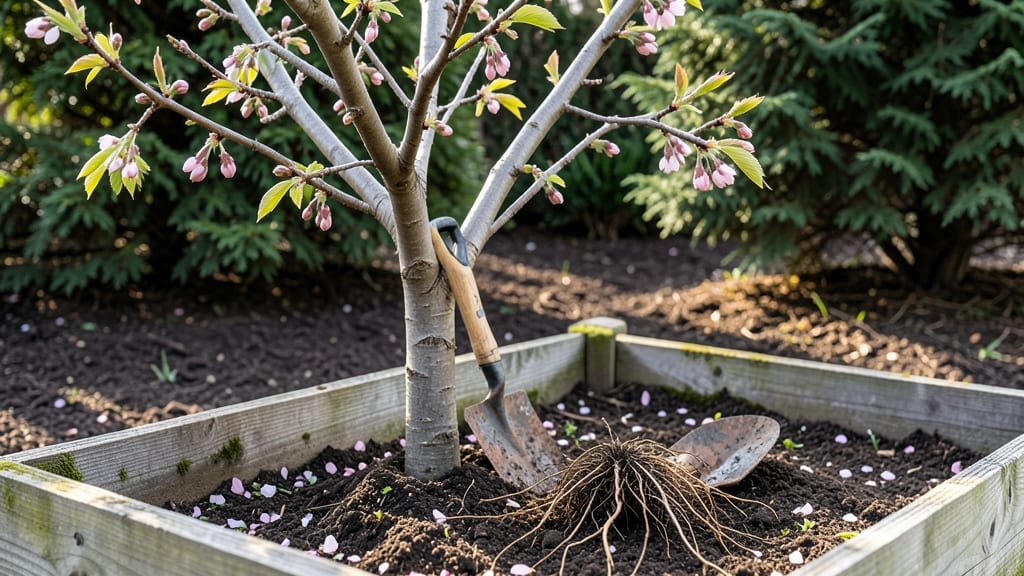
Growing a cherry blossom tree means waking up to clouds of pink and white every spring—if you get the site, soil, and timing right. 🌸 I planted mine last fall, and while it’s still young, I’ve already learned how to avoid the mistakes that turn promising saplings into sad stumps.
The key isn’t just digging a hole; it’s choosing the perfect sunny spot with well-draining soil and giving it the pruning care it needs to thrive for decades.
You’ll need a few basics: a 5-gallon container for young trees, organic compost to sweeten the soil, and a sharp pruning saw for shaping branches. Cherry blossoms hate soggy roots, so raised beds or mounded soil work best in heavy clay.
And don’t skip the late-winter pruning—it’s how you encourage those dramatic blooms. My tree’s first flush of flowers came two years after planting, and now it’s the star of my front yard.
By summer, you’ll be harvesting velvety petals for crafts while the tree develops a sturdy frame. The real magic happens in fall, when you prune to shape the canopy—just avoid cutting into old wood, or you’ll lose next year’s blooms.
With the right care, your tree will reward you with 3-4 weeks of show-stopping color every spring, drawing neighbors to admire your work.
Works in zones 5-8, though southern varieties handle heat better. Northern gardeners should choose early-blooming cultivars like ‘Kanzan’ for frost resilience. Here’s how to keep it thriving year after year—without the guesswork.
📚 In This Guide
- What you need
- Instructions
- Tips and common mistakes
- Wrapping up and next steps
What you need
- ● Cherry blossom tree: Choose between a Prunus serrulata (Japanese cherry) or Prunus avium (European cherry). Opt for a 1- to 3-year-old bare-root sapling (fall planting) or a container-grown tree (spring planting).
- ● High-quality potting soil or garden loam: 3-5 gallons (for container) or enough to fill a 6-foot-wide planting hole (for in-ground). Mix with compost (1 part compost to 3 parts soil) for nutrients.
- ● Organic mulch: 2-3 inches of wood chips, straw, or shredded bark to retain moisture and regulate soil temperature.
- ● Slow-release fertilizer: 10-10-10 or 20-20-20 NPK ratio (follow package instructions for dosage).
- ● Watering can or hose with a gentle spray nozzle: 5+ gallons capacity for thorough watering.
- ● Garden trowel or shovel: For digging planting holes (in-ground) or container prep.
- ● Pruning shears or loppers: Bypass pruners (for clean cuts) and loppers (for thicker branches).
- ● Gloves: Heavy-duty gardening gloves to protect hands from thorns and soil.
- ● Measuring tape: For spacing trees 15-25 feet apart (depending on mature size).
- ○ Staking kit (optional): 3-4 stakes + tree ties if planting in windy areas.
- ● Sunlight: Full sun (6+ hours daily) for optimal blooms.
- ● Climate: Hardy in USDA Zones 5-8 (some varieties tolerate Zone 4 with winter protection).
- ● Soil pH: Slightly acidic to neutral (6.0-7.0).
- ● Drainage: Well-draining soil (avoid waterlogged areas).
- ● Soil test kit: To check pH and nutrient levels before planting.
- ● Tree guard or protective barrier: For young trees in high-traffic areas.
- ● Epsom salt: 1 tbsp in water (monthly spray for magnesium-rich foliage).
- ● Bird netting: To protect blossoms from hungry critters during spring.
Step-by-step guide to planting and pruning your cherry blossom tree
Here's how to get started with your new tree for years of stunning spring blooms.
🌱 Step 1: Choose the Right Location and Prepare the Planting Site
Cherry blossom trees thrive in full sun—at least 6 hours of direct sunlight daily. Pick a spot with room to grow; mature trees can reach 20-30 feet tall and wide. Avoid low areas where water pools, as soggy roots invite rot.
Dig a hole twice as wide as the root ball but only as deep. Loosen the sides of the hole with a shovel to help roots spread. If your soil drains poorly, amend it with 2-3 inches of compost mixed into the bottom of the hole. This improves drainage while providing nutrients.
🌿 Step 2: Plant Your Tree with Proper Support and Mulch
Gently remove the tree from its container and loosen any circling roots with your fingers. Place it in the hole so the top of the root ball sits 1-2 inches above ground level—this prevents water from pooling at the stem. Fill the hole halfway with native soil, then water deeply to settle it.
Add a stake and tie system if your tree is young or top-heavy. Use soft fabric or rubber ties to secure the trunk without cutting into the bark. Spread 3-4 inches of mulch around the base, keeping it 3 inches away from the trunk to prevent rot. Water thoroughly after planting to help roots establish.
✂️ Step 3: Prune for Structure and Health in Early Spring
Prune your cherry blossom tree in late winter or early spring, just before buds swell. Remove any dead, diseased, or crossing branches first—these compete for energy and can harbor pests. Cut back to a healthy bud or branch collar, making clean 45-degree angles to promote healing.
Shape the tree by thinning out crowded branches to improve airflow and sunlight penetration. Avoid heavy pruning in fall, as new growth won’t harden off before winter. After pruning, apply a balanced fertilizer (10-10-10) to support new growth. Watch for new leaf buds forming—this confirms the tree is responding well.
☀️ Step 4: Maintain Through the Seasons for Optimal Blooms
Water deeply once a week during the first growing season, providing 1-1.5 gallons per week unless rainfall exceeds 1 inch. Mature trees are drought-tolerant but bloom best with consistent moisture. In summer, water more frequently if the soil feels dry 2 inches below the surface.
Fertilize in early spring and mid-summer with a low-nitrogen, high-phosphorus blend (like 5-10-5) to encourage flowering. Remove spent blossoms after they fade to redirect energy to next year’s buds. In fall, apply a 2-3 inch layer of mulch to insulate roots and retain moisture for winter.
Tips & tricks for perfect cherry blossom tree growth
A few key insights will help your cherry blossom tree thrive for decades of stunning spring displays.
Sunlight Strategy: While the instructions mention 6 hours of sun, I've found that cherry blossoms actually perform best with 8-10 hours of direct sunlight daily. If your location only gets 6 hours, position the tree where it receives morning sun and afternoon shade to prevent stress. The first few years are critical for establishing strong branches that will support those iconic blossoms.
Root Ball Preparation: When loosening circling roots in Step 2, don't just pull at them—gently separate them with your fingers or a small hand fork. I learned this the hard way after seeing a tree struggle because its roots were still tangled. This step is especially important for container-grown trees, which often develop these problematic root patterns. The goal is to encourage outward root growth rather than keeping them circling in the center.
Pruning Precision: For Step 3, when making those 45-degree cuts, use sharp pruning shears and cut just outside the branch collar—the swollen area where the branch meets the trunk. I always mark my cuts first with a piece of chalk to visualize where I'll be cutting. This precision prevents tearing and promotes faster healing. Also, remember that cherry blossoms flower on old wood, so avoid over-pruning—you want to preserve last year's growth where the buds form.
Watering Wisdom: The 1-1.5 gallons per week guideline is perfect, but here's what nobody tells you: water deeply in the morning so the foliage has time to dry before evening. Wet leaves at night invite fungal diseases, which can be devastating for young trees. I've seen blossoms completely wiped out by spring because of this simple oversight. A soaker hose placed near the drip line (not the trunk) is my preferred method for delivering water efficiently.
Pro Tips for Grow A Cherry Blossom Tree
- A few key insights will help your cherry blossom tree thrive for decades of stunning spring displays.
- Sunlight Strategy: While the instructions mention 6 hours of sun, I've found that cherry blossoms actually perform best with 8-10 hours of direct sunlight daily.
- Root Ball Preparation: When loosening circling roots in Step 2, don't just pull at them—gently separate them with your fingers or a small hand fork.
Frequently asked questions
Got questions about growing your own cherry blossom tree? You're not alone! Here are some of the most common queries—plus straightforward answers to help you nurture a stunning, healthy tree.
How long does it take for a cherry blossom tree to bloom?
A young cherry blossom tree typically takes 3 to 5 years to produce its first flowers, depending on the variety and growing conditions. Patience is key—focus on proper care (water, sunlight, and soil) in the early years to encourage faster blooming. Some grafted trees may bloom sooner, but they might be less vigorous long-term.
Can cherry blossom trees survive in cold climates?
Most cherry blossom trees are hardy in USDA zones 5-8, but specific varieties vary. For example, the Kwanzan cherry thrives in colder zones (5-8), while Yoshino prefers milder climates (6-9). If you live in a colder region, choose a cold-hardy variety and protect young trees with mulch or burlap wraps during harsh winters.
Do cherry blossom trees produce edible cherries?
Not all cherry blossom trees bear fruit—many are ornamental and prized for their flowers. However, some varieties like Stella® cherry or Autumn Brilliance produce small, tart cherries. If you want edible cherries, opt for a sweet or tart cherry cultivar instead. Always check the tree label before planting!
Why aren’t my cherry blossom tree’s leaves or flowers turning out as vibrant?
Dull leaves or sparse blooms often signal nutrient deficiencies, poor sunlight, or over-pruning. Ensure your tree gets 6+ hours of sunlight daily and amend the soil with balanced fertilizer in early spring. Avoid heavy pruning in late summer—focus on shaping in late winter or early spring instead.
What’s the best alternative if I can’t grow a cherry blossom tree?
If your climate or space is limiting, consider these low-maintenance, flowering alternatives:
- Japanese Maple – Stunning foliage and compact size (great for small yards).
- Crabapple Tree – Produces small fruit and vibrant blooms (hardy in zones 4-8).
- Magnolia – Fragrant flowers and evergreen-like leaves (thrives in partial shade).
- Dogwood – Showy spring blooms and disease-resistant (ideal for woodland gardens).
Wrapping up and next steps
Growing a cherry blossom tree is a rewarding journey that brings unmatched beauty and seasonal joy to your garden.
With the right location, pruning precision, and a little patience, you’ll nurture a tree that bursts into stunning blooms year after year. Now’s the time to roll up your sleeves! Start by selecting your young tree, prep your tools, and dive into the first season of care—your future blossoms will thank you.
Ready to turn your garden into a pink paradise? Check out our step-by-step planting guide to get started today!