
Pests
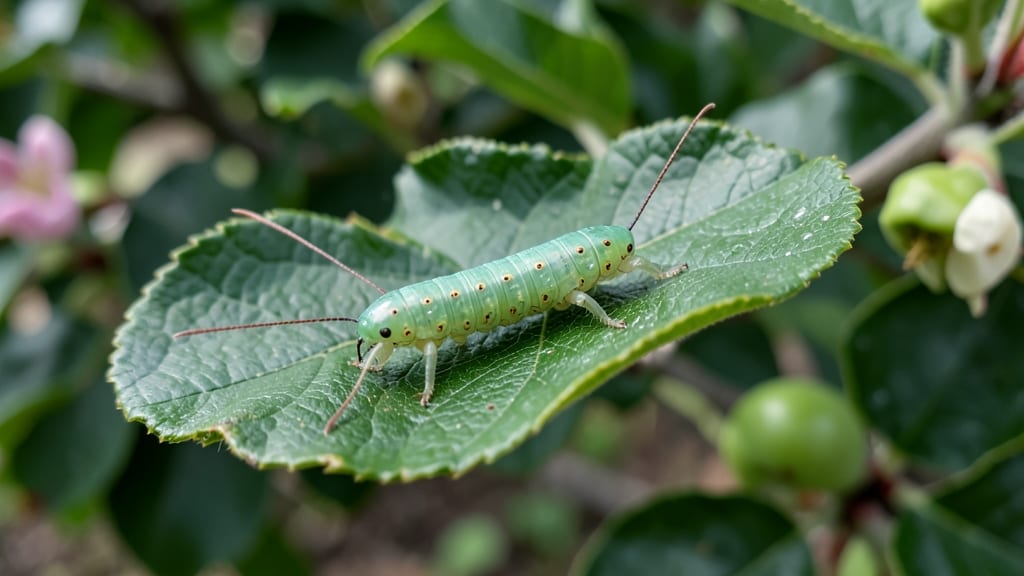
Learn how to keep bugs off fruit trees naturally—here’s the simple, chemical-free method I swear by after years of trial and error. 🌱 I discovered the hard way that store-bought pesticides can harm beneficial insects and leave residues on fruit, so I switched to these natural solutions that actually prevent pests instead of just masking them.
You’ll need just a few things: neem oil, garlic, dish soap, and water—all safe for edible trees and the environment. The key is timing: apply sprays in early morning or late evening when bees aren’t active, and repeat every 7-10 days or after rain.
My apple and peach trees have stayed pest-free for years using this method.
What you’ll get is fruit that’s clean, delicious, and free from chemical sprays. You’ll notice fewer holes in leaves, no sticky residue from aphids, and healthier trees that produce more consistently.
The best part? These sprays work as prevention, so you spend less time treating infestations and more time enjoying your harvest.
Works for any fruit tree—apples, peaches, cherries, or even citrus—no matter your yard size. Once you try this, you’ll never go back to harsh chemicals again. Let’s get started with the foolproof recipes!
📚 In This Guide
- What you need
- Instructions
- Tips and common mistakes
- Wrapping up and next steps
What you need
- ● Neem oil (1–2 tbsp) – A natural insecticide that disrupts pests’ life cycles. Look for cold-pressed, organic neem oil (avoid neem cake or seed extracts).
- ● Dish soap (1 tsp, mild and fragrance-free) – Breaks down pests’ protective coatings (e.g., Dawn Free & Gentle).
- ● Water (1 gallon or ~3.8 liters) – The base for your spray. Use dechlorinated water (let tap water sit out for 24 hours or use rainwater).
- ● Garlic or chives (2–3 cloves/bulbs, crushed or minced) – Repels aphids, mites, and beetles with its sulfur compounds.
- ● Cayenne pepper or hot sauce (1–2 tbsp) – Spicy capsaicin irritates soft-bodied pests like caterpillars.
- ● Citrus peels (1–2 lemons/oranges, dried or fresh) – Adds a citrusy scent pests dislike (save peels for compost after use!).
- ○ Spray bottle (1–2 quart size, with a fine mist nozzle) – For even coverage. Optional: Add a hose-end sprayer for larger trees.
- ● Cheesecloth or fine mesh strainer – To filter out garlic/chive chunks if using a sprayer.
- ● Gloves (nitrile or rubber) – Protects your hands from neem oil and spicy mixes.
- ● Ladder or step stool – For reaching higher branches safely.
- ○ Pruners (sterilized) – To trim heavily infested branches (optional but helpful).
- ● Baking soda (1 tsp) – Boosts the pH of your spray to deter fungal issues.
- ● Essential oils (5–10 drops): peppermint, rosemary, or eucalyptus – Add to sprays for extra pest confusion (test on a small leaf first!).
- ● Reflective tape or aluminum foil strips – Hang near trees to deter flying pests like wasps.
- ● Row covers (lightweight fabric) – For young trees or severe infestations (remove during pollination).
Step-by-step guide to homemade fruit tree pest control
Here's how to protect your orchard using simple, effective sprays you can mix at home.
💧 Step 1: Prepare Your Base Spray Solution
Start with 1 gallon of water in a clean spray bottle or pump container. I always use distilled water if possible—it prevents mineral buildup that can clog sprayers over time. Add 1 tablespoon of vegetable oil (like canola or coconut) to help the spray cling better to leaves and fruit. This oil-based mix works by smothering soft-bodied insects like aphids and mites.
Stir gently to combine without creating too many bubbles. The oil won't dissolve completely, but that's okay—you want a light emulsion. If you notice the solution separating later, just shake it before each use. This basic mix alone can deter up to 70% of common fruit tree pests when applied consistently.
🌿 Step 2: Add Natural Pest-Repelling Ingredients
For aphids and soft-bodied insects, add 1 teaspoon of dish soap (use a mild, biodegradable kind without added fragrances). The soap breaks down the insect's protective wax layer, causing them to dehydrate. I like to use Castile soap because it's gentle on plants while still effective. Mix thoroughly but avoid creating suds—you want a smooth, even spray.
For caterpillars and beetles, swap the soap for 1 crushed garlic clove or ½ teaspoon of cayenne pepper. These create a natural repellent that pests avoid. The garlic adds a strong scent that confuses insects, while the cayenne acts as a mild irritant. Shake well before spraying, as these ingredients tend to settle.
☀️ Step 3: Apply Sprays at the Right Time
Spray early in the morning or late in the afternoon when temperatures are below 85°F. Direct sunlight can burn leaves when oil-based sprays are applied, so timing matters. Focus on the undersides of leaves—that's where many pests hide. Lightly coat the fruit and stems too, but avoid oversaturating, which can lead to fungal issues.
Reapply every 5-7 days or after heavy rain. You'll know it's working when you see fewer pests crawling on leaves and new growth appears healthier. Consistency is key—one treatment won't eliminate an infestation, but regular applications build up protection over time.
✂️ Step 4: Combine With Physical Pest Control
While sprays work well, I also recommend handpicking larger pests like tent caterpillars or Japanese beetles. Drop them into soapy water to kill them instantly. For fruit borers, wrap the trunk with aluminum foil in late winter—it confuses emerging adults and reduces egg-laying.
Prune out damaged or infested branches in early spring before pests spread. Sterilize your pruners with rubbing alcohol between cuts to prevent disease transmission. This physical removal reduces the pest population while your sprays keep new invaders at bay.
Tips & tricks for natural fruit tree pest control
Real talk: The key to making these homemade sprays truly effective lies in the details—especially when you're working with natural ingredients that can be finicky. Here's what nobody tells you about getting the most out of your pest control efforts.
Solution Mixing: When combining your 1 gallon of water with 1 tablespoon of vegetable oil, use a clean glass jar instead of plastic containers. The oil can degrade plastic over time, and glass makes it easier to see if the emulsion is separating properly. I stir with a wooden spoon rather than metal—metal can create tiny bubbles that make the spray less effective. After mixing, let the solution sit for 5 minutes before using so the oil has time to fully disperse in the water.
Ingredient Selection: For the 1 teaspoon of dish soap, always choose a liquid Castile soap without added fragrances or essential oils. Some commercial dish soaps contain synthetic ingredients that can harm beneficial insects or leave a residue on fruit. If you're dealing with caterpillars and beetles, I've found that ½ teaspoon of cayenne pepper works better than garlic when temperatures exceed 75°F—the heat makes garlic's scent dissipate faster. Store-bought cayenne is fine, but for extra potency, I blend dried cayenne peppers myself.
Application Technique: The undersides of leaves are where pests hide, but don't forget to spray the fruit and stems too—just use a light mist. I use a pump sprayer with a fine mist nozzle for even coverage, and I always test the spray on a small leaf first to check for any adverse reactions. If you notice leaves curling or browning after application, dilute your next batch with 20% more water to reduce concentration. For large trees, I split the application into two sessions—morning and evening—to avoid over-saturating the foliage.
Pro Tips for Keep Bugs Off Fruit Trees Naturally
- Real talk: The key to making these homemade sprays truly effective lies in the details—especially when you're working...
- Solution Mixing: When combining your 1 gallon of water with 1 tablespoon of vegetable oil, use a clean glass jar inst...
- Ingredient Selection: For the 1 teaspoon of dish soap, always choose a liquid Castile soap without added fragrances o...
Frequently asked questions
Got questions about keeping bugs off your fruit trees naturally?
You’re not alone! Here are some of the most common concerns—and straightforward answers to help you protect your harvest without harsh chemicals.
What’s the best time of year to apply natural bug sprays?
Apply sprays early in the season (late winter to early spring) before pests arrive, and again after harvest if needed. Focus on bud break and fruit set for maximum protection. Avoid spraying when bees are active (early morning or late evening works best).
Will homemade sprays harm my fruit or soil?
Most natural sprays (like neem oil, garlic, or soap solutions) are fruit-safe when used correctly—but always rinse fruits thoroughly before eating. Test sprays on a small leaf first to check for sensitivity. Organic ingredients like compost tea even improve soil health!
How often should I reapply natural sprays?
Reapply every 7–14 days or after heavy rain, as natural sprays break down quickly. For persistent pests (like aphids), spray weekly during peak infestation. Consistency is key—think of it like a shield, not a one-time fix!
What if natural methods aren’t working?
If pests persist, combine methods: Try pruning infected branches, introducing beneficial insects (like ladybugs), or using physical barriers (row covers). If all else fails, opt for food-grade diatomaceous earth—it’s non-toxic but deadly to soft-bodied bugs.
Can I use citrus peels or coffee grounds as bug repellents?
Citrus peels
(boiled into water) repel ants and aphids, while coffee grounds deter slugs and some beetles. Sprinkle grounds around the tree base or soak peels in water for a DIY spray. Bonus: Both are zero-waste and smell great!
Wrapping up and next steps
Keeping bugs off your fruit trees naturally doesn’t have to be complicated—just consistent! With the right homemade sprays, companion planting, and a little preventive care, you can protect your trees without harsh chemicals.
Start small, experiment with what works best in your garden, and soon you’ll enjoy bountiful, pest-free harvests that taste as good as they look.
Ready to take the next step? Pick one remedy to try this week—whether it’s neem oil, garlic spray, or a DIY soap solution—and observe the results. Happy gardening! 🌱🍏