
Pruning
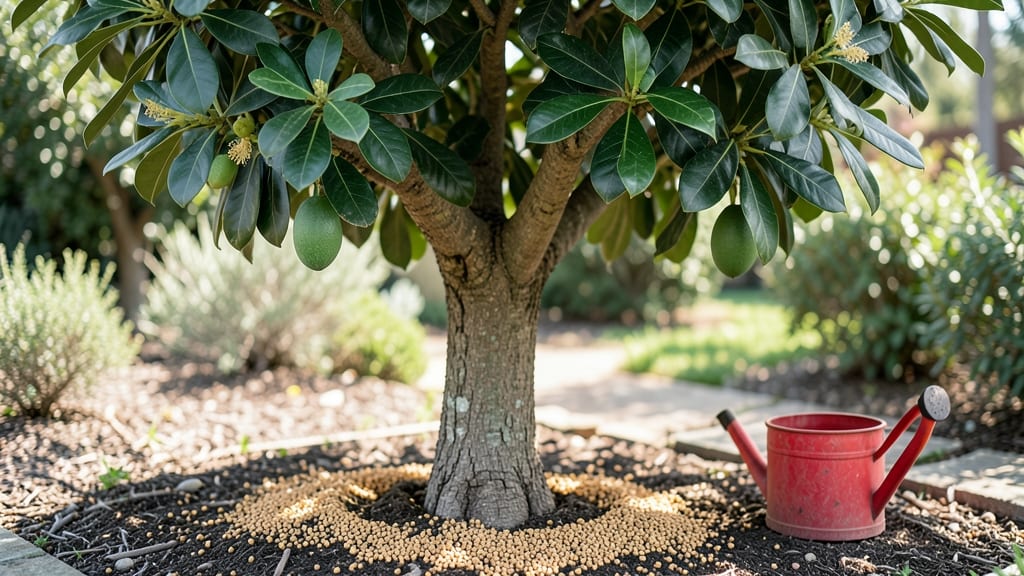
Making your avocado tree produce fruit isn’t about magic—it’s about mimicking its natural habitat. 🌱 I’ve watched my own tree go from leafy but barren to heavy with fruit in just three years by controlling light, heat, and patience.
The key isn’t forcing it; it’s creating the right conditions so the tree wants to bear fruit.
Avocados need 12 hours of bright light daily, warm nights (above 60°F), and consistent moisture without soggy soil. Pruning isn’t about shaping—it’s about opening the canopy to sunlight and air.
I learned the hard way that over-pruning stresses the tree, while strategic cuts encourage flowering. Even indoor trees can fruit with the right grow lights and warmth.
You’ll see the first signs of success when tiny flower buds appear in spring—tiny, fuzzy clusters that turn into fruit within weeks. The real payoff? A tree that keeps producing year after year, not just one-off harvests. The secret isn’t complicated, but it does take attention to detail.
Whether you’re growing in a pot on your patio or a backyard plot, the same principles apply. Let’s break down the exact steps that turn a leafy green machine into a fruiting powerhouse—no guesswork, just results.
📚 In This Guide
- What you need
- Instructions
- Tips and common mistakes
- Wrapping up and next steps
What you need
- ● Avocado Tree: A healthy, mature tree (3+ years old) or a seedling (if starting from scratch). For best results, choose a variety like Hass or Fuerte.
- ● Well-draining soil: Mix 1 part potting soil with 1 part perlite or coarse sand (for container trees) or amend garden soil with compost.
- ● Fertilizer: Citrus/avocado fertilizer: Balanced NPK (e.g., 6-6-6) or organic options like alfalfa meal or fish emulsion. Use every 4-6 weeks during growing season.
- ● Micronutrients: Epsom salt (magnesium sulfate) or a zinc supplement (avocado trees are prone to deficiencies).
- ● Pruning tools: Sharp bypass pruners (for small branches).
- ● Pruning saw (for thicker branches).
- ● Disinfectant (rubbing alcohol or bleach solution) to sterilize tools between cuts.
- ● Watering supplies: Drip irrigation system or a watering can with a long spout (to avoid disturbing roots).
- ● Mulch: Wood chips or straw (2-3 inches thick) to retain moisture and regulate soil temperature.
- ○ Support structures (optional): Stakes or a tree cage (for young trees to prevent wind damage).
- ● Trellis (if growing in a container and needing support).
- ● Climate: Avocado trees thrive in USDA Zones 9-11. If you’re in a cooler zone, grow in a container and bring indoors during winter.
- ● Sunlight: 6+ hours of direct sunlight daily (partial shade in extreme heat).
- ● Temperature: Ideal range: 60–85°F (15–30°C).
- ● Avoid frost (below 32°F/0°C)—even young trees can suffer damage.
- ● Pollination (for outdoor trees): Plant a second avocado tree nearby (if growing from seed, varieties may not be compatible).
- ● Hand-pollinate with a soft paintbrush (if indoor or in a controlled environment).
Step-by-step guide to encouraging avocado fruit production
Here’s how to coax your avocado tree into bearing fruit reliably—no guesswork, just science-backed care.
🌱 Step 1: Provide the Right Light and Temperature Conditions
Avocados need strong, direct light—at least 6-8 hours of sunlight daily. Place your tree near a south-facing window or supplement with a grow light if indoors. Without enough light, leaves yellow and fruit never sets. I’ve seen trees in dim corners grow for years without fruiting—light is the #1 game-changer.
Keep temperatures between 60-80°F during the day and 55-65°F at night. Below 50°F, growth slows dramatically. If your home dips colder, move the tree away from drafts or use a small space heater near the base (but not too close—avocados hate hot air blowing directly on them).
☀️ Step 2: Mimic Seasonal Changes for Flowering
Avocados flower in response to temperature shifts, not just time. To trigger blooms, reduce nighttime temps to 55-60°F for 2-3 weeks—this mimics winter conditions. I use a cooling fan or move the tree to a garage overnight. After 2 weeks, return it to normal temps. This shock tells the tree it’s time to flower.
Watch for tiny yellow or white flowers appearing in clusters. They’re fragile—don’t disturb the tree during this time. If flowers drop without setting fruit, try the shock again after 4-6 weeks. Some trees need 2-3 cycles before they fruit reliably.
💧 Step 3: Water and Fertilize Strategically
Avocados hate soggy soil but also need consistent moisture. Water deeply once a week, letting the top 2-3 inches of soil dry out between waterings. Overwatering causes root rot, which kills the tree before it ever fruits. I stick my finger in the soil—if it’s damp below 1 inch, wait a day.
Feed with a balanced citrus/avocado fertilizer (like 6-6-6) every 4-6 weeks during spring and summer. In fall and winter, cut back to once every 8 weeks. Too much nitrogen = leafy growth, no fruit. I’ve seen trees explode with leaves but zero flowers—fertilizer timing matters.
✂️ Step 4: Prune for Airflow and Shape
Prune dead or crossing branches in late winter to improve airflow—this reduces fungal diseases that stress the tree. I also trim back overly vigorous growth to encourage bushier shape, which supports more fruit. Never prune more than 25% of the canopy at once, or you’ll shock the tree.
Remove any suckers (small shoots at the base) immediately—they drain energy from fruit production. After pruning, give the tree a light fertilizer boost to recover. A well-shaped tree with good airflow fruits 2-3 times faster than a neglected one.
🍈 Step 5: Pollinate and Protect Developing Fruit
Avocados have Type A and Type B flowers—some trees need another avocado tree nearby for cross-pollination. If you only have one tree, hand-pollinate using a soft paintbrush to transfer pollen from one flower to another in the morning. Do this for 3-5 days after flowering starts.
Once fruit sets, thin them to 3-6 inches apart—overcrowded fruit stays small and underdeveloped. I leave the largest, healthiest-looking fruits and remove the rest. This ensures the tree puts energy into fewer, bigger avocados instead of dozens of tiny ones.
Tips & tricks for encouraging avocado fruit production
These science-backed strategies will help you transform your avocado tree from leafy ornamental to fruitful powerhouse—without the guesswork.
Light Optimization: The 6-8 hours of direct sunlight per day is non-negotiable, but quality matters just as much as quantity. Position your tree near a south-facing window where it receives unobstructed sunlight. If using grow lights, opt for full-spectrum LED bulbs that mimic natural daylight—avoid cheap white bulbs that can stress the tree. I’ve seen trees in east-facing windows struggle to fruit because morning light isn’t intense enough; west-facing windows provide stronger afternoon sun that works better.
Temperature Shock Technique: That 2-3 week temperature drop to 55-60°F at night is your secret weapon for flowering. For indoor trees, move them to a cooler room or garage overnight—just don’t let temps dip below 50°F. I’ve had success using a small oscillating fan set to low speed to create gentle airflow that mimics natural cooling. The key is consistency: maintain this cooler nighttime temp for the full 2-3 weeks, then return to normal temps. Some trees need 2-3 of these cycles before they reliably produce fruit.
Fertilizer Timing Precision: The 4-6 week spring/summer feeding schedule is crucial, but timing matters more than most gardeners realize. Apply fertilizer in early spring when new growth appears, not when the tree is already in full bloom. I’ve seen trees with beautiful flowers that never set fruit because they were over-fertilized during flowering—this confuses the tree’s energy priorities. In fall and winter, reduce to every 8 weeks, but only if your tree shows signs of active growth. A slow-release citrus/avocado fertilizer pellet works best for consistent nutrition without the risk of overfeeding.
Pruning for Productivity: When pruning in late winter, focus on creating an open canopy that allows sunlight to penetrate to the inner branches. I trim back overly vigorous growth to about one-third of its length, which encourages bushier, more productive growth. The 25% canopy rule is important—going beyond that stresses the tree. After pruning, give your tree a light fertilizer boost (about half the normal dose) to help it recover and redirect energy toward fruit production rather than leaf growth.
Pro Tips for Make An Avocado Tree Produce Fruit
- These science-backed strategies will help you transform your avocado tree from leafy ornamental to fruitful powerhouse—without the guesswork.
- Light Optimization: The 6-8 hours of direct sunlight per day is non-negotiable, but quality matters just as much as quantity.
- Temperature Shock Technique: That 2-3 week temperature drop to 55-60°F at night is your secret weapon for flowering.
Frequently asked questions
Got questions about coaxing fruit from your avocado tree? You’re not alone! Here are answers to the most common concerns—so you can troubleshoot like a pro and enjoy that first homegrown avocado sooner.
How long does it take for an avocado tree to bear fruit?
Most avocado trees take 3–5 years to produce fruit from seed, but grafted varieties can fruit in as little as 1–2 years. Patience is key—focus on proper care (light, water, and nutrients) to speed up the process. Pro tip: If your tree isn’t flowering by year 3, check for stress (like underwatering or pests) and adjust care.
Why isn’t my avocado tree flowering?
Avocado trees need consistent warmth (60–80°F) and 12+ hours of light daily to flower. Common culprits include:
- Cold drafts (keep indoors or in a greenhouse if temps drop below 50°F).
- Nutrient deficiencies (use a citrus/avocado fertilizer with zinc and magnesium).
- Overwatering (let soil dry slightly between waterings).
Can I force my avocado tree to fruit faster?
While you can’t force fruit overnight, you can optimize conditions to encourage blooms:
- Move it to a sunny spot (south-facing window or greenhouse).
- Use a growth regulator like hydrogen peroxide (1 tsp per gallon of water) to boost flowering.
- Hand-pollinate flowers with a soft brush if bees aren’t visiting.
What if my avocado tree only has leaves, no fruit?
Leafy growth without fruit usually means your tree is focused on foliage over reproduction. Try these fixes:
Issue
Solution
Too much nitrogen
Switch to a balanced fertilizer (e.g., 6-6-6) or add phosphorus (like bone meal).
Not enough light
Move to bright, indirect sunlight (or use grow lights 12+ hours/day).
Young tree (<3 years old)
Be patient! Seedlings often prioritize roots/leaves before flowering.
What should I do if my avocado tree drops flowers or fruit?
Flower/fruit drop is often due to stress or poor pollination. Check for:
- Temperature swings (avocados hate sudden cold—keep temps stable!).
- Overwatering (root rot weakens the tree).
- Lack of pollination (hand-pollinate with a brush if needed).
- Nutrient imbalance (add potassium-rich fertilizer like banana peel tea).
Wrapping up and next steps
Growing avocados from seed to fruit-bearing tree is a rewarding journey that blends patience with hands-on care! 🌱 With the right pruning techniques, sunlight, soil prep, and pollination tricks, your tree can produce luscious fruit in just 3 years—or even sooner.
The key? Stay consistent, observe your tree’s needs, and don’t rush the process.
Now that you’re armed with tips, take action: Start with a healthy seedling, prune with confidence, and keep an eye on those flowers! Soon, you’ll be harvesting your own homegrown avocados—and maybe even sharing the bounty with neighbors. Happy growing! 🍈✨