
Planting
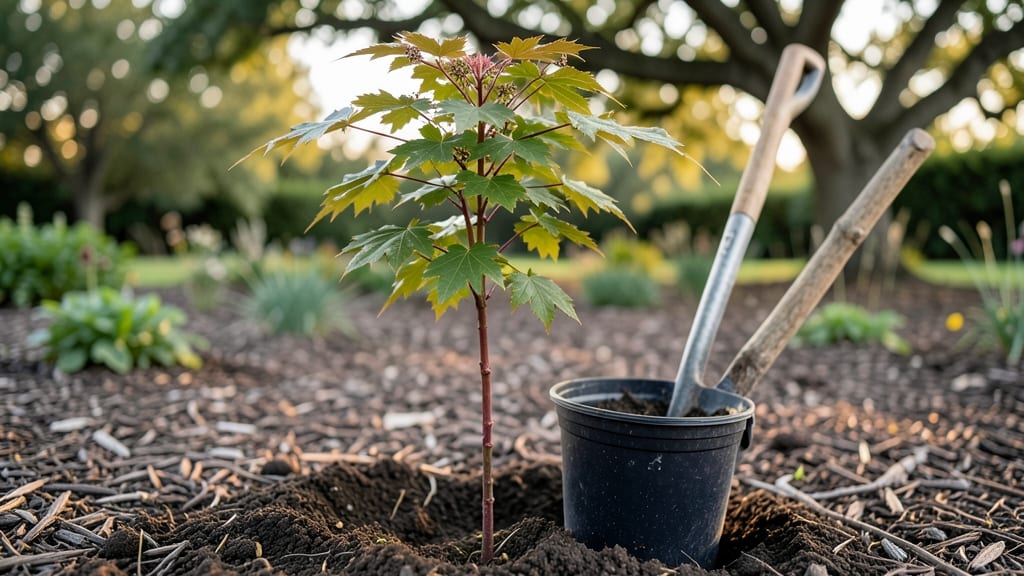
Planting a tree sapling means giving your yard a legacy that grows stronger every year. I’ve learned the hard way—skipping the right hole depth or compacting soil can stunt growth for decades. The secret isn’t just digging; it’s creating space for roots to breathe and spread.
Start with a hole twice as wide as the root ball but no deeper—roots need room to settle naturally. Loosen the sides with a shovel, then mix in compost if your soil feels heavy.
For deciduous trees, plant in early spring; evergreens wait until fall. A little preparation now means fewer struggles later.
After positioning the sapling, backfill with native soil (no amendments) and water deeply to eliminate air pockets. A staked tree needs support only if winds are fierce—otherwise, let it find its balance. Within a year, you’ll see new shoots signaling roots have taken hold.
Seasonal care varies: water young trees twice weekly in summer, mulch to retain moisture, and avoid fertilizing for the first year. Patience here pays off—some trees take 3-5 years to fully establish, but the payoff is shade, wildlife habitat, and curb appeal that keeps growing.
📚 In This Guide
- What you need
- Instructions
- Tips and common mistakes
- Wrapping up and next steps
What you need
- ● Tree sapling: Healthy, root-bound or bare-root (check for pests or damage before planting).
- ● Shovel or digging spade: A sturdy round-point shovel (18–24 inches wide) works best for most saplings.
- ● Garden gloves: A pair of durable, breathable gloves (e.g., nitrile-coated or leather) to protect your hands.
- ● Watering can or hose: With a gentle spray nozzle (5+ gallons capacity for deep watering).
- ● Mulch (organic): 3–4 inches of shredded bark, wood chips, or straw (avoid fresh wood chips).
- ● Compost or fertilizer: Balanced, slow-release (e.g., 10-10-10 or organic options like worm castings).
- ○ Stake (optional but helpful for young trees): A 4–6 ft wooden or metal stake (1–2 inches in diameter).
- ● Tree tie or soft cloth strip: To secure the sapling to the stake without damaging the trunk.
- ● Soil amendment: If your soil is heavy clay or sandy, add peat moss, perlite, or compost to improve drainage.
- ● Post-hole digger: For rocky soil or deeper planting holes.
- ● Tree guard or collar: A metal or plastic protector (6–12 inches tall) to shield the trunk from mowers.
- ● Mycorrhizal fungi: A powder or granules to boost root growth (especially for native trees).
- ● Pruning shears: For trimming any broken or diseased branches before planting.
Step-by-step guide for planting a tree sapling
Here's how to give your young tree the best start—strong roots and lasting health.
Choose the Right Location and Time
Pick a spot with 6+ hours of sunlight daily and room for the tree to grow to its mature size. Avoid areas where roots might interfere with sidewalks, driveways, or underground utilities. The best time to plant is in early spring or fall when temperatures are mild and rainfall is consistent.
Dig a hole that's twice as wide as the root ball but no deeper. Loosen the sides of the hole with a shovel to encourage root spread. If your soil is heavy clay or compacted, mix in 2-3 inches of compost around the edges to improve drainage and aeration. This prevents root suffocation and helps moisture penetrate evenly.
Prepare the Sapling for Planting
Inspect the root ball before planting. If roots are circling tightly or bound by a wire basket, gently tease them apart with your fingers. This prevents girdling, where roots strangle the trunk as the tree grows. Trim any broken or overly long roots with clean pruners to encourage new growth.
Place the sapling in the hole so the top of the root ball sits 1-2 inches above ground level. This prevents soil from settling and smothering the trunk. Have someone hold the tree upright while you backfill with the native soil, tamping lightly every 2-3 inches to remove air pockets. Water thoroughly after filling the hole to settle the soil around the roots.
Water and Mulch for Long-Term Health
Water the sapling deeply right after planting—10-15 gallons for a small tree—to eliminate air gaps and encourage root contact with moist soil. Keep the soil consistently moist for the first 2-3 months, but avoid soggy conditions. Overwatering can suffocate roots and invite disease.
Spread 2-3 inches of mulch in a ring around the base, keeping it 6 inches away from the trunk to prevent rot. Use organic mulch like wood chips or shredded bark, which breaks down over time and enriches the soil. Replenish mulch annually to maintain moisture and suppress weeds, but never pile it against the trunk.
Provide Support and Monitor Growth
If your sapling is tall or top-heavy, stake it temporarily with 2-3 stakes and a flexible tie to prevent wind damage. Remove the stakes after 1-2 years to avoid weakening the trunk. Prune any broken, crossing, or diseased branches with clean pruners, cutting just above a healthy bud or lateral branch.
Check the tree regularly for signs of stress—yellowing leaves, wilting, or fungal growth. Adjust watering as needed, and fertilize lightly in spring with a balanced, slow-release fertilizer if the soil is poor. With proper care, your sapling will establish strong roots and thrive for decades.
Tips & tricks for planting a tree sapling
Real talk: Planting a sapling isn't just about digging a hole—it's about giving your tree the best possible foundation for decades of growth. Here's what I've learned from watching too many young trees fail.
Location and Soil Prep: That 6+ hours of sunlight requirement is non-negotiable. I've seen shade-loving trees struggle when planted in full sun, and sun-lovers wilt in shade. For the 2-3 inches of compost around the edges, mix it with your native soil rather than creating a compost pocket—this ensures even moisture distribution and prevents root burn from concentrated nutrients.
Root Ball Handling: The moment you remove the sapling from its container, check for circling roots. I've had to dig up trees later because they were girdling their own trunks. Use a sharp knife to make clean cuts on overly long roots—this encourages outward growth rather than suffocating the center. And that 1-2 inches above ground level positioning? It's crucial—settling soil can smother the trunk if planted too deep.
Watering Wisdom: Those 10-15 gallons for a small tree should be spread evenly over the entire root zone, not just poured in one spot. I recommend using a soaker hose for the first watering to ensure thorough saturation. For the 2-3 months of consistent moisture, think "damp sponge" not "swamp"—you want roots to breathe while staying hydrated.
Mulch Matters: The 2-3 inches of mulch should form a donut shape, never touching the trunk. I've seen too many cases of mulch rot from improper placement. And while wood chips are ideal, avoid fresh sawdust—it can draw moisture away from the roots as it decomposes. Replenish annually, but never let it pile up against the trunk.
Pro Tips for Plant A Tree Sapling
- Real talk: Planting a sapling isn't just about digging a hole—it's about giving your tree the best possible foundation for decades of growth.
- Location and Soil Prep: That 6+ hours of sunlight requirement is non-negotiable.
- Root Ball Handling: The moment you remove the sapling from its container, check for circling roots.
Frequently asked questions
Got questions about planting your sapling? You’re not alone—even experienced gardeners have doubts! Below, we’ve tackled the most common concerns to help you plant with confidence and avoid rookie mistakes.
When is the best time of year to plant a tree sapling?
The ideal window is early spring or fall (before the ground freezes or summer heat sets in). Saplings planted in spring have months to establish roots before winter, while fall-planted trees benefit from cooler temps and winter moisture. Avoid planting in extreme heat or drought—roots need moisture to grow!
What if I can’t plant right away? How do I store a sapling?
If you can’t plant immediately, keep the roots moist by wrapping them in a damp towel or burlap, and store them in a cool, shaded spot (like a garage or basement). For container-grown saplings, keep them in their pots with consistent water. Never let roots dry out! Most saplings survive 1–2 weeks this way if cared for properly.
My sapling looks wilted after planting—is it dead?
Not necessarily! Wilting is normal for the first few days as the tree adjusts. Water deeply (1–2 gallons for small saplings) and mulch to retain moisture. If leaves stay droopy for over a week or turn brown/crispy, it may be root-bound or stressed. Check for signs of pests or disease, and adjust care accordingly.
Can I plant a sapling in a pot instead of the ground?
Yes, but it’s temporary! Use a large container (at least 18–24 inches deep) with drainage holes and well-draining soil. Container-grown trees need regular watering and may need repotting every 1–2 years. For long-term health, transplant to the ground within 2–3 years—roots need space to spread!
How do I protect my sapling from pests or animals?
New saplings are vulnerable to deer, rabbits, or insects. Use tree guards (hard plastic or metal spirals) to shield trunks from gnawing. For pests like aphids, spray with neem oil or insecticidal soap. Mulch around the base (but not touching the trunk) to deter burrowing animals. A light fence or repellent granules can also help!
Wrapping up and next steps
Planting a tree sapling is a rewarding way to contribute to the environment while adding beauty to your space! 🌱 By following these steps—choosing the right location, preparing the soil, and providing consistent care—you’ll give your young tree the best chance to grow strong and healthy.
Now that you’re ready to take action, why not share your new green project with friends or neighbors? Or, if you’re feeling ambitious, explore advanced tree care tips to keep your tree thriving for decades to come!