
Pruning
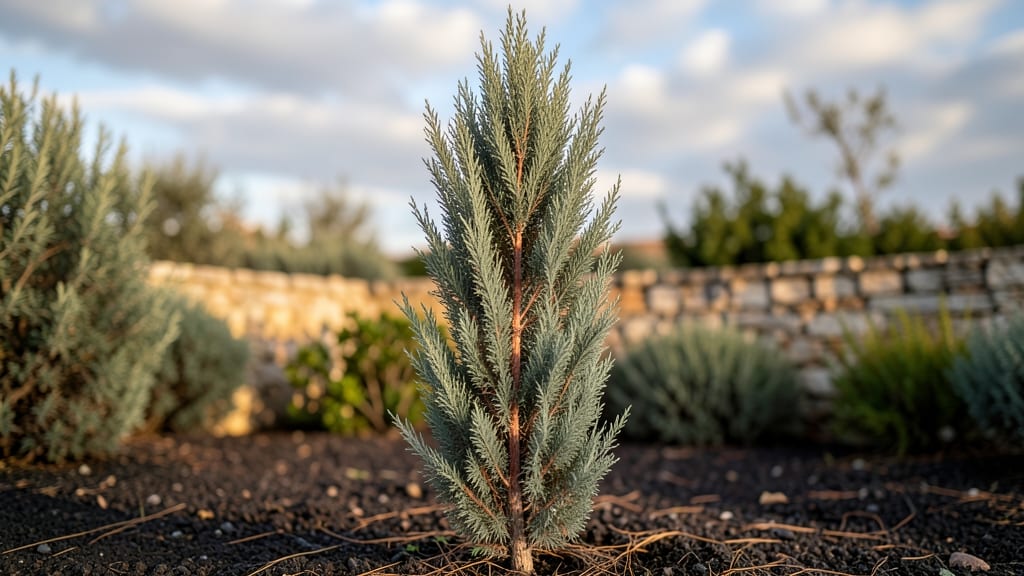
Mastering Mediterranean cypress tree care keeps my Cupressus sempervirens perfectly shaped year-round with just a few strategic cuts—something I learned after my first tree grew lopsided. ✂️ The key is pruning at the right time and in the right way. and scraggly.
This evergreen thrives on neglect but responds beautifully to thoughtful maintenance, and the results are worth the effort.
You’ll need sharp pruning shears, a ladder (for taller trees), and a clear day when temperatures are mild. Mediterranean cypresses handle pruning better than most conifers, but timing matters—spring and early summer are ideal.
The goal is to encourage dense, upright growth while keeping the tree’s natural silhouette intact. Over-pruning leads to weak branches, so less is more.
By following this blueprint, you’ll end up with a tree that stays full, symmetrical, and healthy all year. The foliage remains vibrant and dense, and pests have fewer places to hide.
Plus, the tree’s iconic columnar shape becomes a standout feature in any landscape. Ready to give your cypress the care it deserves?
Works for both small ornamental trees and large landscape specimens, whether you’re shaping a hedge or a single statement plant. The same principles apply whether you’re pruning a 6-foot tree or a 30-foot giant—just scale the tools and effort accordingly.
📚 In This Guide
- What you need
- Instructions
- Tips and common mistakes
- Wrapping up and next steps
What you need
- ● Pruning shears: Bypass pruners (sharp, 4-6 inch blades) for small branches.
- ● Loppers: 8-10 inch for thicker branches (½–1 inch diameter).
- ● Pruning saw: Curved-tooth saw for branches 1+ inches thick.
- ● Gloves: Heavy-duty, cut-resistant (e.g., leather or synthetic).
- ● Disinfectant: 70% isopropyl alcohol or bleach solution (1:9 with water) to clean tools.
- ○ Tree wound sealant: Optional but helpful for large cuts (e.g., Tanglefoot Tree Wound Pruning Seal).
- ● Ladder: Sturdy, extendable (reach 10+ feet if needed).
- ● Safety gear: Eye protection (goggles) and long sleeves/pants.
- ● Extension pole pruners: For high branches without a ladder.
- ● Tar or pruning paste: To seal cuts 1+ inch wide (prevents disease).
- ● String/flagging tape: To mark branches for removal.
- ● Compost bin: For collecting pruned debris (great for mulch!).
Step-by-Step pruning guide for Mediterranean cypress trees
Here's how to sculpt your cypress into a masterpiece—without stressing the tree.
✂️ Step 1: Time Your Pruning for Optimal Healing
Prune Mediterranean cypress trees late winter to early spring, just as new growth begins. This timing ensures you remove dead branches while leaving enough foliage for photosynthesis during the growing season. Avoid heavy pruning in summer or fall—it stresses the tree when energy reserves are low.
Look for brown, brittle branches that snap easily or crossing limbs rubbing against each other. These are your first targets. Use sharp, clean pruners to make cuts at a 45-degree angle, about ¼ inch above a lateral bud. This encourages healthy regrowth and prevents water from pooling in the wound.
🌿 Step 2: Shape with Precision—Thin, Don’t Shear
Cypress trees thrive on selective thinning, not blunt shearing. Remove no more than 25% of the foliage in any single session to avoid shocking the tree. Focus on opening the canopy to improve airflow—this prevents fungal diseases like cypress canker, which thrives in dense, humid conditions.
Start at the outer edges and work inward. Cut back branches to their natural branch collar (the swollen area where the branch meets the trunk). Never leave stubs—this invites decay. For a more formal shape, trim 1-2 inches from the tips of upright branches, but avoid excessive topping, which weakens the tree.
☀️ Step 3: Monitor Light Exposure After Pruning
After pruning, your cypress will need full sun exposure to recover. Position it where it receives at least 6-8 hours of direct sunlight daily. If you notice new growth leaning toward the light, rotate the tree a quarter turn weekly to encourage even, balanced development.
Watch for yellowing needles in the weeks following pruning—this is normal as the tree adjusts. However, if the yellowing spreads or brown patches appear, reduce watering slightly. Mediterranean cypress trees are drought-tolerant once established, so overwatering is more harmful than underwatering. Let the top 2-3 inches of soil dry out between waterings.
⏰ Step 4: Schedule Light Maintenance Pruning
Plan for two light maintenance sessions per year: one in mid-summer to remove any dead or diseased branches and another in early fall to tidy up any errant growth. These sessions should be minimal—just enough to keep the tree looking its best without stressing it.
Use a sterilized pruner (wipe blades with rubbing alcohol between cuts) to prevent spreading pathogens. If you notice sawdust-like frass or tiny holes in the foliage, you may have a pest issue—address it immediately with horticultural oil or insecticidal soap, as cypress trees are susceptible to spider mites and scale.
Tips & tricks for perfect Mediterranean cypress tree care
Between us, pruning cypress trees can feel intimidating—until you know these game-changing approaches that keep your tree thriving without the stress.
Seasonal Timing Secret: The late winter to early spring window is non-negotiable for Mediterranean cypress. This period aligns with the tree's natural dormancy, allowing it to heal quickly while avoiding summer stress. I've seen trees recover beautifully from pruning in this window, while summer cuts often lead to stunted growth or even dieback. Mark your calendar for when your local last frost date occurs—this is your target window.
Pruning Technique That Changed Everything: When you're cutting back branches in Step 2, focus on creating an "open vase" shape rather than a formal topiary. This natural shape improves airflow dramatically, which is critical for preventing fungal diseases like cypress canker. Start with the outer branches and work inward—this prevents shading inner foliage that needs sunlight. The key is to remove entire branches rather than just trimming tips, which maintains the tree's structural integrity.
Recovery Strategy: After your pruning session, give your cypress a recovery boost by applying a balanced, slow-release fertilizer in early spring. Look for one with equal parts nitrogen, phosphorus, and potassium (like 10-10-10). This supports new growth while the tree recovers from pruning. Water deeply but infrequently—cypress trees hate soggy roots. The 6-8 hours of sunlight mentioned in Step 3 is your best friend during recovery, so position your tree where it gets maximum light exposure.
Pest Prevention: Sterilizing your tools between cuts isn't just a suggestion—it's essential. I've seen pruning tools spread fungal infections between trees in just one gardening session. Wipe blades with rubbing alcohol between each cut, especially when dealing with diseased branches. For pest prevention, consider applying horticultural oil in early spring before new growth appears. This creates a protective barrier against spider mites and scale insects that love cypress trees.
Pro Tips for Mediterranean Cypress Tree Care
- Between us, pruning cypress trees can feel intimidating—until you know these game-changing approaches that keep your tree thriving without the stress.
- Seasonal Timing Secret: The late winter to early spring window is non-negotiable for Mediterranean cypress.
- Pruning Technique That Changed Everything: When you're cutting back branches in Step 2, focus on creating an "open vase" shape rather than a formal topiary.
Frequently asked questions
Got questions about keeping your Mediterranean cypress tree thriving?
You’re not alone! Here are the most common concerns—and straightforward answers to help you prune with confidence.
When is the best time to prune a Mediterranean cypress tree?
The ideal window is late winter or early spring (February–March), just before new growth begins. Avoid heavy pruning in summer or fall, as it stresses the tree. Light shaping trims can happen year-round, but never prune in extreme heat or drought.
How much can I trim without harming the tree?
For Mediterranean cypress trees, never remove more than 25% of the foliage in one session. These trees are slow to recover, so gradual shaping (10–15% per year) preserves their iconic shape. Focus on dead, diseased, or overgrown branches first.
Why are my cypress tree’s tips turning brown?
Brown tips often signal underwatering, overwatering, or fungal issues. Check soil moisture—it should be dry 2–3 inches down. If the problem persists, inspect for cypress canker (a common fungal disease) and prune affected areas with sterilized tools.
Can I use the same pruning techniques for a Mediterranean cypress as for other cypress varieties?
While the basics (removing dead wood, thinning) apply, Mediterranean cypress trees hate aggressive pruning. Unlike Leyland cypress, they won’t regrow lost foliage quickly. Use sharp, bypass pruners for clean cuts and avoid heavy topping—it weakens the tree’s structure.
Do Mediterranean cypress trees need full sun to thrive?
They require at least 6–8 hours of direct sunlight daily. Partial shade can lead to sparse growth and weak branches. If your tree is in a shady spot, consider relocating it or supplementing with grow lights in early stages.
Wrapping up and next steps
Caring for your Mediterranean cypress tree is a rewarding journey that blends art and science—whether you’re sculpting its iconic silhouette or nurturing its health. With the right tools, timing, and techniques, you’ll create a stunning, long-lived centerpiece for your landscape. 🌿✨
Now that you’re armed with a pruning blueprint, take action! Start small—trim a single branch today—and watch your cypress thrive year after year. Happy pruning!
- Next step: Schedule your first pruning session during the optimal season (early spring or late winter).
- Pro tip: Keep your notes handy for future reference!