
Propagation
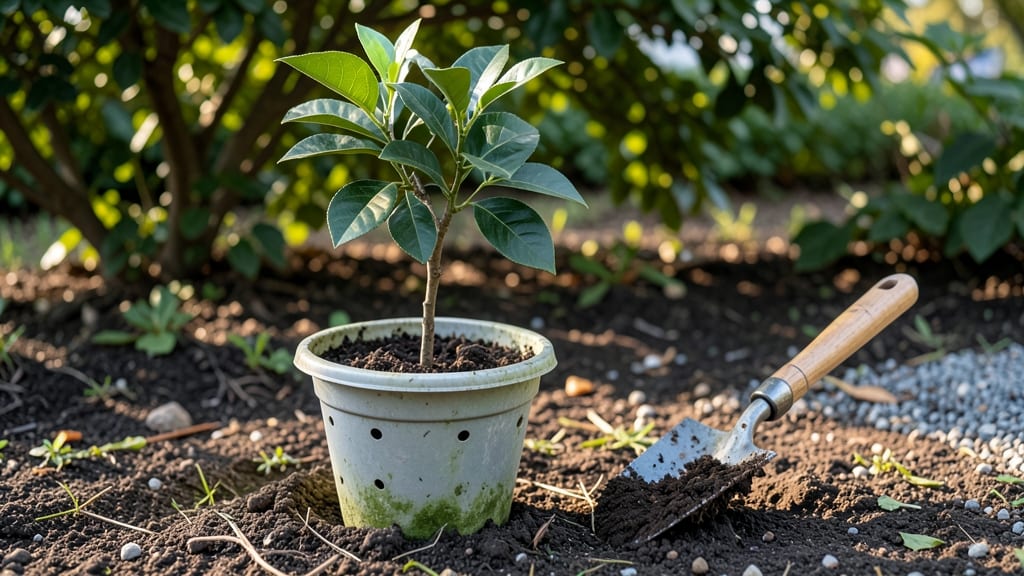
Planting an orange tree from seed is a patient gardener's dream—the kind of project that rewards you with a fragrant, sun-drenched tree that might one day produce fruit. 🌱 The catch?
Germination takes 3-6 months, and fruit-bearing can take a decade, but the journey is worth it for citrus enthusiasts who love a challenge.
Start with fresh, plump seeds from a ripe orange—navel or Valencia work best—and soak them overnight to soften the tough outer shell. You’ll need a warm spot (70-80°F), a shallow tray, and a mix of peat moss and perlite to keep moisture consistent without drowning the seeds.
Patience is key here; some seeds sprout in weeks, others take months.
Once your seedlings emerge, give them bright, indirect light and keep the soil lightly moist but never soggy. The first true leaves will appear small and delicate—this is when you’ll know you’re on the right track.
Transplant carefully when they’re 6-12 inches tall, and prepare for years of nurturing before you see that first blossom.
Here’s the secret: citrus trees thrive on neglect once established, but the early years demand attention. Expect slow growth, potential pests, and the occasional setback—but every leaf is a step toward that first orange. Ready to start your citrus adventure?
📚 In This Guide
- What you need
- Instructions
- Tips and common mistakes
- Wrapping up and next steps
What you need
- ● Orange seeds: 3–5 fresh, plump seeds from a ripe orange (avoid seedless varieties).
- ● Small pots or containers: 4–6 inches deep with drainage holes (biodegradable pots work too!).
- ● Well-draining potting mix: A blend of peat moss, perlite, and sand (or a citrus-specific mix).
- ● Spray bottle: For gentle watering (avoid soaking!).
- ● Plastic wrap or clear lid: To create a mini greenhouse effect.
- ● Warm location: Near a sunny window (60–75°F is ideal for germination).
- ● Patience: Germination can take 2–6 weeks—or longer!
- ● Seedling heat mat: Speeds up germination if your home is chilly.
- ● Grow lights: For 12–16 hours of light/day if natural sunlight is limited.
- ● Fertilizer (low-nitrogen): Like a balanced citrus fertilizer (e.g., 6-6-6) for later growth.
- ● Humidity tray: A shallow tray with pebbles and water to boost moisture.
- ● Label markers: To track seedling progress (trust us, you’ll forget which pot is which!).
Step-by-step instructions for growing citrus trees from seed
Here's how to coax those tiny orange seeds into sturdy saplings.
🌱 Step 1: Extract and Prepare the Seeds
Start with fresh, organic oranges—navel or Valencia work best. Cut the fruit in half and scoop out the seeds, leaving the white pith intact. Rinse them thoroughly under cool water to remove any fruit residue, then let them air-dry on a paper towel for 24 hours. This prevents mold while keeping them viable.
Here's the thing—citrus seeds have a hard outer shell that slows germination. To speed things up, I soak them in lukewarm water for 12-24 hours before planting. This softens the seed coat and encourages faster sprouting. You'll know they're ready when the outer layer looks slightly wrinkled and the seed feels plump to the touch.
💧 Step 2: Plant in Moist, Well-Draining Soil
Use a sterile seed-starting mix (never garden soil—it's too dense and may harbor pathogens). Fill a small pot—3-4 inches deep—with the mix and moisten it until it holds together when squeezed but doesn't drip. Press the soil down lightly to remove air pockets, then create a ¼-inch-deep hole with your finger.
Place 1-2 seeds per pot, about ½ inch apart, and cover them with a thin layer of soil. Gently pat the surface to ensure good contact. Water lightly with a spray bottle until the soil looks evenly moist but not soggy. The key is keeping the soil consistently damp—not wet—during germination.
☀️ Step 3: Provide Warmth and Humidity for Germination
Citrus seeds germinate best in warmth, ideally 75-85°F. Place the pots in a clear plastic bag or under a humidity dome to trap moisture, and set them on a seedling heat mat if possible. Without extra warmth, germination can take 3-6 weeks—sometimes even longer. With the heat mat, you'll see sprouts in 10-20 days.
Check daily but resist the urge to water. The plastic bag retains enough moisture that the soil stays damp without intervention. Once the first true leaves appear (not the initial seed leaves), remove the bag immediately to prevent damping-off—a fungal disease that collapses young seedlings overnight.
🌿 Step 4: Transition to Light and Gradual Care
Move the seedlings to a bright, indirect light spot as soon as they sprout. A south-facing window works, but supplement with a grow light if natural light is weak. Keep the light 2-4 inches above the seedlings to prevent leggy growth. You'll see strong, compact seedlings with deep green leaves—a sign they're thriving.
Water when the top inch of soil feels dry to the touch. Overwatering is the biggest killer of young citrus trees, so let the soil dry slightly between waterings. Fertilize lightly with a balanced, water-soluble fertilizer (5-5-5) at half strength once the seedlings have 4-6 true leaves. This encourages steady growth without burning tender roots.
⏰ Step 5: Harden Off and Transplant
After 4-6 weeks of indoor growth, when seedlings have 6-8 true leaves, it's time to harden them off. Start by placing them outside in a sheltered, shaded spot for 1-2 hours the first day. Gradually increase their outdoor time over 10-14 days, slowly introducing more sun and wind. This prepares them for life in the garden.
Transplant to a larger pot (at least 6 inches deep) or directly into the ground after the last frost. Choose a spot with full sun and well-draining soil. Water deeply at the base to settle the roots, and mulch with 2-3 inches of organic mulch to retain moisture and regulate soil temperature. Patience is key—citrus trees grown from seed take 3-5 years to bear fruit, but the process is incredibly rewarding.
Tips & tricks for perfect citrus germination
Citrus seeds are stubborn little things—here's how to give them the best shot at life without losing hope along the way.
Seed Selection: Not all orange seeds are created equal. Navel and Valencia varieties germinate most reliably, but if you're experimenting with other citrus like grapefruit or lemon, expect slightly longer germination times. The fresher the fruit, the better—seeds from week-old oranges often fail to sprout. I've had the most success with seeds extracted within 24 hours of purchase, so don't let your oranges sit too long before planting.
Soaking Strategy: The 12-24 hour soak in lukewarm water is non-negotiable for breaking that tough seed coat. Here's the thing—don't use hot water (above 90°F), as it can kill the embryo inside. Change the water halfway through if it starts looking cloudy, which indicates bacteria growth. You'll know your seeds are ready when they float slightly or show tiny cracks—they're telling you they're eager to sprout!
Soil Science: Sterile seed-starting mix isn't just a suggestion—it's your best defense against damping-off. I've learned this the hard way after losing multiple batches to fungal infections. If you're using garden soil, mix it 50/50 with perlite or vermiculite to improve drainage. The soil should crumble easily when dry but hold together when squeezed—think of it as having the texture of a damp sponge. This balance is crucial for those delicate citrus roots.
Light Transition: That first move to bright, indirect light after germination is critical. I've seen seedlings stretch into sad, leggy sticks when moved too quickly to direct sun. Start with a spot that gets morning sun and afternoon shade, then gradually increase sunlight over 5-7 days. If you're using grow lights, keep them 2-4 inches above the seedlings and adjust as they grow—this prevents that classic "reaching" look that signals light deprivation.
Pro Tips for Plant Orange Tree From Seed
- Citrus seeds are stubborn little things—here's how to give them the best shot at life without losing hope along the way.
- Seed Selection: Not all orange seeds are created equal.
- Soaking Strategy: The 12-24 hour soak in lukewarm water is non-negotiable for breaking that tough seed coat.
Frequently asked questions
Got questions about growing an orange tree from seed? You’re not alone—this process can be tricky! Here are answers to the most common concerns to help you navigate germination, care, and troubleshooting like a pro.
How long does it take for an orange seed to sprout?
Orange seeds typically sprout in 2–4 weeks if kept in warm, moist conditions (70–85°F). Patience is key—some seeds may take up to 6 weeks or longer, especially in cooler environments. Keep the soil consistently damp (not soggy) and avoid moving the pot until you see tiny green shoots!
Can I plant orange seeds outdoors directly?
No—orange seeds must start indoors (or in a greenhouse) to protect them from frost and temperature swings. Direct outdoor planting is risky because seeds need warmth and humidity to germinate. Wait until the seedling is at least 12 inches tall and hardened off before transplanting outside in spring.
Will my seed-grown orange tree produce fruit?
Most likely, no. Seed-grown trees are often non-fruiting because they’re genetically unpredictable (like a "wild" orange). For fruit, grafted trees are the way to go. However, seed-grown trees make great ornamental or rootstock plants—just enjoy their lush foliage and potential for future grafting!
Why did my orange seed rot or mold?
Overwatering or poor drainage are the top culprits. Orange seeds need moisture but not soggy soil. Use a well-draining mix (like perlite + peat) and a container with drainage holes. If mold appears, discard the seed, sterilize the pot, and try again with fresh seed. A seedling heat mat can also help prevent dampness issues.
What’s the best alternative if my seed won’t germinate?
Try these three backups:
- Buy a grafted citrus tree (faster fruit, guaranteed variety).
- Use a citrus cutting from a mature tree (if available).
- Try another citrus seed (like a mandarin or grapefruit)—some germinate more reliably.
Wrapping up and next steps
Growing an orange tree from seed is a rewarding journey that blends patience with the joy of nurturing life from scratch! 🌱 By following these germination secrets—from selecting the right seed to providing optimal care—you’re not just planting a tree; you’re cultivating a potential source of fresh, homegrown citrus.
While it may take years to bear fruit, the process itself is a beautiful lesson in resilience and nature’s magic.
Ready to take the next step? Once your seedling sprouts and grows into a sturdy sapling, research transplanting techniques or explore citrus tree care guides to ensure its long-term health. Happy growing—your future orange harvest awaits! 🍊✨