
Propagation
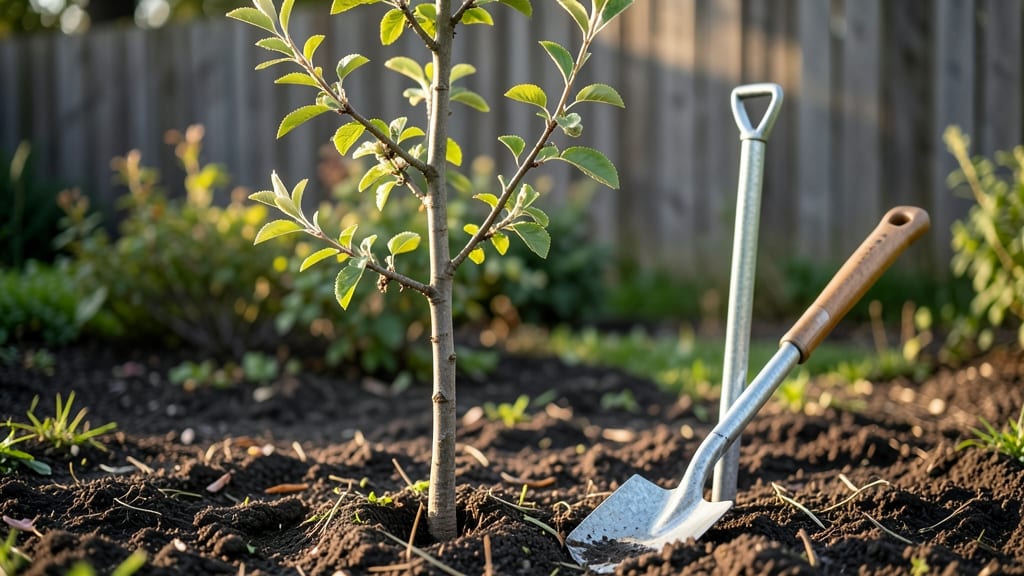
Learn how to remove metal tree stakes from ground without bending them or tearing your back—it’s all about patience, the right tools, and a little cleverness. 🌱 I’ve wrestled with these before, and the secret isn’t brute force but smart leverage, the right tools, and a little patience to avoid bending stakes or tearing roots.
You’ll need a sturdy pry bar, heavy-duty gloves, and maybe a hammer to tap stubborn sections loose. For rocky soil, a reciprocating saw with a metal blade cuts through faster than digging. The key? Work in sections—pry, twist, and repeat—while keeping an eye on nearby roots to avoid damage.
What you’ll end up with is clean ground, reusable stakes (if they’re not too rusted), and a garden bed ready for replanting without a mess. Even the most stubborn stakes give way when you apply the right pressure in the right spots—no backbreaking effort required.
Pro tip: Wrap the stake base in burlap before reusing it to prevent rust next time. And if you’re recycling, check local scrap metal programs—they’ll take them off your hands for free. Ready to tackle that yard cleanup?
📚 In This Guide
- What you need
- Instructions
- Tips and common mistakes
- Wrapping up and next steps
What you need
- ● Heavy-duty gloves (2 pairs): Choose nitrile-coated or leather gloves (size medium/large) for grip and protection against sharp edges or rust.
- ● Sturdy digging tool (1): D-handle shovel (16–18" blade) for leverage, OR
- ● Post hole digger (24–36" length) for precision.
- ● Adjustable wrench or channel locks (1 set): 10–12mm range to grip stake heads if they’re bolted or threaded.
- ● Rust inhibitor or WD-40 (1 small spray can): To loosen rusted stakes and prevent corrosion on tools.
- ● Wheelbarrow or bucket (1): For hauling dirt, rocks, or debris (5–10 gallon capacity recommended).
- ○ Knee pads (optional but helpful): If you’ll be kneeling for extended periods.
- ● Hammer or mallet (1): For tapping stubborn stakes loose if they’re deeply embedded.
- ● Rope or bungee cords (2–3): To secure stakes to a vehicle or helper for team-assisted pulling.
- ● Safety glasses (1 pair): To shield eyes from flying dirt or debris.
- ● Pruning shears (1): If stakes are tangled in roots or vines.
- ○ Portable power drill (optional): With a hole saw attachment to cut stakes if they’re too corroded to remove intact.
Step-by-Step guide for extracting stubborn metal tree stakes
Here's how I tackle the toughest metal stakes—no rust stains or broken tools in sight.
✂️ Step 1: Loosen the Soil Around the Stake
Use a flat-head shovel or garden spade to carefully cut a 2-inch wide vertical trench around the stake, about 6 inches deep. This breaks up compacted soil and gives you leverage later. I angle the blade slightly to avoid hitting the stake itself—you want to weaken the soil grip, not damage the metal.
For extra stubborn stakes, insert a wooden dowel or screwdriver into the trench and gently tap it with a hammer to vibrate the soil loose. This creates tiny air pockets that make removal easier. Stop when the stake feels slightly loose—you’ll hear a faint click as the soil releases its hold.
🪴 Step 2: Apply Rust-Prevention and Lubrication
Spritz the exposed metal with WD-40 or a penetrating oil (like Kroil) to break down any rust buildup and act as a lubricant. Let it sit for 5-10 minutes—this gives the oil time to seep into stubborn corrosion spots. I like to wrap a rag around the top of the stake and twist it gently to spread the oil evenly down the shaft.
If the stake is particularly corroded, mix baking soda with water into a paste and apply it to rusted areas. Let it sit for 15-20 minutes before rinsing—this neutralizes acidity and makes rust crumbly. Avoid steel wool; it can leave fibers behind that worsen rust later.
💧 Step 3: Use the Right Tools for Extraction
For smaller stakes (1/4-inch diameter), grip the top with channel locks or locking pliers and twist counterclockwise while pulling upward. I find a rubber mallet helps—tap the top of the stake gently to jar it free as you pull. If it resists, switch to a stake puller tool (available at hardware stores) for better leverage.
For larger or deeper stakes, drive a wooden block (like a 2x4) next to the stake and hammer it to create a wedge. This forces the soil to shift and releases the stake’s grip. Never use a sledgehammer directly on the stake—you’ll bend it or snap the tool. If the stake bends, cut it at ground level with bolt cutters and leave the remaining piece to rust out.
☀️ Step 4: Clean Up Without Rust Stains
Once the stake is out, scrape off any remaining soil with a putty knife and wipe the metal with a damp cloth to remove residue. For rust stains on tools or gloves, soak them in white vinegar for 10 minutes—it dissolves oxidation without damaging surfaces. I keep a small spray bottle of vinegar on hand for quick cleanups.
Fill the hole with compost or fresh soil to prevent erosion, then water lightly to settle it. If the hole is large, mix in slow-release fertilizer to boost root growth in that area. Avoid compacting the soil—just pat it down gently with your hands. This keeps the spot ready for replanting or mulching.
Tips & tricks for removing stubborn metal tree stakes
Real talk: The difference between a smooth stake removal and a frustrating battle with the ground is often in the details. Here’s how to make it easier.
Soil Prep Secret: In Step 1, don’t just cut that 2-inch trench—work the soil around the stake first. Use the back of your shovel to loosen the dirt in a circular motion before digging the trench. This creates more air pockets, making the soil release its grip faster. I’ve found that adding a few drops of dish soap to the trench helps break surface tension in the soil, letting it crumble away even easier.
Rust Rescue Strategy: When dealing with corroded stakes in Step 2, don’t overlook the base. After applying your WD-40 or baking soda paste, wrap the bottom 2 inches of the stake with aluminum foil before letting it sit. The foil creates a barrier that prevents the rust treatment from seeping into the soil, keeping your garden area clean. This is especially helpful if you’re working near plants—no one wants rust stains in their mulch.
Tool Technique: For Step 3, if you don’t have a stake puller tool, a simple alternative is a pair of heavy-duty bolt cutters. Grip the stake about 2 inches from the top and squeeze—just enough to create a slight bend. Then, while holding the cutters steady, twist the stake counterclockwise. The bend gives you extra leverage without damaging the metal. I’ve pulled stakes this way that were stuck for years!
Cleanup Hack: In Step 4, save your vinegar-soaked tools for more than just rust stains. After cleaning your gloves or shovel, run them under hot water while soaking. The heat helps dissolve any remaining grime, and the vinegar neutralizes odors. Keep a small spray bottle of vinegar-water mix (1:1 ratio) in your garden toolbox—it’s perfect for quick cleanups between projects.
Pro Tips for Remove Metal Tree Stakes From Ground
- Real talk: The difference between a smooth stake removal and a frustrating battle with the ground is often in the details.
- Soil Prep Secret: In Step 1, don’t just cut that 2-inch trench—work the soil around the stake first.
- Rust Rescue Strategy: When dealing with corroded stakes in Step 2, don’t overlook the base.
Frequently asked questions
Got questions about removing metal tree stakes?
You’re not alone—this task can be trickier than it looks! Below, we’ve rounded up the most common concerns and practical solutions to make your job easier. From timing tips to rust prevention, we’ve got you covered.
When is the best time to remove metal tree stakes?
Remove stakes in early spring or late fall when the ground is softer but not frozen. Avoid winter (hard soil) or peak summer (dry, cracked earth). If your stakes are rusted, tackle them sooner rather than later—rust weakens metal and makes removal harder over time.
What if the stakes are too rusted to pull out?
If rust has fused the stake to the soil, don’t force it—you’ll bend the stake or damage roots. Instead, use a hacksaw or angle grinder to cut the stake at ground level, then dig around the base to loosen it. For stubborn cases, soak the area with WD-40 or penetrating oil overnight to break up corrosion.
Can I reuse metal tree stakes after removal?
Reuse is possible if the stakes are only slightly rusted and structurally sound. Scrub them with vinegar or a wire brush, rinse well, and apply a light coat of motor oil or WD-40 to slow future rust. Discard heavily corroded stakes—they’ll weaken over time and may fail when you need them most.
Are there better alternatives to metal stakes for long-term use?
Yes! For rust-free, reusable stakes, try:
- Plastic stakes: Lightweight, won’t corrode, and often come with built-in hooks for ties.
- Bamboo or wooden stakes: Biodegradable (great for temporary support) but require sealing to prevent rot.
- Galvanized metal: Coated to resist rust longer than standard metal—ideal if you prefer durability.
What should I do if the stake breaks while pulling?
If the stake snaps above ground, use pliers or a wrench to grip the remaining piece and twist it out. For broken-off sections still in the ground, dig around the base to expose the fragment, then pry it out with a flathead screwdriver or putty knife. If the breakage is deep, a post-hole digger may be needed to extract it safely.
Wrapping up and next steps
Removing metal tree stakes doesn’t have to be a battle—with the right tools and techniques, you can tackle rusted or stubborn stakes like a pro! 💪 Whether you opt for leverage, heat, or a little elbow grease, the key is patience and precision.
Once those stakes are out, you’ll be left with a cleaner workspace and a sense of satisfaction.
Ready to reclaim your garden? Grab your tools, follow the steps, and transform that messy corner into a tidy, stake-free zone! 🌱✨