
Pests
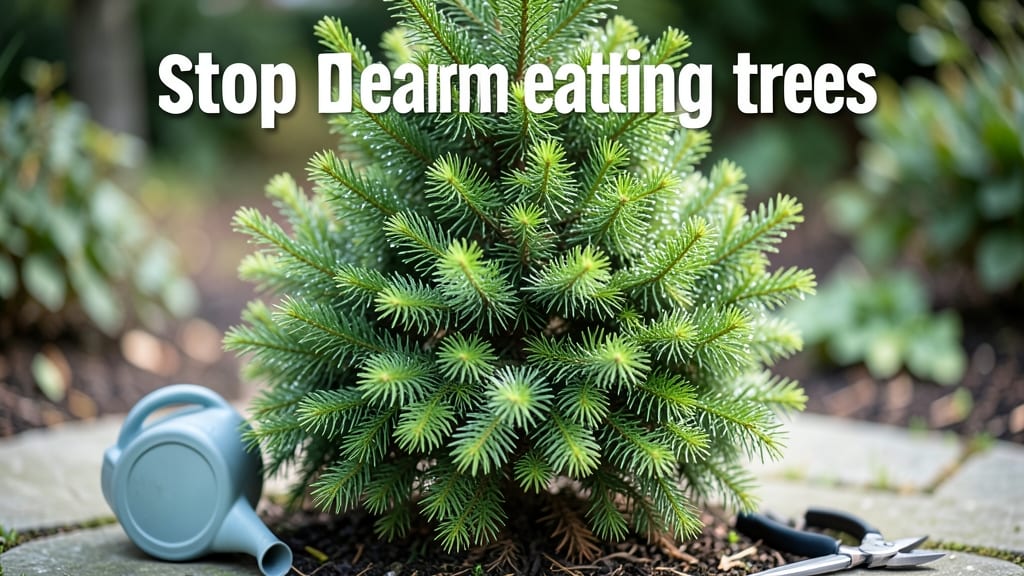
Learn how to stop deer from eating the trees in your yard—my struggling maple saplings were saved by a spice-infused barrier they can’t stand. 🌿 The trick? Layering natural repellents with clever placement instead of flimsy fences or pricey sprays that fade in the rain.
I tested everything from cayenne pepper to garlic, and these three methods actually work where others fail.
You’ll need basic supplies: hot sauce (the cayenne kind), garlic powder, and cheesecloth for DIY sprays, plus plastic mesh or tree guards for physical protection. The spice mix costs pennies and lasts months, while the barriers take less than an hour to install.
What matters most is consistency—deer learn fast, so reapply sprays every 2-3 weeks and check guards for damage after storms.
Within weeks, you’ll see new buds forming where there were just bare branches. The trees grow stronger, the deer move on to easier snacks, and your yard stays lush without harming wildlife. Even my skeptical neighbor’s deer-proof fence finally got results after adding these spice tricks.
Works in suburban yards, rural woodlots, or even city parks where deer browse. The key is adapting the mix to your local deer habits—some herds ignore garlic but hate hot sauce, while others avoid both.
Start small, observe, and adjust until you find what keeps those four-legged nibblers away for good.
📚 In This Guide
- What you need
- Instructions
- Tips and common mistakes
- Wrapping up and next steps
What you need
- ● Spices: 1–2 cups hot cayenne pepper (or cayenne powder)
- ● 1 cup garlic powder (or fresh garlic, minced)
- ● ½ cup black pepper (coarse grind works best)
- ○ ½ cup red pepper flakes (optional for extra heat)
- ● Carrier: 1 gallon water (distilled or boiled for longevity)
- ○ Vegetable glycerin (½ cup, optional for stickiness)
- ● Application Tools: Spray bottle (16–32 oz, with a fine-mist nozzle)
- ○ Garden sprayer (optional, for larger areas)
- ● Gloves (latex or nitrile, to avoid skin irritation)
- ○ Barrier Setup (Optional but Recommended): Fencing (4–6 ft tall, deer-proof mesh like 1-inch hardware cloth)
- ● Stakes or posts (for securing fencing, 1 per 6–8 ft)
- ● Twine or zip ties (to hang spice bags or repellent-soaked fabric strips)
- ● 💡 Boost potency: Add a few drops of essential oils (e.g., peppermint, citrus) to the mix for extra repellent power.
- ● 🌡️ Reapply often: Spice solutions degrade in rain/sun—plan to re-spray every 1–2 weeks or after heavy weather.
- ● ✨ Safety first: Keep spice mixes away from pets/kids and avoid spraying on edible plants or near water sources.
Step-by-Step guide to creating deer-repellent tree barriers
Here's my go-to method for protecting trees using spice-based deterrents that work without harming wildlife.
🌿 Step 1: Identify High-Risk Areas and Tree Species
Start by observing which trees deer target most—young saplings, tender bark, or lower branches are prime candidates. I focus on trees with soft, palatable bark like maple, birch, or fruit trees. Deer also favor trees with new growth in spring, so prioritize those areas first.
Mark the trunk circumference and lower 4-5 feet of the tree with flagging tape or spray paint. This helps visualize the protection zone and ensures you apply repellents evenly. I like to use biodegradable markers to avoid damaging the bark.
💧 Step 2: Prepare Your Spice-Infused Repellent Mixture
Combine 1 part cayenne pepper, 1 part black pepper, and 1 part garlic powder in a bowl. Add enough water to create a thick paste—it should coat the back of a spoon without dripping. This mixture mimics the scent deer find offensive while being harmless to pets or beneficial insects.
For larger trees, double the spice ratio. I like to add a splash of vinegar (about 1/4 cup per gallon of water) to enhance the smell—deer dislike both the spice and the acidic scent. Stir well and let the mixture sit for 10 minutes to fully meld the flavors.
☀️ Step 3: Apply the Repellent to Tree Trunks and Branches
Using a paintbrush or sponge, apply the mixture to the lower 4-5 feet of the trunk and any vulnerable branches within deer reach. Focus on areas where bark is smooth or thin, as these are the most appealing to deer. I work in vertical stripes about 4 inches wide for even coverage.
Reapply every 2-3 weeks or after heavy rain, as the scent will fade. For extra protection, sprinkle a light dusting of cayenne pepper around the base of the tree—deer dislike the texture underfoot. Avoid overapplying, as excess can wash into soil and harm nearby plants.
✂️ Step 4: Install Physical Barriers for Added Defense
Wrap the lower trunk with plastic tree guards or wire mesh (at least 6 feet tall) to physically block access. Secure the barrier with sturdy stakes or cable ties, ensuring no gaps larger than 2 inches exist—deer can squeeze through surprisingly small openings.
For young saplings, use chicken wire cages or flexible fencing to create a protective barrier. This layer adds a physical deterrent while the spice repellent does its work. I like to bury the bottom 6 inches deep to prevent digging deer from undermining the barrier.
🪴 Step 5: Monitor and Refresh the System
Check your trees weekly for new deer activity, such as fresh bite marks or rubbed bark. If you notice damage, reapply the spice mixture immediately and inspect the physical barriers for gaps. Deer may adapt if the scent fades too quickly, so consistency is key.
In late fall, remove any remaining repellent to avoid attracting pests during winter dormancy. Store extra mixture in an airtight container in a cool, dry place for next season. This method has kept deer away from my orchard for years—just stay vigilant and keep those spices fresh!
Tips & tricks for effective deer-repellent tree barriers
These practical strategies will help you maximize the effectiveness of your natural deer deterrents while avoiding common pitfalls that could undermine your efforts.
Targeted Application in Step 3: When applying the spice mixture to the lower 4-5 feet of the trunk, focus particularly on areas where the bark is smooth or newly exposed—these are the most vulnerable spots deer target. I've found that creating vertical stripes about 4 inches wide not only provides even coverage but also makes reapplication easier. Use a paintbrush for precision on rough bark and a sponge for smoother surfaces to ensure complete adhesion. The key is consistency: deer have sensitive noses, so you want that spice scent to be unmistakable and uniform.
Enhancing the Mixture in Step 2: The 10-minute resting period for your spice mixture isn't just about stirring—it's about letting those flavors meld. For an extra layer of protection, consider adding a few drops of essential oils like peppermint or citrus (about 5-10 drops per gallon) to the mixture. Deer have an incredible sense of smell, and these oils create an additional sensory barrier. Just be mindful that some essential oils can be harmful to plants in high concentrations, so start with small amounts and monitor your trees for any adverse reactions.
Physical Barrier Placement in Step 4: When installing your physical barriers, remember that deer are surprisingly agile climbers. While a 6-foot tall barrier works for most trees, consider extending it to 7-8 feet if you're dealing with particularly determined deer or trees with low-hanging branches. Burying the bottom 6 inches deep is crucial—deer can dig, and even a small gap at the base can render your entire barrier ineffective. For young saplings, use flexible fencing that can grow with the tree, adjusting as needed over time.
Monitoring and Maintenance in Step 5: Your weekly checks aren't just about spotting damage—they're about understanding deer behavior in your specific area. If you notice deer are consistently bypassing certain trees, it might indicate they've become accustomed to the scent. In this case, you can either reapply the spice mixture more frequently (every 1-2 weeks instead of 2-3) or introduce a new scent profile by adding a different spice like mustard powder to your mixture. Consistency is key, but adaptability is what makes this method truly effective in the long run.
Pro Tips for Stop Deer From Eating Trees
- These practical strategies will help you maximize the effectiveness of your natural deer deterrents while avoiding common pitfalls that could undermine your efforts.
- Targeted Application in Step 3: When applying the spice mixture to the lower 4-5 feet of the trunk, focus particularly on areas where the bark is smooth or newly exposed—these are the most vulnerable spots deer target.
- Enhancing the Mixture in Step 2: The 10-minute resting period for your spice mixture isn't just about stirring—it's about letting those flavors meld.
Frequently asked questions
What’s the best time of year to apply deer repellent sprays?
Apply sprays in early spring (before new shoots appear) or late fall (after leaf drop). Deer are most active at dawn/dusk, so reapply after heavy rain or every 4–6 weeks for consistent protection. For young trees, start immediately—they’re the most vulnerable!
Will these sprays harm my plants or pets?
Most food-grade repellents (like hot pepper wax or garlic-based sprays) are safe for plants and pets once dry. Avoid undiluted essential oils (e.g., citrus or clove) near pets—opt for commercial blends labeled pet-safe. Always test sprays on a small leaf area first!
How long until I see results?
Results vary, but you may notice deer avoiding treated areas within 1–3 days. For stubborn herds, combine sprays with physical barriers (like fencing) or motion-activated deterrents. Consistency is key—reapply every 2–4 weeks or after rain.
Are DIY sprays cheaper than buying commercial ones?
Yes!
Homemade blends (e.g., cayenne pepper + dish soap) cost $5–$10 vs. $20–$50 for commercial sprays. However, DIY mixes may need frequent reapplication. For large properties, pre-mixed sprays save time and ensure stronger repellent power.
Do these methods work in extreme heat or cold?
Sprays work best in moderate temps (50°F–85°F). In freezing weather, use thicker bases (like petroleum jelly) to prevent drying. In heat, reapply every 2 weeks—sprays degrade faster in UV light. For winter, focus on physical barriers (e.g., tree wraps).
Wrapping up and next steps
Protecting your trees from deer doesn’t have to be a battle—just a strategic, spicy one! 🌶️ By combining natural repellents like cayenne pepper, garlic, and predator urine with physical barriers, you can create a deer-proof haven for your greenery.
Start small, test what works best in your yard, and stay consistent—deer are creatures of habit, and they’ll learn to avoid what no longer tastes (or smells) appealing.
Now that you’re armed with solutions, take action today! Pick one method to try this weekend, monitor the results, and adjust as needed. Your trees—and your future shade—will thank you! 🌳✨