
Pests
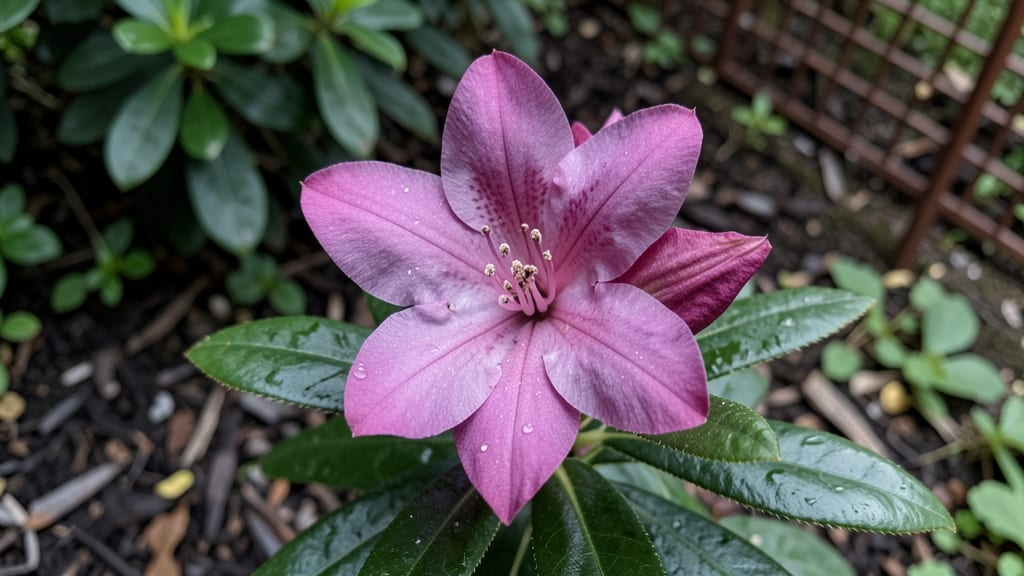
The trees deer don’t eat, like oak, maple, and Russian olive, saved my garden from becoming a buffet—until I planted these tough guys. 🌳 I’ve lost count of how many times I’ve woken up to find my prized plants chewed to nubs. as living barriers.
Deer avoid them because of bitter compounds, prickly textures, or strong scents that make them unappetizing snacks.
The right trees act like natural fences, but they’re not foolproof. A hungry herd might still nibble if food is scarce, so pair them with other strategies like repellents or companion plants.
Oak trees, for example, have tough leaves deer dislike, while Russian olive’s dense foliage creates a physical barrier. Maple trees also work well—they’re fast-growing and deer tend to leave them alone.
Once established, these trees create a lush, low-maintenance shield that looks great year-round. You’ll see fewer deer tracks in your yard, and your other plants will finally get a chance to thrive.
Just remember: regular pruning keeps them healthy and effective. Think of them as your garden’s first line of defense—nature’s way of saying, "Keep out!"
Works best in mixed borders or along property lines, but check local deer preferences—some regions have pickier browsers than others. Start with 2-3 trees spaced 10-15 feet apart for maximum coverage. Your garden (and sanity) will thank you.
📚 In This Guide
- What you need
- Instructions
- Tips and common mistakes
- Wrapping up and next steps
What you need
- ● Deer-resistant tree seedlings or saplings: 5–10 plants (species like Redbud, Japanese Maple, Boxwood, or Russian Olive)
- ● Root ball size: 1–3 gallons (depending on tree maturity)
- ● High-quality potting soil or native soil mix: 5–10 bags (2–3 cubic feet each)
- ● Organic mulch (cedar or pine): 1–2 bags (to deter deer with scent)
- ● Slow-release fertilizer: 1–2 bags (10–20 lb, for balanced nutrients)
- ○ Drip irrigation kit (optional but recommended): 50–100 ft tubing + emitters
- ● Garden tools: Shovel or trowel (for planting)
- ● Pruning shears (for shaping)
- ● Gloves (to protect your hands)
- ● Measuring tape or ruler (to space plants 3–6 ft apart)
- ○ Stakes & twine (optional): 5–10 stakes + twine (for young sapling support)
- ○ Deer repellent spray (optional): 1–2 bottles (e.g., Liquid Fence)
- ● Local plant hardiness zone guide (to verify tree suitability for your climate)
How to plant deer-resistant trees as natural fence line guardians
Here's how to create a living barrier that keeps deer out without fences or chemicals.
🌱 Step 1: Select the Right Deer-Resistant Species for Your Climate
Start by choosing from proven deer-resistant trees like red oak, hawthorn, or Russian olive—these tough varieties have natural chemical defenses deer avoid. Check your USDA hardiness zone to match trees with your climate range. For example, red oak thrives in zones 3-8, while hawthorn handles zones 4-9. I always verify a tree's mature height and spread to ensure it fits my space without overcrowding.
Young saplings are easier to plant and establish quickly. Look for 2-3 foot tall specimens with healthy root systems. Avoid trees with yellowing leaves or brittle branches—these signs indicate stress or disease that won't recover after planting. When in doubt, ask your local nursery for their top deer-resistant recommendations for your area.
🪴 Step 2: Prepare Planting Sites Along Your Property Line
Mark your planting line with stakes spaced 6-8 feet apart—this spacing gives mature trees room to grow without competing for nutrients. Dig holes twice as wide as the root ball but only as deep as the container. Loosen the soil at the bottom of each hole with a shovel to encourage root spread. I always add a handful of bone meal fertilizer to the bottom of each hole to give young trees a phosphorus boost for strong roots.
For slopes or uneven terrain, create small berms to level the planting area. This prevents water pooling around roots after rain. Test soil moisture before planting—if it's too dry, water the hole thoroughly and wait 24 hours before planting to let excess water drain. The goal is moist but not soggy soil when you plant.
☀️ Step 3: Plant and Stake for Wind Protection
Remove the tree from its container and gently loosen the root ball if it's tightly packed. Position the tree in the hole so the top of the root ball sits 1-2 inches below ground level—this prevents stem rot from sitting too high. Backfill with native soil, tamping lightly every 6 inches to remove air pockets. Water immediately after planting to settle the soil around roots.
Install two 4-foot stakes on opposite sides of each tree, securing them with soft tree ties (never wire, which can girdle the trunk as it grows). The stakes should form a triangle with the tree trunk for maximum stability. Water deeply again until moisture reaches 12 inches down—you'll see the soil surface darken when it's properly saturated. Mulch with 3 inches of wood chips in a 3-foot radius, keeping mulch 6 inches away from the trunk to prevent rot.
💧 Step 4: Maintain Water and Monitor Growth
Water newly planted trees twice weekly for the first month, then taper to once weekly as roots establish. Check soil moisture by pushing a finger 2 inches deep—if it feels dry, water thoroughly. Avoid overhead watering, which can spread disease. Instead, use a soaker hose at the base to deliver moisture directly to roots. You'll notice new growth within 4-6 weeks if the tree is thriving.
Fertilize lightly in spring with a balanced 10-10-10 formula, applying it 6 inches from the trunk in a circular pattern. Avoid heavy-handed fertilizing—deer-resistant trees grow slowly but steadily, and too much nitrogen encourages soft, palatable growth that deer might eventually target. Prune only to remove dead branches in the first year; let the tree focus its energy on root development.
Tips & tricks for planting deer-resistant trees
Real talk: These small tweaks make the difference between a thriving deer-proof barrier and a failed experiment.
Species Selection: I learned this the hard way after losing three saplings to hungry deer—always choose mature height over fast growth. Russian olive, for example, grows to 20-30 feet and has a dense, prickly canopy deer avoid. Check the USDA zone map for your area, but also verify the tree's mature spread—some varieties like hawthorn can grow 15-20 feet wide and need plenty of space to establish properly.
Soil Prep Strategy: The 24-hour waiting period after wetting dry soil is non-negotiable. I've seen too many root systems fail because the hole was planted too soon. Use this time to test your soil's drainage—if water pools after 24 hours, amend with compost or sand before planting. For clay-heavy soils, mix in 1 part sand to 3 parts native soil in the bottom of the hole to improve aeration.
Staking Technique: Those 4-foot stakes aren't just for show—they prevent wind rock, which can uproot young trees. I use flexible plastic stakes instead of metal because they won't rust and can be left in for 2 years without damaging the trunk. The triangle formation with the trunk creates the strongest support system, and the soft tree ties allow the trunk to grow naturally without constriction.
Watering Wisdom: The twice-weekly watering schedule works in moderate climates, but adjust for extremes. In hot, dry summers, I increase to daily watering for the first month, then taper to every other day. For rainy seasons, reduce to once weekly and monitor for waterlogging—soggy soil suffocates roots. The soaker hose method is a game-changer because it delivers water directly to the root zone without wetting foliage, which reduces disease risk.
Pro Tips for Trees Deer Don'T Eat
- Real talk: These small tweaks make the difference between a thriving deer-proof barrier and a failed experiment.
- Species Selection: I learned this the hard way after losing three saplings to hungry deer—always choose mature height over fast growth.
- Soil Prep Strategy: The 24-hour waiting period after wetting dry soil is non-negotiable.
Frequently asked questions
Got questions about using deer-resistant trees to protect your garden?
You’re not alone! Here are some of the most common queries—and their answers—to help you plan like a pro.
What are the most effective trees deer really avoid?
Deer typically steer clear of trees with strong scents, fuzzy textures, or toxic compounds. Top picks include Thuja occidentalis (arborvitae), Juniperus (juniper), Pinus (pine), Taxus baccata (yew), and Larix (larch). These trees are tough, fast-growing, and packed with natural deer-deterring traits.
How long does it take for these trees to create a reliable barrier?
Most deer-resistant trees grow 1–3 feet per year, so a 6-foot-tall hedge could take 2–5 years to establish. For faster results, plant saplings (2–3 feet tall) and supplement with temporary fencing or repellents until they mature. Patience pays off—deer learn to avoid dense, aromatic foliage over time!
Are deer-resistant trees more expensive than other fencing options?
Not necessarily! While some specialty trees (like yew) may cost $20–$50 per plant, they’re a one-time investment compared to annual fencing repairs or deer repellent costs ($50–$200/year). Plus, they add curb appeal and long-term privacy—win-win!
What if deer still nibble my trees after planting?
Even "deer-proof" trees can get tested, especially in hungry seasons. Try these fixes:
- Apply commercial deer repellent (like Liquid Fence) during spring/summer.
- Wrap young trunks with hardware cloth or burlap.
- Plant companion herbs (like lavender or rosemary) nearby—their scent confuses deer.
- Use motion-activated sprinklers to startle them away temporarily.
Can I use these trees in small gardens or containers?
Dwarf varieties like Thuja occidentalis 'Smaragd' (compact arborvitae) or Juniperus horizontalis 'Blue Rug' (spreading juniper) thrive in containers or tight spaces. Just ensure pots are 12+ inches deep and use well-draining soil. Bonus: Container trees let you move them to protect seasonal crops!
Wrapping up and next steps
Discovering the perfect trees deer don’t eat is like unlocking a natural fortress for your garden! 🌳 These plants not only deter deer but also add beauty and value to your landscape. From Rhododendrons to Boxwoods, the options are plentiful—and now, you’re armed with the knowledge to choose wisely.
Ready to take action? Start by selecting 2-3 of these deer-resistant trees and plant them strategically around your garden’s perimeter. Pro tip: Combine them with other deterrents like fencing or repellents for even better results! 💡 Your garden will thrive, and those pesky deer? They’ll be history.