
Pruning
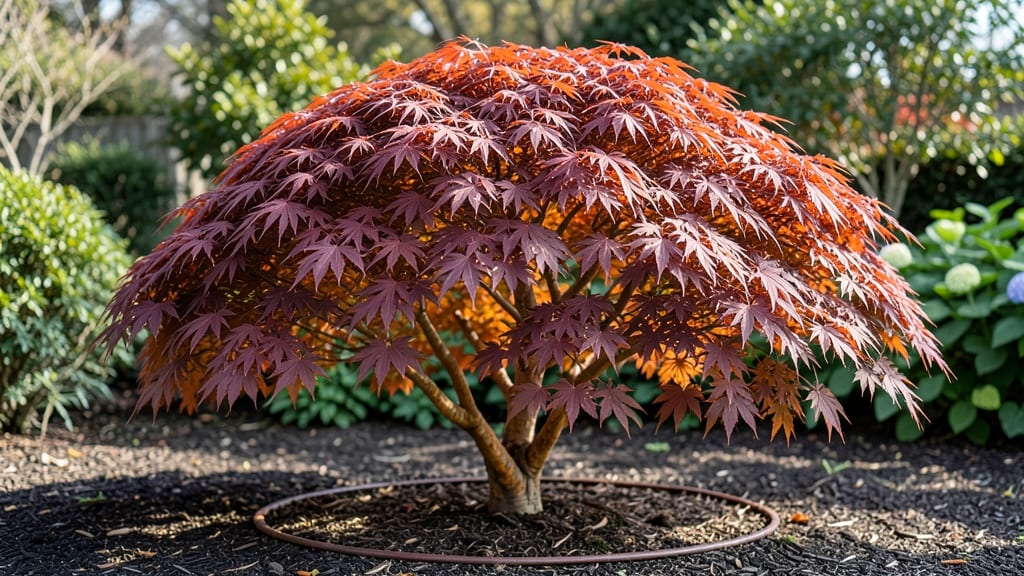
The stunning red emperor Japanese maple tree turns your yard into a fiery autumn masterpiece—but only if you prune it right. I’ve spent years studying how to coax those deep red leaves from this stunning cultivar, and the key isn’t just when you cut, but how.
This tree thrives in partial shade with moist, well-draining soil, but its real magic happens in the pruning season. Start in late winter when the tree is dormant, then do light maintenance in summer to shape growth.
The goal? Open the canopy so sunlight hits every leaf, turning them from green to that show-stopping burgundy by October.
After pruning, you’ll see new growth emerge within 4-6 weeks, with foliage that’s richer, denser, and more vibrant than ever. The branches will hold their shape better, too, resisting wind damage and looking effortlessly elegant all season long.
Whether you’re dealing with leggy branches or just want to encourage bushier growth, these techniques work for both young saplings and mature trees. Let’s get those shears sharp and turn your maple into the neighborhood’s fall centerpiece!
📚 In This Guide
- What you need
- Instructions
- Tips and common mistakes
- Wrapping up and next steps
What you need
- ● Pruning shears: Bypass pruners (sharp, 6-8 inch blades) for clean cuts on small branches.
- ● Loppers: Bypass or anvil type (18-24 inch handles) for thicker branches (½–1½ inches in diameter).
- ● Pruning saw: Curved-tooth saw for branches over 1½ inches thick (avoid crushing the bark!).
- ● Disinfectant: 70% isopropyl alcohol or a 10% bleach solution (1 part bleach to 9 parts water) to sterilize tools between cuts.
- ● Gloves: Heavy-duty, cut-resistant (gardening or pruning gloves) to protect your hands from thorns and sap.
- ● Ladder or step stool: Sturdy, non-slip (extendable if your tree is tall—Red Emperors can reach 15–25 feet!).
- ● Twine or zip ties: For temporary support if you’re making large structural cuts.
- ● Trash bags or bucket: To collect pruned branches and debris.
- ● Hand pruners: For precision trimming on tiny branches (great for shaping).
- ● Pruning sealant: Tree wound dressing (like Tanglefoot Tree Wound Pruning Seal) for cuts larger than ½ inch (controversial but some swear by it!).
- ● Pole saw: If your tree is very tall and you’re uncomfortable climbing.
- ● Notebook & pen: To sketch a quick maple tree diagram before pruning (helps plan cuts!).
- ● Safety glasses: To shield your eyes from debris.
Step-by-step guide to pruning your red emperor Japanese Maple
Here's how to shape your tree for stunning fall color while keeping it healthy.
Time Your Pruning for Maximum Impact
Prune your Red Emperor Japanese Maple in late winter or early spring, just as buds begin to swell. This timing ensures you remove dead wood while encouraging new growth that will develop vibrant fall foliage. Avoid pruning in summer—new cuts made then can stress the tree and reduce its ability to produce rich red leaves later in the season.
If you must prune at another time, late fall is the next best option, but limit cuts to only removing dead or diseased branches. Never prune in extreme heat or drought, as the tree will struggle to heal wounds and may produce weak new growth.
Remove Dead, Diseased, or Crossing Branches First
Start by inspecting the tree for branches that are dead, diseased, or rubbing against each other. Dead branches are easy to spot—they're brittle, have no leaves, and may snap off when you touch them. Diseased branches often have discolored bark, oozing sap, or fungal growth. Crossing branches can create wounds that invite pests and diseases.
Use clean, sharp pruning shears to make your cuts. Cut just outside the branch collar—the swollen area where the branch meets the trunk. This ensures the tree can seal the wound properly. If a branch is larger than ½ inch in diameter, use a pruning saw instead of shears to avoid tearing the bark.
Thin the Canopy for Better Airflow and Light
Next, focus on thinning the canopy to improve airflow and sunlight penetration. Remove up to 25% of the tree’s branches to open it up, starting from the outer edges and working inward. Look for branches that grow inward or downward—they create dense areas that block light and encourage disease.
When thinning, cut branches back to a lateral branch or bud that grows in the direction you want the tree to fill. Avoid leaving stubs, as they can die back and create unsightly wounds. Step back frequently to assess the tree’s shape—you want an open, balanced silhouette that allows sunlight to reach all branches.
Shape the Tree for Dramatic Fall Color
Now, refine the tree’s shape to enhance its natural beauty and encourage vibrant fall foliage. Japanese Maples like the Red Emperor respond well to light shaping, so avoid heavy pruning—focus on subtle adjustments. Remove any branches that spoil the tree’s symmetry or grow in an awkward direction.
Pay special attention to the tree’s central leader—the main upright stem. If it’s weak or competing with strong lateral branches, prune the laterals to encourage the leader to grow stronger. You can also lightly trim the tips of branches to encourage bushier growth, but avoid cutting back more than ⅓ of the branch length in one season.
Clean Up and Monitor for Recovery
After pruning, collect and dispose of all debris to prevent disease from spreading. Sterilize your pruning tools with rubbing alcohol or a 10% bleach solution to kill any lingering pathogens. This step is crucial for keeping your tree healthy, especially if you’ve removed diseased branches.
Monitor the tree closely in the weeks following pruning. New growth should appear within 4-6 weeks, and you’ll see stronger branches developing by next fall. If you notice any signs of stress—like yellowing leaves or wilting—reduce watering slightly and avoid fertilizing until the tree has fully recovered.
Tips & tricks for pruning your red emperor Japanese Maple
Real talk: Pruning this stunning tree isn't just about cutting branches—it's about unlocking its full potential for those jaw-dropping fall colors. Here's what I've learned after years of working with these beauties.
Timing is Everything: The late winter/early spring window isn't just recommended—it's critical. That's when your tree's energy is focused on new growth, not healing wounds. I've seen trees pruned in summer struggle for years to recover their vibrant red foliage. If you must prune outside this window, stick to emergency removals only—never do any shaping work. The tree needs its full energy reserves for fall color development.
Branch Collar Matters More Than You Think: That little swollen area where branches meet the trunk isn't just decoration—it's your tree's natural healing system. Cutting too close or leaving stubs creates perfect entry points for diseases. I've made this mistake myself and watched infections spread through otherwise healthy trees. Always cut just outside the collar, and never leave more than a tiny stub—even a quarter-inch can become a problem spot.
Canopy Thinning Strategy: When you're removing up to 25% of branches, think quality over quantity. Focus on the oldest, thickest branches first—they're often the ones blocking light from reaching inner branches. I like to work from the inside out, removing branches that grow straight up or downward. This creates that perfect open vase shape that lets sunlight hit every leaf, which is what makes those fall colors pop.
Recovery Monitoring: Those 4-6 weeks after pruning aren't just arbitrary—they're when your tree is either thriving or struggling. Watch for new growth appearing along the remaining branches, not just at the tips. If you see leaves curling or wilting, that's your tree telling you it's stressed. I've learned to reduce watering slightly during this period—too much moisture can actually slow down the healing process while the tree focuses on new growth.
Pro Tips for Red Emperor Japanese Maple Tree
- Real talk: Pruning this stunning tree isn't just about cutting branches—it's about unlocking its full potential for those jaw-dropping fall colors.
- Timing is Everything: The late winter/early spring window isn't just recommended—it's critical.
- Branch Collar Matters More Than You Think: That little swollen area where branches meet the trunk isn't just decoration—it's your tree's natural healing system.
Frequently asked questions
about the Red Emperor Japanese Maple Tree—because even the most stunning trees need a little extra care!When is the best time to prune my Red Emperor Japanese Maple for fall color?
The ideal window is late winter or early spring (February–March), before buds swell but after harsh winter frost. Avoid pruning in summer or fall—this can stress the tree and reduce vibrant foliage. A light touch in late summer (August–September) is okay for shaping, but prioritize winter/early spring for major cuts.
How much can I trim without harming the tree?
For mature Red Emperor trees, limit pruning to no more than 25% of the canopy per year. Over-pruning weakens growth and dulls fall colors. Focus on removing dead, crossing, or diseased branches first. If you’re rejuvenating an overgrown tree, spread cuts over 2–3 years for safety.
Why are my Red Emperor’s leaves less red this fall?
Duller colors often stem from over-fertilizing (especially with high nitrogen), poor sunlight, or stress from improper pruning. Ensure your tree gets 6+ hours of sun daily and prune only in dormant seasons. A balanced, acidic fertilizer (like 10-10-10) in early spring can also help restore vibrancy.
Can I prune a young Red Emperor Japanese Maple the same way?
Young trees (under 5 years old) need gentle, strategic pruning to establish strong structure. Focus on removing competing leaders and thinning crowded branches to improve airflow. Avoid heavy cuts—aim for 5–10% of growth per year—and skip summer pruning entirely to prevent stress.
What’s a good alternative if my Red Emperor isn’t thriving?
If your tree struggles with disease, pests, or poor adaptation, consider these Red Emperor cousins with similar care needs:
- Bloodgood Japanese Maple – Even deeper red foliage, slightly hardier.
- Shishigashira – Compact, weeping habit with brilliant red leaves.
- Emperor I Japanese Maple – Larger size, but stunning orange-red fall color.
Ensure your new tree gets well-draining soil and consistent moisture for the best results!
Wrapping up and next steps
The Red Emperor Japanese Maple is a stunning centerpiece for any garden, and with the right pruning techniques, you can ensure its foliage remains vibrant and breathtaking year after year.
Remember, patience and precision are key—whether you're shaping its canopy, removing dead branches, or encouraging new growth, each cut brings you closer to that showstopping autumn display. 🍁
Now that you’re armed with the secrets, grab those pruners and get to work! Start small, observe your tree’s response, and soon, you’ll be rewarded with a dazzling red spectacle that turns heads in your neighborhood. Happy pruning!