
Watering
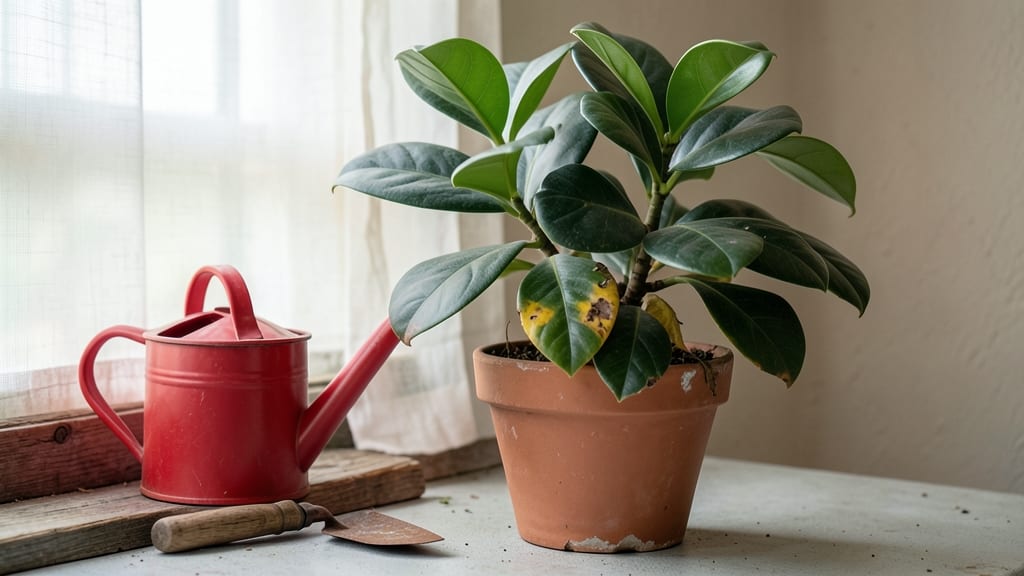
Your tree’s yellowing leaves might signal the subtle but critical question: how to tell if a tree is overwatered or underwatered—and the difference isn’t always as obvious as you’d think. 🌳 I’ve spent years watching trees struggle with soggy roots or parched soil, and the difference between the two isn’t always obvious.
The key lies in the leaves, soil, and even the bark’s texture, each telling a different story about what’s really going on beneath the surface.
Start by digging your fingers into the soil about 6 inches deep—if it’s damp or smells like a swamp, you’re overwatering. Look for mushy roots or leaves that yellow from the bottom up, a classic sign of root rot.
On the flip side, underwatered trees often show crispy leaf edges and soil that pulls away from the roots like dry clay. Deciduous and coniferous trees reveal different clues too, so we’ll break it down by species.
Once you’ve diagnosed the problem, fixing it is simpler than you think. Overwatered trees need better drainage and less frequent watering, while thirsty trees crave deep soaks once or twice a week—depending on your climate.
You’ll see the difference in just a few weeks: vibrant green leaves, firmer soil, and roots that thrive instead of suffocate.
This method works for backyard trees, container-grown specimens, and even those tricky shade trees that seem to resist every effort. The real secret? Paying attention to what your tree actually needs, not what you think it should get. Let’s get those roots back in balance.
📚 In This Guide
- What you need
- Instructions
- Tips and common mistakes
- Wrapping up and next steps
What you need
- ● Garden trowel or small shovel – A 5-inch stainless steel or ergonomic model works best for digging soil samples.
- ● Moisture meter – A digital soil moisture sensor (e.g., XLUX or AcuRite) for precise readings.
- ○ Gloves (optional but recommended) – Nitrile or leather gloves to protect hands from dirt and sharp objects.
- ● Notebook & pen – For recording observations like leaf color, soil texture, and moisture levels.
- ● Clear plastic container or jar – A small, sealable container (8 oz or larger) to collect soil samples for closer inspection.
- ● Watering can or hose with adjustable nozzle – For testing drainage if needed (e.g., gentle spray setting).
- ○ Magnifying glass (optional but helpful) – To inspect root tips, leaf undersides, or fungal signs up close.
- ● pH testing kit – To check if soil acidity/alkalinity might be affecting hydration.
- ● Camera or smartphone – For documenting symptoms before/after adjustments.
- ● Pruning shears – If you need to trim severely damaged leaves or branches for better airflow.
- ● Rain gauge – To track natural rainfall if you’re adjusting your watering schedule.
Step-by-Step guide to diagnosing tree water stress
Here’s how to read your tree’s signals—no guesswork, just clear observations.
🌿 Step 1: Inspect Leaf Color and Texture
Start with the leaves—they’re your tree’s first warning system. Overwatered trees often show yellowing leaves that stay soft and spongy to the touch. The yellowing usually begins on lower branches and spreads upward. If you see mushy, brown edges or leaves that crumble easily, that’s a clear sign roots are drowning.
Underwatered trees, on the other hand, develop dry, crispy brown edges that curl inward like a parchment. The yellowing here is more patchy and uneven, often starting at the leaf tips. Run your fingers along the leaf veins—if they feel brittle and snap, the tree is thirsty.
💧 Step 2: Test the Soil Moisture
Stick your finger 2-3 inches deep into the soil around the tree’s drip line. If it feels soggy or glistening, you’re overwatering. A healthy root zone should feel moist but not wet—like a damp sponge. Overwatered soil often smells musty or sour, a sign of poor drainage and fungal activity.
For underwatered trees, the soil will feel bone-dry or gritty. Use a soil moisture meter (if you have one) or dig a small hole—if the soil crumbles easily and looks like desert sand, it’s time to water deeply. Remember, deep watering once a week is better than shallow, frequent watering.
☀️ Step 3: Check the Tree’s Growth and Bark
Look at the new growth. Overwatered trees often produce weak, pale shoots that grow slowly or not at all. The bark may appear peeling or discolored, especially near the base. If you see mushroom-like growths (fungi) or black spots on leaves, that’s a red flag for excess moisture.
Underwatered trees show stunted growth too, but the symptoms are different. Leaves may fall prematurely, and the tree might drop buds before they bloom. The bark stays dry and can even crack slightly from dehydration. Tap the trunk lightly—if it sounds hollow or the wood feels brittle, the tree is under severe stress.
⏰ Step 4: Monitor the Roots (If Possible)
Gently loosen the soil around the tree’s base to peek at the roots. Healthy roots are white or light tan and firm to the touch. Overwatered roots turn dark brown or black, smell foul, and feel mushy—like overcooked pasta. If you see rotten or slimy roots, stop watering immediately and improve drainage.
Underwatered roots, meanwhile, look dry and brittle, almost like straw. They may pull away from the soil easily. If you see fine, hair-like roots (which are good), but the soil around them is dry, it’s time to adjust your watering schedule. Mulch helps retain moisture—apply a 2-3 inch layer around the base (but keep it 6 inches away from the trunk).
Tips & tricks for diagnosing tree water stress
Real talk: Even experienced gardeners sometimes misread their trees' thirst signals. Here's what nobody tells you about interpreting those tricky clues.
Leaf Texture is Your First Clue: Pay attention to how leaves feel, not just their color. In Step 1, when you notice yellowing, press a leaf gently—overwatered leaves stay soft and mushy, while underwatered ones feel crispy and brittle. I learned this the hard way after losing a prized magnolia because I focused only on color. The texture test is the real game-changer here.
Soil Test Timing Matters: In Step 2, check soil moisture in the late afternoon when temperatures are highest. This gives you the most accurate reading of how much water the roots actually absorbed. I used to test in the morning and would get confused about whether to water or not—afternoon tests revealed the true story. Also, test at the 2-3 inch depth mentioned, but rotate testing locations around the tree's drip line for a complete picture.
Root Inspection Reveals the Truth: When you examine roots in Step 4, look beyond just color—healthy roots should spring back slightly when pressed. If they feel mushy or smell foul, you're dealing with overwatering. For underwatered trees, the roots might pull away easily from dry soil. I always bring a small trowel and gloves for this step—it's worth the effort to see what's really happening below ground.
Seasonal Adjustments: Remember that water needs change with seasons. In summer, you might need that deep watering once a week mentioned in Step 2, but in cooler months, you could extend to every 10-14 days. Watch for seasonal growth patterns—trees naturally slow down in winter, so don't panic if growth stalls. The key is to match your watering to the tree's natural rhythm rather than sticking to a rigid schedule.
Pro Tips for Tell If A Tree Is Overwatered Or Underwatered
- Real talk: Even experienced gardeners sometimes misread their trees' thirst signals. Here's what nobody tells you abo...
- Leaf Texture is Your First Clue: Pay attention to how leaves feel, not just their color. In Step 1, when you notice y...
- Soil Test Timing Matters: In Step 2, check soil moisture in the late afternoon when temperatures are highest. This gi...
Frequently asked questions
Got more questions about keeping your trees happy and healthy? Here are some of the most common ones—plus quick answers to help you troubleshoot like a pro!
How often should I water my tree to avoid overwatering or underwatering?
It depends on the tree type, soil, and climate! As a general rule, deep, infrequent watering (every 7–14 days) encourages strong roots, while frequent shallow watering leads to overwatering. Check soil moisture 2–3 inches down—if it’s dry, water thoroughly; if soggy, wait. Mulch helps retain moisture without drowning roots.
Why are my tree’s leaves yellowing even after adjusting watering?
Yellow leaves can signal more than just water issues! Check for:
- Nutrient deficiencies (e.g., nitrogen or iron)
- Pests or diseases (like spider mites or fungal infections)
- Poor drainage (root rot from compacted soil)
- Seasonal changes (fall yellowing is normal for deciduous trees)
How long does it take to fix an overwatered or underwatered tree?
Recovery time varies! For underwatered trees, expect 2–4 weeks of consistent deep watering to see improvement in leaf color and wilting. Overwatered trees may take longer (4–8 weeks) because root rot can persist. Prune damaged branches, improve drainage, and avoid watering until the top 4–6 inches of soil dry out.
Can I use a moisture meter instead of the finger test for trees?
Moisture meters are great for large trees or deep-rooted species where the finger test isn’t practical. Insert the probe 6–12 inches deep (closer to roots) for accurate readings. Just calibrate it first and avoid using it in very sandy or rocky soil, which can skew results.
What’s the best way to fix compacted soil around my tree’s roots?
Compacted soil suffocates roots and traps water. Try these fixes:
- Aerate: Use a manual or powered soil aerator to create holes around the dripline.
- Add organic matter: Mix in compost or coconut coir to improve drainage.
- Mulch properly: Apply 2–4 inches of mulch (keep it away from the trunk) to encourage root growth.
Wrapping up and next steps
Mastering the balance of water for your trees is all about observation and action—whether it’s spotting mushy roots or cracked soil. With the right tools and knowledge, you’ll keep your greenery thriving and avoid costly mistakes. 🌱
Ready to take the next step? Test your soil regularly, adjust your watering routine, and watch your trees flourish! Need more help? Check out our guide on proper watering techniques to keep your garden in tip-top shape.