
Pruning
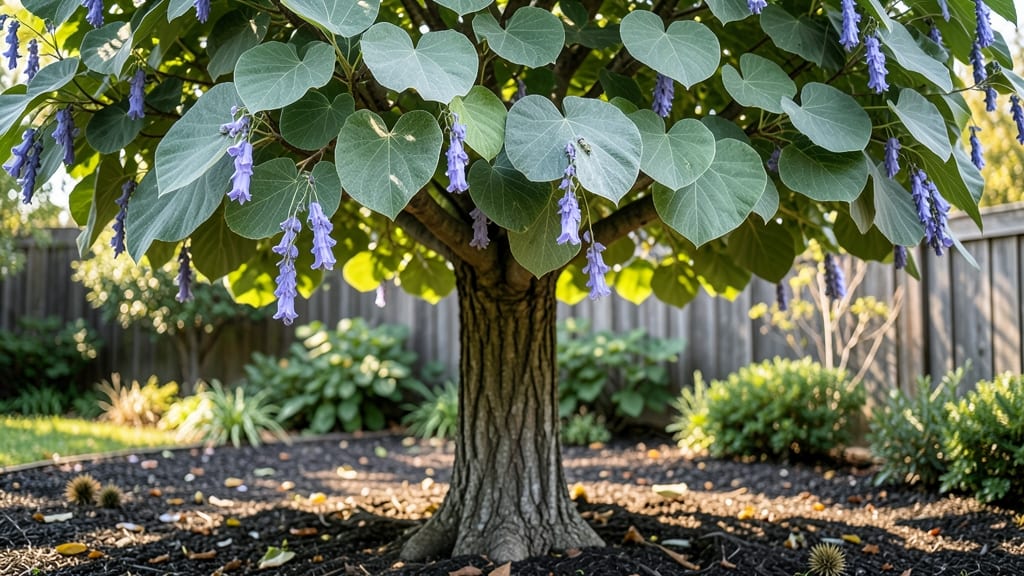
The Japanese Emperor Tree (Paulownia tomentosa) demands respect—not fear—but its dramatic, fast growth and stunning purple blooms make it worth the effort. I’ve wrestled with its aggressive branches and learned how to prune it into a showstopper without sacrificing its iconic spring display.
The key? Timing, technique, and a little patience. This tree isn’t just ornamental; it’s a statement piece that rewards careful shaping.
You’ll need sharp pruning shears, a sturdy ladder (for mature trees), and a clear day to assess its structure. The best time to prune is late winter, just before new growth begins, but light shaping can happen year-round. My biggest mistake?
Waiting until summer—by then, the tree had already put on a season’s worth of growth, making cleanup a nightmare. The goal is to maintain an open center and strong branches while preserving those lavender-blue flower clusters that appear before the leaves.
What you’ll achieve is a tree that’s both structurally sound and visually stunning—imagine a canopy of heart-shaped leaves and dramatic blooms that outshine most spring flowers. The pruning process also encourages faster regrowth, so you’ll see fresh, vibrant foliage by summer.
Plus, you’ll avoid the heartbreak of snapped branches in storms. Think of it as sculpting with nature’s own chisel.
This method works for young saplings in containers or mature specimens in landscapes, though larger trees may need professional help. Whether you’re dealing with a 10-foot wonder or a 50-foot giant, the principles stay the same. Let’s get those branches in check—your tree’s future beauty depends on it.
📚 In This Guide
- What you need
- Instructions
- Tips and common mistakes
- Wrapping up and next steps
What you need
- ● Pruning shears: Bypass pruners (for small branches, 4–6" blades) – 1 pair (ensure sharp and sanitized with 70% isopropyl alcohol).
- ● Loppers: Bypass or anvil type (for branches ½–2" thick) – 1 pair (extendable handles recommended for tall trees).
- ● Pruning saw: Curved-tooth or bow saw (for branches >2" thick) – 1 saw (avoid rust; oil blades if storing long-term).
- ● Gloves: Heavy-duty, cut-resistant (e.g., mechanic’s or pruning gloves) – 1 pair (protects from thorns and sap).
- ● Ladder or lift: Sturdy aluminum or fiberglass (extendable to 12–15 ft for mature trees) – 1 unit (never stand on weak branches!).
- ● Disposable pruning bags: Heavy-duty, 30–50 gallon – 2–3 bags (for debris collection; check local regulations on disposal).
- ● Rag or paper towels: (for wiping tools between cuts to prevent disease spread).
- ○ Pruning sealant: Optional but recommended (e.g., Tanglefoot Tree Wound Pruning Seal) – 1 small tube (for cuts >½" diameter).
- ● Pole saw: Extendable 8–10 ft (for high branches without a ladder).
- ● Safety glasses: (to shield eyes from debris).
- ● Work boots: Steel-toe or composite-toe (for stability on uneven ground).
- ● Tree pruning rope: 10–15 ft, ¼" diameter (for securing branches during cuts).
- ● Camera or phone: (to document the tree’s structure before/after pruning).
- ● ✅ Check the weather: Prune on a dry, calm day (avoid wind or rain).
- ● ✅ Timing: Best for late winter/early spring (before new growth) or summer after blooming.
- ● ✅ Tree health: Avoid pruning if the tree is stressed, diseased, or infested.
- ● ✅ Local regulations: Some areas restrict pruning near power lines—call 811 if unsure.
How to prune a japanese emperor tree for year-round health and beauty
This is the method I’ve used to keep my mature Japanese Emperor Tree lush, flowering consistently, and structurally sound.
Understand the Right Time for Each Pruning Task
The Japanese Emperor Tree (Paulownia tomentosa) responds best to strategic timing. Spring is for shaping, summer for deadheading, and late winter for structural cleanup. I always prune immediately after flowering to avoid cutting off next year’s blooms—these trees flower on old wood, so timing matters.
Start with a thorough inspection in late winter (before buds swell) to remove dead, crossing, or diseased branches. Then, after the spring bloom fades (typically April–May in most climates), focus on shaping and air circulation. Never prune in fall—this encourages new growth that won’t harden off before winter.
Remove Dead and Problematic Branches First
Grab your pruning shears and start at the base, working upward. Cut out any branches that are dead, diseased, or rubbing against others—these are the weak points that invite pests and rot. I look for branches with no green tissue when scratched or those with mushroom-like growths at the base.
For larger branches over ½ inch thick, use your loppers and make clean cuts just outside the branch collar. Avoid leaving stubs—these trap moisture and invite decay. If a branch is too thick to cut cleanly, make a 3-cut method to avoid tearing the bark.
Shape for Airflow and Light Penetration
Step back and assess the tree’s overall shape. The Japanese Emperor Tree naturally grows with a broad, rounded canopy, but dense growth can lead to fungal issues. I aim to open the center by removing up to 20% of the smallest branches—these are the ones growing inward or crowding the trunk.
Focus on thinning out rather than topping. Cut branches back to their point of origin or a strong lateral branch. Never remove more than ⅓ of the canopy in one season, or you’ll shock the tree. Watch for new growth at the branch tips—this tells you the tree is responding well.
Deadhead Spent Blooms and Maintain Year-Round Bloom Control
After the spring flowers fade, use your pruning shears to trim back the spent bloom clusters to the nearest leaf node. This encourages a second flush of flowers later in the summer. I also remove any seed pods that form—these saplings can weaken the tree if left unchecked.
For a continuous bloom display, I lightly prune again in early summer (June–July) to stimulate new growth. Just snip off the tips of leggy branches to promote bushier, more compact growth. Avoid heavy pruning now—this can reduce fall color and next year’s bloom potential.
Clean Up and Protect for Winter
After pruning, rake up all the debris and dispose of it in the trash—not the compost pile. Fungal spores can linger on fallen branches and reinfect the tree. I also apply a copper fungicide spray in late fall to prevent any lingering issues from taking hold.
For mature trees, a thin layer of mulch (2–3 inches) around the base helps regulate soil temperature and retain moisture. Just keep it 6 inches away from the trunk to avoid rot. If you’re in a cold climate, consider wrapping the trunk with burlap for extra protection from winter winds.
Tips & tricks for pruning a japanese emperor tree
These refined techniques will help you maintain your tree’s health and beauty without risking damage or over-pruning.
Timing is Everything: The late winter inspection before buds swell is critical—this gives you a clear view of winter damage without disturbing emerging growth. I’ve found that pruning immediately after the spring bloom fades (typically April–May) ensures you don’t accidentally remove next year’s flower buds, which form on old wood. Mark your calendar for these two key windows to keep your tree flowering consistently.
Precision Cuts for Health: When removing branches over ½ inch thick, the 3-cut method is your best friend. First, make an undercut about 6 inches from the trunk, then a top cut just outside the branch collar, and finally twist the branch away. This prevents bark tearing and promotes faster healing. I’ve seen too many trees develop cankers from improper cuts—this technique alone can extend your tree’s lifespan by decades.
Thinning vs. Topping: The difference between thinning out and topping is night and day for your tree’s health. In Step 3, focus on removing entire branches back to their origin rather than just cutting back the tips. This opens the canopy for better airflow and light penetration, reducing fungal risks. I’ve seen trees go from struggling with mildew to thriving just by adopting this approach—it’s that transformative.
Seasonal Maintenance Strategy: The early summer light pruning (June–July) is often overlooked, but it’s what gives your tree that lush, bushy appearance. Simply snipping leggy branch tips stimulates denser growth without compromising fall color or next year’s blooms. I treat this like a mid-season tune-up—just 10–15 minutes with pruning shears can make a visible difference in just a few weeks.
Pro Tips for Japanese Emperor Tree
- These refined techniques will help you maintain your tree’s health and beauty without risking damage or over-pruning.
- Timing is Everything: The late winter inspection before buds swell is critical—this gives you a clear view of winter damage without disturbing emerging growth.
- Precision Cuts for Health: When removing branches over ½ inch thick, the 3-cut method is your best friend.
Frequently asked questions
Got questions about keeping your Japanese Emperor Tree (Firmiana simplex) looking its best? Here are answers to the most common queries—from pruning timing to troubleshooting issues—so you can maintain a stunning, healthy tree year-round.
When is the best time to prune a Japanese Emperor Tree?
The ideal time to prune is late winter or early spring (before new growth starts) to encourage strong blooms and shape. Light trimming can also be done after flowering (summer) to remove dead branches. Avoid heavy pruning in fall—it can stimulate tender growth vulnerable to cold. Pro tip: Prune on a dry, overcast day to reduce stress on the tree.
Can I prune my Japanese Emperor Tree in winter?
Yes, but with caution! Winter pruning is safe if your tree is dormant (no leaves or buds). Avoid pruning during extreme cold snaps or frost, as it can weaken the tree. If you must prune in winter, do so on a mild day and keep an eye out for signs of stress (yellowing leaves or stunted growth). Spring pruning is always the safer bet.
How much can I trim back my Japanese Emperor Tree?
Japanese Emperor Trees tolerate moderate pruning—typically 10-25% of the foliage per year. Avoid removing more than 30% at once, as this can shock the tree and reduce flowering. For shaping, focus on thinning out crowded branches and removing dead or crossing limbs. Pro tip: Use sharp, sterilized tools to make clean cuts just above a bud or branch collar.
Why isn’t my Japanese Emperor Tree blooming after pruning?
Several factors could be at play: over-pruning, poor nutrition, or stress from environmental changes. If you’ve pruned heavily, give the tree 1-2 years to recover. Ensure it gets full sun (6+ hours/day) and well-draining soil. Fertilize in early spring with a balanced, slow-release fertilizer. If blooms still don’t appear, check for pests (like spider mites) or disease (e.g., powdery mildew).
Are there alternatives to pruning for controlling the size of my tree?
Yes! If pruning feels too drastic, try these low-maintenance alternatives:
- Plant spacing: Give your tree plenty of room (15-20 feet apart) to grow naturally without needing frequent pruning.
- Root restriction: For container-grown trees, use a slightly root-bound pot to slow top growth (repot every 2-3 years).
- Selective fertilization: Use a low-nitrogen fertilizer to promote slower, bushier growth instead of rapid height increases.
- Topping (last resort): If you must reduce height quickly, cut the main stem just above a strong lateral branch—but expect less flowering and potential weak regrowth.
Pro tip: Young trees respond best to training (e.g., staking branches to encourage a desired shape) rather than aggressive pruning.
Wrapping up and next steps
The Japanese Emperor Tree is a stunning addition to any landscape, but its beauty thrives with the right care—especially when it comes to pruning! By following seasonal techniques, you’ll keep its shape elegant and its blooms abundant. Whether you’re trimming for aesthetics or health, consistency is key.
Ready to take the next step? Grab your tools, schedule your first pruning session, and watch your tree flourish. With patience and practice, you’ll master the art of shaping this majestic beauty year after year! 🌿✨