
Pruning
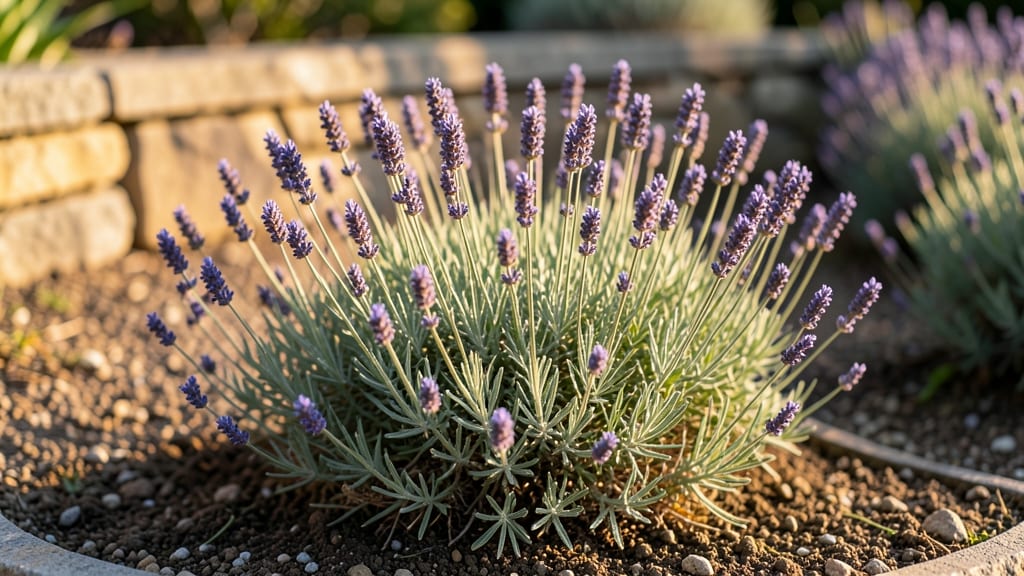
Caring for a lavender tree means unlocking that signature fragrance and lush growth all year—if you prune it right. 🌿 The key isn’t just cutting back; it’s understanding when, how, and why to shape it to avoid stunted growth or woody stems.
I’ve learned the hard way that lavender trees hate heavy pruning, so the approach is gentle yet strategic.
You’ll need sharp pruning shears, a sunny spot with at least 6 hours of direct sunlight, and well-draining soil—no exceptions. Overwatering is the #1 killer, so aim for deep watering once a week during dry spells, then let the soil dry completely between sessions.
The goal is to mimic their Mediterranean roots, where drought teaches them resilience.
By pruning just after flowering (late spring to early summer), you’ll encourage fresh, fragrant new growth while keeping the tree compact. Skip the winter cuts—this is when lavender trees rest—and avoid trimming more than one-third of the plant at once.
The result? A tree that stays full, fragrant, and thriving for years.
Works for both container-grown lavender trees and those planted in the ground, though containers dry out faster. Here’s how to keep yours flourishing without the common pitfalls that leave others frustrated.
📚 In This Guide
- What you need
- Instructions
- Tips and common mistakes
- Wrapping up and next steps
What you need
- ● Pruning shears: Bypass pruners (sharp, clean, and sterilized with rubbing alcohol to prevent disease). Quantity: 1 pair (or 2 for larger trees).
- ● Hand pruners: For smaller branches (3/8"–1" thick). Quantity: 1 pair.
- ○ Loppers: For thicker branches (1"–2" thick). Quantity: 1 pair (optional but helpful for mature trees).
- ● Gloves: Heavy-duty, cut-resistant gloves (lavender can be prickly!). Quantity: 1 pair.
- ● Disinfectant: 70% isopropyl alcohol or a pruning sealant (to seal cuts and prevent infection).
- ○ Pruning saw: For branches thicker than 2" (rare for lavender trees but useful for hybrids). Quantity: 1 (optional).
- ● Garden twine or ties: For supporting branches if needed (e.g., after heavy pruning). Quantity: Small roll.
- ● Hose or water sprayer: To clean tools and rinse off sap/resin after pruning.
- ● Pruning paint: For sealing large cuts (though lavender typically heals well without it).
- ● Notebook & pen: To jot down pruning notes (e.g., "pruned in March—next in September").
- ● Mulch: Organic mulch (e.g., straw or wood chips) to protect roots post-pruning.
Step-by-Step lavender tree pruning for lush growth
Here's my go-to method for keeping lavender trees fragrant, full, and healthy all year.
✂️ Step 1: Prune After Flowering Season
Timing is everything with lavender. Wait until late spring or early summer—after the flowers have faded but before new growth hardens. This gives your plant time to recover before winter. I always prune mine in June when the blooms have turned brown but fresh green growth is still soft.
Use clean, sharp bypass pruners to make cuts just above a set of leaves or buds. Never cut into old wood—you'll kill that branch. I like to shape lavender into a rounded form, removing up to one-third of the plant's height at a time. This encourages bushier growth and more flowers next season.
✂️ Step 2: Remove Dead or Weak Growth
Scan your lavender tree for dead, diseased, or crossing branches. Dead wood is easy to spot—it's brown, brittle, and doesn't bend. Diseased branches may have black spots or a strange mold. Crossing branches compete for sunlight and air circulation, which weakens the plant.
Cut these back to the main stem or remove them entirely. I always work from the bottom up, clearing away any low-hanging branches that block airflow. This keeps your lavender tree healthy and prevents pests from taking hold in crowded, damp areas.
✂️ Step 3: Thin Out Dense Areas
Lavender grows best when it has good airflow. If your tree looks too thick in some spots, use your pruners to thin out the center. Focus on removing branches that grow inward or rub against each other. You'll know you're doing it right when you can see light and air moving through the plant.
I like to step back every few minutes to check my work. The goal is a balanced shape with open space in the center. Avoid cutting more than one-third of the plant's foliage in a single session—this can stress lavender and reduce flowering.
💧 Step 4: Water and Fertilize After Pruning
After pruning, give your lavender tree a deep watering to help it recover. Water at the base, avoiding the foliage, to prevent fungal issues. Lavender is drought-tolerant, but it still needs moisture after a major pruning session.
Apply a balanced, slow-release fertilizer in early spring before new growth begins. I use a 10-10-10 formula at half strength to avoid overfeeding. Too much fertilizer can make lavender grow too fast, which weakens the wood and reduces fragrance. A light feeding is all you need.
☀️ Step 5: Monitor and Maintain Year-Round
Check your lavender tree every few weeks for new growth or signs of stress. If you notice yellowing leaves, it might need more sunlight or better drainage. Lavender thrives in full sun—at least 6-8 hours daily—so if your tree isn't getting enough light, consider moving it to a sunnier spot.
In late fall, give your lavender a light trim to shape it for winter. Remove any dead or damaged branches, but avoid heavy pruning. This keeps the plant tidy and prepares it for dormancy. Mulch around the base with 2-3 inches of gravel or coarse sand to improve drainage and protect roots from cold.
Tips & tricks for perfect lavender tree pruning
Here's what nobody tells you about keeping your lavender thriving after the cut.
Timing is Everything: The June pruning window in Step 1 is non-negotiable for Mediterranean lavender varieties. If you miss it, you risk shocking the plant before winter. I've seen lavender stressed when pruned too early—wait until those brown flower stems appear but new growth is still tender. Pro tip: If your area has unpredictable weather, set a reminder for the first week of June just in case.
Tool Prep Makes All the Difference: Before you start, sterilize your bypass pruners with rubbing alcohol to prevent spreading disease between cuts. I also sharpen my blades annually—dull tools crush stems instead of making clean cuts, which stresses the plant. For larger branches, consider using hand pruners with a bypass blade rated for 3/8-inch cuts—they handle lavender's woody stems beautifully.
Visual Cues for Healthy Pruning: In Step 3, when thinning dense areas, look for these signs: healthy new growth should be green with a slight sheen, while old wood appears gray and hollow when you tap it. Another trick I use is the "light test"—hold your hand behind a branch. If you can't see your hand clearly through the center, it's too dense. This simple check saves me from over-pruning every time.
Fertilizer Timing Trick: The early spring feeding in Step 4 is crucial, but here's the secret: apply your 10-10-10 fertilizer when you see the first tiny green shoots appear, not just because it's spring. I test this by gently brushing my fingers along the stems—when I feel those first signs of new growth, that's when I fertilize. Too early, and the fertilizer sits idle; too late, and you miss the growth window entirely.
Pro Tips for Lavendar Tree Care
- Here's what nobody tells you about keeping your lavender thriving after the cut.
- Timing is Everything: The June pruning window in Step 1 is non-negotiable for Mediterranean lavender varieties.
- Tool Prep Makes All the Difference: Before you start, sterilize your bypass pruners with rubbing alcohol to prevent spreading disease between cuts.
Frequently asked questions
Got questions about keeping your lavender tree thriving? Here are some common ones—and their answers—to help you grow a fragrant, full, and healthy plant year-round.
How often should I prune my lavender tree?
Prune your lavender tree once a year, ideally in late winter or early spring (just before new growth starts). This timing prevents winter dieback and encourages vibrant blooms. Avoid heavy pruning in fall—it can stress the plant before dormancy. For established trees, a light trim after flowering (summer) can promote bushiness, but keep it minimal!
Can I prune my lavender tree in summer?
Yes, but only lightly! Summer pruning should focus on deadheading spent flowers to encourage more blooms. Avoid heavy cuts—lavender responds poorly to aggressive summer trims, which can expose woody stems to sunburn. If you must shape it, do so early in the morning or late afternoon to reduce stress on the plant.
What should I do if my lavender tree looks leggy or sparse?
Leggy or sparse lavender often signals over-pruning or poor sunlight. First, check if it’s getting 6–8 hours of full sun daily. Then, prune back one-third of the oldest growth in late winter to stimulate new, bushier growth. Use clean, sharp shears and avoid cutting into woody stems—this can kill the plant. Fertilize lightly with low-nitrogen, high-phosphorus fertilizer in spring to encourage blooms.
Is it too late to prune my lavender tree in fall?
Fall pruning is risky but not impossible if done early (September–October). Avoid heavy cuts—focus on removing only dead or diseased branches. Pruning too late (November+) can leave fresh cuts vulnerable to frost damage. If your tree needs shaping, wait until spring. Mature lavender trees are more resilient, but young or stressed plants should skip fall pruning entirely.
What’s the best alternative if my lavender tree isn’t thriving?
If your lavender tree struggles with cold, humidity, or poor drainage, consider these hardy alternatives:
- Spanish lavender (Lavandula stoechas): More cold-tolerant and drought-resistant.
- English lavender (Lavandula angustifolia): Classic choice with fragrant blooms (but needs well-drained soil).
- Rosemary (as a small tree or shrub): Similar care needs but handles wetter climates better.
- Dwarf butterfly bush (Buddleia): Fragrant, low-maintenance, and attracts pollinators.
If you’re committed to lavender, amend soil with sand or gravel to improve drainage—this is the #1 fix for struggling plants!
Wrapping up and next steps
Caring for your lavender tree is a rewarding journey—with the right pruning techniques, you’ll enjoy year-round fragrance and lush, full growth! 🌿 Remember to prune after flowering, shape with clean cuts, and avoid over-trimming to keep your tree healthy and thriving.
A little effort now means months of beauty and serenity in your garden.
Ready to get started? Grab your shears and review the tools you’ll need—then roll up your sleeves and give your lavender tree the love it deserves! 🌸