
Trees
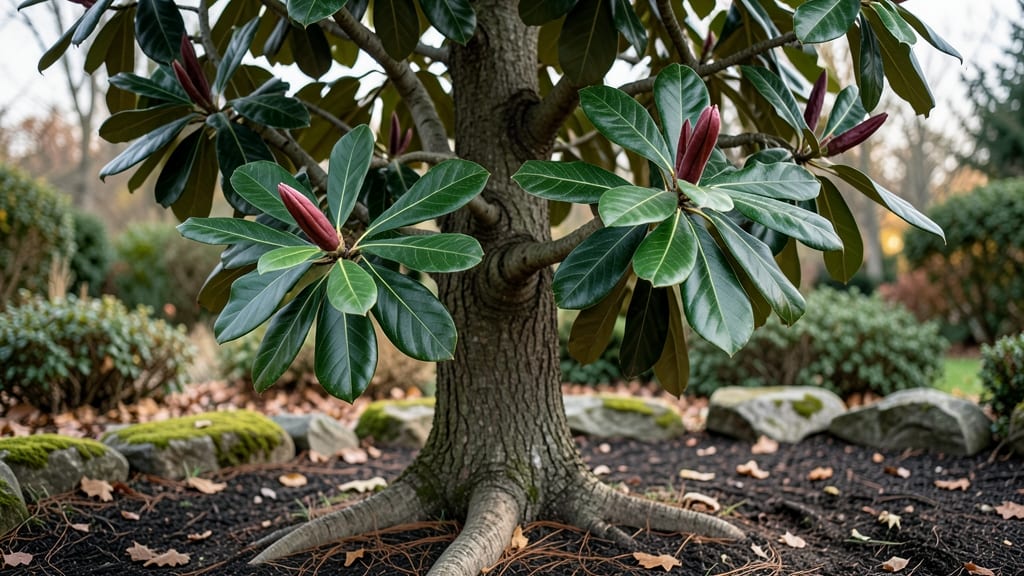
Magnolia leaves aren’t just pretty—they’re edible when harvested right. 🌿 I’ve spent years watching my tree’s leaves go from glossy green to crispy brown, and I finally cracked the code on when (and how) to pick them safely for tea or cooking. The key? Timing, location, and avoiding stressed foliage.
Yellowing or dropping leaves usually mean overwatering, pests, or nutrient issues—not harvest time. Scale insects leave sticky residue, while powdery mildew creates white dust. Fix these first: prune affected branches, spray neem oil, and fertilize in early spring. Healthy leaves taste best, so prioritize care before harvesting.
📚 In This Guide
- What you need
- Instructions
- Tips and common mistakes
- Wrapping up and next steps
What you need
- ● Fresh magnolia leaves (preferably from Magnolia grandiflora or Magnolia denudata—avoid toxic varieties like Magnolia stellata): Harvest 1–2 cups (about 30–50g) of young, tender leaves (avoid old, tough, or wilted ones).
- ● Ensure they’re pesticide-free (wild-harvested is ideal).
- ● Pruning shears or sharp scissors (for clean cuts without damaging the tree).
- ● Glass or stainless-steel bowl (to rinse and store leaves).
- ● Cold water (for rinsing).
- ● Paper towels or clean kitchen towel (to pat leaves dry).
- ● Air-tight container or resealable bag (for short-term storage, up to 3–5 days in the fridge).
- ○ Optional: Food processor or mortar & pestle (for grinding dried leaves into powder).
- ● Drying rack or mesh screen (for air-drying leaves if preserving long-term).
- ● Food dehydrator (to speed up drying at low heat, ~95°F/35°C).
- ● Cheesecloth or fine strainer (for infusing tea without leaf bits).
- ● Labeling markers (to tag containers with harvest date).
- ● Field guide or magnolia ID app (to double-check leaf varieties).
How to harvest and use magnolia tree leaves safely
Here’s how to collect and prepare these edible gems without harming your tree.
☀️ Step 1: Identify the Right Leaves at the Right Time
Magnolia leaves are edible when young and tender—before they fully mature in early spring. Look for bright green, glossy leaves that are still soft to the touch. Avoid thick, leathery leaves later in the season, as they contain higher levels of tannins, which can make them bitter or even cause stomach upset.
I like to harvest on a cool morning after a light rain—the leaves are plump with moisture and easier to gather without damaging the tree. Never take more than one-third of the leaves from any branch to avoid stressing the plant. Use clean, sharp pruning shears to snip leaves just above a leaf node, leaving the stem intact.
🌿 Step 2: Clean and Prepare the Leaves
Rinse the leaves gently under cool water to remove dirt or insects, but avoid soaking them—excess moisture can cause browning. Pat them dry with a clean kitchen towel or paper towels. If you notice any yellowing or discoloration, discard those leaves immediately, as they may be damaged or diseased.
For culinary use, I like to blanch the leaves for 30 seconds in boiling water, then plunge them into ice water. This process softens the texture and removes any lingering bitterness. After blanching, spread the leaves on a clean towel to dry completely before storing or using them in recipes.
✂️ Step 3: Store or Use Immediately
Fresh magnolia leaves can be stored in an airtight container in the refrigerator for up to 5 days. For longer storage, dry them by laying them flat on a baking sheet in a low oven (around 170°F) for 1-2 hours, or air-dry them in a cool, dark place for 3-5 days. Once fully dry, crumble the leaves and store them in a sealed jar away from light.
Use young leaves in salads, teas, or as a garnish—they have a mild, slightly sweet flavor reminiscent of citrus or cucumber. Older leaves can be used for infused oils or vinegars, but always taste-test small amounts first, as individual trees may vary in flavor intensity. Avoid consuming large quantities, as magnolia leaves contain compounds that can be toxic in excess.
🌱 Step 4: Protect Your Tree While Harvesting
Magnolia trees are slow-growing and sensitive to over-harvesting. After collecting leaves, water the tree deeply to help it recover. Avoid harvesting from the same branches repeatedly—rotate areas to ensure the tree remains healthy. If you notice wilting, yellowing, or excessive leaf drop after harvesting, reduce future collections and monitor the tree closely.
Here’s the thing—sustainability matters. If your magnolia is young or small, skip harvesting altogether and enjoy its beauty instead. Even a mature tree should only yield leaves once a year, typically in early spring. This ensures your tree stays strong and continues producing those stunning blooms and lush foliage for years to come.
Tips & tricks for perfect magnolia leaf harvesting
Took me a while to figure these out, so here goes—these little details make all the difference when working with magnolia leaves.
Timing Secret: The early spring harvest window is your best friend. Those young, bright green leaves are at their peak flavor and tenderness for just a few weeks. I’ve found that harvesting right after a light rain makes them extra plump and easy to handle—just avoid any leaves that feel tough or leathery, as those contain too many tannins. The one-third rule from Step 1 is non-negotiable: taking more than that stresses the tree and can actually reduce next year’s harvest.
Blanching Technique: That 30-second blanch in boiling water might seem quick, but it’s crucial for removing bitterness while keeping the leaves vibrant. I use a slotted spoon to transfer them to ice water, and I’ve found that shaking off excess water before drying prevents browning. Pro tip: If you’re short on time, you can skip blanching entirely for garnishes, but it’s worth the extra step for salads or teas where texture matters.
Storage Wisdom: The 5-day fridge rule is strict—after that, the leaves start to lose their delicate flavor. For drying, I’ve had the best luck with the low oven method at 170°F for about 1-1.5 hours (depending on leaf thickness). If you’re air-drying, place them in a single layer on a mesh screen in a cool, dark spot—this prevents moisture buildup that can lead to mold. Once dry, store them in a sealed jar away from light, and they’ll keep for months without losing potency.
Tree Care Tip: After harvesting, I always give my tree a deep watering and a quick check for any signs of stress. If you notice yellowing or wilting after your first harvest, cut back on future collections—magnolia trees are sensitive, and overharvesting can take years to recover. Remember, the goal is to enjoy these leaves without harming the tree that provides them.
Pro Tips for Leaves Of Magnolia Tree
- Took me a while to figure these out, so here goes—these little details make all the difference when working with magnolia leaves.
- Timing Secret: The early spring harvest window is your best friend.
- Blanching Technique: That 30-second blanch in boiling water might seem quick, but it’s crucial for removing bitterness while keeping the leaves vibrant.
Frequently asked questions
Got questions about harvesting and using magnolia leaves? You’re not alone! Here are some of the most common queries—plus straightforward answers to help you navigate this edible adventure with confidence.
Are magnolia leaves really safe to eat?
Yes, but only if harvested from non-toxic species like Southern Magnolia (Magnolia grandiflora). Avoid leaves from evergreen magnolias (e.g., M. grandiflora) or those treated with pesticides. Always confirm the species and ensure the tree is healthy—yellowing or wilted leaves may indicate stress or disease.
When is the best time to pick magnolia leaves?
Harvest young, tender leaves in late spring or early summer (May–June) when they’re still soft and vibrant. Older leaves become tough and bitter. Avoid picking during peak summer heat—morning or evening harvests yield the freshest flavor. Pro tip: Never take more than 10–15% of the foliage from a single tree to avoid harming it!
How do I clean and store magnolia leaves for cooking?
Rinse leaves thoroughly under cool water to remove dirt or insects, then pat dry with a clean towel. Store in an airtight container in the fridge for up to 5 days or freeze them for longer storage. For drying, spread leaves on a mesh rack in a dark, well-ventilated area for 3–5 days. Tip: Freeze leaves whole and crush as needed to preserve flavor!
What’s the best way to use magnolia leaves in recipes?
Magnolia leaves add a citrusy, floral note to dishes! Use them fresh in teas (steep 1–2 leaves in hot water for 5 mins), soups, or as a garnish for seafood. Dried leaves work well in infused oils or vinegars. Caution: Start with small amounts—they’re potent! Try them in magnolia leaf tea or as a unique twist on herbal butter.
What should I do if I accidentally eat toxic magnolia leaves?
If you suspect poisoning (symptoms like nausea, dizziness, or mouth irritation), seek medical help immediately. Toxic magnolias (e.g., Magnolia stellata) can cause stomach upset. Keep a photo of the tree/species handy for quick identification. Prevention: Always double-check species with a local nursery or arborist before harvesting!
Still curious? Drop your questions in the comments—we’re happy to help!
Wrapping up and next steps
The leaves of the magnolia tree aren’t just beautiful—they’re a hidden culinary treasure when harvested and prepared with care! 🌿 From fragrant teas to flavorful garnishes, these leaves offer a unique twist to your meals.
Remember, safety and freshness are key, so always verify your tree’s identity and follow best practices.
Ready to explore? Start small: Try a simple magnolia leaf tea or experiment with a few leaves in your next dish. Who knows? You might just discover a new favorite ingredient! 🌟