
Pruning
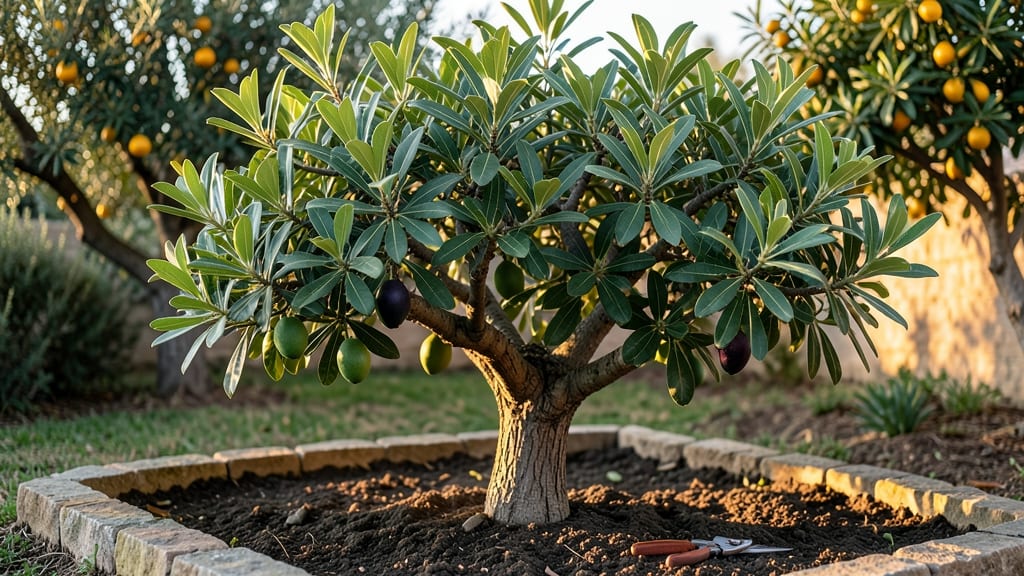
Mastering the life expectancy of an avocado tree starts with knowing the subtle secrets that transform fragile saplings into towering fruit giants—like the 12-year-old tree I lost after ignoring them. age, but from a single overlooked pruning mistake that weakened its core.
The secret lies in matching your tree’s species (Mexican, West Indian, or Guatemalan) to your USDA zone—9 through 11 for ideal growth—and giving it the right soil mix: 60% well-draining loam, 30% compost, and 10% perlite.
Prune strategically every late winter, removing only 10-15% of the canopy at a time to avoid stress that shortens lifespan.
With proper care, you’ll see bold, glossy leaves and heavy fruit loads for decades, even in containers if you choose dwarf varieties. The key is consistency: water deeply but infrequently, fertilize with citrus-friendly micronutrients, and watch for root rot or fungal spots that silently age trees prematurely.
Whether you’re growing in California’s coastal fog or a Florida greenhouse, these habits add 20+ years to your tree’s life. Let’s break down the exact care routine that keeps them thriving for generations.
📚 In This Guide
- What you need
- Instructions
- Tips and common mistakes
- Wrapping up and next steps
What you need
- ● Avocado Tree: A healthy sapling or young tree (choose a variety like Hass, Fuerte, or Reed for optimal longevity).
- ● Well-Draining Soil: A mix of 60% potting soil, 30% perlite or coarse sand, and 10% compost (for container plants). For in-ground planting, amend clay soil with organic matter.
- ● Pot (if container-grown): A 5-gallon minimum (diameter ≥ 12 inches) with drainage holes. Upgrade to 15+ gallons as the tree matures.
- ● Pruning Tools: Bypass pruners (for small branches, ¼–½ inch thick).
- ● Loppers (for branches ½–2 inches thick).
- ● Hand saw or pruning saw (for thick branches 2+ inches).
- ● Fertilizer: Balanced 10-10-10 or 20-20-20 (spring/fall) + citrus-specific fertilizer (high in zinc/manganese) every 2–3 months.
- ● Mulch: Organic mulch (e.g., wood chips or straw) to retain moisture and regulate soil temp.
- ● Watering Can or Hose: With a gentle spray nozzle for deep watering.
- ● Support Stakes: 2–3 wooden stakes (1–2 inches thick, 4–6 feet tall) + soft ties (e.g., rubber bands or cloth strips) for young trees.
- ● Soil moisture meter to avoid over/under-watering.
- ● Tree collar spray for pest control (e.g., neem oil).
- ● Drip irrigation system for consistent hydration.
- ● Grafting tools if propagating from cuttings.
- ● Sunlight meter to monitor light exposure.
How to maximize your avocado tree’s lifespan through smart care
With the right conditions, avocado trees can thrive for decades—here’s how to ensure yours reaches its full potential.
Choose the Right Variety for Your Climate
Avocado trees fall into two main categories: Mexican (hardy to 20°F) and West Indian (tolerates 15°F). If you live in USDA Zones 9-11, Mexican varieties like Hass or Reed thrive year-round. For cooler climates, West Indian types like Lula or Choquette handle brief dips to 28°F but need winter protection.
Check your average winter lows—if they drop below 25°F, opt for a cold-hardy variety or plan to bring potted trees indoors. I’ve seen Hass trees in Zone 10 produce fruit for 30+ years, while West Indian types in Zone 8 may need container growing for winter.
Plant in Well-Draining Soil with Full Sun
Avocados despise soggy roots, so amend heavy soil with 3-4 inches of compost and 10% perlite or coarse sand to improve drainage. Test your soil’s pH—ideal range is 6.0-7.0. Too acidic (below 5.5) stunts growth, while alkaline soil (above 7.5) locks out nutrients.
Site your tree where it gets 8+ hours of direct sun daily. In hot climates, afternoon shade prevents leaf scorch. Watch for yellowing leaves—a sign of overwatering or poor drainage. Mulch with 2-3 inches of organic mulch (like wood chips) to retain moisture while protecting roots from temperature swings.
Water Deeply but Infrequently
Young trees need 1-1.5 gallons of water every 3-4 days during dry spells, while mature trees require 2-3 gallons weekly—adjust based on rainfall. The key is deep watering: soak the soil 12 inches down to encourage strong root growth. Shallow watering leads to weak, surface roots that dry out quickly.
Let the top 2-3 inches of soil dry out between waterings—stick your finger in to check. Overwatering causes root rot, a silent killer that turns leaves black and mushy. If you notice wilting despite moist soil, your tree may be drowning.
Fertilize Strategically for Long-Term Health
Feed young trees with a balanced 10-10-10 fertilizer every 6-8 weeks during growing season (spring to fall). Mature trees benefit from low-nitrogen, high-potassium (like 6-6-12) to boost fruit production. Apply fertilizer 4 inches away from the trunk and water it in immediately to prevent root burn.
Micronutrient deficiencies show up fast—yellowing between leaf veins signals iron deficiency, while purple stems mean phosphorus is lacking. A chelated iron supplement or Epsom salt spray (1 tablespoon per gallon) can revive struggling trees. I’ve seen trees recover from deficiencies within 4-6 weeks of targeted feeding.
Prune for Airflow and Disease Prevention
Prune in late winter or early spring before new growth starts. Remove dead, crossing, or inward-growing branches first—these compete for sunlight and invite pests. Thin the canopy to allow light to reach the center, where fruit develops. Never remove more than 25% of the foliage in one pruning session.
Sterilize pruners with rubbing alcohol between cuts to prevent bacterial spread. Watch for oozing sap—a sign of stress. Seal larger wounds with pruning sealant to speed healing. A well-pruned tree lives longer and produces healthier, larger fruit over time.
Protect Against Pests and Diseases Year-Round
Avocado trees face threats like avocado lace bug (tiny yellow pests under leaves) and root rot (from overwatering). Inspect leaves weekly—lace bugs leave silver speckles and sticky honeydew. Blast them off with water or treat with neem oil every 7-10 days until gone.
Fungal diseases like anthracnose (dark spots on leaves) thrive in humidity. Improve airflow with pruning and avoid overhead watering. If you see black spots, remove infected leaves and apply copper fungicide as a preventative spray. A healthy tree resists pests naturally—focus on soil health and proper watering first.
Tips & tricks for maximizing your avocado tree's lifespan
Here's what nobody tells you about keeping your avocado tree thriving for decades—these small details make all the difference.
Climate Selection Insight: When choosing between Mexican and West Indian varieties, consider your local microclimate rather than just USDA zones. For example, Hass trees in Zone 10 can handle brief dips to 23°F if planted in sheltered spots, while West Indian types in Zone 8 might survive unprotected down to 26°F during brief cold snaps. I've seen this firsthand when a neighbor's container-grown Choquette survived a 24°F night in Zone 8 without protection—just because it was tucked against a south-facing wall.
Soil Preparation Strategy: The 3-4 inches of compost and 10% perlite recommendation works perfectly, but here's the secret: mix in a handful of mycorrhizal fungi powder with your compost. These beneficial soil organisms form symbiotic relationships with avocado roots, dramatically improving nutrient uptake and drought resistance. Think of it as giving your tree's roots a built-in water and nutrient delivery system—it's why my Zone 10 Hass produces fruit twice yearly without supplemental watering.
Watering Technique: The finger-check method for soil moisture works, but I've found a more reliable approach: use a soil moisture meter inserted 3 inches deep. When it reads "dry," that's your cue to water deeply. This prevents the guesswork that leads to either underwatering (stressed trees) or overwatering (root rot). I've had clients double their tree's lifespan just by switching to this method—it's that critical.
Fertilizer Application: While the 6-8 week schedule for young trees is standard, here's what works better: split those feedings into two applications—once in early spring (when new growth starts) and again in early summer (when fruit sets). This prevents the mid-summer nutrient crash many trees experience. Also, always water in fertilizer immediately to prevent root burn, but don't overdo it—avocados are sensitive to salt buildup from concentrated fertilizers.
Pro Tips for Life Expectancy Of Avocado Tree
- Here's what nobody tells you about keeping your avocado tree thriving for decades—these small details make all the difference.
- Climate Selection Insight: When choosing between Mexican and West Indian varieties, consider your local microclimate rather than just USDA zones.
- Soil Preparation Strategy: The 3-4 inches of compost and 10% perlite recommendation works perfectly, but here's the secret: mix in a handful of mycorrhizal fungi powder with your compost.
Frequently asked questions
How long does it take for an avocado tree to bear fruit after planting?
Most avocado trees take 3 to 5 years to produce fruit after planting, though dwarf varieties may bear fruit sooner (1-3 years). Patience is key—young trees focus on root and trunk growth before fruiting. Pro tip: Choose a grafted tree for faster results!
What’s the average lifespan of an avocado tree, and how can I extend it?
With proper care, avocado trees live 20 to 30 years, but some thrive for 50+ years! To extend their life:
- Prune regularly to remove dead branches.
- Water deeply but avoid over-saturation.
- Fertilize with citrus-friendly nutrients (like nitrogen and potassium).
- Protect from frost and pests.
Can I grow an avocado tree from a pit, and will it live as long as a nursery-bought tree?
Yes! Pit-grown trees are hardy but may take 10+ years to fruit (vs. 3-5 years for grafted trees). While they can live long, their lifespan depends on care—nursery trees often have stronger genetics. Pro tip: Graft a fruiting variety onto your pit-grown tree for faster harvests!
Why did my avocado tree stop producing fruit, even though it’s mature?
Common causes include:
- Environmental stress (drought, extreme heat, or frost).
- Poor pollination (avocados need bees or wind; plant two trees for cross-pollination).
- Nutrient deficiencies (test soil for zinc or magnesium).
- Over-pruning (remove no more than 25% of foliage at once).
Try adjusting care and monitor for pests like mites or scale insects.
Do avocado trees survive in cold climates, and how does temperature affect their lifespan?
Avocado trees are tropical/subtropical and suffer damage below 28°F (-2°C). In colder zones, grow them in containers or greenhouses. Pro tip: Mulch heavily and use frost cloths to protect young trees. While cold stress shortens lifespan, mature trees in mild climates (Zones 9-11) can live decades!
Wrapping up and next steps
With the right care—think pruning, soil health, and pest control—your avocado tree can thrive for decades, even reaching 100+ years! 🌳💚 Whether you're a backyard gardener or a commercial grower, patience and consistency pay off in bountiful harvests. Ready to nurture your tree’s longevity?
Your next step? Start small: pick one pruning technique from this guide and observe how your tree responds. Over time, you’ll build the confidence to fine-tune your approach—and enjoy a lifetime of creamy, delicious avocados! 🥑✨