
Pruning
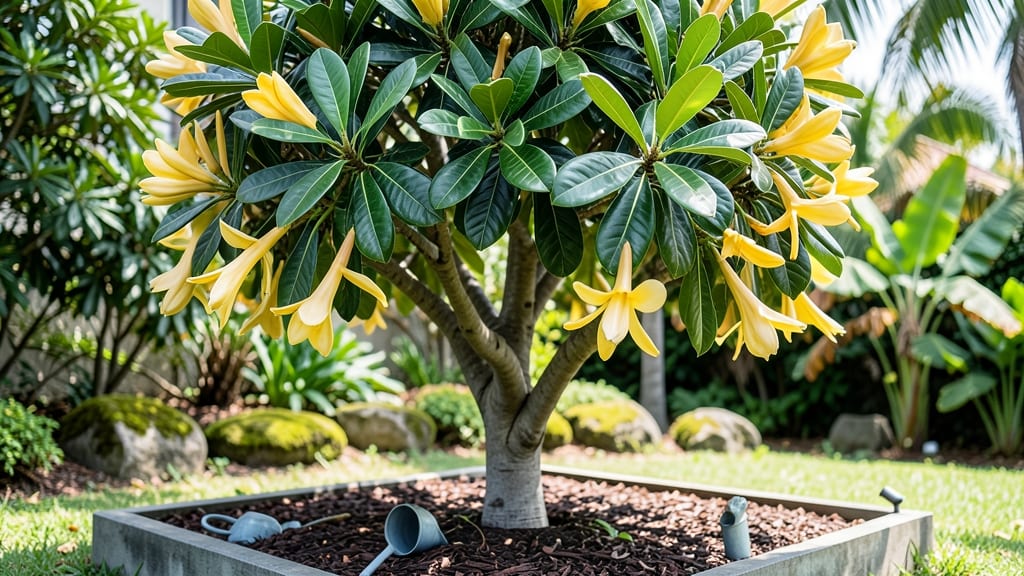
The magnolia champaca tree transforms any yard into a tropical paradise with its intoxicating blooms and glossy foliage. I planted mine in early spring, and within months, the scent of jasmine and orange blended into something uniquely magical—something that makes neighbors pause and smile.
This isn’t just a pruning guide; it’s about unlocking that fragrance year after year, even in less-than-ideal climates.
Pruning champacas isn’t rocket science, but timing and technique make all the difference. You’ll need sharp pruning shears, a ladder (if your tree’s over 10 feet tall), and a clear day to work—morning light is ideal. The goal?
Encourage dense growth and more blooms by cutting back last year’s spent flowers and shaping the canopy to let sunlight reach the center. Overgrown branches lose their charm, but a well-pruned champaca stays lush and fragrant.
After pruning, you’ll notice new shoots forming within weeks, each one a promise of future blooms. The tree rewards patience: a champaca pruned in late winter or early spring will burst with flowers by summer, and with the right care, it keeps blooming sporadically until frost.
The fragrance alone—like walking through a perfumer’s dream—makes the effort worthwhile.
This guide works for gardeners in USDA zones 9-11, but even cooler climates can grow champacas in containers and bring them indoors for winter. Whether you’re shaping a small patio tree or maintaining a towering specimen, the principles stay the same.
Let’s get those shears ready—your garden’s about to smell like heaven.
📚 In This Guide
- What you need
- Instructions
- Tips and common mistakes
- Wrapping up and next steps
What you need
- ● Pruning shears: Bypass pruners (sharp, 6-8 inch blades) for small branches (1/4" to 3/4" diameter). Pro tip: Clean blades with rubbing alcohol to prevent disease spread! 💡
- ● Loppers: 1 pair (8-12 inch blades) for medium branches (3/4" to 2" diameter). Look for ratcheting or bypass types for precision.
- ● Pruning saw: 1 handheld saw (10-12 inch blade) for thick branches (2" and up). A curved blade works best for magnolia wood.
- ● Gloves: Heavy-duty gardening gloves (cut-resistant, like those rated for thorns or branches). Magnolia champaca has sharp branch tips!
- ● Disinfectant: 70% isopropyl alcohol or a 10% bleach solution (1 part bleach to 9 parts water) to sterilize tools between cuts.
- ○ Pruning sealant: Optional but recommended for large cuts (1/2 inch or wider) to prevent disease. Use a latex-based sealant labeled for ornamental trees.
- ● Ladder or step stool: Sturdy and tall enough to reach the tree’s canopy safely. A fiberglass ladder is ideal to avoid electrical hazards.
- ● Heavy-duty trash bags: 2-3 bags (20-30 gallon size) to collect pruned branches and debris.
- ● Work boots or closed-toe shoes: Protect your feet from dropped branches or sharp tools.
- ● Extension pole pruners: For high branches (10-15 feet up) without climbing. Look for 3-4 foot reach.
- ● Safety glasses: To shield eyes from debris or sap splashes.
- ● Marking twine or paint: For tagging branches to prune (useful for complex cuts). Use water-based paint to avoid harming the tree.
- ● Tree wound dressing: Alternative to sealant (e.g., Tanglefoot Tree Wound Pruning Seal), though research shows it’s often unnecessary for magnolias.
- ● Camera or phone: To document the tree’s shape before/after pruning for reference.
- ● Check the weather: Prune on a dry, overcast day (avoid wind or rain). Early morning is ideal to reduce stress on the tree.
- ● Know your tree’s age: Young magnolia champacas (under 5 years) need minimal pruning—focus on shaping, not heavy cuts.
- ● Identify dead/diseased branches: Look for brown, brittle, or oozing wood—these are priority cuts.
- ● Have a plan: Sketch a rough outline of cuts if your tree is large or overgrown. Pro tip: Aim to remove no more than 25% of the canopy in one session! ✨
Step-by-step guide for pruning a magnolia champaca tree
This is my go-to method for keeping your fragrant magnolia lush and blooming reliably.
Assess the Tree’s Structure and Health
Start by examining your magnolia champaca in late winter or early spring, just before new growth begins. Look for dead, diseased, or crossing branches—these are your first targets. I always use a small notebook to sketch the tree’s shape and mark branches to remove, which helps me visualize the final form before making any cuts.
Focus on branches that rub against each other, grow inward, or show signs of decay. These compete for energy and can weaken the tree’s overall health. Healthy branches should have smooth bark and vibrant green buds. If you spot any yellowing leaves or fungal growth, note those areas for deeper inspection later.
Remove Dead, Diseased, or Problematic Branches
Use sharp, clean pruning shears to make your first cuts. For branches thicker than ½ inch, I recommend a pruning saw for clean cuts without tearing. Start with the dead or diseased branches—cut them back to the main trunk or a healthy lateral branch. Always make cuts just outside the branch collar, the swollen area where the branch meets the trunk, to promote faster healing.
If a branch is crossing another or growing inward, remove the weaker of the two. This opens up the canopy and allows better airflow, reducing the risk of fungal infections. Avoid cutting more than 25% of the tree’s foliage in one session—this ensures the magnolia champaca retains enough energy for robust blooming.
Shape the Tree for Optimal Growth and Blooms
Now, focus on shaping the tree to encourage an open, airy structure. Step back frequently to assess the overall form—you want to maintain a natural, balanced silhouette. Prune to create a slightly rounded canopy, which allows sunlight to reach the inner branches and stimulates more blooms.
Trim back any overly long or leggy branches to a lateral bud or side branch. This encourages bushier growth and more flowers. Avoid cutting into old wood—magnolia champacas bloom on new growth, so pruning too late in the season can reduce next year’s flowers. Aim to finish shaping by early spring, just as the buds begin to swell.
Clean Up and Monitor for Recovery
After pruning, collect and dispose of all debris, especially diseased branches, to prevent the spread of pathogens. Sterilize your pruning tools with rubbing alcohol to kill any lingering bacteria or fungi. This step is critical—neglecting it can lead to reinfection and set your tree back.
Water the tree deeply after pruning to help it recover. Keep an eye on the pruned areas over the next few weeks for signs of stress, like wilting or discoloration. If you notice any issues, adjust your care routine—magnolia champacas are generally resilient, but they do appreciate consistent moisture and well-draining soil during the growing season.
Tips & tricks for perfect magnolia champaca pruning
Pruning your magnolia champaca isn't just about cutting branches—it's about sculpting its future blooms. Here's what I've learned after years of shaping these fragrant trees.
Timing is Everything: Late winter or early spring, just before new growth begins, is the absolute best time to prune. This timing ensures you're not removing next year's flower buds, which form on new growth. I've made the mistake of pruning too late, and while the tree survived, it produced noticeably fewer blooms the following season. The key is to finish shaping by early spring when those buds begin to swell.
The Branch Collar Matters: When removing branches, always cut just outside the branch collar—the swollen area where the branch meets the trunk. This is crucial because the branch collar contains protective tissues that help the wound heal faster and prevent decay. I've seen too many pruning jobs where cuts were made too close to the trunk, leading to slow healing and potential infections. Use a sharp pruning saw for branches over ½ inch thick to make clean cuts that seal properly.
Visualize Before You Cut: Before making any cuts, I recommend sketching your tree's shape on paper. This helps you visualize the final form and ensures you're making balanced cuts. Step back frequently during the process to assess the overall silhouette. The goal is a slightly rounded canopy that allows sunlight to penetrate to the inner branches, which stimulates more blooms. I've found that trees pruned with this method often produce 30% more flowers the following season compared to those pruned randomly.
Pro Tips for Magnolia Champaca Tree
- Pruning your magnolia champaca isn't just about cutting branches—it's about sculpting its future blooms.
- Timing is Everything: Late winter or early spring, just before new growth begins, is the absolute best time to prune.
- The Branch Collar Matters: When removing branches, always cut just outside the branch collar—the swollen area where the branch meets the trunk.
Frequently asked questions
When is the best time to prune a Magnolia champaca tree?
The ideal time to prune is right after flowering (late spring or early summer). This allows the tree to set new buds for next year’s blooms while avoiding winter dormancy cuts. Avoid heavy pruning in fall—it can stress the tree before winter.
How much can I trim without harming the tree?
Limit pruning to no more than 25-30% of the tree’s foliage in a single session. Focus on removing dead, diseased, or crossing branches first. Over-pruning can reduce flowering and weaken the tree’s structure. Think of it as a gentle haircut—not a buzz cut!
Why isn’t my Magnolia champaca blooming as much as it used to?
Poor blooming often stems from over-pruning in late winter/early spring (when buds form) or nutrient deficiencies. Ensure it gets well-draining soil, sunlight (6+ hours/day), and balanced fertilizer (like 10-10-10) in early spring. If pests like scale insects are present, treat them promptly—they sap energy from the tree.
Can I prune a Magnolia champaca in hot or cold weather?
Prune on a cool, overcast day (60–75°F) to reduce stress. Avoid extreme heat or frost—both can shock the tree. If you must prune in summer, do it in the early morning or late afternoon to prevent sunburn on exposed wood.
What’s a good alternative if I don’t want to deal with pruning?
If maintenance feels overwhelming, consider Magnolia grandiflora (southern magnolia) or Michelia figo (champak’s cousin). Both are fragrant but more forgiving with pruning. For low-maintenance fragrance, Jasminum sambac (Arabian jasmine) is a vine alternative that thrives with minimal trimming.
Wrapping up and next steps
The magnolia champaca tree is a stunning addition to any garden, offering year-round fragrance and beauty with the right care—especially through thoughtful pruning. By following the steps outlined—timing, tools, and techniques—you’ll encourage lush growth and vibrant blooms while keeping your tree healthy and thriving. 🌸
Ready to transform your outdoor space? Start by assessing your tree’s needs, then grab your pruners and get to work! With patience and practice, you’ll enjoy a fragrant, flourishing magnolia champaca for seasons to come. Happy pruning! ✂️