
Pruning
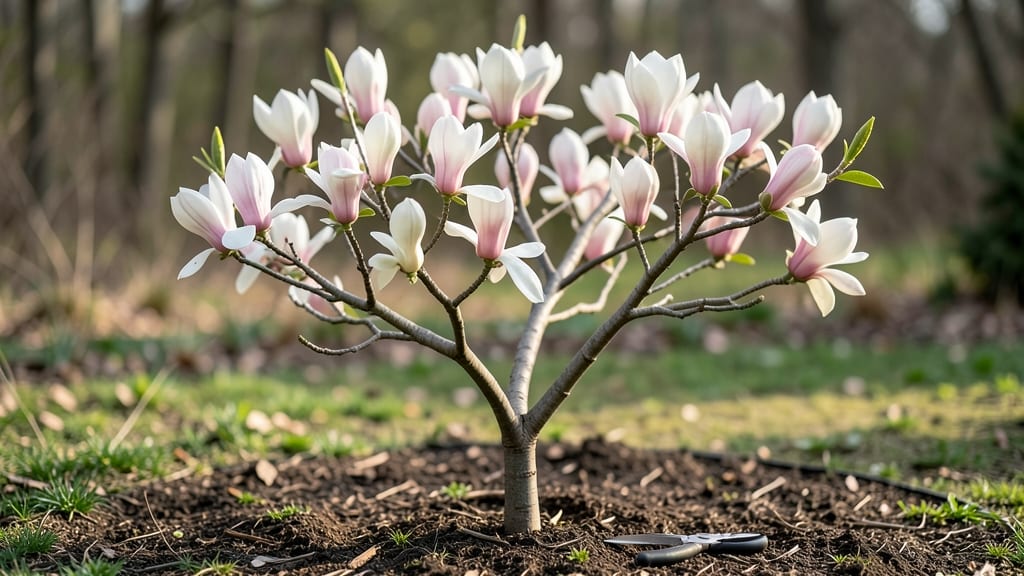
The Magnolia stellata tree turns winter into a starry spectacle with its fragrant, rosy-pink blooms that appear before leaves even unfold. 🌸 I planted mine five years ago, and every March, the neighborhood stops to admire its show—no pruning required.
The secret lies in its natural shape and cold-hardy nature, making it the perfect low-maintenance stunner for small yards or foundation plantings.
This deciduous beauty thrives in USDA zones 4-8, handling everything from brutal winters to humid summers with grace. It prefers well-draining soil and morning sun with afternoon shade, though it tolerates partial shade better than full sun.
Most nurseries sell it as a 3-5 gallon container plant, so you can get it established quickly without years of waiting.
By late spring, you’ll have glossy green foliage that stays lush until fall, while the blooms return in late winter or early spring—often before most gardens wake up. The scent alone makes it worth growing, but the minimal pruning needs (just removing dead branches) keep it effortless.
Even in tight spaces, it grows to 10-15 feet tall, making it ideal for urban gardens.
Whether you’re a first-time gardener or a seasoned pro, this tree delivers four-season interest with almost no fuss. Let’s get yours planted so you can enjoy the show—and the compliments—next winter.
📚 In This Guide
- What you need
- Instructions
- Tips and common mistakes
- Wrapping up and next steps
What you need
- ● Pruning shears: Bypass pruners (sharp, clean, and sterilized with rubbing alcohol to prevent disease). Quantity: 1 pair (for small branches).
- ● Loppers: For thicker branches (1–2 inches in diameter). Quantity: 1 pair.
- ● Pruning saw: For branches thicker than 2 inches. Quantity: 1 (handheld or folding).
- ● Gloves: Heavy-duty gardening gloves (cut-resistant for safety). Quantity: 1 pair.
- ● Disposable pruning bags: To collect and dispose of clippings. Quantity: 1–2 bags.
- ● Rubbing alcohol (70% isopropyl): For sterilizing tools between cuts. Quantity: Small bottle (4–8 oz).
- ● Hose or water source: For cleaning tools and rinsing sap off branches.
- ○ Pruning sealant (optional but recommended): For sealing large cuts (e.g., Tanglefoot Tree Wound Pruning Seal). Quantity: Small tube.
- ● Extension pole: For hard-to-reach branches (3–6 feet long).
- ● Knee pads: For comfort during ground-level pruning.
- ● Magnifying glass: To inspect buds and small details up close.
- ● Notebook & pen: To log pruning notes (e.g., branch locations, dates).
- ● Fertilizer (balanced, slow-release): Post-pruning boost (e.g., 10-10-10 NPK ratio). Quantity: Small bag (5–10 lbs).
Step-by-step guide for planting and caring for a magnolia stellata tree
Here's how to establish your star magnolia for decades of effortless spring blooms.
🌱 Step 1: Choose the Perfect Planting Location
Magnolia stellata thrives in partial shade to full sun—ideally with morning sunlight and afternoon shade in hotter climates. The key is protected roots while still receiving 6+ hours of light daily. I always look for spots with dappled sunlight under mature trees where the canopy filters harsh afternoon rays.
Test your site by observing how sunlight moves across the area throughout the day. The northern or eastern side of a structure often provides ideal conditions. Avoid low-lying areas where cold air pools—this star magnolia can't tolerate soggy roots. Amend heavy clay soil with 2-3 inches of organic matter (like compost) before planting to improve drainage.
🪴 Step 2: Plant at the Right Time and Depth
Plant your bare-root or container-grown magnolia stellata in early spring or fall when temperatures average 50-60°F. This gives roots 6-8 weeks to establish before extreme heat or cold. Dig a hole twice as wide as the root ball but only as deep—the top of the root flare should sit 1-2 inches above ground level when finished.
Loosen the roots slightly if they're circling in a container, then place the tree in the hole. Backfill with native soil mixed with compost, tamping gently to eliminate air pockets. Water deeply until moisture reaches 12 inches down—you'll know it's enough when water pools on the surface and drains away after 15 minutes. Mulch with 3 inches of wood chips, keeping mulch 6 inches away from the trunk to prevent rot.
☀️ Step 3: Water Strategically During Establishment
For the first two growing seasons, your magnolia stellata needs consistent moisture—about 1-2 inches of water weekly. Water deeply every 5-7 days rather than frequent shallow waterings. The goal is to encourage deep root growth rather than shallow, thirsty roots. You'll know you're doing it right when the soil feels damp 6 inches down between waterings.
Real talk: Overwatering is the #1 killer of young magnolias. The soil should never stay soggy—if water pools for more than 30 minutes, you're watering too much. Once established (after 2 years), these trees tolerate drought surprisingly well, but young plants need that extra care. Reduce watering in late fall to prepare the tree for winter dormancy.
✂️ Step 4: Prune Only When Necessary
Magnolia stellata is famous for its minimal pruning needs, but there are two critical times to intervene. First, remove any dead, diseased, or crossing branches in late winter or early spring before new growth begins. Use clean, sharp pruners and make cuts just outside the branch collar to prevent damage.
Second, lightly shape the tree after flowering if needed—never prune in late summer or fall, as this encourages tender growth that won't harden off before winter. You'll rarely need more than 10-15% of the tree's canopy removed at any one time. The goal is to open the center for better airflow and light penetration without sacrificing the tree's natural form. Here's the thing—less is always better with magnolias.
Tips & tricks for perfect magnolia stellata tree planting
Common pitfalls—and how to sidestep every one—when establishing your star magnolia for decades of effortless blooms.
Location Intelligence: The 6+ hours of sunlight recommendation is non-negotiable, but here's the thing: morning sun is your friend, while harsh afternoon rays can scorch tender new leaves. I've seen magnolias thrive under mature oak trees where the canopy creates dappled sunlight—this mimics their natural understory habitat. Test your site by observing sunlight patterns throughout a full day, especially in summer when the sun's arc is highest.
Planting Precision: That 1-2 inches above ground level for the root flare isn't just arbitrary—it's about preventing rot while allowing roots to access oxygen. I learned this the hard way after planting too deeply, which led to stem rot. Use a level to check your depth before backfilling, and consider adding a small mound of soil in the center of the hole to create that perfect elevation. The 15-minute drainage test after watering is crucial too—if water lingers longer, your soil needs more organic matter.
Watering Wisdom: The 6-inch dampness check between waterings is your golden rule, but don't rely solely on feel. Invest in a moisture meter—it takes the guesswork out of determining when those roots need hydration. I've found that container-grown magnolias often need slightly more frequent watering during their first season since their roots are more compact. The late fall water reduction isn't about cutting off completely—just taper to every 10-14 days to let the tree harden off naturally.
Pruning Strategy: That 10-15% canopy limit during shaping might seem restrictive, but remember: magnolias bloom on old wood. Every cut you make now affects next year's flowers. I always prune just outside the branch collar to prevent unsightly stubs, and I never remove more than one-third of any branch's diameter at once. For the late winter/early spring pruning window, mark your calendar for February—this gives the tree time to heal before spring growth begins.
Pro Tips for Magnolia Stellata Tree
- Common pitfalls—and how to sidestep every one—when establishing your star magnolia for decades of effortless blooms.
- Location Intelligence: The 6+ hours of sunlight recommendation is non-negotiable, but here's the thing: morning sun is your friend, while harsh afternoon rays can scorch tender new leaves.
- Planting Precision: That 1-2 inches above ground level for the root flare isn't just arbitrary—it's about preventing rot while allowing roots to access oxygen.
Frequently asked questions
Got questions about the stunning Magnolia stellata tree? You’re not alone!
Here are answers to the most common queries—from planting to pruning—so you can enjoy its gorgeous blooms with confidence.
When is the best time to plant a Magnolia stellata?
The ideal window is late fall to early spring (before buds swell). This gives roots time to establish before summer heat. Avoid transplanting during extreme temperatures—your tree will thank you with vibrant blooms sooner!
How often should I prune my Magnolia stellata?
Prune only after flowering (late spring to early summer) to avoid cutting off next year’s buds. Light shaping is key—this tree thrives with minimal intervention. Dead or crossing branches can be removed, but resist heavy pruning unless reviving an overgrown specimen.
Why aren’t my Magnolia stellata blooms as abundant as expected?
Common culprits include over-fertilizing (too much nitrogen = fewer flowers), poor sunlight (6+ hours of sun is ideal), or young age (trees under 5 years may bloom lightly). Ensure well-draining soil and patience—mature trees reward you with spectacular spring displays!
Can I grow Magnolia stellata in a container?
Choose a large, sturdy container (15+ gallons) with drainage holes. Use acidic, well-draining potting mix and repot every 2–3 years. Just know: container-grown trees may bloom less vigorously than in-ground specimens. Move it outdoors in spring/summer for optimal growth.
Is Magnolia stellata cold-hardy?
Yes! This tree thrives in USDA Zones 4–8, handling winters down to -20°F (-29°C). For extra protection in harsh climates, mulch the base in late fall. Avoid heavy winter pruning—wait until spring to assess damage (usually minimal).
What’s the difference between Magnolia stellata and Magnolia liliiflora?
Magnolia stellata boasts larger, star-shaped flowers (3–4 inches) and a more upright growth habit. Magnolia liliiflora has smaller, lily-like blooms (2 inches) and a bushier form. Both are low-maintenance, but stellata is often preferred for its bold, showy display.
Wrapping up and next steps
The Magnolia stellata is a dream for gardeners who love beauty with minimal fuss—its stunning winter blooms and easy-care nature make it a standout choice! With the right tools and a little seasonal attention, you can keep this tree thriving for years without heavy pruning.
Whether you're a seasoned gardener or just starting, this tree rewards patience and care with breathtaking results.
Ready to level up your landscape? 🌸 Start by observing your tree’s natural shape and schedule a light pruning session this spring—just a few hours of your time can make all the difference. Happy gardening!