
Pruning
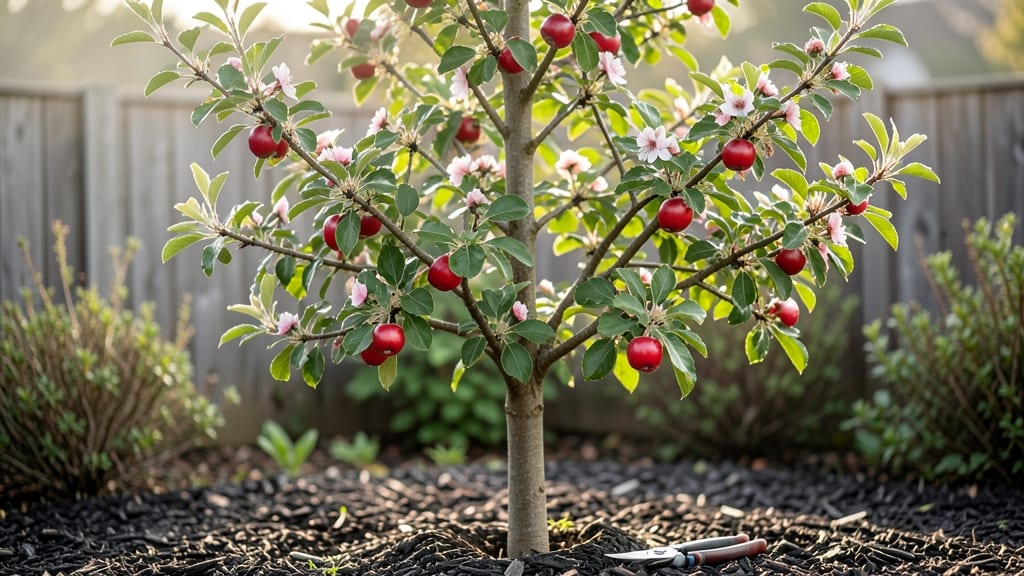
The Malus 'Evereste' crab apple tree delivers four seasons of beauty in a compact package—rosy spring blooms, glossy foliage, and persistent fruit that birds adore. 🌸 I planted mine last fall, and it’s already outpaced its neighbors in both color and fragrance, even in my heavy clay soil.
The dwarf size makes it perfect for small yards or container growing, yet it still packs orchard-style charm.
This tree thrives with just 6 hours of sun daily and tolerates a range of soils, though it rewards you best in well-draining, slightly acidic dirt.
Pruning is minimal—just shape it in early spring before buds swell—and you’ll avoid the common issues like fire blight or fruit rot that plague other crab apples.
The real magic happens when those pink blossoms scent the air in early spring, long before any other tree in the neighborhood wakes up.
By summer, you’ll have clusters of tiny, decorative apples that stay on the tree well into winter, feeding birds and adding rustic texture to your landscape. The foliage turns a soft yellow in fall, and the branches hold onto their fruit even after the leaves drop.
It’s the kind of tree that makes neighbors stop and ask questions—without requiring constant attention.
Whether you’re dealing with pests, poor drainage, or just curious about how to keep it looking its best, this guide covers the essentials so you can enjoy decades of low-maintenance beauty with minimal fuss. Let’s get your 'Evereste' thriving from day one.
📚 In This Guide
- What you need
- Instructions
- Tips and common mistakes
- Wrapping up and next steps
What you need
- ● Pruning shears: Bypass pruners (sharp, clean, and sterilized with rubbing alcohol to prevent disease spread). Size: 6-8 inches for medium branches.
- ● Loppers: For thicker branches (½–2 inches in diameter). Look for ratchet-style loppers for extra leverage.
- ● Pruning saw: For branches thicker than 2 inches. A bow saw or pruning saw with a fine-toothed blade works best.
- ● Gloves: Heavy-duty, cut-resistant gloves (e.g., leather or reinforced fabric) to protect hands from thorns and sharp tools.
- ● Disinfectant: 70% isopropyl alcohol or a tree-pruning sealant (e.g., Tanglefoot Pruning Seal) to sterilize tools between cuts.
- ○ 5-gallon bucket: For collecting pruned branches and debris. A wet/dry vacuum (optional) can help with cleanup.
- ● Ladder (if needed): A stable, extendable ladder (e.g., aluminum or fiberglass) for reaching higher branches. Safety first!
- ● Notebook & pencil: To sketch a pruning plan or jot down notes on branch removals.
- ● Hand pruners (for fine tuning): Anvil-style pruners for small twigs (¼–½ inch).
- ● Tree wound dressing: Controversial but useful for large cuts (e.g., Arborseal) to prevent disease entry.
- ● Safety goggles: To shield eyes from debris, especially when using a pruning saw.
- ● Tree bag or tarp: To collect fallen branches for composting or disposal.
- ● Weather check: A portable weather app to avoid pruning during wet or windy conditions.
How to plant and care for a Malus Evereste crab apple tree
This fragrant dwarf beauty thrives with the right planting and ongoing attention.
🌱 Step 1: Choose the Perfect Planting Spot
The Malus Evereste craves full sun—at least 6-8 hours daily—for vibrant blooms and fruit production. I always scout locations where morning sun warms the soil quickly, as cooler roots struggle to establish. Look for spots with well-draining soil; these trees despise soggy feet. A slight slope helps prevent water pooling around the trunk.
Check for overhead power lines or structures before digging. This tree grows to 12-15 feet tall but stays compact, so you can plant it closer to the house than full-size apple trees. Just leave 8-10 feet of clearance for mature branches. I mark the planting area with spray paint to visualize the space before digging.
🪴 Step 2: Prepare the Planting Hole and Soil
Dig a hole twice as wide as the root ball but only as deep. The top of the root ball should sit 1-2 inches above ground level—this prevents water from pooling at the base. I use a shovel to loosen the sides of the hole so roots can spread easily into native soil.
Amend the native soil with 2-3 inches of compost mixed into the bottom of the hole. Avoid heavy amendments like manure, which can burn tender roots. Gently tease out any circling roots on the root ball before placing the tree. The goal is to encourage outward growth, not encourage roots to strangle themselves.
☀️ Step 3: Plant and Water Deeply
Lower the tree into the hole while maintaining the correct depth. Fill around the root ball with native soil, pressing lightly to eliminate air pockets. I water ½ gallon every 10 minutes while backfilling to settle the soil gradually. This prevents air gaps that could dry out roots.
Create a 2-inch deep watering basin around the base to direct irrigation. Mulch with 2-3 inches of organic mulch (like wood chips) but keep it 3 inches away from the trunk to prevent rot. Water thoroughly after planting—this helps settle the soil and removes air pockets around the roots.
🌿 Step 4: Establish a Care Routine for First Year
Water deeply once weekly during the first growing season, ensuring the soil stays moist but not soggy. I check by sticking my finger 2 inches into the soil—if it feels dry, it's time to water. Avoid overhead sprinklers, which can spread fungal diseases to the leaves.
Fertilize lightly in early spring with a balanced 10-10-10 fertilizer spread around the drip line. Too much nitrogen early on encourages leafy growth at the expense of root development. Prune only to remove dead or crossing branches in late winter—never prune in fall, as this invites disease.
⏰ Step 5: Maintain for Year-Long Beauty
After the first year, water every 2-3 weeks during dry spells, adjusting for rainfall. The Malus Evereste's drought tolerance improves with age, but consistent moisture keeps the blooms abundant. I always water in the morning so leaves dry quickly, reducing fungal risks.
Enjoy the spring blooms, fragrant foliage, and ornamental fruit throughout the seasons. This tree rewards patience—just avoid heavy pruning after flowering, as it removes next year's blossoms. With proper care, your Evereste will become the star of your landscape for decades.
Tips & tricks for perfect Malus Evereste crab apple tree planting
These simple tricks will help your dwarf beauty thrive for decades—no green thumb required!
Sunlight Strategy: In Step 1, when selecting your spot, prioritize morning sun exposure—those first few hours of warmth are critical for kickstarting root growth. I've planted mine near south-facing windows where the sun hits early, and the difference in spring blooms is dramatic compared to shadier spots. If your location gets only partial sun, consider a slightly sheltered area where it still gets those essential 6-8 hours daily.
Soil Prep Secret: For Step 2, don't just dig a hole—think of it as creating a root spa. Loosening the sides of the hole (as mentioned) helps roots spread outward naturally, but I also add a handful of mycorrhizal fungi to the compost mix at the bottom. These beneficial fungi form symbiotic relationships with tree roots, boosting nutrient uptake and drought resistance. It's like giving your tree's roots a superpower!
Watering Wisdom: The ½ gallon every 10 minutes during Step 3 might seem like a lot, but trust me—this gradual approach prevents soil compaction and air pockets. I use a watering wand to direct the flow gently around the root ball. For the first few weeks after planting, I even set a reminder to check the moisture every few days—new roots need consistent hydration to establish properly.
Mulch Magic: That 2-3 inches of organic mulch in Step 3 isn't just for looks—it's a living ecosystem. I always use wood chips because they break down slowly, adding organic matter to the soil while suppressing weeds. The key is keeping it 3 inches away from the trunk to prevent rot. Pro tip: Refresh the mulch layer every spring—it's like giving your tree a fresh blanket for the growing season.
Pro Tips for Malus Evereste Crab Apple Tree
- These simple tricks will help your dwarf beauty thrive for decades—no green thumb required!
- Sunlight Strategy: In Step 1, when selecting your spot, prioritize morning sun exposure—those first few hours of warmth are critical for kickstarting root growth.
- Soil Prep Secret: For Step 2, don't just dig a hole—think of it as creating a root spa.
Frequently asked questions
Got questions about the Malus Evereste crab apple tree? You’re not alone!
Here are the most common queries—plus straightforward answers—to help you grow this stunning dwarf beauty with confidence.
How fast does the Malus Evereste grow, and how large will it get?
The Malus Evereste is a dwarf variety, typically reaching 6–8 feet tall and wide at maturity. It grows at a moderate pace—about 12–24 inches per year, making it perfect for small gardens or container planting. With proper pruning, you can even keep it smaller!
When is the best time to prune a Malus Evereste?
Prune your Malus Evereste in late winter or early spring (before buds swell) to shape it and encourage healthy blooms. You can also do light pruning after flowering to maintain its form. Avoid heavy pruning in fall, as it may stimulate tender new growth vulnerable to frost.
Are crab apple trees like Malus Evereste prone to pests or diseases?
While generally hardy, Malus Evereste can attract apple scab, fire blight, or aphids. To prevent issues, prune for airflow, avoid overhead watering, and apply fungicide in early spring if your area is prone to fungal diseases. Regular inspections help catch problems early!
Can I grow Malus Evereste in a container, and what size pot should I use?
This dwarf tree thrives in containers with at least 15–20 gallons of soil (a 20–24" pot works well). Use well-draining potting mix, and repot every 2–3 years to refresh nutrients. Place it in full sun and water deeply when the top inch of soil dries out.
Why isn’t my Malus Evereste flowering as much as it should?
Less blooming can stem from over-fertilizing (too much nitrogen), poor sunlight, or improper pruning. Ensure it gets 6+ hours of sun daily and prune to open the canopy. A balanced 10-10-10 fertilizer in early spring (follow label rates) can also encourage flowers.
Wrapping up and next steps
The Malus Evereste crab apple tree is a stunning, low-maintenance addition to any yard, offering year-round beauty with its fragrant blossoms, vibrant foliage, and striking fruit.
Whether you're a seasoned gardener or just starting out, its compact size and resilience make it a perfect choice for small spaces or urban landscapes. 🌸
Now that you’re equipped with the right tools and knowledge—like proper pruning techniques and care tips—why not take the next step? Plant your Malus Evereste this season and enjoy its fragrance, color, and charm for years to come. Happy gardening! 🌱