
Pruning
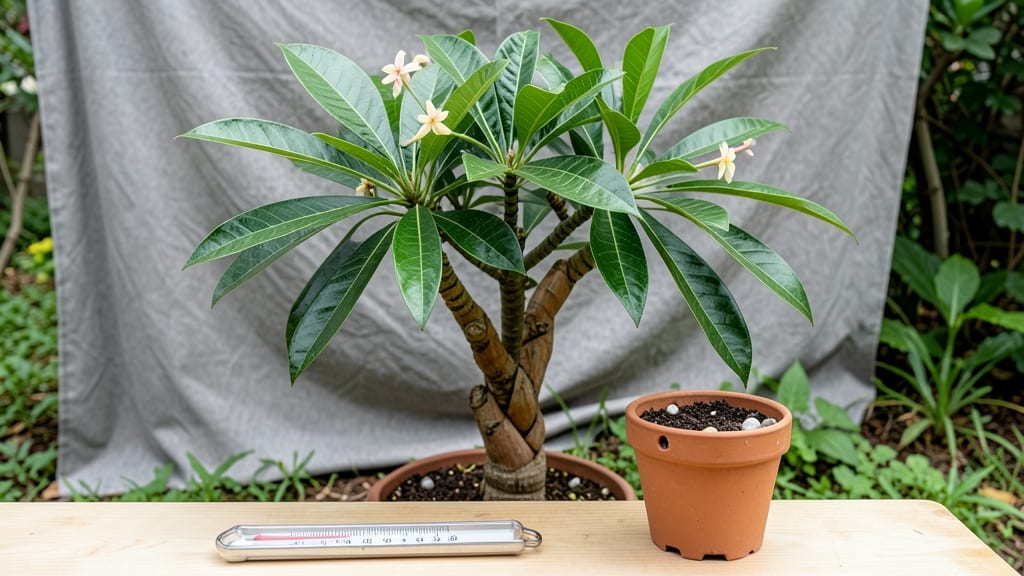
The ideal money tree temperature keeps your plant happy—anything outside 65°F to 85°F stresses it fast, and I learned that after my drafty winter window turned my leaves crispy. 🌱 The trick isn’t just keeping it warm; it’s maintaining steady temperatures without swings that shock the plant.
Most people assume money trees handle indoor air like other houseplants, but they’re tropical at heart. Drafts, AC vents, or sudden heat spikes (like near fireplaces) cause the telltale leaf drop or yellowing. A simple thermometer near the plant reveals hidden temperature swings—something I wish I’d checked sooner.
With the right setup, you’ll see new growth within weeks, not just survival. Place it away from cold windows, use a small space heater in winter, and avoid direct heat sources. The payoff? A money tree that stays lush year-round, not just a sad, leggy survivor.
Outdoor growers in zones 10-12 can enjoy theirs outside during mild seasons, but bring it in before temps dip below 55°F—even brief chilly nights trigger stress. Indoor gardeners should monitor humidity too, since dry air mimics cold stress for these tropical plants.
📚 In This Guide
- What you need
- Instructions
- Tips and common mistakes
- Wrapping up and next steps
What you need
- ● Money Tree Plant: A healthy Pachira aquatica (5–10 inches tall, 3–5 stems for optimal growth).
- ● Pot with Drainage Holes: 1–2 ceramic or terracotta pots (8–12 inches in diameter), depending on plant size.
- ● Well-Draining Soil Mix: 2 parts cactus/succulent mix (for aeration)
- ● 1 part peat moss or coco coir (for moisture retention)
- ● 1 part perlite or pumice (for drainage)
- ○ Humidity Tray (Optional but Helpful): A shallow tray + pebbles (1–2 inches deep) to elevate the pot and boost humidity.
- ● Digital Thermometer/Hygrometer: 1 unit (e.g., Govee or AcuRite) to monitor temps (60–85°F / 15–29°C) and humidity (50–70%).
- ● Space Heater or Fan: 1 adjustable unit (for maintaining consistent temps in drafty or extreme climates).
- ● Grow Lights (Seasonal Use): 1–2 LED grow bulbs (6000K–6500K) if natural light is <4–6 hours/day.
- ● 🌡️ Avoid placing near AC vents, radiators, or drafty windows—money trees hate sudden temperature swings!
- ● 💧 Group plants together to create a microclimate (boosts humidity naturally).
- ● ✨ Use a clear plastic bag (temporarily) to trap humidity if your home is dry.
How to maintain the perfect temperature for a thriving money tree
Here’s how I keep my money tree happy—no guesswork, just the right warmth.
🌿 Step 1: Understand Your Money Tree’s Ideal Temperature Range
Money trees (Pachira aquatica) thrive in 65-75°F during the day and 60-65°F at night. This mimics their tropical origins, where steady warmth prevents stress. If your home runs cooler, like 55°F or below, the plant will slow growth or drop leaves. Watch for crispy leaf edges or yellowing—those are red flags.
I place my money tree near an east-facing window where morning sun warms the leaves without scorching. Avoid drafty spots like near AC vents or heaters, which cause temperature swings. A digital thermometer near the plant helps track consistency—no more guessing if it’s too hot or cold.
☀️ Step 2: Adjust for Seasonal Shifts
In summer, when temps climb above 80°F, move the plant away from direct sunlight and increase humidity with a pebble tray. The roots need to stay cool, so avoid placing it on a hot surface like a concrete floor. If leaves start wilting or turning brown, it’s a sign the air is too dry.
Winter is trickier. Most homes drop to 60°F or lower at night, which can shock the plant. I use a small space heater with a thermostat near the plant (but not touching it) to maintain 65°F at night. Never let it dip below 55°F—that’s when roots suffer. A simple trick? Group plants together—they create their own microclimate.
💧 Step 3: Monitor Humidity Alongside Temperature
Money trees love 50-60% humidity, but most homes hover around 30-40%, especially in winter. Low humidity makes leaves crispy at the edges, even if temps are perfect. I solve this with a humidifier set near the plant, or I mist the leaves 2-3 times a week—but only in the morning so water evaporates before nightfall.
Here’s the thing—humidity and temperature work together. If your home is dry and warm (75°F+), the plant will dry out faster. That’s why I check soil moisture more often in summer. Stick your finger 1 inch deep—if it’s dry, water thoroughly. If it’s still damp, wait. Overwatering in heat is a fast track to root rot.
⏰ Step 4: Watch for Stress Signals and Act Fast
Yellow leaves? Too cold or overwatered. Brown, crispy edges? Too dry or hot. Dropping leaves? Sudden temperature swings. I’ve learned to react immediately—no waiting. Move the plant to a stable spot, adjust watering, and check humidity. A money tree is resilient, but it won’t recover if left in harsh conditions for weeks.
Real talk: My first money tree died because I ignored the signs. Now I keep a temperature log for a week after bringing a new plant home. It’s the only way to catch problems early. If you see leaves curling inward, that’s a cry for help—usually too cold or too dry. Flip the pot over and check the roots. Healthy roots are white and firm; mushy or black means it’s too wet.
Tips & tricks for perfect money tree temperature management
Keeping your money tree thriving comes down to understanding its heat needs—and avoiding common mistakes that sabotage growth. Here’s what I’ve learned after watching too many plants struggle.
Microclimate Mastery: The ideal 65-75°F range during daylight hours isn’t just about the thermostat reading—it’s about creating a stable environment. I place my money tree on a heat-resistant plant stand (like a ceramic saucer) to prevent heat transfer from hot floors. This is especially important in summer when floors can reach 80°F+ from sunlight. A simple trick: Use a thermometer with a probe to check the air temperature right where the leaves are—it might be 5°F warmer near the plant than your general room temperature.
Nighttime Rescue Strategy: When winter rolls in and nights drop below 60°F, I’ve found that a small ceramic pot (instead of plastic) helps retain warmth better. The heavier material stays warmer longer, giving the roots a buffer against cold drafts. If you’re using a space heater, position it so the warm air circulates around the pot—not directly on it. I aim for the heater to be 2 feet away to prevent leaf scorch while still maintaining that critical 65°F nighttime minimum.
Seasonal Transition Hack: The biggest shock comes when moving money trees between indoor and outdoor spaces. If you’re bringing one inside after summer, quarantine it for 2 weeks in a room with 65-70°F before introducing it to your main living space. This gradual adjustment prevents the shock of sudden temperature changes that can cause leaf drop. I’ve also noticed that plants moved from bright outdoor light to dim indoor spaces struggle more—always place them near the brightest indirect light you have available.
Pro Tips for Money Tree Temperature
- Keeping your money tree thriving comes down to understanding its heat needs—and avoiding common mistakes that sabotage growth.
- Microclimate Mastery: The ideal 65-75°F range during daylight hours isn’t just about the thermostat reading—it’s about creating a stable environment.
- Nighttime Rescue Strategy: When winter rolls in and nights drop below 60°F, I’ve found that a small ceramic pot (instead of plastic) helps retain warmth better.
Frequently asked questions
Got questions about keeping your money tree thriving in the perfect temperature? You’re not alone!
Here are some of the most common concerns—and the answers you need to keep your plant happy and growing.
What’s the ideal temperature range for a money tree?
A money tree (Pachira aquatica) thrives in 65–85°F (18–29°C) during the day and slightly cooler at night (down to 55°F/13°C). Avoid drafts, AC vents, or sudden temperature swings—these can stress your plant. If your home stays within this range, your money tree will likely flourish!
Can a money tree survive in cold temperatures?
Money trees are tropical plants and can’t handle freezing temps (below 50°F/10°C). If you live in a cold climate, keep it indoors year-round or move it inside before winter. Even a brief exposure to cold drafts (like near a window in winter) can cause leaf drop or root rot. Pro tip: Group plants together to help regulate humidity and warmth!
What should I do if my money tree’s leaves are turning yellow?
Yellow leaves often signal temperature stress, overwatering, or poor drainage. First, check the soil—it should be slightly moist but not soggy. Ensure your pot has drainage holes and adjust watering (let the top inch dry out between waterings). If the room is too hot or cold, relocate your plant to a more stable spot. Bonus: Wipe leaves gently with a damp cloth to help them absorb light better!
Is it okay to keep a money tree in a bedroom?
Money trees are non-toxic and safe for bedrooms (unlike some other houseplants). Just ensure the room stays within the ideal 65–80°F (18–27°C) range and gets bright, indirect light. Avoid placing it directly on a cold floor or near a heater—consistency is key! Many people love their money trees in bedrooms for their lucky vibes and air-purifying benefits.
How do I adjust my money tree’s care for summer vs. winter?
| Season | Temperature Tips | Care Adjustments |
|---|---|---|
| Summer | Keep in 70–85°F (21–29°C); avoid direct sun. | Water more frequently (let soil dry slightly between waterings). Mist leaves or use a pebble tray for humidity. |
| Winter | Maintain 65–75°F (18–24°C); avoid cold drafts. | Water less often (soil stays moist longer). Reduce fertilizer use and keep away from heaters. |
Pro tip: A digital thermometer near your plant helps track temps easily!
Wrapping up and next steps
Caring for your money tree isn’t rocket science—just a little warmth and consistency! 🌱 The key takeaway? Keep it cozy in 65–75°F (18–24°C) during the day and let it rest at 60°F (15°C) or above at night.
With the right temperature, bright (but indirect) light, and occasional pruning, your tree will thrive and reward you with lush, vibrant growth.
Ready to see your money tree flourish? Take action today! Monitor its environment, adjust as needed, and enjoy watching it grow into a stunning indoor centerpiece. Happy gardening! 🌿