
Pruning
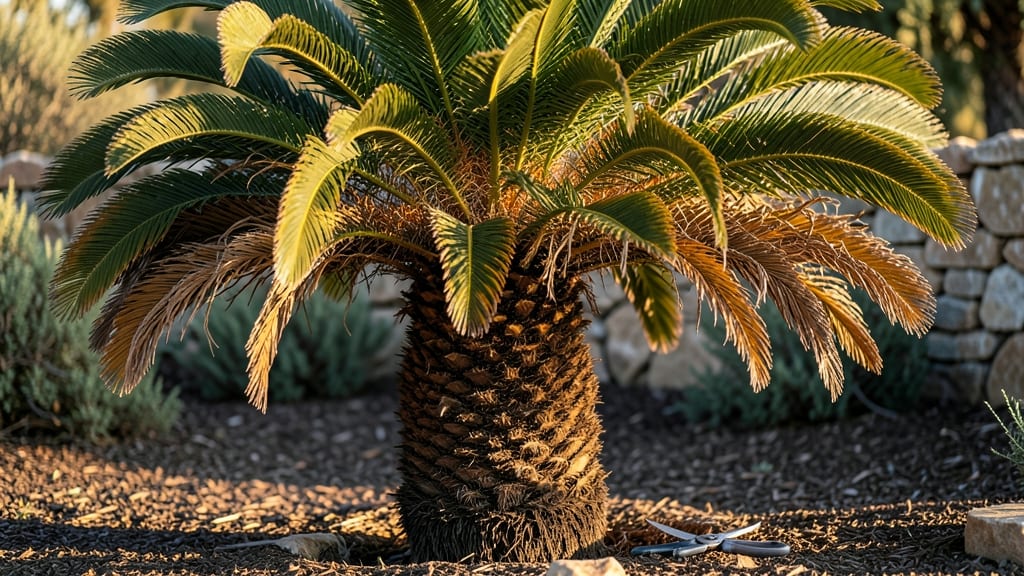
That overgrown palm tree looming in your yard might look intimidating—but with the right approach, trimming it is easier than you’d think. ✨ The key is removing only the dead fronds and cleaning the crown, not hacking away at healthy growth.
That first step alone keeps your tree looking sharp and prevents pests from moving in.
You’ll need basic tools: heavy-duty pruners, a sturdy ladder, and thick gloves to protect against sharp frond edges. Safety first—always check for power lines nearby and wear eye protection. Most homeowners can handle small palms themselves, but for trees over 30 feet tall, calling a pro is the smart move.
I’ve seen too many DIY disasters to recommend otherwise.
After trimming, your palm will reward you with fresh, vibrant fronds and a stronger structure. The right cuts encourage new growth while keeping the tree balanced.
Just avoid over-pruning—too much at once stresses the tree and invites pests. Think of it like giving your palm a spa day, not a haircut.
Season matters too: prune in late winter or early spring when new growth starts. Avoid heavy trimming in summer heat or winter cold. With the right timing and technique, your palm will stay healthy, safe, and stunning for years to come—without the stress.
📚 In This Guide
- What you need
- Instructions
- Tips and common mistakes
- Wrapping up and next steps
What you need
- ● Pruning saw or palm tree pruner – A sharp, heavy-duty saw (e.g., Fiskars X27) designed for thick palm fronds.
- ● Extension pole (10–15 ft) – For hard-to-reach fronds (e.g., 360° rotating pole saw).
- ● Heavy-duty gloves – Cut-resistant (e.g., Mechanix Wear) to protect hands from sharp edges.
- ● Safety goggles – ANSI-rated for debris protection.
- ● Ladder (20+ ft, sturdy & stable) – Only if trimming lower branches (avoid climbing palms!).
- ● Disposable trash bags (20+ gallon) – For debris cleanup (palm fronds = a lot of waste!).
- ● Rope or bungee cords – To secure branches before cutting.
- ● First-aid kit – Just in case (palm spines hurt!).
- ● Harness & safety line – If hiring a pro for high-risk trimming.
- ● Leaf blower – Clears debris faster than sweeping.
- ● Tree pruning shears – For smaller, delicate cuts.
- ● Work gloves with grip – For hauling heavy fronds.
- ● Fire extinguisher (Class A) – If trimming near dry areas.
- ● Camera or phone – Document progress (or post your before/after on social media!).
How to prune an overgrown palm tree safely
Here's my foolproof method for restoring balance without stressing the tree.
🌿 Step 1: Assess the Tree and Gather Safety Gear
Start by examining the palm from all sides, focusing on the crown shaft and fronds. Healthy fronds arch gracefully while dead ones hang limp or have brown, brittle tips. Mark the highest healthy frond with a piece of twine—this is your pruning guide. I always wear safety glasses, gloves, and sturdy work boots before climbing or using tools near palms.
Check the weather forecast—prune on a calm, dry day when winds won't scatter fronds or debris. If your palm is near power lines, call your utility company first. I once saw a neighbor's pruning job delay power restoration for a week because fronds got tangled in lines. Better safe than sorry.
✂️ Step 2: Remove Dead and Damaged Fronds First
Use clean, sharp pruning shears or a pruning saw to cut dead fronds at their base where they meet the crown shaft. Make cuts at a 45-degree angle to prevent water from pooling. Start with the oldest, most damaged fronds first—they're already dead weight. You'll know a frond is dead if it's brittle to touch or has no green tissue remaining.
For very large fronds, I cut them into 3-foot sections on the ground to make disposal easier. Never leave large debris piled near the tree—it can attract pests or block airflow. If a frond is only partially dead, leave it until it's fully browned out. Partial removal stresses the tree unnecessarily.
☀️ Step 3: Thin the Crown for Better Airflow
Now focus on live fronds that are overcrowding the center. Select every other frond starting from the outer edges and work inward. This creates a natural funnel shape that allows sunlight to reach the center. I aim to remove no more than 25% of live fronds in one session—palms are sensitive to aggressive pruning.
Look for fronds that are leaning inward or blocking sunlight from reaching the center. These are your targets. Make clean cuts just above the frond's attachment point to the crown shaft. Avoid tearing the tissue—this creates wounds that can rot. If you see yellowing or discolored areas on the crown shaft itself, stop pruning immediately and consult a professional.
🪴 Step 4: Clean Up and Monitor Recovery
After pruning, sterilize your tools with rubbing alcohol to prevent disease spread. Collect all debris and dispose of it in yard waste—never leave it near the tree. I like to spread 2 inches of mulch around the base (but not touching the trunk) to retain moisture and suppress weeds. Water the palm deeply after pruning to help it recover.
Watch for new frond growth within 4-6 weeks—this is your sign the palm is healing. Avoid fertilizing immediately after pruning, as new growth needs time to establish. If you see blackened or oozing areas on the crown shaft, that's a sign of infection and you should call an arborist. Most palms bounce back beautifully with proper care.
Tips & tricks for perfect palm tree trimming
These simple strategies will help you restore your palm's health without causing unnecessary stress.
Safety First: I can't emphasize this enough—never attempt to prune a palm tree if you're not fully equipped. If your tree is over 20 feet tall, consider hiring a professional arborist. For smaller palms, use a sturdy ladder with non-slip steps and always have someone nearby to spot you. I once saw a neighbor try to prune a 30-foot palm alone and end up with a broken ankle. Trust me, it's not worth the risk.
The 25% Rule: In Step 3, when thinning the crown, remember that palms are delicate. Removing more than 25% of live fronds in one session can shock the tree. If your palm looks particularly stressed after pruning, wait at least 6 months before doing any more trimming. You'll notice new frond growth within 4-6 weeks if you've done it right.
Tool Maintenance: After pruning, always sterilize your tools with rubbing alcohol to prevent disease spread between trees. I keep a small bottle of 70% isopropyl alcohol in my toolbox specifically for this purpose. Sharp tools make cleaner cuts, which heal faster. Dull tools tear the tissue, creating wounds that can invite pests and diseases. A quick sharpening before you start can save your palm from long-term damage.
Seasonal Timing: The best time to prune palms is during the dry season when new growth is minimal. Avoid pruning during extreme heat or cold—palms are most vulnerable to stress during these times. I've found that late winter or early spring, just before the growing season kicks in, is ideal. This gives the tree time to recover before facing summer heat.
Pro Tips for Overgrown Palm Tree
- These simple strategies will help you restore your palm's health without causing unnecessary stress.
- Safety First: I can't emphasize this enough—never attempt to prune a palm tree if you're not fully equipped.
- The 25% Rule: In Step 3, when thinning the crown, remember that palms are delicate.
Frequently asked questions
Got questions about tackling that towering palm tree? You’re not alone!
Here are the most common concerns—plus clear, actionable answers to keep your tree (and your nerves) in check.
How do I know if my palm tree is really overgrown and needs trimming?
Look for these red flags: fronds hanging below the trunk (a fire hazard), yellowing or brown tips (nutrient stress), or fronds blocking sunlight/roofs. If your tree’s height outpaces its width or fronds are dead for over a year, it’s time to trim. Pro tip: Snap a photo and compare it to healthy palm pics online for a quick sanity check!
When is the best time of year to trim an overgrown palm tree?
The ideal window is late winter to early spring (just before new growth starts). Avoid trimming during heatwaves or rainy seasons—palms heal slower in extreme temps. Exception: If fronds are dead or pose an immediate safety risk (e.g., hanging near power lines), remove them anytime. Just water the tree 24 hours before/after trimming to reduce stress.
Can I trim a palm tree myself, or should I hire a pro?
DIY works for small palms (under 20 ft) with basic tools (pruners, pole saw, harness). But for tall palms (30+ ft) or species like coconuts/royal palms, hire a certified arborist—they know how to avoid damaging the growth point (the "crown"). Warning: Improper trimming can kill the tree! Check local permits if your tree’s near power lines.
What’s the difference between trimming and topping a palm tree?
Trimming =
Removing dead or overgrown fronds (up to ⅓ of the crown) to encourage healthy growth. Topping = Severing the top of the trunk—this is never recommended for palms! Topping creates stubby, weak regrowth and stresses the tree. Think of it like cutting off a human’s fingers—it doesn’t grow back right. Stick to trimming!
How much does professional palm tree trimming cost?
Costs vary by size/location, but here’s a rough guide:
Tree Height
Estimated Cost (USD)
10–20 ft
$150–$350
20–30 ft
$350–$600
30+ ft (or complex species)
$600–$1,500+
Pro tip: Get 3 quotes and ask if they include debris removal and cleanup. Some companies charge extra for fronds over 10 ft long.
Wrapping up and next steps
An overgrown palm tree doesn’t have to be a daunting task—with the right tools, safety precautions, and techniques, you can keep it thriving while minimizing stress. Remember, patience and precision are key, whether you’re tackling fronds, dead leaves, or those stubborn old fronds at the base. 🌴
Ready to take action? Start by assessing your palm’s needs, then gather your supplies and follow the steps confidently. If the tree is particularly large or complex, don’t hesitate to call a professional—your safety (and your palm’s health!) comes first. Happy trimming!
- 📅 Next step: Schedule your trimming session on a calm, dry day for the best results.
- 🌱 Bonus tip: Monitor your palm’s progress and trim lightly every few months to maintain its shape.