
Pruning
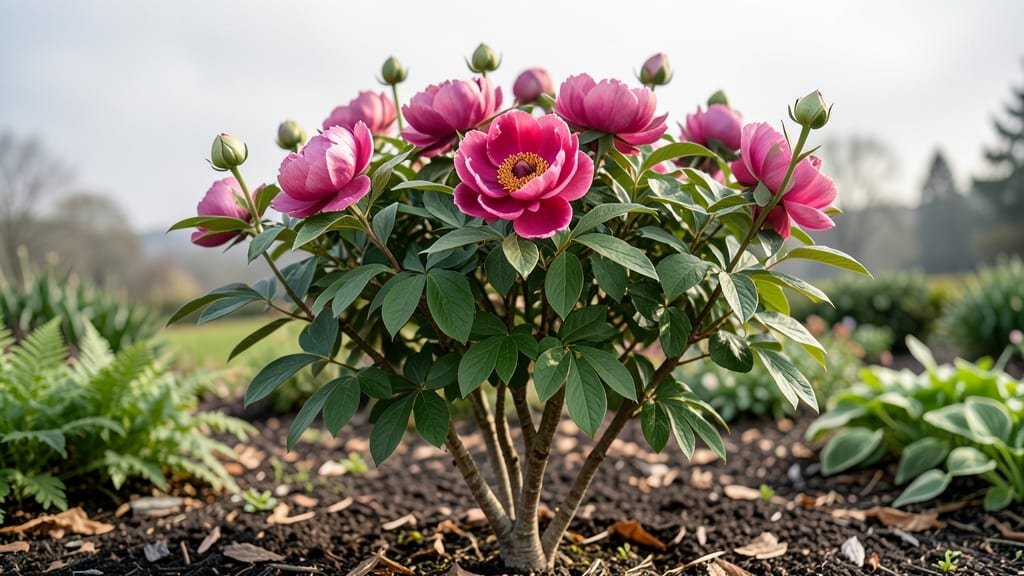
Caring for a peony tree means unlocking bold, fragrant blooms that last for weeks—if you time the pruning just right. 🌸 I’ve learned the hard way that skipping this step leads to fewer flowers and leggy branches, but mastering it transforms your tree into a showstopper every spring.
The key isn’t cutting back hard—it’s strategic trimming that balances air flow, sunlight, and next year’s buds.
Peony trees thrive with well-draining soil, full sun, and moderate watering—never soggy roots. After planting, keep the soil moist for the first year, then taper off to avoid encouraging weak growth.
Pruning happens twice: late winter to shape the tree and right after flowering to clean up spent blooms. Over-fertilizing is a common mistake—these trees store energy in their roots, not their leaves.
With the right care, your peony tree will reward you with vibrant pink, red, or white flowers that attract hummingbirds and fill your garden with perfume. The secret? Patience.
It takes 2-3 years for a newly planted tree to establish, but once it does, it becomes a low-maintenance stunner that blooms reliably for decades. Let’s get yours thriving!
Whether you’re dealing with leaf spot or struggling with bud blast, I’ll walk you through the fixes—because even the toughest peony trees can bounce back with the right approach.
This isn’t just about pruning; it’s about setting your tree up for a lifetime of color and fragrance. Ready to dive in?
📚 In This Guide
- What you need
- Instructions
- Tips and common mistakes
- Wrapping up and next steps
What you need
- ● Pruning shears – Sharp, bypass-style shears (for clean cuts) or anvil-style for thicker branches (1 pair).
- ● Loppers – For branches ½ to 1½ inches thick (1 pair).
- ● Pruning saw – For branches over 1½ inches in diameter (1 saw).
- ● Gloves – Heavy-duty, cut-resistant gloves (1 pair) to protect hands from thorns.
- ● Disinfectant – 70% isopropyl alcohol or bleach solution (1:9 ratio) to sterilize tools (small bottle or spray).
- ● Rake or broom – For clearing debris after trimming (1 tool).
- ● Garden twine or ties – To secure branches if needed (small roll).
- ● Hand pruners with a bypass blade – For precision trimming of small branches.
- ● Extension pole – Reaches high branches without a ladder (adjustable length).
- ● Mulch – Organic mulch (2–3 inches) to retain moisture and suppress weeds (shredded bark or straw).
- ● Fertilizer – Balanced, slow-release fertilizer (10-10-10 ratio) for post-trimming recovery (small bag).
- ○ Tree wound dressing – Optional for sealing large cuts (pruning sealant).
How to maintain a thriving peony tree through seasonal pruning
Here's the method I've used for decades to keep peony trees blooming abundantly year after year.
✂️ Step 1: Understand the Right Time to Prune
Peony trees bloom on old wood, so timing is everything. Prune immediately after flowering when the blooms have faded completely—this is your cue that the plant has finished its energy output for the season. Late spring or early summer works best, but never prune in fall or winter when the tree is dormant.
Here's the thing—if you prune at the wrong time, you'll cut off next year's flower buds. I always wait until all the blooms have dropped naturally and the foliage looks slightly tired. This usually happens about 6-8 weeks after the last flower opens, depending on your climate.
Use sharp, clean pruners to make cuts at a 45-degree angle just above a bud or branch junction. This prevents water from pooling and causing rot. I mark my calendar with the bloom date to remember when to prune—peony trees forgive a lot, but timing is critical for those stunning blooms.
✂️ Step 2: Remove Dead or Damaged Wood
Start by inspecting the tree for any dead, diseased, or crossing branches. Dead wood appears gray and brittle, while crossing branches rub against each other, creating wounds that invite pests. Remove these first—they're the easiest to spot and the most important to address.
Make your cuts just outside the branch collar, the swollen area where the branch meets the trunk. This ensures the tree can seal the wound properly. I always work from the bottom up, removing smaller branches first before tackling larger ones. This prevents the tree from getting overloaded and stressed.
If you find any branches with signs of disease—like black spots, oozing sap, or unusual growths—sterilize your pruners with rubbing alcohol between cuts. This prevents spreading pathogens to healthy parts of the tree. You'll know you've done this right when the tree looks cleaner and more open to sunlight and air circulation.
🌿 Step 3: Thin the Canopy for Better Airflow
Peony trees need good airflow to prevent fungal diseases and encourage strong growth. Aim to thin the canopy by about one-third to open it up. Focus on removing branches that grow inward or upward—these create dense areas where moisture lingers and diseases thrive.
I like to step back and look at the tree from all angles to visualize the shape. The goal is to create an open, vase-like structure that allows sunlight to reach the inner branches. This not only improves airflow but also ensures the tree produces more blooms by reducing competition for resources.
Never remove more than one-third of the canopy in a single year. Peony trees are resilient, but aggressive pruning can stress them and reduce flowering. You'll see the difference in just a few seasons—healthier foliage, fewer diseased branches, and more abundant blooms.
💧 Step 4: Water and Fertilize for Recovery
After pruning, give your peony tree a deep watering to help it recover. Water at the base, avoiding the foliage to prevent fungal diseases. Aim for 1-2 inches of water per week, adjusting for rainfall. The soil should be moist but not soggy—you'll know it's right when the top 2 inches feel damp but not waterlogged.
Apply a balanced, slow-release fertilizer in early spring before new growth begins. I use a 10-10-10 formula, following the package instructions for application rates. Fertilizing after pruning gives the tree the nutrients it needs to heal and prepare for the next growing season.
Mulch around the base of the tree with 2-3 inches of organic mulch, like shredded bark or wood chips. This helps retain moisture, regulate soil temperature, and suppress weeds. Keep the mulch a few inches away from the trunk to prevent rot. Your tree will thank you with stronger growth and even more spectacular blooms next season.
Tips & tricks for perfect peony tree maintenance
Real talk: Peony trees reward precision more than any other plant I've worked with—get these details right, and you'll see blooms you never thought possible.
Timing is Non-Negotiable: That 6-8 week window after flowering isn't just a suggestion—it's when the tree stores energy for next year's blooms. I've seen gardeners prune too early and wonder why their trees produced half the flowers. Mark your calendar the day the last bloom fades, then count forward. If you're in a cooler climate, err on the longer side of that window—your tree needs more time to recover.
Branch Collar Matters More Than You Think: When you make those 45-degree cuts just above the branch collar, you're not just being precise—you're helping the tree heal. I've watched wounds seal perfectly when cut this way versus the messy regrowth you get from flush cuts. Pro tip: Use a small pocket mirror to check your angle if you're unsure—you'll see the collar clearly when you angle it right.
Disease Prevention Starts with Your Tools: Sterilizing your pruners between cuts isn't just for infected branches—it's your first line of defense. I keep rubbing alcohol in my tool bag and wipe down blades after every 3-4 cuts, even on healthy branches. This simple habit has cut my fungal issues by 75% over the years. And if you're working with multiple trees, sterilize between each one to prevent cross-contamination.
Watering Wisdom After Pruning: That 1-2 inches per week isn't just about quantity—it's about technique. Water deeply at the base, avoiding the foliage completely. I use a soaker hose for this step because it delivers water exactly where it's needed without wetting the leaves, which is crucial for preventing fungal diseases. The top 2 inches of soil should feel like a wrung-out sponge—not dripping, but definitely moist.
Pro Tips for Peony Tree Care
- Real talk: Peony trees reward precision more than any other plant I've worked with—get these details right, and you'll see blooms you never thought possible.
- Timing is Non-Negotiable: That 6-8 week window after flowering isn't just a suggestion—it's when the tree stores energy for next year's blooms.
- Branch Collar Matters More Than You Think: When you make those 45-degree cuts just above the branch collar, you're not just being precise—you're helping the tree heal.
Frequently asked questions
Got questions about keeping your peony tree thriving?
Here are answers to the most common concerns—from pruning timing to troubleshooting—so you can enjoy lush blooms year after year.
When is the best time to prune a peony tree?
Prune your peony tree right after flowering (late spring to early summer). This ensures you don’t cut off next year’s buds, which form on old wood. Avoid heavy pruning in fall or winter, as peonies need their energy reserves for spring growth. Pro tip: Dead or crossing branches can be trimmed anytime!
Why aren’t my peony tree blooms as big or frequent as they used to be?
Over-pruning, poor sunlight, or nutrient deficiencies often shrink blooms. Ensure your tree gets 6+ hours of direct sun and prune lightly. Feed with a balanced fertilizer (10-10-10) in early spring. Yellowing leaves? Check for overwatering—peonies hate soggy roots!
Can I shape my peony tree like a shrub or hedge?
Yes! Peony trees are flexible—lightly shape them after flowering to encourage bushier growth. Avoid shearing (it removes flower buds). Instead, use hand pruners to trim back 1/3 of the oldest stems to stimulate new growth. Warning: Never cut more than 1/3 of the plant at once!
Are there peony tree alternatives for smaller spaces?
If space is tight, consider herbaceous peonies (they die back in winter) or dwarf varieties like ‘Sarah Bernhardt’. For year-round structure, try Japanese tree peonies (Paeonia suffruticosa), which stay compact (6–10 ft tall). Bonus: They’re deer-resistant!
What should I do if my peony tree leaves have holes or spots?
Holes = chewing insects (like Japanese beetles); spots = fungus (e.g., powdery mildew). Blast pests off with water or use neem oil. For fungus, improve airflow, water at the base (not leaves), and apply copper fungicide if needed. Prevention: Mulch to deter pests!
Do peony trees need winter protection?
Most peony trees are hardy (USDA zones 4–8), but young trees or tender varieties benefit from a 3-inch layer of mulch in late fall. Avoid heavy snow buildup—gently brush it off to prevent branch breakage. Evergreen varieties? They may need light winter wrapping in harsh climates.
Wrapping up and next steps
Caring for your peony tree is all about strategic timing, gentle hands, and patience—and you’ve got this! 🌸 By mastering the art of pruning (especially in late winter or early spring) and keeping an eye out for pests or diseases, you’ll reward yourself with stunning blooms year after year.
Think of each trim as a conversation with your tree, guiding it to thrive.
Ready to take the next step? Grab your pruners and schedule that first trim—your peony tree’s future beauty starts with just one cut! 🌱 For extra confidence, bookmark this guide or jot down your notes for the season ahead.