
Trees
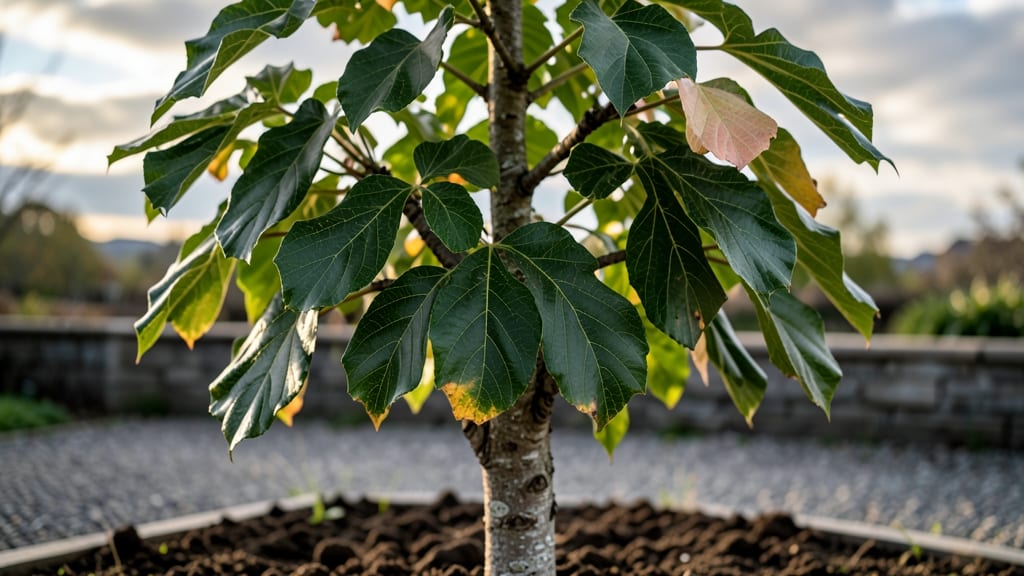
Persimmon tree leaves aren’t just autumn’s fiery show—they’re a free, nutrient-packed mulch that transforms soil health year-round. 🌿 I’ve used them for three seasons now, and my garden’s moisture retention and earthworm activity have never been better.
The leaves break down slower than oak or maple, releasing nutrients gradually without smothering roots.
Here’s the game-changer: just rake them into a thick layer (2–3 inches) around shrubs, perennials, or even vegetable beds. They suppress weeds, moderate soil temperature swings, and—when mixed with grass clippings—create a rich, crumbly compost within months. No fancy equipment needed, just patience and a leaf blower (or your feet).
📚 In This Guide
- What you need
- Instructions
- Tips and common mistakes
- Wrapping up and next steps
What you need
- ● Fresh or dried persimmon tree leaves – Collect at least 5–10 gallons (or ~2–3 large buckets) for noticeable soil benefits. Aim for healthy, pest-free leaves (avoid yellowed or diseased ones).
- ○ Garden gloves – A pair to protect your hands while handling leaves (optional but recommended!).
- ● Pruners or shears – For harvesting leaves safely from branches (if not already on the ground).
- ● A tarp or large plastic sheet – To collect and transport leaves easily (measure at least 4’x6’ for bulk gathering).
- ● Rake or leaf blower – To gather leaves efficiently from lawns or under trees.
- ○ Shredder or lawn mower – Optional but helpful for breaking leaves into ¼–½ inch pieces (speeds up decomposition!).
- ● Wheelbarrow or bucket – For hauling leaves to mulch piles or compost bins.
- ● Garden fork or pitchfork – To mix leaves into soil or compost layers.
- ● Compost starter – A handful of existing compost or worm castings to kickstart decomposition.
- ● Wood chips or straw – To layer with leaves for a balanced carbon-to-nitrogen ratio in compost.
- ● Soil test kit – To check your garden’s pH and nutrient levels before applying leaf mulch.
- ● Mulch spreader – For even distribution over large garden beds.
How to transform persimmon tree leaves into nutrient-rich mulch
Here's how I turn fallen persimmon leaves into a powerhouse soil amendment—no compost pile required.
🌿 Step 1: Collect and Dry the Leaves
Timing is everything here. Harvest leaves when they've fallen naturally in autumn, or gather them from the tree after they've yellowed and detached. Avoid wet leaves—they'll mold before you can use them. Spread a thin layer (½ inch thick) on tarps or a clean, dry surface in a shaded spot. Flip them every 2-3 days for 2-3 weeks until they're crispy and brittle. You'll know they're ready when they crumble easily between your fingers.
I like to process leaves in batches of 5-10 pounds at a time. This keeps the drying process manageable without overloading your workspace. If you're short on time, a fan on low speed speeds up drying by 20-30%, but avoid direct sunlight—it turns leaves to dust too quickly.
💧 Step 2: Shred or Chop the Dried Leaves
Use a sharp pair of pruners, a leaf shredder, or even a clean lawnmower to break the dried leaves into ½- to 1-inch pieces. Smaller pieces decompose faster and won't mat together when applied as mulch. I prefer a mix of sizes—some fine particles for quick nutrient release and larger chunks for structure. If you're using a shredder, wear a mask to avoid inhaling leaf dust, which can irritate lungs.
Here's the thing—don't skip this step. Whole dried leaves create a thick, impenetrable layer that blocks water and air from reaching the soil. Shredding ensures moisture and microbes can access the leaf material, turning it into mulch within 3-6 months. Store the shredded leaves in a dry, breathable container like a burlap sack until ready to use.
☀️ Step 3: Apply as Mulch Around Plants
Spread the shredded persimmon leaves in a 2- to 3-inch layer around the base of trees, shrubs, or garden beds. Keep the mulch 3-4 inches away from plant stems to prevent rot. Persimmon leaves break down slowly, so they won't smother smaller plants like faster-decomposing materials. Water the mulch lightly after applying to help it settle and begin the decomposition process.
This is where the magic happens. Persimmon leaves are rich in potassium and phosphorus, which improve root development and flower production. Over time, they'll create a spongy, nutrient-dense layer that retains moisture and suppresses weeds. Replenish the mulch layer every 6-12 months to maintain its benefits, especially in high-traffic garden areas.
✂️ Step 4: Refresh and Maintain the Mulch
Check your mulched areas every 3-4 months to ensure the layer remains 2 inches thick. If it's broken down significantly, add a fresh top layer of shredded persimmon leaves. Avoid piling mulch against trunks or stems, as this can trap moisture and invite pests or disease. Instead, create a slight depression around the base of plants to allow water to drain away.
Real talk: If you notice the mulch developing a foul odor, it's decomposing too quickly. This usually happens when the layer is too thick or the area stays too wet. In that case, mix in some coarse sand or perlite to improve aeration. Persimmon leaf mulch should smell earthy, not rotten—think fresh forest floor, not swamp.
Tips & tricks for perfect persimmon leaf mulch
Common pitfalls—and how to sidestep every one—when turning persimmon leaves into nutrient-rich mulch.
Timing Secret: The 2-3 week drying period in Step 1 is non-negotiable for crispy, mold-free leaves. I learned this the hard way after trying to rush the process—wet leaves will mold within 48 hours, no matter how thinly you spread them. If your climate is particularly humid, consider using a dehumidifier near your drying area to speed up the process safely. The crispy texture is your guarantee that decomposition will happen properly in the soil.
The Technique That Changed Everything: When shredding in Step 2, alternate between fine and coarse pieces for optimal results. The fine particles break down quickly, releasing nutrients immediately, while the larger chunks create structure that lasts through multiple growing seasons. I use a leaf shredder for most of the batch, then finish with pruners to create that perfect mix. This dual approach gives you the best of both worlds: fast nutrient release and long-term soil improvement.
Application Strategy: In Step 3, the 2-3 inch layer recommendation is ideal, but don't be afraid to adjust slightly based on your plants. For delicate perennials or newly planted shrubs, stick to the 2-inch minimum to avoid smothering. For hearty trees or established garden beds, you can safely go up to 4 inches. The key is maintaining that 3-4 inch clearance from stems—this prevents rot while still protecting roots from temperature fluctuations.
Maintenance Wisdom: The 3-4 month refresh schedule in Step 4 is perfect for most gardens, but pay attention to your specific conditions. In hot, dry climates, you might need to replenish every 2-3 months as the mulch breaks down faster. Conversely, in cooler or wetter regions, you could extend to 5-6 months between refreshes. Always check for that 2-inch thickness—this ensures consistent moisture retention and weed suppression throughout the growing season.
Pro Tips for Persimmon Tree Leaves
- Common pitfalls—and how to sidestep every one—when turning persimmon leaves into nutrient-rich mulch.
- Timing Secret: The 2-3 week drying period in Step 1 is non-negotiable for crispy, mold-free leaves.
- The Technique That Changed Everything: When shredding in Step 2, alternate between fine and coarse pieces for optimal results.
Frequently asked questions
Got questions about using persimmon tree leaves as mulch? You’re not alone! Here are answers to the most common queries—from timing to troubleshooting—to help you make the most of this natural soil booster.
When is the best time to collect persimmon tree leaves for mulch?
The ideal time is late fall or early winter, after leaves have fully matured but before they decompose. This ensures they’re dry, nutrient-rich, and free of pests. Avoid collecting wet or moldy leaves, as they can introduce disease to your soil.
How long does it take for persimmon leaves to break down as mulch?
Persimmon leaves decompose slower than most hardwood leaves due to their tougher texture. Expect them to break down fully in 6–12 months, depending on moisture and soil conditions. For faster results, chop them finely before applying.
Can I use persimmon leaves as mulch if I don’t have a persimmon tree?
While persimmon leaves are excellent, other disease-resistant leaves (like oak, maple, or hickory) work too. Just avoid leaves from fruit trees (e.g., apple or cherry) or those treated with pesticides. Always let them dry out first to prevent mold.
Will persimmon leaves attract pests or rodents?
Persimmon leaves are low-risk for pests if they’re dry and healthy. However, thick layers can harbor slugs or rodents if left too long. To prevent issues, keep mulch 2–3 inches thick and avoid piling it against tree trunks or structures.
Do persimmon leaves work well in hot or cold climates?
Yes! Persimmon leaves are versatile for most climates. In hot areas, they help retain moisture; in cold regions, they insulate roots. For extra protection in freezing temps, mix them with straw or pine needles for a cozy mulch blanket.
Wrapping up and next steps
From vibrant fall foliage to year-round mulch, persimmon tree leaves are a gardener’s secret weapon for soil health and sustainability! 🌿 Whether you’re composting, creating mulch, or enriching your garden beds, these leaves offer a free, nutrient-packed resource that reduces waste and boosts your plants’ growth.
Why not harness their power and give your garden the natural boost it deserves?
Ready to take the next step? Start by collecting a few handfuls of leaves this season—your soil (and wallet) will thank you! 🌱 Explore more tips or share your mulching wins with fellow green thumbs!