
Pruning
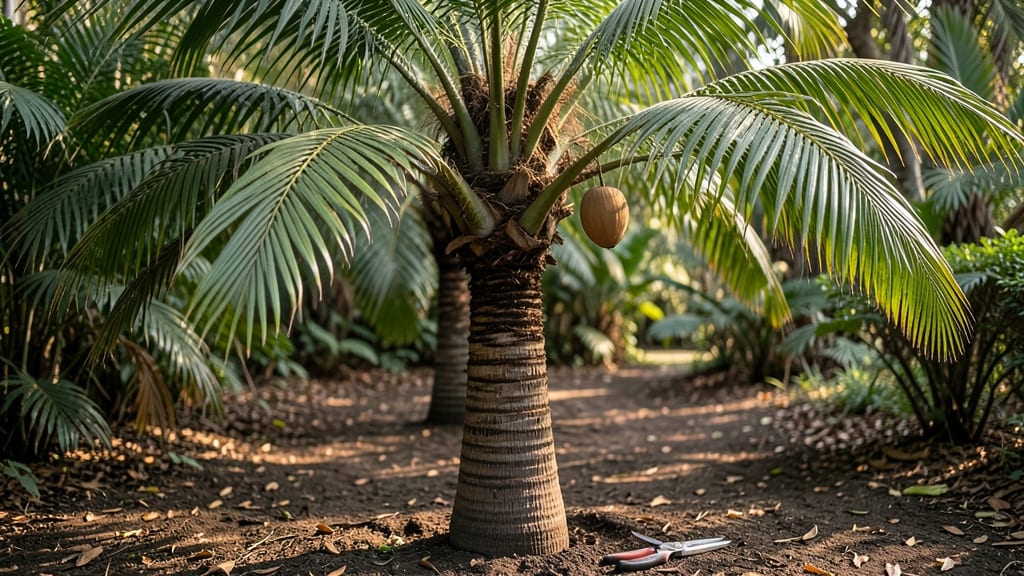
A thick palm tree isn’t just about height—it’s about that sturdy, almost sculptural trunk that makes a statement in your landscape. 🌴 I’ve pruned palms for over a decade, and the key to keeping them lush and structurally sound lies in seasonal trims, not just one big cut.
Most people wait until the tree looks "messy," but that’s when you risk stressing the plant—or worse, inviting pests into fresh wounds.
The secret isn’t complicated: four targeted prunings a year—light in spring, strategic in summer, cleanup in fall, and minimal in winter—keep your palm thriving without sacrificing its iconic shape. You’ll need sharp pruners, rubbing alcohol for sterilizing cuts, and a clear day to work (palms hate wet conditions).
The goal? Remove only what’s dead, damaged, or overcrowding the crown while preserving that thick, healthy trunk.
What you’ll end up with is a palm that looks bold and intentional, not scraggly or overgrown. The fronds stay vibrant, the trunk thickens with each season, and you avoid the "lazy pruning" look that turns palms into eyesores.
Plus, you’ll catch problems early—like fungal spots or pest activity—before they become major headaches.
This works for Canary Island palms, Mediterranean fans, or even your backyard Majesty—just adjust the timing slightly for your climate zone. Let’s get into the exact cuts to make, when to make them, and how to keep your palm looking like a million bucks year-round.
📚 In This Guide
- What you need
- Instructions
- Tips and common mistakes
- Wrapping up and next steps
What you need
- ● Pruning shears or lopers – Choose bypass shears (for clean cuts) or bypass lopers (for thicker fronds, 2–4 ft long). Spec: Heavy-duty, stainless steel blades (avoid anvil shears—they crush stems).
- ● Pole saw or pruning saw – For high fronds (6–12 ft reach). Spec: Telescoping pole with a curved or straight saw blade (10–14 inches).
- ● Heavy-duty gloves – Cut-resistant (ANSI A3/A4 rated) to protect against sharp frond edges and spines.
- ● Safety goggles – Impact-resistant (ANSI Z87.1) to shield from debris and sap.
- ○ Ladder or lift (optional but helpful) – Extension ladder (20–30 ft) or palm tree climbing spikes (if experienced). Spec: Non-slip, rated for 250+ lbs.
- ● Disposable pruning bags or tarp – 3–5 mil plastic bags or a canvas tarp (10x12 ft) to collect debris.
- ● Disinfectant (70% isopropyl alcohol or bleach solution) – 1 part bleach to 9 parts water for sterilizing tools between cuts.
- ● Rope or bungee cords – ¼-inch diameter, 20–30 ft long for securing fronds during removal.
- ● Chainsaw (for very large palms) – Pole-mounted chainsaw (if fronds exceed 15 ft). Spec: 14–16-inch bar, low-kickback chain.
- ● Harness or climbing gear – Only for experienced climbers; includes carabiners, ascenders, and a full-body harness.
- ● Pruning sealant – Tree wound dressing (like Tanglefoot) to coat large cuts (controversial—some experts say it’s unnecessary!).
- ● Wheelbarrow or dolly – For hauling heavy fronds to compost or disposal.
- ● First-aid kit – Include antiseptic wipes, bandages, and tweezers for minor injuries.
Step-by-Step guide for year-round palm tree pruning
Here's how to keep your palm tree lush and healthy through every season.
🌿 Step 1: Spring Cleanup and Growth Stimulation
Start by removing any dead or damaged fronds that survived winter. These are easy to spot—they'll be brown, brittle, and hanging limp. Use sharp pruning shears to cut them at the base, about 6-12 inches down the trunk, depending on how far down the damage extends. This prevents unsightly stubs and reduces disease risk.
Focus on fronds that are more than 50% brown. Healthy fronds should have vibrant green centers and only minor browning at the tips. I always prune from the bottom up—this lets sunlight reach the lower fronds and encourages even growth. After pruning, wipe your shears with rubbing alcohol to sterilize them between cuts.
Here's the thing—spring is also when you should remove any seed pods or flowers that appeared in late winter. While they might look pretty, they drain energy from the tree. Snip them off cleanly at the base without leaving any stubs. This redirects the palm's energy toward new frond production.
☀️ Step 2: Summer Maintenance and Pest Prevention
During summer's peak growth, check your palm weekly for signs of stress. Look for yellowing fronds or fronds that appear curled or spotted—these could signal fungal issues or pest infestations. Summer heat also makes palms more vulnerable to spider mites, so I inspect the undersides of fronds with a magnifying glass if I notice webbing.
Prune any fronds that show more than 25% discoloration during this season. Cut them back to the trunk or to a healthy section of the frond. Avoid removing too many fronds at once—never take more than 10% of the total fronds in a single session. This prevents shock and keeps the tree photosynthesizing efficiently.
Real talk: this is when people often over-prune. I've seen palms left with ugly bald spots because someone tried to "neaten" them up. Leave at least 3-4 healthy fronds at all times—they're the tree's food factories. If you're unsure, take a photo first and compare it to healthy reference images online.
✂️ Step 3: Fall Preparation for Winter Resilience
Fall is about prepping your palm for whatever winter throws at it. Start by removing all fronds that show any significant browning, even if they're not completely dead. These fronds won't recover and will only weigh down the tree during winter storms. Cut them back to clean lines about 12-18 inches down the trunk.
Pay special attention to the crown shaft—the area where the fronds meet the trunk. If you see blackened or mushy tissue here, it's a sign of rot. Cut back to expose fresh, green tissue. This prevents rot from spreading deeper into the trunk. I always wear gloves for this step—palm sap can irritate skin.
This is also when I do my annual check for palm weevil larvae. Look for small holes in the trunk or frass (sawdust-like droppings) at the base. If you find evidence, treat immediately with systemic insecticide. Prevention is key—once weevils get established, they're nearly impossible to eradicate.
⏰ Step 4: Winter Dormancy Support and Light Trimming
Winter pruning should be minimal—just remove any fronds that are completely dead or pose a safety hazard. Focus on fronds that are crispy and hollow-sounding when tapped. These won't recover and could break in winter storms. Cut them back to the trunk or to a healthy section, making clean cuts at a 45-degree angle to prevent water pooling.
Here's where it gets tricky: don't remove any green fronds unless they're clearly dying. The palm needs all the foliage it can get to photosynthesize during short winter days. I only make exceptions for fronds that are completely blackened or have large dead sections that could attract pests.
After pruning, give your palm a light application of palm fertilizer if your climate has freezing nights. The goal is to support root health without encouraging new growth that would be vulnerable to cold. Water deeply but infrequently—palms need less water in winter when growth slows.
Tips & tricks for perfect palm tree pruning
These simple tricks will help you maintain a healthy, vibrant palm tree all year long without overdoing it.
Seasonal Pruning Strategy: In Step 1 during spring, focus on removing only those fronds that are more than 50% brown—this ensures you're not stripping the tree of its essential foliage too soon. The bottom-up approach in Step 1 isn't just about aesthetics; it allows sunlight to reach lower fronds, which stimulates new growth from the base. Think of it like giving your palm a natural haircut that encourages healthy regrowth from the roots.
Pest Prevention Tip: In Step 2, when checking for spider mites, don't just look at the top of fronds—flip them over! That's where mites love to hide. I've seen palms with severe infestations where the tops looked fine, but the undersides were covered in webbing. A handheld magnifying glass makes this inspection much easier, and it's a small investment that pays off with a healthier tree.
Fall Rot Rescue: When you notice blackened or mushy tissue in the crown shaft during Step 3, don't hesitate to cut back aggressively. This might seem drastic, but exposing fresh green tissue stops rot from spreading deeper into the trunk. I've seen palms saved from fatal infections simply by making this bold cut—it's better to remove a little too much than risk losing the whole tree.
Winter Watering Wisdom: During Step 4, remember that palms need less water in winter. The key is deep, infrequent watering—this encourages roots to grow deeper in search of moisture, making your palm more resilient. I always check soil moisture by sticking my finger about 2 inches down; if it's dry, it's time to water. Overwatering in winter is a common mistake that leads to root rot.
Pro Tips for Thick Palm Tree
- These simple tricks will help you maintain a healthy, vibrant palm tree all year long without overdoing it.
- Seasonal Pruning Strategy: In Step 1 during spring, focus on removing only those fronds that are more than 50% brown—this ensures you're not stripping the tree of its essential foliage too soon.
- Pest Prevention Tip: In Step 2, when checking for spider mites, don't just look at the top of fronds—flip them over!
Frequently asked questions
Got questions about keeping your thick palm tree thriving with seasonal pruning? Here are answers to the most common concerns—so you can trim with confidence year-round!
When is the best time to prune a thick palm tree?
The ideal time depends on your climate, but late winter to early spring (just before new growth) is best for most regions. In warmer areas, prune after heavy storms or when fronds turn brown. Avoid pruning during extreme heat or cold—stress weakens the tree. Pro tip: If your palm blooms, time pruning to follow flowering to reduce stress.
How do I safely prune thick palm fronds without damaging the tree?
Use a sharp, clean pruning saw or pole pruner to cut fronds at the base of the trunk, leaving a small stub (about 1 inch). Never leave long stubs—they can rot. Wear gloves and eye protection, as fronds can be razor-sharp! Warning: Thick palms like Sabal or Roystonea may require a two-person job for heavy fronds.
What should I do with the pruned fronds?
Remove all dead or diseased fronds immediately to prevent pests/fungus. Healthy fronds can be composted, mulched, or repurposed (e.g., palm leaf crafts). Never leave pruned debris piled near the tree—it attracts pests. For large quantities, check local waste services for green waste disposal options.
My palm tree has brown fronds—should I cut them now?
Only prune completely brown, dry fronds—they’re dead and drain energy. If fronds are partially brown (e.g., from storm damage), wait to see if they recover. Red flags: Yellowing fronds with black spots = fungal disease (prune infected areas last to avoid spreading spores). Always sterilize tools between cuts!
Can I prune a thick palm tree in all four seasons?
Yes, but adjust your approach:
- Spring/Summer: Focus on dead fronds and shape—ideal for active growth.
- Fall: Light pruning only; avoid heavy cuts before winter dormancy.
- Winter: Prune only if fronds are damaged by frost/storms (avoid in freezing temps).
Wrapping up and next steps
Pruning your thick palm tree isn’t just about aesthetics—it’s a year-round commitment to its health and longevity! 🌿 By mastering the four seasonal trims, you’ll ensure strong growth, pest resistance, and stunning foliage.
Whether you’re a seasoned gardener or just starting, consistency is key—so grab those pruning tools and get ready to give your palm the care it deserves.
Your next step? Schedule your first trim—spring is the perfect time to start! Study your palm’s unique needs, gather your supplies, and dive in with confidence. Every snip is a step toward a thriving, showstopping tree that’ll be the envy of your neighborhood. Happy pruning! ✂️✨