
Pruning
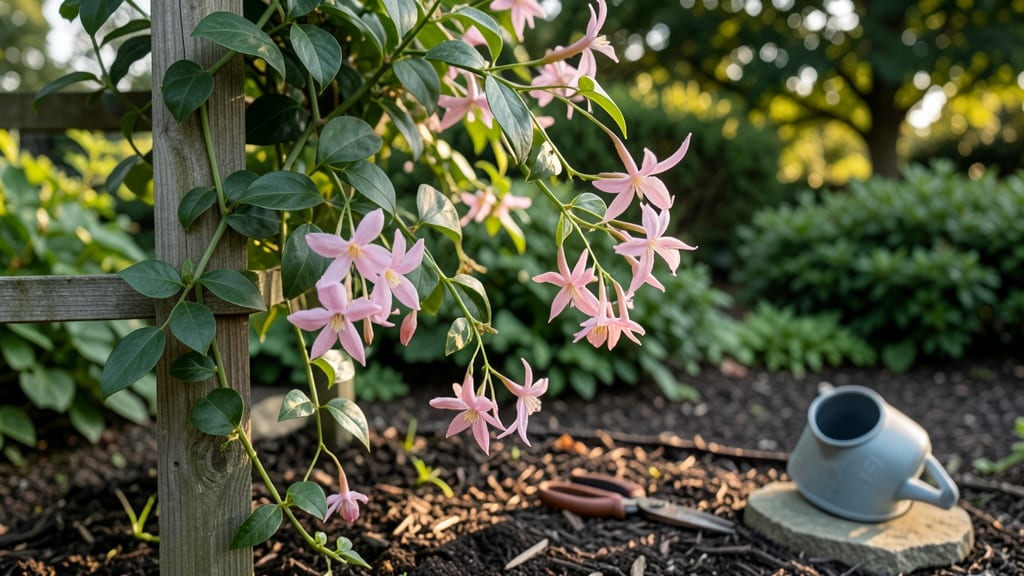
Your pink jasmine tree could be the fragrant centerpiece of your garden—if you prune it right. 🌿 I’ve turned my once-tangled jasmine into a lush, blooming masterpiece by mastering the timing and technique. The secret isn’t cutting back hard—it’s shaping growth for year-round beauty without sacrificing those intoxicating blossoms.
This evergreen climber thrives with minimal fuss: 6+ hours of sunlight daily, well-draining soil, and moderate watering (drought-tolerant once established). Pruning isn’t just about aesthetics—it’s about encouraging dense foliage and nonstop blooms from spring through fall. The key? Light trims after flowering, not heavy cuts that shock the plant.
You’ll end up with a velvety-green cascade of leaves and clusters of pink, star-shaped flowers that perfume the air. Even better, it’s beginner-proof: no special tools needed, just sharp shears and a little patience. Let’s get those branches looking intentional!
Works for trellises, containers, or ground covers—adjust pruning intensity based on your space. Here’s how to keep it thriving season after season.
📚 In This Guide
- What you need
- Instructions
- Tips and common mistakes
- Wrapping up and next steps
What you need
- ● Pruning shears: Bypass pruners (for small branches, ¼"–½" thick)
- ● Loppers: 1 pair (for medium branches, ½"–1½" thick)
- ● Pruning saw: 1 (for thick branches, 1½"+ thick)
- ● Gloves: Heavy-duty, cut-resistant (to protect from thorns)
- ● Disinfectant: 70% isopropyl alcohol or bleach solution (1 part bleach to 9 parts water)
- ○ Pruning sealant: Optional (for large cuts, 3–4 oz bottle)
- ● Ladder or step stool: Tall enough to reach the tree’s canopy safely
- ● Trash bags or bucket: For collecting pruned branches (5–10 gallon capacity)
- ○ Sharpie or tape: For marking branches to remove (optional)
- ● Weather check: Prune on a dry, calm day (avoid rain for 24–48 hours)
- ● Safety glasses: 1 pair (to shield eyes from debris)
- ● Long sleeves/pants: Protective clothing (jasmine thorns are sharp!)
- ● First-aid kit: Basic supplies (bandages, antiseptic wipes)
- ● Water & snacks: Hydration breaks are key—pruning can take hours!
How to prune a pink jasmine tree for lush, year-round growth
Here's the precise method I use to keep my pink jasmine thriving—no guesswork, just strategic cuts.
✂️ Step 1: Prune for Structure in Late Winter
Start your pruning 2-3 weeks before your last frost date when the tree is still dormant. This is when you shape the basic framework—remove 1/3 of the oldest, thickest branches to encourage new growth. I always begin by cutting back any dead, diseased, or crossing branches first; these are the easiest to spot and remove without hesitation.
Look for branches thicker than a pencil—these are your structural limbs. Use clean, sharp pruning shears to make 45-degree cuts just above a leaf node or outward-facing bud. This angle prevents water from pooling and promotes faster healing. If you're unsure which direction to cut, imagine the branch growing outward from the trunk—your cut should follow that natural growth pattern.
🌿 Step 2: Encourage Blooms in Early Spring
Once new growth appears—around late March or early April—focus on light pruning to stimulate flowering. Pink jasmine blooms on new wood, so you want to encourage fresh, vigorous shoots. Trim back any overly long or leggy branches by one-third of their length, cutting just above a set of leaves or a bud.
Here's the thing—avoid heavy pruning now. You're not trying to reshape the tree; you're simply encouraging it to produce more flowers. Watch for small, green buds forming along the branches—these are your signal that the tree is responding well. If you see any branches growing inward or rubbing against each other, remove them completely to prevent future damage.
☀️ Step 3: Maintain Shape and Airflow During Summer
Mid-summer is all about light maintenance pruning—think of it as a trim rather than a major overhaul. Remove any spent flowers (deadheading) to encourage more blooms, and trim back any branches that are growing too long or blocking sunlight from reaching the center of the tree. This keeps airflow circulating and reduces the risk of fungal diseases.
I like to do this on a dry, sunny afternoon when the tree is fully hydrated. Use bypass pruners for smaller branches and loppers for anything thicker than your wrist. Always make your cuts just above a leaf node or bud, and avoid cutting into old wood—this can stunt future growth. If you're unsure, err on the side of caution and leave a branch rather than risk damaging the tree.
⏰ Step 4: Light Pruning for Winter Preparation
In late fall, after the first frost but before the ground freezes, give your pink jasmine a final light pruning. This isn't about shaping—it's about removing any dead, diseased, or weak growth that could harbor pests or fungi over winter. Focus on cleaning up the tree rather than making drastic changes.
Look for branches that have yellowed leaves, bare spots, or signs of damage. These are the ones to remove completely. For thicker branches, use sharp pruning saws to make clean cuts. Avoid pruning too late in the season—you don't want new growth to sprout and get damaged by frost. If you're in a colder climate, wait until after the last hard freeze before doing any final trimming.
🌱 Step 5: Year-Round Monitoring and Adjustments
Pruning isn't just a seasonal task—it's an ongoing process. Throughout the year, keep an eye out for suckers (shoots growing from the base of the tree) and remove them promptly. These can drain energy from your main plant. Also, watch for any branches that are growing too close together or rubbing against each other—these should be trimmed back to prevent damage.
I check my tree every 4-6 weeks during the growing season to ensure it's staying healthy. If you notice any unusual leaf discoloration, wilting, or pests, address it immediately. Sometimes, the best pruning decision is to leave a branch alone—trust your tree's natural shape and only intervene when necessary. Over-pruning can stress the plant and reduce flowering, so always err on the side of caution.
Tips & tricks for perfect pink jasmine tree pruning
Real talk: Your pink jasmine won't just survive pruning—it'll thrive if you nail these strategic details. Here's what nobody tells you about keeping your tree lush year-round.
Seasonal Timing is Everything: The 2-3 weeks before your last frost date isn't just a window—it's the perfect moment when your tree's dormant state makes structural pruning most effective. I learned this the hard way after accidentally pruning too early in a mild winter and triggering premature growth that got frostbitten. Check your local frost dates and mark your calendar accordingly. For early spring pruning (around late March/early April), wait until you see those first green buds pushing through—this signals your tree is ready for bloom stimulation.
Cutting Technique Matters More Than You Think: That 45-degree angle when pruning structural branches isn't arbitrary—it's about water runoff and healing. Imagine the branch growing outward from the trunk, then make your cut following that natural growth pattern. For thicker branches, use a sharp pruning saw to avoid tearing the bark. I always clean my tools with rubbing alcohol between cuts to prevent disease transfer. Pro tip: If you're cutting a branch thicker than your wrist, make your cut just outside the branch collar (that swollen area where the branch meets the trunk) to promote faster healing.
Summer Maintenance Prevents Winter Problems: During mid-summer's light maintenance pruning, focus on two critical things: deadheading spent flowers (which encourages more blooms) and improving airflow to the center of the tree. I've seen fungal diseases take hold in dense, shaded areas where branches block sunlight. When you're trimming, hold each branch up to the light—if you can't see through the center, it's time to thin out some growth. And always prune on dry, sunny afternoons when the tree is fully hydrated—this helps prevent stress on the plant.
Winter Cleanup is About Prevention: That final light pruning in late fall isn't just about aesthetics—it's your tree's insurance policy against winter pests and diseases. Look for branches with yellowed leaves or bare spots; these are energy drains and potential pest habitats. For thicker branches, make clean cuts just above a bud or leaf node. Remember, you're not shaping the tree now—you're preparing it for dormancy. In colder climates, wait until after your last hard freeze before doing any final trimming to avoid stimulating new growth that could get damaged.
Pro Tips for Pink Jasmine Tree
- Real talk: Your pink jasmine won't just survive pruning—it'll thrive if you nail these strategic details.
- Seasonal Timing is Everything: The 2-3 weeks before your last frost date isn't just a window—it's the perfect moment when your tree's dormant state makes structural pruning most effective.
- Cutting Technique Matters More Than You Think: That 45-degree angle when pruning structural branches isn't arbitrary—it's about water runoff and healing.
Frequently asked questions
Got questions about keeping your pink jasmine tree (Jasminum polyanthum) lush and vibrant? Here are some of the most common queries—and their answers—to help you prune like a pro!
When is the best time to prune my pink jasmine tree?
The ideal time to prune is late winter or early spring (just before new growth starts). This ensures you remove dead or weak branches while encouraging healthy blooms. Light trimming can also be done after flowering to maintain shape. Avoid heavy pruning in fall—it may stimulate tender growth that won’t survive winter.
How much can I trim back my pink jasmine tree?
You can safely trim up to one-third of the plant’s height in a single session. For vigorous growth, cut back old wood (last year’s stems) by about half to encourage new, flowering branches. Avoid over-pruning—this can stress the tree and reduce blooms. Pro tip: Use sharp, sterilized shears for clean cuts!
Will pruning my pink jasmine tree reduce its flowers?
Not if done correctly! Pruning stimulates new growth, which often means more blooms. The key is to remove dead, crossing, or overcrowded branches first. Focus on open-centered pruning to improve airflow and sunlight exposure—both of which boost flowering. Just avoid cutting back too late in the season (after summer).
Why isn’t my pink jasmine tree blooming after pruning?
Several factors could be at play:
- Improper timing: Pruning too late (after summer) may delay blooms.
- Over-pruning: Cutting back too aggressively can shock the tree.
- Lack of sunlight: Pink jasmine needs 6+ hours of sun daily.
- Nutrient deficiency: Feed with a balanced fertilizer in early spring.
Can I grow pink jasmine in containers, and how does pruning differ?
Pink jasmine thrives in containers but requires more frequent pruning to control size. Use dwarfing root balls and prune monthly to shape it. Since container-grown plants have limited space, focus on removing spent flowers and leggy growth to encourage bushiness. Pro tip: Repot every 2–3 years for better health!
Wrapping up and next steps
The pink jasmine tree thrives on care and patience—your strategic pruning efforts will reward you with abundant blooms and lush growth year after year! 🌸 By mastering the right techniques (timing, tools, and shaping), you’ll keep your tree healthy, vibrant, and full of fragrance.
Now that you’re armed with the know-how, grab those pruners and get trimming!
Ready to elevate your garden? Start small:
- Pick one branch to practice your cuts.
- Schedule a seasonal check-in (spring or early fall) to refine your skills.
- Share your progress—tag us in your before-and-after pics! 📸