
Pruning
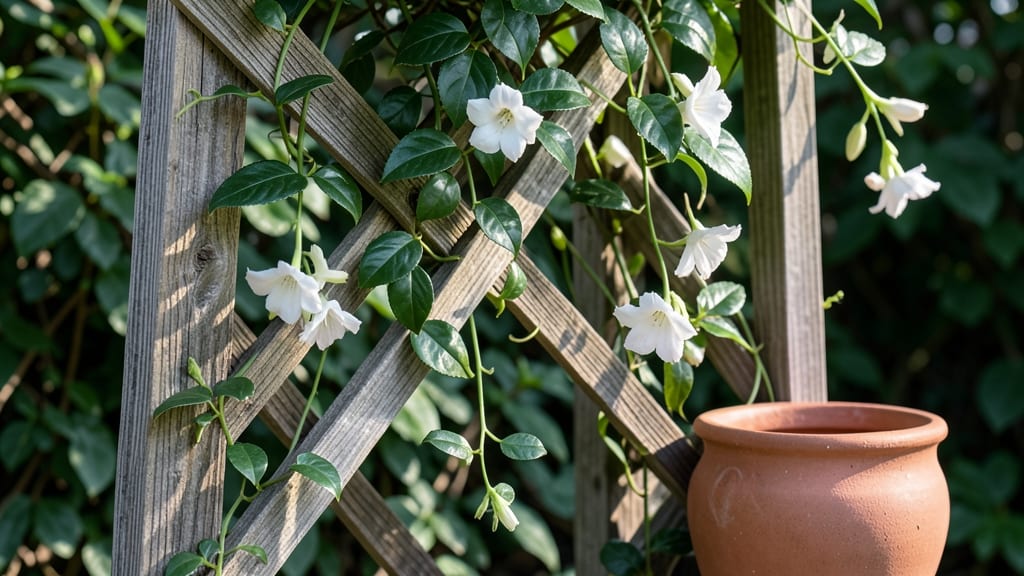
Nothing beats that intoxicating jasmine scent wafting through your backyard at dusk. ✨ Growing a jasmine tree outdoors isn’t just about the beauty—it’s about creating a fragrant sanctuary that lasts all year with just four simple trims.
My first jasmine nearly died from over-pruning, but now it’s a thriving, fragrant centerpiece that neighbors envy.
The secret starts with the right spot: partial shade in hot climates, morning sun in cooler areas, and well-draining soil that mimics its native woodland edges. Most jasmine varieties thrive in USDA zones 7-10, but with winter protection, you can push them into zone 6.
The key is patience—jasmine grows slowly but rewards you with year-round blooms if you prune correctly.
You’ll end up with a tree that smells like a tropical vacation, even in your own yard. The dark green leaves stay glossy, the vines climb gracefully, and the tiny white flowers release their perfume at night—perfect for evening lounging.
With just four seasonal trims, you’ll keep it compact, encourage blooms, and prevent those messy tangles that make jasmine look unkempt.
Works for trellises, arbors, or even as a small tree—just give it space to grow. The best part? Even if you’ve killed plants before, jasmine is foolproof once you learn its rhythm. Let’s get yours thriving.
📚 In This Guide
- What you need
- Instructions
- Tips and common mistakes
- Wrapping up and next steps
What you need
- ● Pruning shears – Sharp, bypass-style shears (4-6" blade) for clean cuts. (1 pair)
- ● Hand pruners – For smaller branches (3-5" blade). (1 pair)
- ● Loppers – For thicker branches (up to 2" diameter). (1 pair)
- ● Gloves – Heavy-duty, gardening-grade gloves (cut-resistant). (1 pair)
- ● Disinfectant – 70% isopropyl alcohol or rubbing alcohol (for sterilizing tools). (1 small bottle)
- ○ Pruning sealant – Optional but recommended for large cuts (e.g., Tanglefoot Tree Wound Pruning Seal). (1 tube)
- ● Bucket or trash bag – For collecting pruned branches. (1)
- ● Watering can or hose – To hydrate the tree post-pruning. (1)
- ● Extension pole – For high branches (6-10 ft). (1)
- ● Safety glasses – Protects eyes from debris. (1 pair)
- ● Tree tie or zip ties – For supporting weak branches. (Small pack)
- ● Fertilizer – Balanced, slow-release (e.g., 10-10-10 NPK). (1 bag)
- ● Mulch – Organic mulch (e.g., shredded bark) to retain moisture. (5-10 gallons)
Step-by-Step instructions for planting and pruning a jasmine tree outdoors
Here's how to establish a fragrant, low-maintenance jasmine tree that thrives year-round.
🌱 Step 1: Choose the Perfect Planting Spot and Prepare the Soil
Jasmine trees love full sun to partial shade—at least 6 hours of direct sunlight daily for optimal flowering. I always pick a location near a patio or bedroom window so you can enjoy the scent up close. The soil should drain well but retain moisture; jasmine roots hate soggy conditions.
Dig a hole twice as wide as the root ball but only as deep. Loosen the sides of the hole with your hands or a trowel to encourage root spread. Mix the excavated soil with 2 inches of compost (from your materials list) to improve fertility. The goal is loose, airy soil that won’t compact around the roots.
🪴 Step 2: Plant and Water for Immediate Stability
Gently remove the jasmine from its container and loosen any circling roots with your fingers. Place it in the hole so the top of the root ball sits 1 inch above ground level—this prevents water from pooling at the stem. Fill around the roots with your amended soil, pressing lightly to eliminate air pockets.
Water deeply right after planting—1 gallon per foot of tree height—to settle the soil and encourage root contact. You’ll know it’s enough when water runs out the drainage holes but stops dripping within 5-10 minutes. Mulch the base with 2-3 inches of organic mulch (like shredded bark) to retain moisture and regulate soil temperature.
✂️ Step 3: First Pruning to Encourage Bushiness
Wait until spring, after the last frost, for the first pruning. Cut back any dead or crossing branches with clean, sharp pruners—just above a leaf node at a 45-degree angle to promote healing. Remove no more than 25% of the foliage at once; jasmine trees respond best to gradual shaping.
Here’s the thing—jasmine blooms on new wood, so pruning too early in the season can reduce flowers. Look for 3-4 sets of leaves on each branch before cutting. After pruning, water the base to help the tree recover. You’ll see fresh growth within 2-3 weeks—that’s your signal it’s thriving.
☀️ Step 4: Seasonal Trims for Year-Round Fragrance
After the first flush of spring blooms, give your jasmine a light shaping trim to maintain its form. Focus on removing overly long branches that spoil the tree’s natural shape. Jasmine grows fast, so prune again in early summer to encourage a second round of flowers before fall.
In late winter, just before buds swell, do a final light prune to remove any dead or weak growth. Avoid heavy cuts now—jasmine needs its energy to push new growth for spring blooms. Water once a month during dry spells, but never let the soil stay soggy. A mature jasmine tree will reward you with fragrant blooms from late spring through fall if cared for this way.
Tips & tricks for perfect jasmine tree outdoor planting and pruning
A few simple strategies that'll keep your jasmine thriving and fragrant for years to come.
Sunlight Strategy: While jasmine loves that 6 hours of direct sunlight daily, morning sun with afternoon shade works best in hot climates. If you notice leaves scorch after Step 1, move your tree to a spot with more afternoon shade. The goal is to balance fragrance production with leaf health—jasmine can handle partial shade but may bloom less.
Soil Preparation Insight: When mixing your 2 inches of compost in Step 1, consider adding a handful of perlite or coarse sand to improve drainage. Jasmine roots are sensitive to soggy conditions, and this simple amendment prevents root rot while keeping the soil airy. I've seen jasmine trees in containers thrive with this extra drainage boost.
Watering Wisdom: That 1 gallon per foot of tree height in Step 2 should be done slowly to avoid runoff. I like to use a soaker hose or watering wand to deliver moisture directly to the root zone. The 5-10 minutes for drainage check is crucial—if water pools, you're risking root suffocation. A moisture meter can help gauge when it's time to water again.
Pruning Precision: For the spring pruning in Step 3, look for those 3-4 sets of leaves as your guide. I always make my cuts just above a leaf node at a 45-degree angle—this creates a larger wound surface that heals faster. Using clean, sharp pruners prevents tearing, which can introduce disease. And remember, those 2-3 weeks for new growth are your reward for patience.
Pro Tips for Jasmine Tree Outdoor
- A few simple strategies that'll keep your jasmine thriving and fragrant for years to come.
- Sunlight Strategy: While jasmine loves that 6 hours of direct sunlight daily, morning sun with afternoon shade works best in hot climates.
- Soil Preparation Insight: When mixing your 2 inches of compost in Step 1, consider adding a handful of perlite or coarse sand to improve drainage.
Frequently asked questions
Got questions about growing a fragrant jasmine tree outdoors?
You’re not alone! Here are answers to the most common concerns—from planting to pruning—so your jasmine thrives year-round.
What’s the best time to plant a jasmine tree outdoors?
Plant your jasmine in early spring or fall when temperatures are mild (50–75°F). Avoid extreme heat or frost—jasmine roots are sensitive! If you must plant in summer, water deeply daily for the first 2 weeks to help it establish. Pro tip: Choose a spot with 6+ hours of sunlight for optimal blooms.
How often should I trim my outdoor jasmine tree?
Trim 2–3 times a year for healthy growth:
- Early spring (before buds form): Shape the tree and remove dead/diseased branches.
- After blooming (late spring/early summer): Light pruning to encourage new flowers.
- Light maintenance (fall): Clean up debris and trim overgrowth.
Can I grow jasmine in a pot outdoors, or does it need to be planted in the ground?
Yes! Jasmine thrives in containers if you:
- Use a large pot (15+ gallons) with drainage holes.
- Plant in well-draining soil (mix potting soil with perlite).
- Move it indoors or to a sheltered spot in winter if temps drop below 20°F.
Why isn’t my jasmine tree blooming, even though it’s healthy?
Common reasons (and fixes!):
- Too much shade: Jasmine needs sunlight (4–6 hours/day) to bloom.
- Over-fertilizing: Too much nitrogen = leafy growth, fewer flowers. Use a balanced 10-10-10 fertilizer lightly in spring.
- Pruning at the wrong time: Avoid heavy cuts after mid-summer—jasmine blooms on old wood.
- Stress (drought/waterlogging): Keep soil consistently moist but not soggy.
Are there any natural pest or disease problems I should watch for?
Jasmine is generally tough, but watch for:
- Spider mites: Yellowing leaves + webbing? Spray with neem oil or water leaves daily.
- Scale insects: Sticky residue on leaves? Scrape off with a soft brush or use insecticidal soap.
- Root rot: Overwatering causes yellow leaves. Ensure well-draining soil and water only when top 1–2 inches are dry.
- Powdery mildew: White powder on leaves? Improve airflow and spray with baking soda solution (1 tsp/L water).
Wrapping up and next steps
Transforming your outdoor space into a fragrant haven with a jasmine tree is simpler than you think!
With just four easy trims a year, you can enjoy lush growth and intoxicating blooms—no green thumb required. 🌿✨ Whether you’re pruning for shape, health, or fragrance, these steps keep your jasmine thriving while saving you time and effort.
Ready to take the next step? Grab your shears and schedule your first trim this season! Your garden—and your nose—will thank you. 🌸💚