
Container Gardens
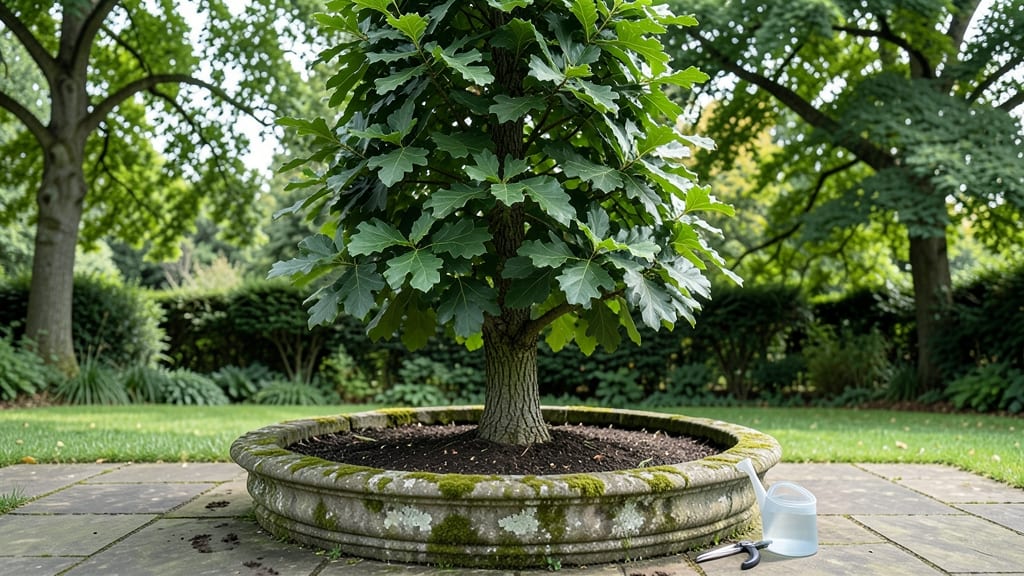
A potted oak tree brings timeless grace to patios and small yards—if you pick the right species and give it the care it deserves.
I’ve grown dwarf oaks in containers for years, and the key isn’t just the pot size but the soil mix, watering rhythm, and that just-right balance of sun and shade.
Most people assume oaks are too big for containers, but with the right approach, you can keep one thriving for decades.
The secret starts with dwarf oak varieties like ‘Green Velvet’ or ‘Dwarf Bur Oak,’ which stay under 10 feet tall even in ideal conditions.
You’ll need a 20- to 30-gallon container with drainage holes, a well-draining soil blend (equal parts potting mix, perlite, and compost), and a spot with at least 6 hours of morning sun.
Watering’s the tricky part—oaks hate soggy roots but also dry spells, so check the top inch of soil weekly and adjust based on heat and humidity.
By summer’s end, your oak will reward you with deep green, lobed leaves and a sturdy trunk that feels like a miniature forest in a pot. Prune lightly in late winter to shape it, and fertilize once in spring with a slow-release formula.
The best part? These trees outlive most annuals, becoming a living heirloom that grows with you—even in a tiny yard.
Challenges like root-bound issues or winter chill can pop up, but with the right adjustments—like repotting every 2-3 years and wrapping the pot in burlap for cold snaps—your oak will thrive.
Whether you’re a balcony gardener or a small-space enthusiast, this slow-growing beauty proves you don’t need acres to grow something extraordinary.
📚 In This Guide
- What you need
- Instructions
- Tips and common mistakes
- Wrapping up and next steps
What you need
- ● Container: A durable, well-draining pot (12–18 inches in diameter for a young oak, with drainage holes). Opt for terracotta, ceramic, or high-quality plastic.
- ● Potting Soil: A high-quality, well-draining mix (60% potting soil, 30% perlite or pumice, 10% compost). Avoid garden soil—it compacts and suffocates roots!
- ● Oak Seedling or Sapling: Choose a slow-growing variety like White Oak (Quercus alba) or Bur Oak (Quercus macrocarpa), ideally 1–3 years old.
- ● Mulch: Organic mulch (e.g., shredded bark or pine needles) to retain moisture and regulate soil temperature.
- ● Gloves & Pruners: For handling roots and trimming (sterilize pruners with rubbing alcohol).
- ● Trowel or Spade: For planting and soil adjustments.
- ● Watering Can or Hose: With a gentle spray nozzle for even hydration.
- ○ Fertilizer (Optional): A balanced, slow-release fertilizer (10-10-10 or oak-specific formula) applied spring and fall.
- ○ Support Stakes (Optional): If your oak is top-heavy, use 2–3 stakes and soft ties to prevent tipping.
Step-by-step guide for growing a thriving potted oak tree
Here's how to nurture a graceful oak tree in containers with confidence.
🪴 Step 1: Select the Right Container and Soil Mix
Choose a container at least 24 inches deep and 30 inches wide—oaks need room for their extensive root systems. I recommend a fiberglass or heavy plastic pot with drainage holes to prevent root rot. The soil mix must be well-draining yet moisture-retentive; blend 60% high-quality potting soil, 30% perlite, and 10% compost for the best balance. Avoid garden soil—it compacts and suffocates roots.
Fill the pot to 2 inches from the rim, leaving space for watering. Tap the container gently on the ground to settle the mix without compacting it. Oak roots are sensitive to waterlogged conditions, so this layering ensures proper aeration. If your pot lacks drainage, add a 2-inch layer of gravel at the bottom first.
🌱 Step 2: Plant Your Oak Sapling with Care
Select a 1-3 year-old sapling with a sturdy trunk and healthy root ball. Remove the tree from its nursery container and gently loosen the roots if they’re tightly bound. Position the sapling in the center of the pot so the top of the root ball sits 1-2 inches below the rim—this prevents soil erosion during watering.
Backfill with your prepared soil mix, pressing lightly around the roots to eliminate air pockets. Water thoroughly until it drains from the bottom holes. Oak trees hate disturbance, so avoid moving the pot for at least 2 weeks after planting. If you notice the trunk leaning, gently straighten it before the soil sets.
☀️ Step 3: Position for Sunlight and Monitor Growth
Place your potted oak in a location with full sun exposure (6+ hours daily)—they thrive in bright, indirect light but can handle 2-3 hours of direct afternoon sun in hotter climates. If indoors, position near a south-facing window or supplement with a grow light for 12-14 hours daily. Leggy growth or pale leaves mean it’s not getting enough light.
Water deeply once a week during the growing season, allowing the top 2-3 inches of soil to dry out between waterings. In winter, reduce to every 2-3 weeks, as growth slows. Overwatering is the fastest way to kill a potted oak—yellowing leaves or mushy roots are red flags. Use a moisture meter if unsure.
✂️ Step 4: Prune and Fertilize for Long-Term Health
Prune in late winter or early spring before new growth begins. Remove any dead, diseased, or crossing branches with clean, sharp pruners, cutting just above a outward-facing bud. Avoid heavy pruning—oaks respond poorly to aggressive trimming. Thin the canopy by no more than 25% in a single session to maintain vigor.
Fertilize once in early spring with a slow-release, balanced 10-10-10 fertilizer applied at half the recommended rate. Over-fertilizing leads to salt buildup in the soil, which can burn roots. Mulch the soil surface with 2 inches of organic mulch (like bark chips) to retain moisture and regulate temperature. Replenish the mulch annually.
Tips & tricks for perfect potted oak tree care
Even the most patient gardener can run into snags with container-grown oaks—here’s how to avoid them.
Container Selection Matters: While the instructions specify a 24-inch deep pot, I’ve found that adding a 2-inch layer of expanded clay pebbles at the bottom (on top of gravel if needed) improves drainage even further. This extra layer prevents water from pooling at the roots, which is especially critical in hotter climates where evaporation rates increase. Oak roots are unforgiving when it comes to soggy conditions, so don’t skip this step—it’s the difference between a thriving tree and one that struggles.
Root Ball Positioning: When planting your sapling, the top of the root ball should sit 1-2 inches below the rim as instructed, but here’s what nobody tells you—use a level tool to ensure the pot sits perfectly straight. Uneven positioning can cause water to pool on one side, leading to root rot. I’ve seen saplings lean slightly after planting, so take that extra minute to adjust before the soil sets. Trust me on this: a straight pot equals happier roots.
Sunlight Strategy: The instructions mention 6+ hours of full sun daily, but here’s the nuance: if you’re in a high-rise apartment or have east-facing windows, supplement with a full-spectrum LED grow light for those 12-14 hours daily during winter months. Oak leaves will yellow if they don’t get enough light, and reversing that damage takes months. I keep a timer on my grow light to avoid overdoing it—oaks appreciate consistency more than intensity.
Watering Wisdom: The top 2-3 inches of soil drying out between waterings is a great rule, but here’s how to put it into practice: stick your finger into the soil—if it feels dry up to your first knuckle, it’s time to water. If you’re unsure, use a moisture meter (they’re cheap and save trees). Overwatering is the silent killer of potted oaks, so when in doubt, wait another day. I’ve lost count of how many saplings I’ve revived by simply letting them dry out more than I thought they needed.
Pro Tips for Potted Oak Tree
- Even the most patient gardener can run into snags with container-grown oaks—here’s how to avoid them.
- Container Selection Matters: While the instructions specify a 24-inch deep pot, I’ve found that adding a 2-inch layer of expanded clay pebbles at the bottom (on top of gravel if needed) improves drainage even further.
- Root Ball Positioning: When planting your sapling, the top of the root ball should sit 1-2 inches below the rim as instructed, but here’s what nobody tells you—use a level tool to ensure the pot sits perfectly straight.
Frequently asked questions
Got questions about keeping a potted oak tree thriving in your small space? You’re not alone! Here are some of the most common concerns—and their solutions—to help you grow with confidence.
How often should I water my potted oak tree?
Water your potted oak when the top 1-2 inches of soil feel dry. Oaks in containers dry out faster than in-ground trees—typically every 5-7 days in summer or every 2-3 weeks in winter. Pro tip: Use a moisture meter or stick your finger in the soil to avoid over- or under-watering.
Can I keep a potted oak tree indoors year-round?
While some dwarf oak varieties tolerate bright indoor spaces (like sunrooms), most prefer outdoor conditions for long-term health. If indoors, place it near a south-facing window and supplement with grow lights. Warning: Low humidity and heat can stress the tree—consider a humidifier or outdoor summering.
What’s the best potting mix for a potted oak tree?
Use a well-draining mix like 60% potting soil + 30% perlite/pumice + 10% compost. Avoid heavy garden soil—it compacts and suffocates roots. Pro tip: Add orchid bark for aeration if your oak has shallow roots. For repotting, choose a container 2-3 inches larger than the root ball every 2-3 years.
Why are the leaves on my potted oak turning yellow?
Yellowing leaves usually signal overwatering, nutrient deficiency, or root stress. Check these fixes:
- Watering: Let soil dry between waterings.
- Nutrients: Fertilize in spring/summer with balanced 10-10-10 or oak-specific formula.
- Roots: Ensure the pot has drainage holes and isn’t root-bound.
Are there low-maintenance alternatives to potted oak trees?
If oaks feel too finicky, try these slow-growing, container-friendly alternatives:
Tree
Why It Works
Dwarf Japanese Maple (Acer palmatum)
Thrives in shade, colorful foliage, and compact size.
Olive Tree (Olea europaea)
Drought-tolerant, evergreen, and handles pots well.
Crepe Myrtle (Lagerstroemia)
Adaptable, blooms summer-fall, and loves heat.
Wrapping up and next steps
Growing a potted oak tree is a rewarding way to bring timeless elegance to small spaces—without the fuss of fast growth!
With the right care, patience, and container setup, you’ll enjoy its sturdy branches and lush foliage for years to come. Start small, stay consistent, and watch your mini oak thrive!
Ready to take the next step? Pick your oak variety (like the Quercus robur or Quercus palustris), gather your supplies, and give your potted tree the love it deserves. Happy gardening! 🌳✨