
Container Gardens
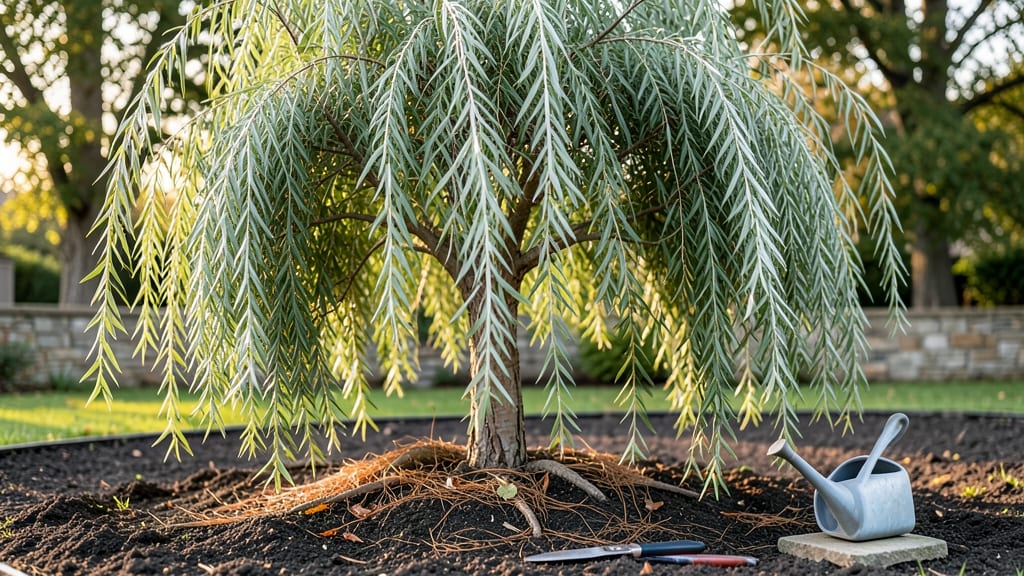
A potted willow tree brings effortless elegance to any space, but keeping it thriving requires understanding its quirks. I’ve learned that willows in containers need the right balance of moisture, sunlight, and occasional pruning to stay lush—without becoming a high-maintenance headache.
The key is matching their natural habits to your growing conditions, whether that’s a sunny patio or a bright indoor spot.
Willows love moist but well-draining soil, so a 15-gallon container with drainage holes is ideal for most varieties. They prefer full sun to partial shade, but their flexible branches can tolerate indoor light if you supplement with a grow light.
Watering is the biggest challenge—keep the soil consistently damp, but never soggy, to prevent root rot. A mulch layer helps retain moisture while keeping roots cool.
Pruning isn’t just about shaping—it’s about encouraging healthy growth. Trim back any leggy branches in early spring to promote bushier foliage, and remove dead wood year-round. With the right care, your potted willow will reward you with arching branches and vibrant green leaves for years, even in small spaces.
The secret? A little attention now saves big headaches later.
Seasonal shifts matter, too. In winter, move potted willows to a sheltered spot or indoors if temperatures drop below 20°F. Watch for spider mites or aphids, which love stressed plants, and treat them early with a neem oil spray.
With these adjustments, your willow stays graceful all year—minimal effort, maximum impact.
📚 In This Guide
- What you need
- Instructions
- Tips and common mistakes
- Wrapping up and next steps
What you need
- ● Potted Willow Tree: Choose a Salix caprea (goat willow) or Salix babylonica (weeping willow) variety, preferably 1–3 years old and 3–5 feet tall for optimal potting.
- ● Container: Size: At least 18–24 inches in diameter and depth (larger for mature trees).
- ● Material: Heavy ceramic, fiberglass, or plastic (avoid lightweight pots that tip over easily).
- ● Drainage: 5+ drainage holes at the bottom (non-negotiable!).
- ● Potting Soil: 1–2 cubic feet of well-draining, moisture-retentive mix (e.g., 60% garden soil, 30% perlite, 10% compost).
- ● Mulch: 1–2 inches of organic mulch (e.g., shredded bark or pine straw) to retain moisture.
- ● Basic Tools: Trowel or garden spade
- ● Pruning shears (sterilized)
- ○ Gloves (optional but recommended)
- ○ Optional (But Helpful!): Slow-release fertilizer (balanced 10-10-10 or willow-specific)
- ● Watering can with a rose nozzle (for gentle hydration)
- ● Support stake or trellis (if training branches)
- ● Container saucer or tray (to catch runoff)
- ● Location: Partial sun to full sun (6+ hours of sunlight daily).
- ● Water Access: Nearby hose or water source (willows love moisture!).
- ● Climate Note: Protect from frost below 10°F (-12°C) with a frost cloth or move indoors (if possible).
Step-by-step guide to cultivating a thriving potted willow tree
Here's how to nurture a willow's natural elegance in containers while keeping care simple and effective.
🪴 Step 1: Select and Prepare the Container
Willows need room to spread their roots, so choose a minimum 18-inch diameter container with drainage holes—larger is always better. I recommend unglazed ceramic or plastic pots because they allow excess moisture to evaporate through the walls, preventing root rot. The container should be at least 12 inches deep to accommodate the tree's extensive root system.
Line the bottom with 2-3 inches of gravel or broken pottery to create a drainage layer. This prevents water from pooling at the roots, which willows despise. If using a decorative cache pot, ensure the inner nursery pot has its own drainage system—willows won't tolerate soggy feet for long.
🌱 Step 2: Plant with Proper Soil and Initial Pruning
Use a well-draining potting mix blended with 20% perlite or sand to improve aeration. Fill the container halfway with this mix, then position the willow's root ball so the top sits 1-2 inches below the rim. This headspace prevents soil erosion during watering.
Before backfilling, trim any circumscribed roots (those circling the root ball) with clean pruners—willows grow aggressively, and these roots strangle themselves. Gently spread remaining roots outward to encourage outward growth. After planting, water deeply until it drains freely from the bottom holes.
☀️ Step 3: Position for Optimal Light and Airflow
Willows thrive in full sun (6+ hours daily) but tolerate partial shade in hot climates. Place your potted tree where it receives morning sun and afternoon shade if temperatures exceed 90°F. The key is consistent moisture—willows wilt dramatically when thirsty, so monitor soil moisture daily during summer.
Ensure good airflow around the tree to prevent fungal diseases like powdery mildew. Space containers 12-18 inches apart if growing multiple willows. If indoors, position near a south-facing window or supplement with a grow light for 12-14 hours daily—willows grow slowly without adequate light.
💧 Step 4: Water and Fertilize for Year-Round Health
Water deeply 2-3 times weekly in summer, ensuring the top 3 inches of soil remain moist but not waterlogged. Willows hate dry soil—you'll notice drooping leaves as an early warning sign. In winter, reduce watering to once weekly, allowing the top 1-2 inches of soil to dry slightly between waterings.
Fertilize monthly from spring to fall with a balanced 10-10-10 or slow-release fertilizer. I avoid high-nitrogen blends—they encourage leafy growth at the expense of root development. In late fall, apply a low-nitrogen winter fertilizer to support root health during dormancy.
✂️ Step 5: Prune Strategically for Shape and Health
Willows need minimal pruning—focus on removing dead, diseased, or crossing branches in late winter or early spring. Use clean, sharp pruners to make cuts just above a bud or lateral branch. Avoid heavy pruning, as willows respond by sending up vigorous new shoots that may overwhelm the tree's form.
If your willow becomes too leggy, prune back by 1/3 in early spring. You'll see new growth within 4-6 weeks—this is your cue that the tree is recovering well. Never prune in fall, as new growth won't harden off before winter, leaving it vulnerable to frost damage.
Tips & tricks for perfect potted willow tree care
Here's what nobody tells you about keeping your potted willow thriving year after year with minimal fuss.
Container Size Matters: While the instructions specify an 18-inch minimum diameter, I've found that willows planted in containers just slightly larger than their root ball show better growth patterns. The extra space gives roots room to expand without becoming root-bound, which can stunt growth. If you're working with limited space, opt for a slightly deeper container (14-16 inches deep) over a wider one—willows have deep taproots that need downward expansion. This adjustment prevents the need for repotting every few years.
Soil Mix Secrets: The 20% perlite or sand recommendation is spot-on, but I've discovered that adding a handful of worm castings to the mix at planting time gives willows an instant nutrient boost without overloading them. These castings improve soil structure while providing gentle, slow-release nutrients. For containers larger than 24 inches, consider adding a small handful of mycorrhizal fungi to the planting mix—this symbiotic relationship helps roots absorb water and nutrients more efficiently, especially in container environments.
Light Positioning Nuances: While the instructions mention morning sun and afternoon shade when temperatures exceed 90°F, I've learned that willows actually prefer the morning sun to hit their east-facing sides. This creates a more gradual warming that mimics their natural riverbank habitats. If you notice leaf scorch on the west side of your tree, rotate the container weekly to distribute sunlight more evenly. For indoor growers, supplementing with a grow light for those 12-14 hours daily works best when positioned 12-18 inches above the tree to prevent elongated growth.
Watering Technique: The deep watering instructions are crucial, but I've found that using a moisture meter becomes invaluable after the first growing season. Willows in containers dry out faster than their in-ground counterparts, and the top 3 inches of soil can remain moist while the lower roots are already stressed. Insert the meter probe to the container's halfway point—this gives you a more accurate reading of the root zone's moisture status. For particularly hot days (above 95°F), I increase watering frequency to every other day while still maintaining the deep watering technique to prevent surface drying.
Pro Tips for Potted Willow Tree
- Here's what nobody tells you about keeping your potted willow thriving year after year with minimal fuss.
- Container Size Matters: While the instructions specify an 18-inch minimum diameter, I've found that willows planted in containers just slightly larger than their root ball show better growth patterns.
- These castings improve soil structure while providing gentle, slow-release nutrients.
Frequently asked questions
Got questions about keeping your potted willow tree thriving? You’re not alone! Here are some of the most common queries—plus quick, practical answers to keep your container garden looking effortless all year.
How often should I water my potted willow tree?
Willow trees in pots dry out fast—check soil moisture daily in summer! Water deeply when the top 1–2 inches feel dry. Pro tip: Use a moisture meter or stick your finger in the soil to avoid over- or under-watering. Drainage is key! Ensure pots have holes to prevent root rot.
Can I keep a potted willow tree outside in winter?
Yes, but with caution! Willow trees tolerate cold, but young or small potted specimens may need protection. Move them to a sheltered spot (like a garage or under eaves) if temps drop below 10°F. Wrap the pot in burlap for extra insulation. Never let roots freeze!
Do I need to prune my potted willow tree often?
Not at all! Willow trees thrive with minimal pruning—just trim dead or overgrown branches in late winter/early spring. Focus on shaping if needed, but avoid heavy cuts. Warning: Over-pruning stresses the tree and can stunt growth.
What’s the best pot size for a willow tree?
Start with a pot 12–18 inches wide and deep for young trees, then upgrade as it grows. Willow roots spread fast, so oversized pots (with 2–3 inches of extra space) help prevent root binding. Terracotta or fiberglass pots work best—they breathe!
Are there low-maintenance alternatives to potted willow trees?
Try dwarf varieties like Salix caprea ‘Pendula’ or Japanese maples for similar grace with less fuss. Weeping cherries or ornamental grasses also add texture without the water demands.
Why are the leaves on my potted willow tree turning yellow?
Yellow leaves usually mean overwatering, poor drainage, or nutrient deficiency. Check these first:
- Drainage holes? (Add them if missing!)
- Soil soggy? (Let it dry slightly between waterings.)
- Fertilizer? (Use a balanced 10-10-10 in spring/summer.)
Wrapping up and next steps
Growing a potted willow tree is a rewarding way to bring elegance and nature’s charm to your space—without the fuss! With just a few simple steps, you can enjoy its graceful branches year-round, whether you’re a gardening newbie or a seasoned green thumb. 🌿
Ready to elevate your container garden? Start by choosing the right pot and pruning with confidence—your willow tree will thrive and become the centerpiece of your outdoor (or indoor!) oasis. Grab your shears, and let the beauty unfold! ✂️🌱