
Trees
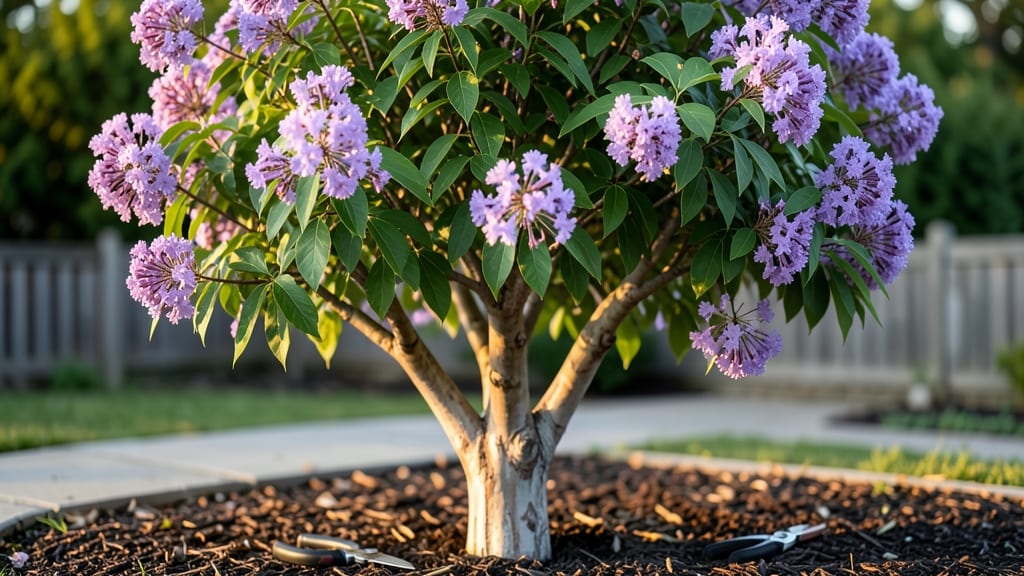
Those purple crape myrtle trees transform summer into a velvety dream with their dramatic blooms and glossy foliage—yet they demand almost no fuss to thrive. 🌿 I planted mine last spring, and within months, the neighbors kept asking what "magic trick" I'd used to make my yard look so effortlessly lush.
The secret? Sunlight, patience, and a single strategic pruning session each winter.
These trees adore full sun and well-draining soil, but they’re forgiving if you forget to water once in a while. My 6-foot specimen now blooms from early July through September, and the purple flowers attract hummingbirds like a magnet.
The real game-changer? Their bark—smooth and peeling like paper in winter—adds texture year-round, so you’re never without interest.
By winter, you’ll prune just the dead wood and shape the branches, leaving the rest to its natural beauty. The result? A tree that looks manicured without the work, with blooms so vibrant they make other shrubs look dull.
Even my black thumb could handle this—once I learned the three simple rules.
Whether you’re planting one as a statement piece or lining a driveway with them, these trees deliver drama with almost no maintenance. Here’s how to keep yours thriving through every season without the headaches.
📚 In This Guide
- What you need
- Instructions
- Tips and common mistakes
- Wrapping up and next steps
What you need
- ● Purple crape myrtle tree: Choose a healthy 1- to 3-gallon container-grown sapling (e.g., Lagerstroemia varieties like 'Natchez,' 'Muskogee,' or 'Tonto').
- ● High-quality potting soil: 3–5 bags (1–2 cubic feet each) of well-draining, slightly acidic soil (pH 5.5–6.5). Mix in 1 part perlite or sand per 3 parts soil for drainage.
- ● Organic mulch: 2–3 bags of pine bark or shredded hardwood mulch (avoid dyed or chemically treated mulch).
- ● Slow-release fertilizer: 1–2 lbs of balanced, tree-specific fertilizer (e.g., 10-10-10 or 8-3-9 with micronutrients).
- ○ Tree stakes (optional but helpful): 2–4 1.5-inch diameter wooden or metal stakes (6 feet tall) + soft tree ties (3–4).
- ● Shovel: Round-point or digging shovel for planting.
- ● Pruning shears: Bypass pruners (for clean cuts) + loppers (for thicker branches).
- ● Hand saw: Pruning saw (for stubborn branches, if needed).
- ● Garden hose or watering can: With a soaker hose attachment for deep watering.
- ● Gloves: Heavy-duty gardening gloves (to protect from thorns and sap).
- ● Measuring tape: For spacing and pruning accuracy.
- ○ Wheelbarrow: For mixing soil amendments (optional but handy).
- ● Sunlight: Ensure your tree gets full sun (6+ hours/day) for vibrant blooms.
- ● Spacious spot: Mature crape myrtles reach 15–25 feet tall/wide—leave 10+ feet of clearance from structures.
- ● Water source: Access to a drip irrigation system or hose for consistent moisture (critical for the first year).
- ● Patience: Purple crape myrtles won’t bloom until year 2–3—but the wait is worth it!
Step-by-step guide to planting and caring for purple crape myrtles
These stunning trees bring bold color and texture with surprisingly little effort.
🌱 Step 1: Choose the Perfect Planting Location
Purple crape myrtles thrive in full sun, so pick a spot that gets at least 6-8 hours of direct sunlight daily. They tolerate heat and drought once established, making them ideal for hot climates. I always check the mature size on the tag—these trees can grow 10-20 feet tall, so give them room to spread their canopies.
Here's the thing—avoid low spots where water pools. Crape myrtles hate soggy roots. If your yard has heavy clay soil, amend it with 2-3 inches of compost mixed into the top 12 inches of soil. You'll see the difference in how quickly roots establish and how vibrant the blooms become.
🪴 Step 2: Plant at the Right Time and Depth
Plant your purple crape myrtle in early spring or fall, when temperatures are mild (50-70°F). Dig a hole twice as wide as the root ball but only as deep. The top of the root ball should sit 1-2 inches above ground level—this prevents water from pooling at the stem.
Gently remove the plant from its container and loosen any circling roots with your fingers. Place it in the hole, backfill with native soil (no amendments), and water deeply to settle everything. Don't skip this step—proper planting depth prevents future stem rot and gives the tree a strong start.
☀️ Step 3: Water and Mulch for First-Year Success
Water your new crape myrtle deeply once a week for the first year, providing 1-2 gallons per watering. You'll know it's getting enough when water drains 6-8 inches deep. After the first year, they're drought-tolerant, but established trees still appreciate 1 inch of water weekly during dry spells.
Spread 2-3 inches of mulch around the base, keeping it 6 inches away from the trunk. I use shredded bark mulch because it breaks down slowly and improves soil structure over time. This mulch layer keeps roots cool in summer and prevents weeds from competing for water.
✂️ Step 4: Prune for Health and Beauty (Minimal Effort)
Crape myrtles are famous for their "winter burn" pruning—just cut back any dead or damaged branches in late winter or early spring before new growth begins. I also remove any suckers growing from the base or trunk to keep the tree's energy focused on the main canopy.
Here's where it gets fun—you can shape the tree lightly in summer if needed, but resist the urge to over-prune. These trees bloom on new wood, so heavy pruning late in the season will reduce next year's flowers. A little strategic trimming keeps them looking their best with minimal work.
🌿 Step 5: Maintain Through the Seasons
Fertilize lightly in early spring with a balanced 10-10-10 fertilizer if your soil is poor. I skip fertilizer if the tree looks healthy—over-fertilizing leads to more leaves and fewer flowers. Watch for pests like aphids or scale insects, which occasionally appear on new growth. A strong spray of water usually removes them without chemicals.
In fall, remove any spent blooms and rake up fallen leaves to prevent disease. Purple crape myrtles are generally low-maintenance, but this little seasonal check-in keeps them thriving for years. You'll love how they put on a show with minimal effort—just sun, good soil, and occasional pruning.
Tips & tricks for perfect purple crape myrtle trees
Between us, these trees are the unsung heroes of low-maintenance landscaping—here’s how to make them shine even brighter.
Sunlight Strategy: That 6-8 hours of daily sun is non-negotiable, but here's what I've learned: if your yard has afternoon shade, position the tree where it gets morning sun and minimal afternoon filtering. I've seen crape myrtles in partial shade still bloom, but the flowers will be sparser and less vibrant. Trust me on this—your neighbors will notice the difference when yours is the only one bursting with purple.
Soil Secret: The 2-3 inches of compost in heavy clay soil isn't just about drainage—it's about creating an air pocket around the roots. I take it a step further by mixing in a handful of perlite to the top 12 inches of amended soil. This prevents compaction and gives roots room to breathe, especially in urban areas where soil gets packed down from foot traffic.
Watering Wisdom: Those 1-2 gallons per week might seem like a lot, but here's the thing: water should drain 6-8 inches deep. I test this by sticking a metal rod into the soil after watering—if it comes out dry, you need more water. After the first year, you'll know your tree's water needs by observing the leaves: if they curl slightly in heat, it's thirsty; if they droop, it's too much.
Pruning Precision: When you're cutting back those dead branches in late winter, look for the "winter burn" spots—they're the easiest to identify. I use clean, sharp pruners and make cuts just above a leaf node or bud. This encourages new growth right where you want it. And remember: never cut into old wood—you'll sacrifice next year's blooms.
Pro Tips for Purple Crape Myrtle Trees
- Between us, these trees are the unsung heroes of low-maintenance landscaping—here’s how to make them shine even brighter.
- Sunlight Strategy: That 6-8 hours of daily sun is non-negotiable, but here's what I've learned: if your yard has afternoon shade, position the tree where it gets morning sun and minimal afternoon filtering.
- Soil Secret: The 2-3 inches of compost in heavy clay soil isn't just about drainage—it's about creating an air pocket around the roots.
Frequently asked questions
Got questions about keeping your purple crape myrtle trees happy and thriving? You’re in the right place! Here are answers to the most common queries—from planting to pruning and everything in between.
When is the best time to plant purple crape myrtles?
The ideal window is early spring or fall (6–8 weeks before your first frost). Planting in spring lets roots establish before summer heat, while fall gives them time to settle before winter. Avoid transplanting in extreme heat or cold—roots need gentle conditions to thrive!
How much pruning do purple crape myrtles really need?
Surprisingly little! Prune only to remove dead, diseased, or crossing branches in late winter. Avoid "crape murder" (over-pruning)—these trees bloom on new growth, so heavy cuts can reduce flowers. A light trim keeps their natural shape while maximizing those stunning purple blooms.
What pests or diseases should I watch for?
Keep an eye out for aphids, scale insects, or powdery mildew. Aphids cluster on new growth (hose them off!), while scale leaves sticky residue. Powdery mildew appears as white dust—improve airflow and use fungicide if needed. Healthy soil and proper spacing prevent most issues!
Can purple crape myrtles handle cold winters?
Most varieties tolerate USDA Zones 7–9, but younger trees or Zone 6 gardens may need winter protection. Wrap the trunk with burlap or use mulch to shield roots. If your area dips below 0°F, consider a microclimate-friendly spot (like near a south-facing wall).
Are there dwarf or smaller alternatives to full-sized purple crape myrtles?
Yes! For compact gardens, try ‘Dynamite’ (6–8 ft tall) or ‘Acoma’ (8–10 ft). Both offer vibrant purple blooms with minimal space. Just ensure they get full sun (6+ hours/day)—even dwarf varieties need room to shine (and grow)!
Wrapping up and next steps
Purple crape myrtles aren’t just stunning—they’re low-maintenance superstars that bring color and charm to any landscape with minimal effort. Whether you’re drawn to their vibrant blooms, drought tolerance, or easy care, these trees prove that beauty and simplicity go hand in hand. 🌸
Ready to transform your yard? Start by selecting the perfect spot and giving your purple crape myrtle the love it deserves—your future self (and your neighbors!) will thank you. Happy planting!